

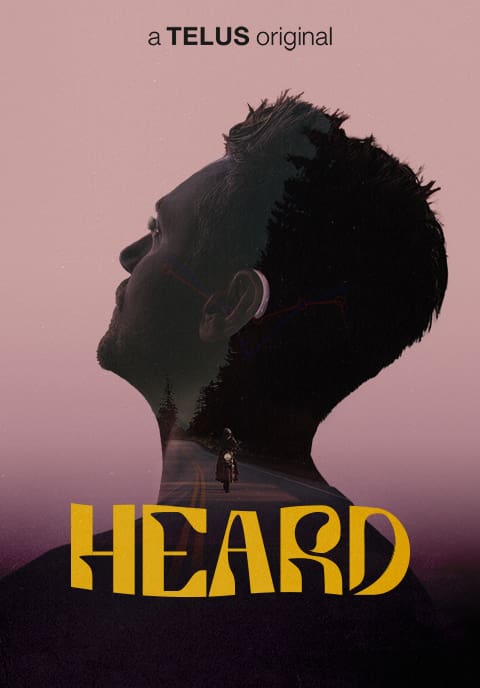
What does it mean to belong when you exist between worlds? In HEARD, screening at Vancouver’s Rio Theatre April 19, filmmaker Brian Ceci turns the lens on himself, exploring life as a Hard of Hearing individual and the often-overlooked space between hearing and Deaf culture. Raw, personal, and deeply resonant, the documentary is striking a chord with audiences across Canada—and we sat down with Brian to talk identity, storytelling, and finally finding his voice. —Noa Nichol
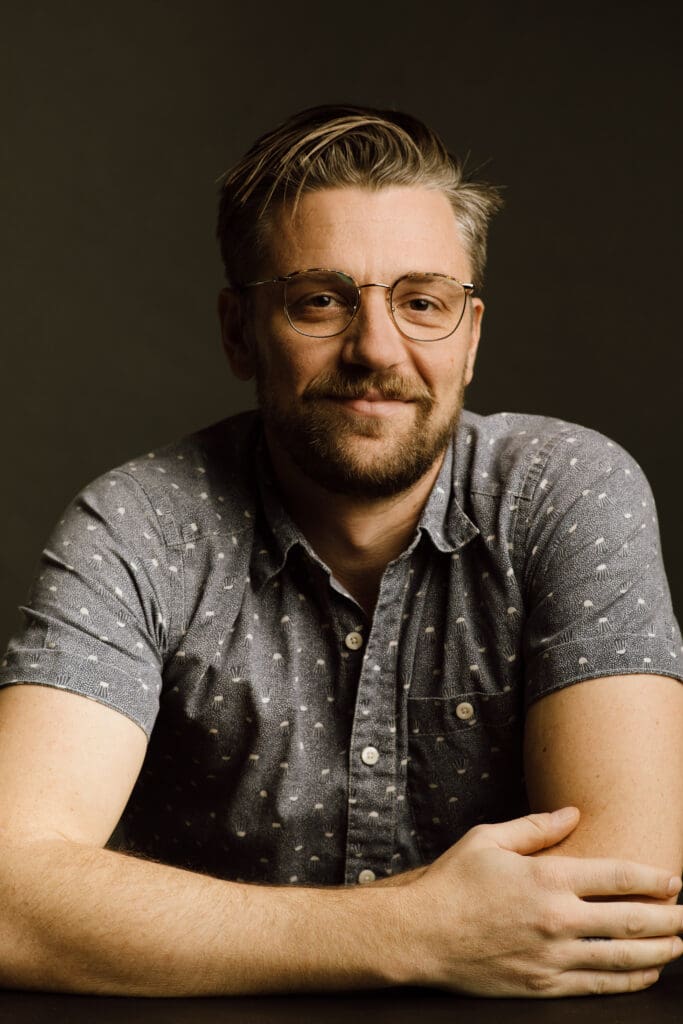
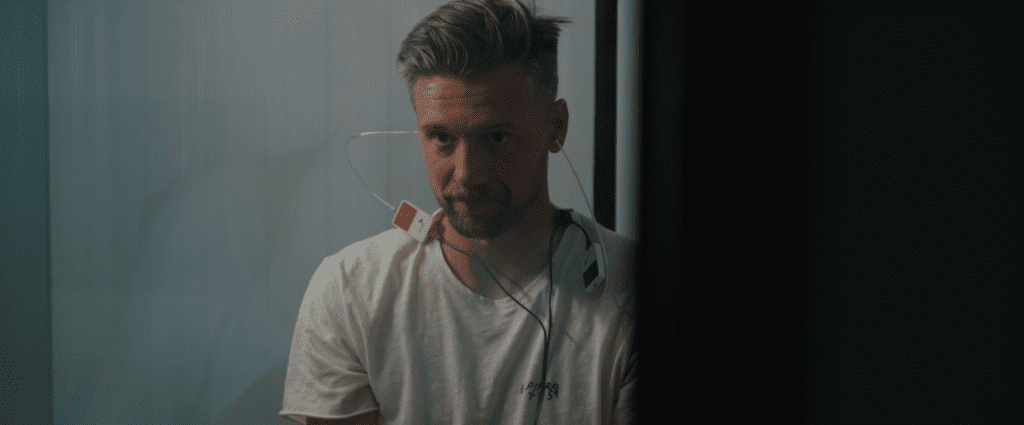
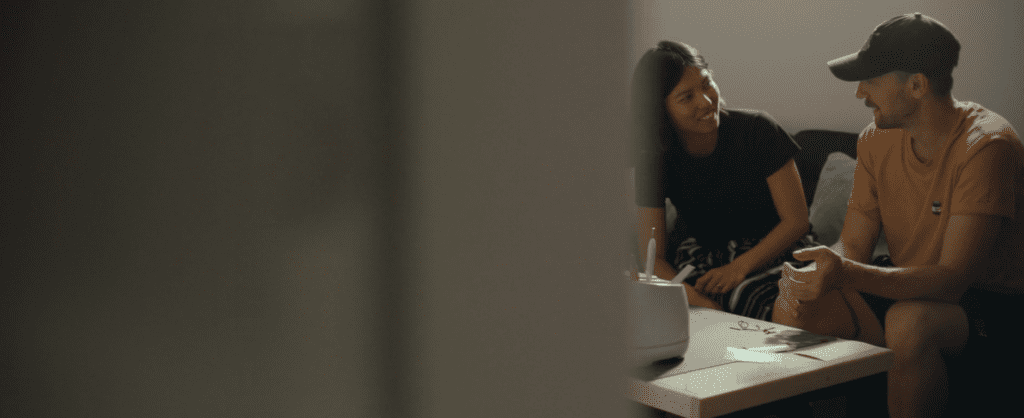
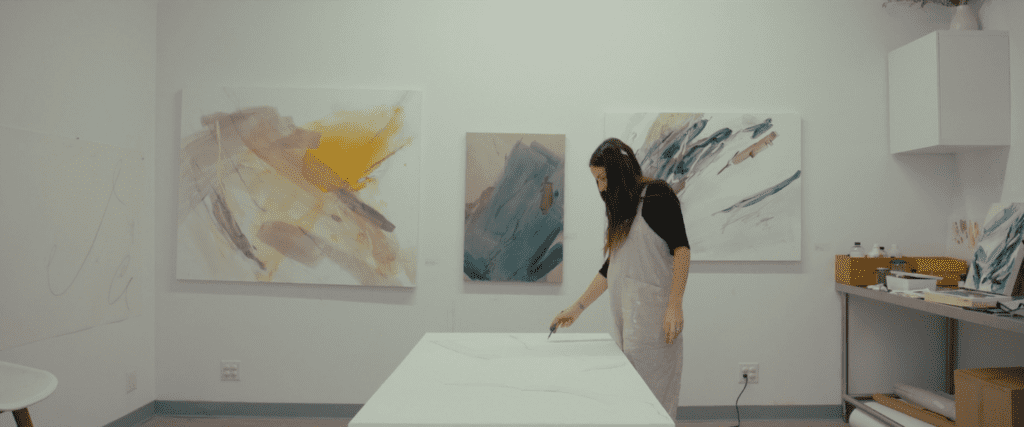
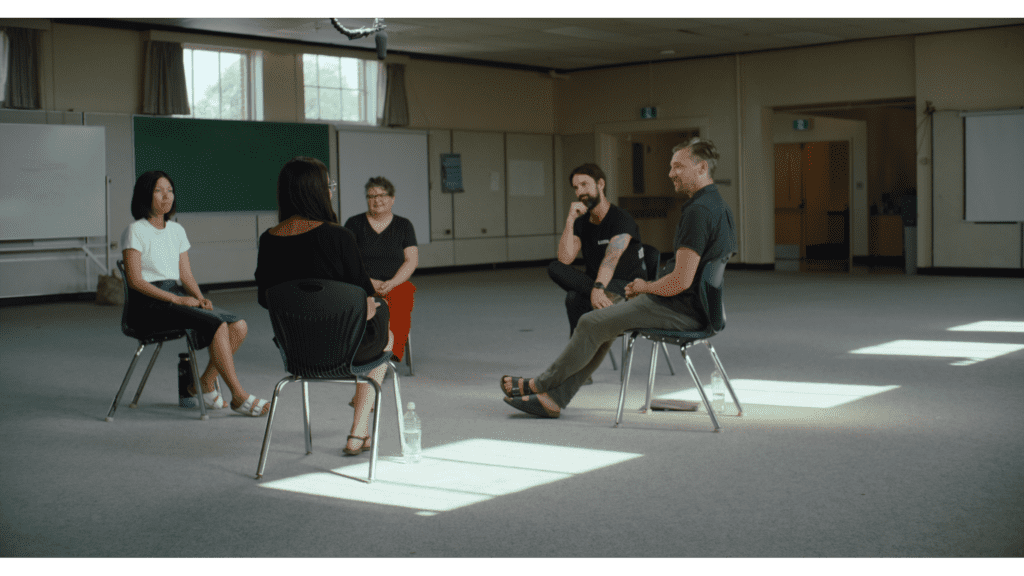
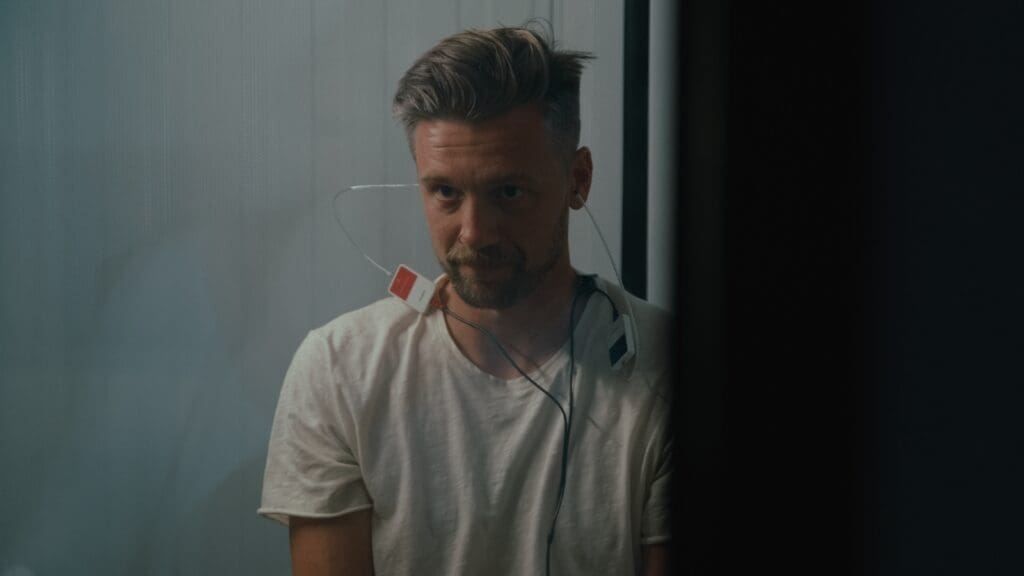
HEARD is deeply personal—what was the moment you realized you were ready to turn the camera on yourself and tell this story?
I had several conversations with various people over a few years that made me think about this as a concept, but the main moment that provoked this was at VIFF in 2022. I was at the cinematheque watching 8 Stories About My Hearing Loss, and it was incredibly moving. The Director, Charo Mato was there for the Q&A at her film, so I raised my hand and told her how profound the film was. She told me “I made this for you”. This is where I realized I need to make something.
You’ve had a successful career behind the camera—how did stepping into the role of subject and storyteller change your relationship with filmmaking?
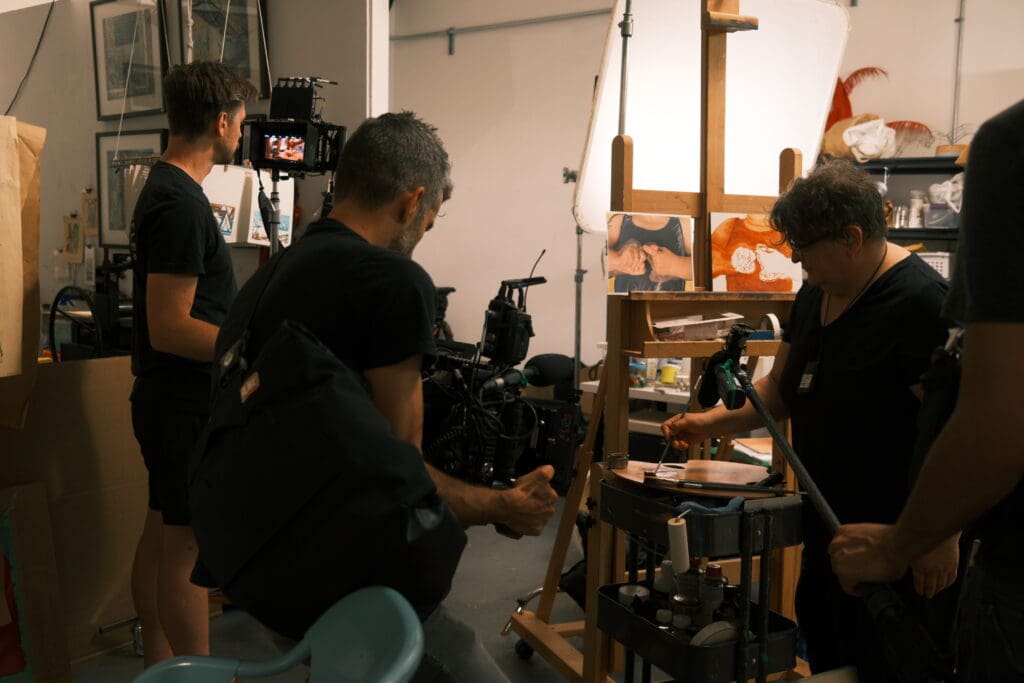
It’s greatly changed how I think. I think before this experience of directing this film I was more interested in capturing beautiful material, now I’d say I’m more story focused as a cinematographer. Form follows function.
The film explores the space between hearing and Deafness—why do you think that experience has been so underrepresented in media until now?
I still think this is underrepresented today in 2026. It’s an invisible disability – and there are many of these (ADHD, some forms of Autism, MS etc). People usually don’t understand the ripple effects of hearing loss until it affects someone around them. Especially if the hearing loss is later in life because it’s so gradual. Its also one of the few disabilities that affect you socially just as much as physically.
You talk about searching for belonging—what did “community” look like for you before making this film, and how has that evolved?
It was nonexistent. I spent most of my life never encountering people with hearing aids, especially younger folks. I was sort of taught to “blend in” with people who could hear and never draw attention to yourself. Now, I have a number of people I talk to very often, even to point out small banalities that come up every day for us.
Was there a particular conversation or person you met during filming that completely shifted your perspective on being Hard of Hearing?
There wasn’t any particular conversation that shifted my experience, but I do think that talking to my parents about it a lot recently really helped me understand their perspective in the 90s about how they guided me. I also think that when you meet multiple people around you that share similar experiences, you tend to let go of the weight of being “the only one”, which was a trope that I had growing up.
There’s often a misconception that hearing loss is a singular experience—what do you hope audiences learn about the diversity within the HoH community?
The misconception is very binary right now. You’re either hearing or you’re culturally Deaf (signing). This is what the media currently shows us. Most films people bring up when I discuss this subject matter are Deaf focused films, which are fantastic, and I’m all for them! But they aren’t completely my experience. I think you can be unilaterally deaf (single sided) or profoundly deaf but speaking, or wear cochlear implants and there’s a universal shared experience of what it’s like to be in this group. All of it is valid, and all of it is to be Hard of Hearing.
The film blends archival footage with present-day storytelling—how important was it to include your past in understanding your present?
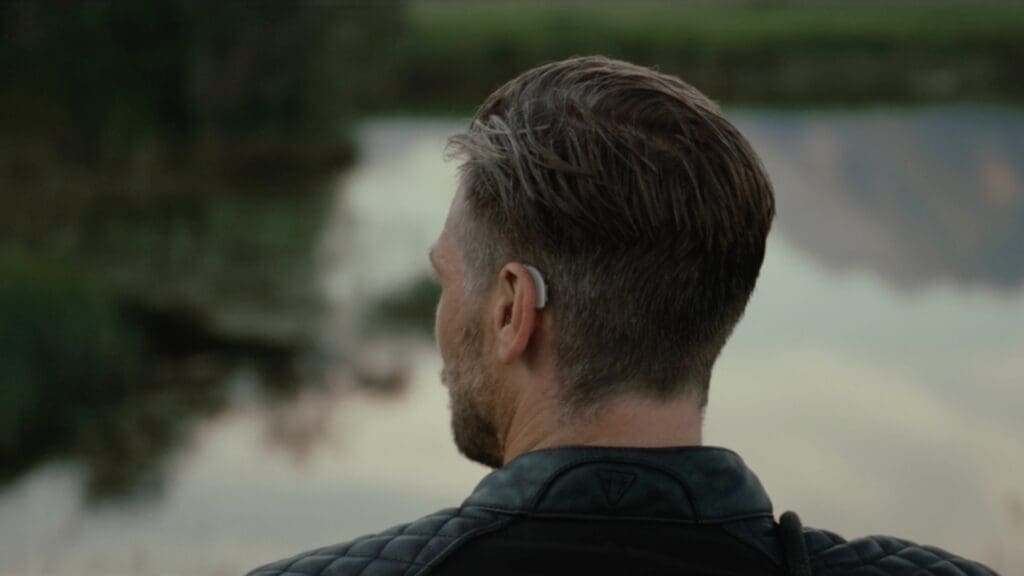
Looking into my past helped me understand how I got here today. I went through 30-40 VHS tapes of footage from my childhood looking for this shy, sad version of myself with my hair covering my ears. I didn’t really find it. Instead, I found that silly, funny version of myself that I’ve diluted over the years. And that I can be that again.
Accessibility is clearly a core part of the film’s release—why was it essential for you to design screenings that reflect the community the film represents?
The screenings so far have been planned to be inclusive of all Deaf and Hard of Hearing people across the spectrum. The film itself has open captions, meaning you can’t turn them off. I would love to see more options available for this one day in regular cinemas. We also have the entire film with live ASL interpretation, which in all honesty, is just a feat of human strength. After the film is complete, the Q&A with the cast and crew will have open captions and live signing as well. On top of that, the Rio theatre has been fitted with BettEar and Auracast, which allows you to send an audio feed of the film directly to your hearing aids. Wavefront Centre for Communication Accessibility has generously provided all these wonderful things.
For viewers who may not have any personal connection to hearing loss, what do you hope resonates with them on a human level?
I think the feeling of belonging is universal. I’ve heard that other groups, particularly those for where English isn’t a first language can relate to this film, because it’s not really about hearing, it’s about understanding, if you think about it.
To be heard is to be understood. So, I think people can relate to this theme very deeply.
After making HEARD, how has your own understanding of identity, acceptance, and self-expression changed—and what does “being heard” mean to you now?
I think as above, it means to feel understood by another person. I am in no way admitting that I’m done learning or that I’ve reached the finish line. I think that’s the part that can be challenging. It will always challenge you and the people around you. The difference is accepting it and giving it space for the small gifts it can offer. We call these Deaf Joys or Deaf gains. Universally, I think this is gratitude. 🙂
share:

Be the first to comment