

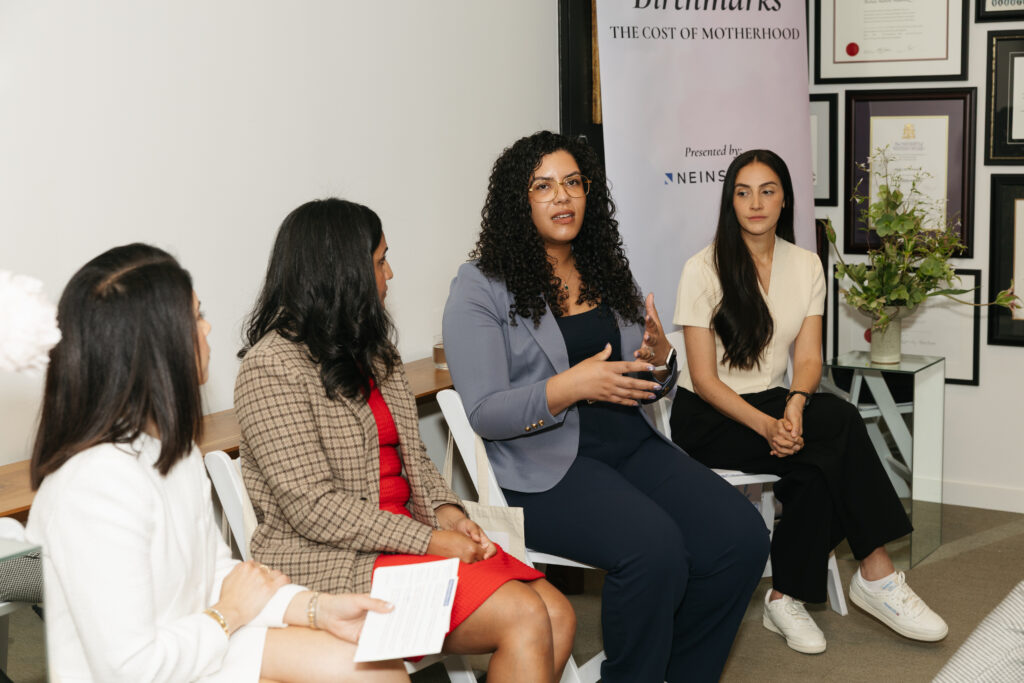
Brunch and bouquets may define Mother’s Day, but a new report is asking us to look deeper. Birthmarks: The Cost of Motherhood from Neinstein LLP uncovers the emotional and physical realities of childbirth that too often go unspoken—from lasting mental health impacts to feeling dismissed during care. In this eye-opening Q&A, Rose Leto breaks down the findings and why it’s time to shift the narrative—making space for both the joy of new life and the complexity of the journey it takes to get there. —Noa Nichol





What prompted Neinstein LLP to commission Birthmarks: The Cost of Motherhood, and why did this feel like an important conversation to bring forward right now?
As a medical malpractice lawyer, I’ve represented mothers dealing with the lasting effects of medical complications during labour and childbirth. I’ve seen a very different side of childbirth; one that includes not just joy, but also complexity, uncertainty, and lasting impact.
As we approach Mother’s Day, we wanted to highlight the true and often-unspoken journey of becoming a mom, and bring this conversation to the forefront. Childbirth is often romanticized, and with Birthmarks, our goal is to raise awareness, make space for women’s experiences and ultimately reshape the journey to motherhood.
One of the most striking findings is that 65% of mothers feel the focus is solely on the baby—why do you think the maternal experience is still so often overlooked?
Culturally and medically, the primary marker of a successful birth is often based on having a healthy baby. While that focus is important, it can mean the mother’s physical, emotional, and psychological experience is ignored.
There’s also a tendency to dismiss the challenges of childbirth, seeing pain and complications as part of the process, rather than recognizing that they require care and ongoing support. Combined with a lack of open dialogue about birth trauma and maternal injury, this has resulted in a gap where many women feel their own experience isn’t worth being talked about.
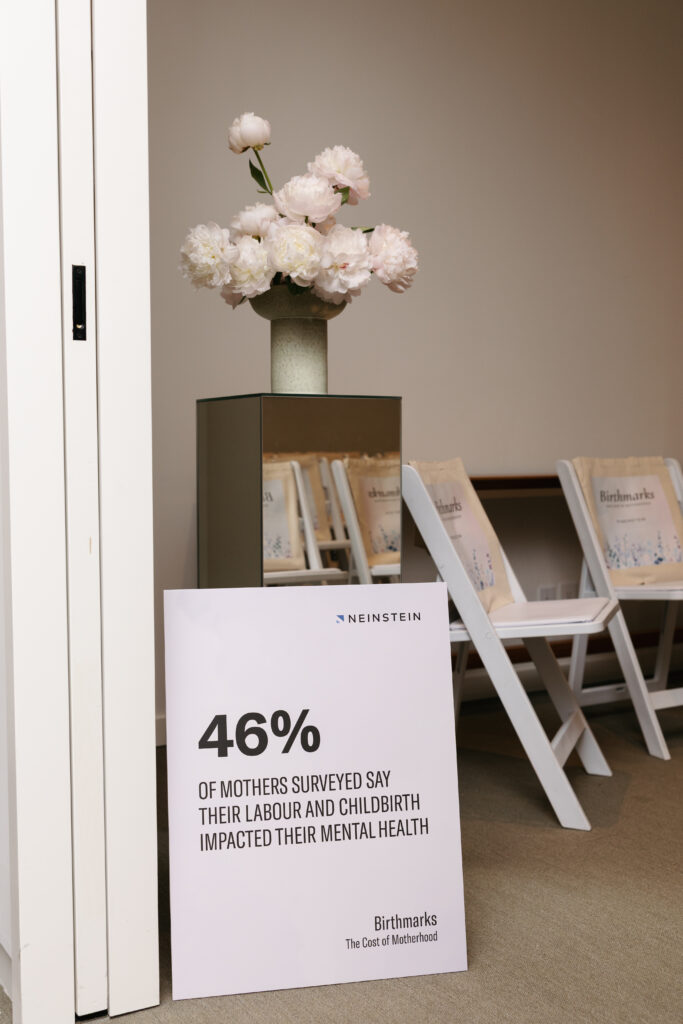
Nearly half of respondents reported lasting mental health impacts—what does this tell us about how we’re currently supporting (or failing to support) mothers post-birth?
Recognizing the mental and emotional toll labour and childbirth experience has on mothers is an essential first step in reducing stigma and ensuring that their full recoveries are supported and acknowledged. Even in post-partum the focus is on the baby; how often they eat and sleep, but these same questions are not being asked to the mother. Recognizing this gap is the first step towards improving how we support women.
The report highlights that 32% of women felt dismissed by medical professionals—what systemic issues does this point to within maternal care?
There is a need for stronger patient advocacy, improved communication, and a more consistently patient-centred approach in maternal care, to ensure concerns are not only heard, but listened to. Historically, symptoms expressed by women, especially in pregnancy and labour, have been under-recognized, which can contribute to feelings of being dismissed or not taken seriously.
Maternal care demands active listening, clear communication and an environment where women feel empowered to speak up. The care women receive should be consistent, responsive and centered on the mother’s voice, no matter how routine or complex the delivery may be.
How can healthcare providers better balance clinical outcomes with emotional care during labour and delivery?
Childbirth is a moment when women are at their most vulnerable, in pain and often scared. It’s such a difficult time to advocate for themselves, and whether they feel comfortable doing so is tied directly to the environment created by the medical professionals helping them through labour.
Healthcare providers need to understand that emotional care is not separate from physical care during labour. It’s part of it. Small but important actions, like taking the time to explain procedures, not dismissing concerns, and checking that the mother understands what’s happening, can significantly impact how supported they feel during their experience.
What role does policy or legal advocacy play in improving maternal care and accountability in Canada?
On the policy side, we need to strengthen standards of care and ensure there are consistent protocols that prioritize patient advocacy and informed consent throughout labour and delivery. From a legal perspective, it’s not only about supporting clients during their individual cases. It’s also about identifying the recurring issues we see and helping to advocate for broader change within the medical system.
How do we shift the narrative so that both truths can coexist—the joy of a new baby and the difficulty or trauma of childbirth?
We need to make space for more honest, complex, and complete conversations about what the journey to motherhood really looks like. The more we have these open conversations, the more women will feel comfortable speaking to their experiences, which will in turn change what society accepts as the reality of childbirth.
If there’s one key takeaway you hope both policymakers and the public understand from this report, what would it be?
If there’s one thing we can take away from Birthmarks, it’s that childbirth is not a single moment, it’s an experience that can carry lasting impact, both positive and challenging. When nearly half of women tell us that their experience affected their mental health, it’s clear this is something we can’t afford to overlook.
When we acknowledge the realities of these experiences and have open and honest conversations, we create the opportunity to do better, both for mothers today, and for those who come next.
For women reading this who may recognize their own experience in these findings, what resources or next steps would you encourage them to consider?
The first step is for women to know that their experiences are valid and they do not need to process them alone. For women experiencing ongoing physical or emotional trauma after labour and childbirth, it’s important to connect with a trusted medical professional, whether that’s a family doctor, OB-GYN, midwife, therapist, or another care provider, to discuss symptoms, concerns, and what support is available to them. Seeking support, asking questions, and speaking openly about what happened are all important next steps.
share:

May 12th, 2026 at 2:00 am
Everything was explained clearly and the article stayed easy to follow from beginning to end. I enjoy the Geometry Dash Online because of the fast game play, custom maps, and competitive challenge levels.