

Ahead of World Turtle Day this Friday, one tiny village on the northeast coast of Trinidad and Tobago is quietly becoming one of the most extraordinary wildlife destinations on Earth.
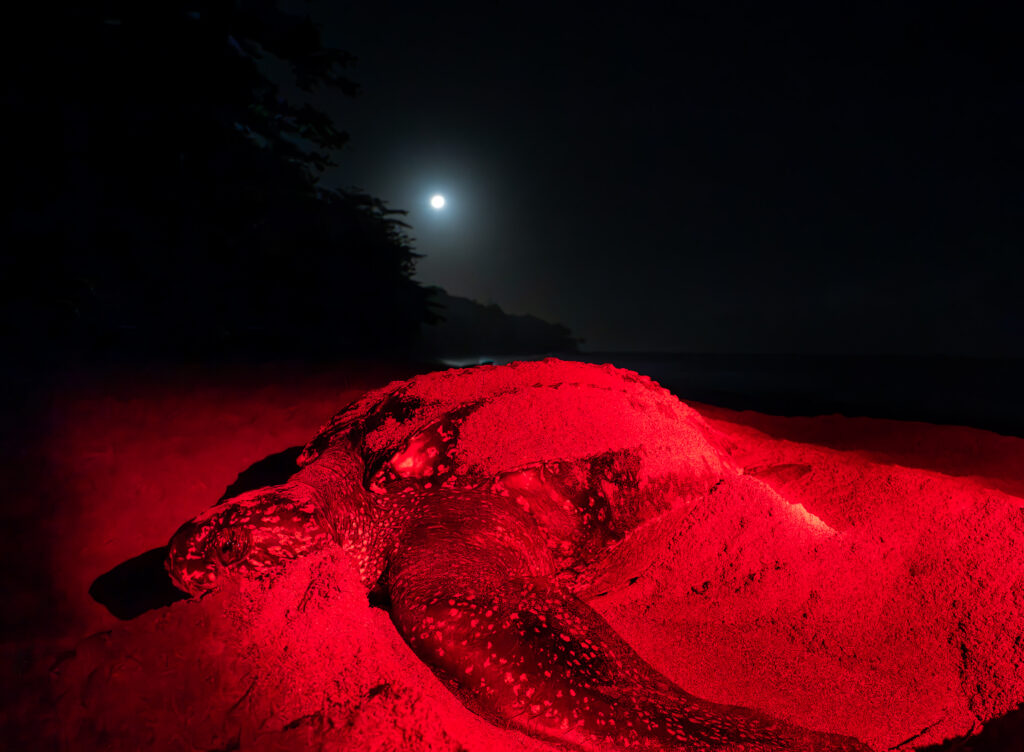
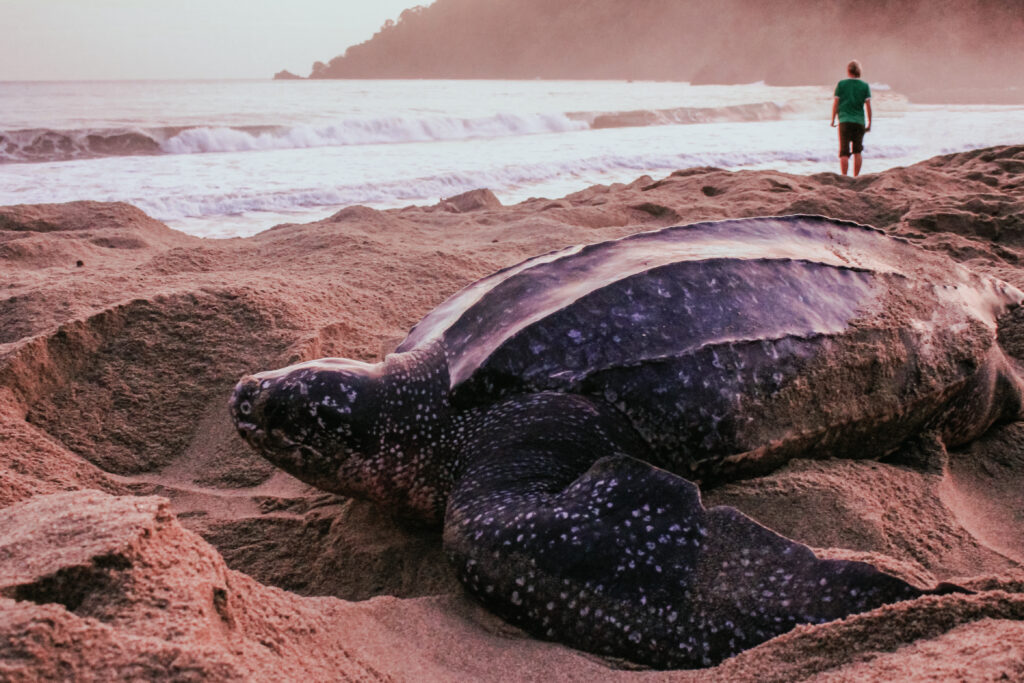
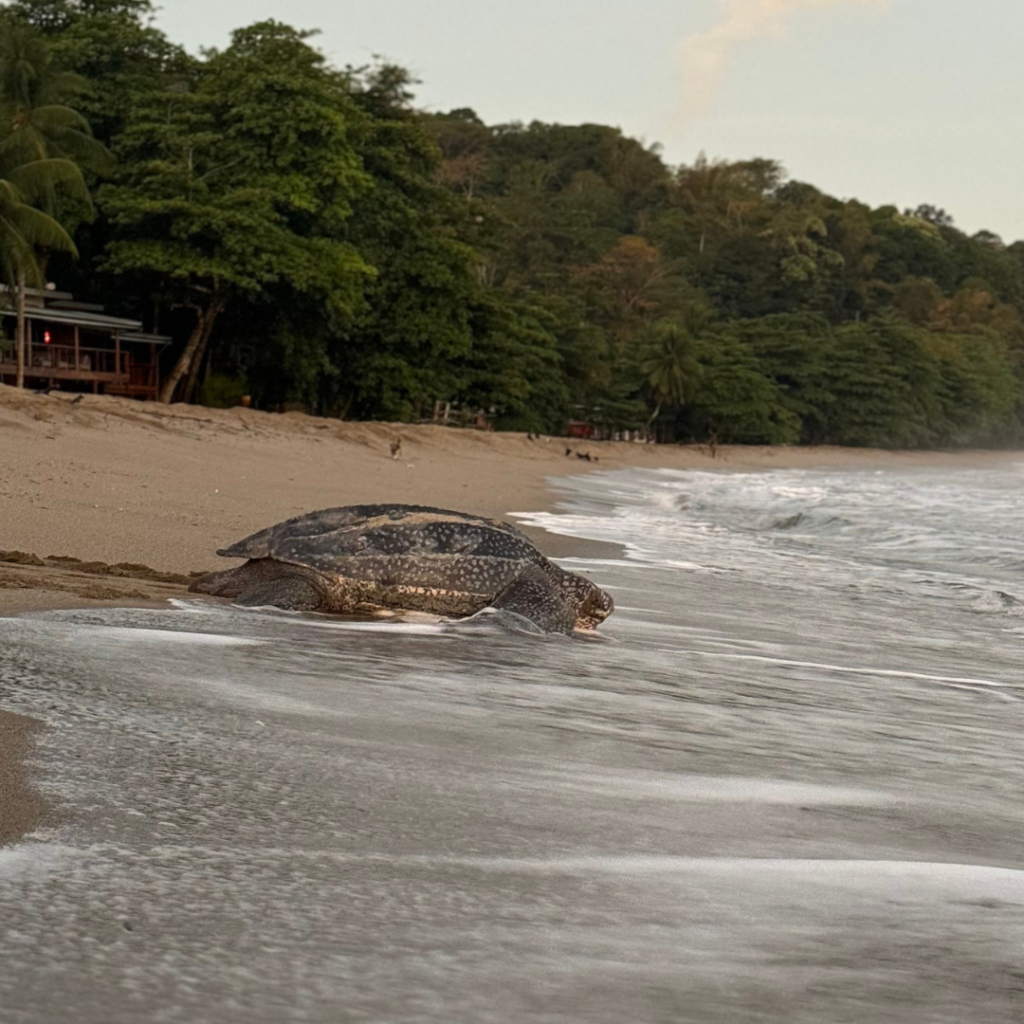
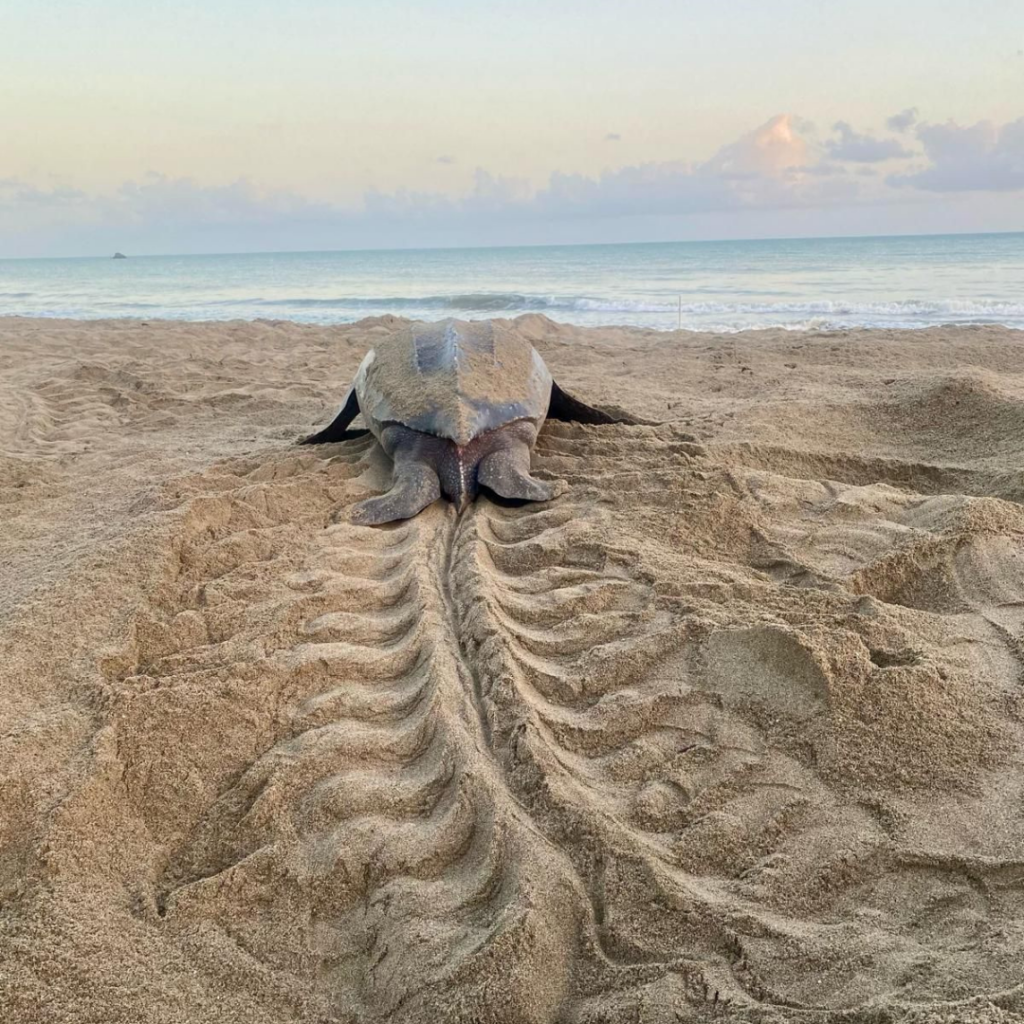
At Grande Riviere Beach—the world’s most densely populated nesting beach for Leatherback turtles—hundreds of massive turtles are currently coming ashore each night in what conservationists are calling a record-breaking season.
And the numbers are staggering.
More than 4,000 Leatherback turtles arrived to nest in April alone, with as many as 400 turtles weighing up to 600 kilograms appearing on the beach in a single evening. For a species that has survived for more than 220 million years—but now faces alarming extinction threats—it’s an incredibly hopeful sight.
The nesting beach, famously featured in Blue Planet II, has become a global conservation success story thanks to decades of community-led protection efforts spearheaded by local guide Len Peters and the Grande Riviere Nature Tour Guides Association.
And travelers aren’t just watching from afar.
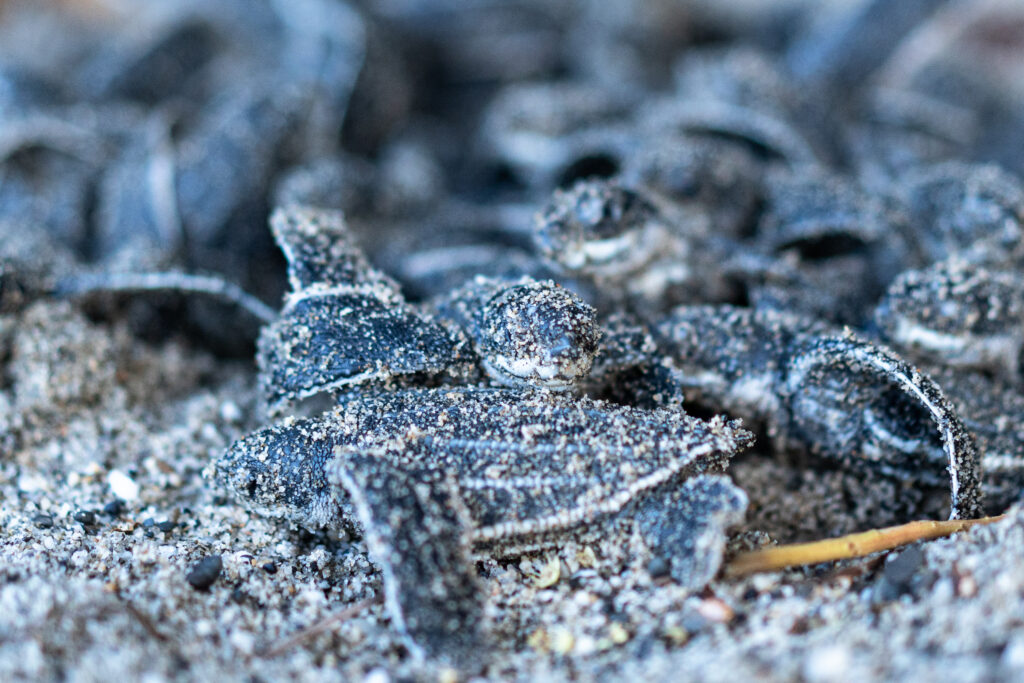
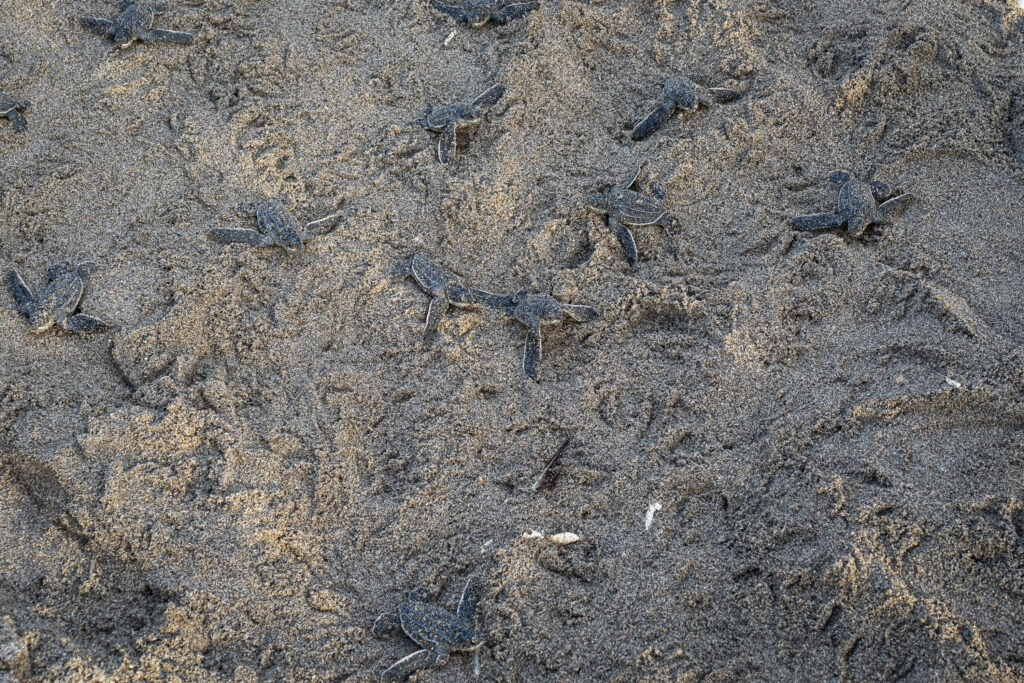
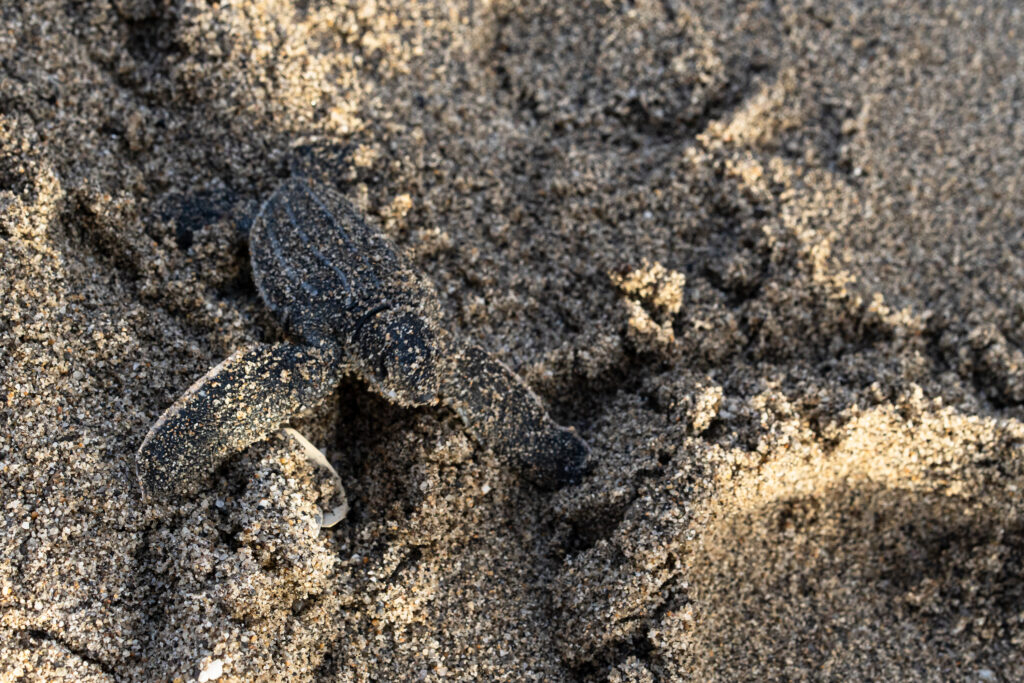
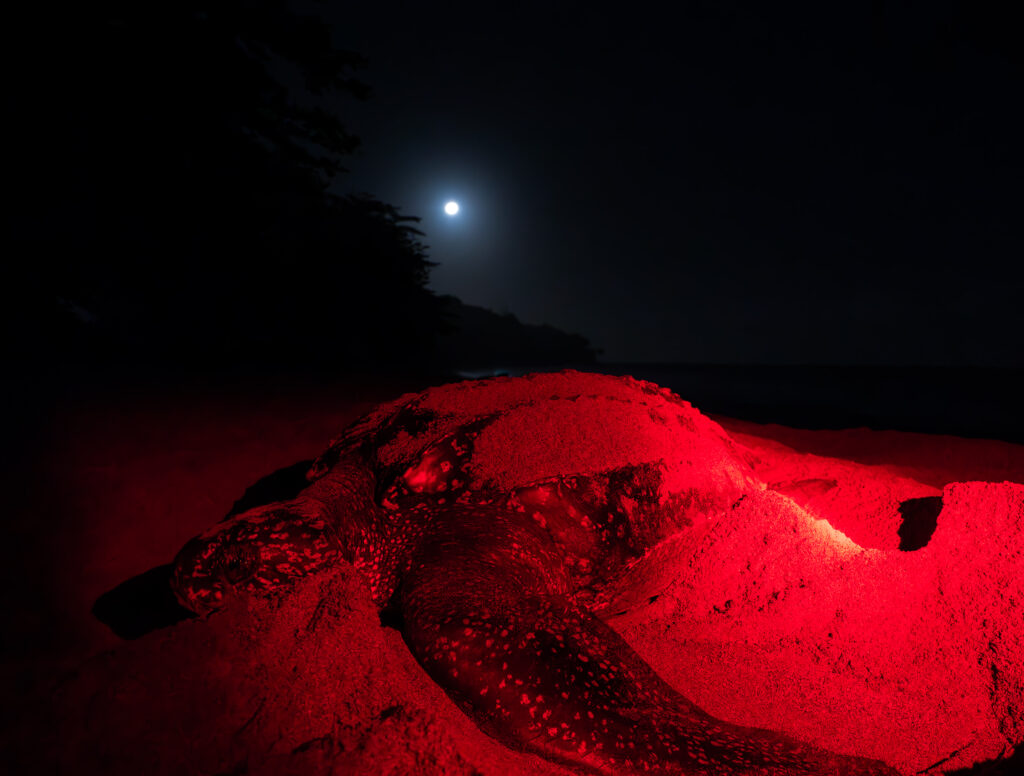
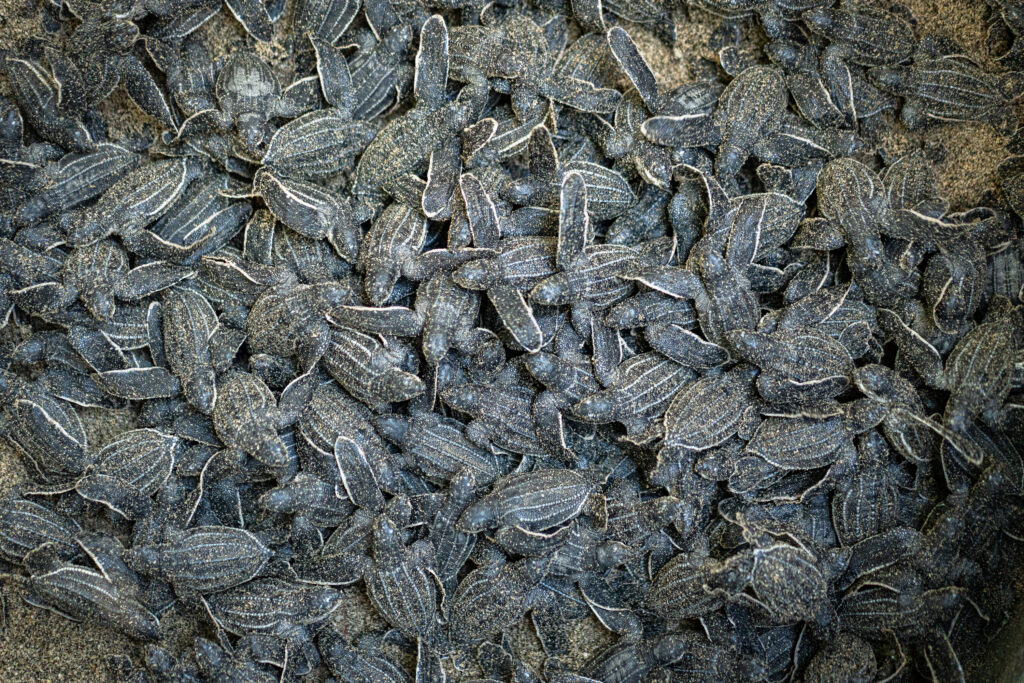
At Mt. Plaisir Estate Hotel, guests can join expert-led nighttime turtle tours during nesting season from March through July, helping collect real-world research data as the turtles lay eggs along the shore. Later in the summer, visitors can also assist with hatchling rescue efforts, helping newly emerged baby turtles safely reach the ocean.
Since acquiring the ecolodge in 2023, HADCO Experiences has doubled down on conservation efforts, implementing strict lighting restrictions during turtle season to avoid disorienting nesting turtles and hatchlings. The 21-room property intentionally keeps things unplugged and low-tech, allowing the experience to centre entirely around nature.
As conservation-focused travel continues to grow worldwide, Grande Riviere offers something increasingly rare: the chance to witness an ancient natural ritual while directly contributing to its survival. —Noa Nichol
share:

Be the first to comment