

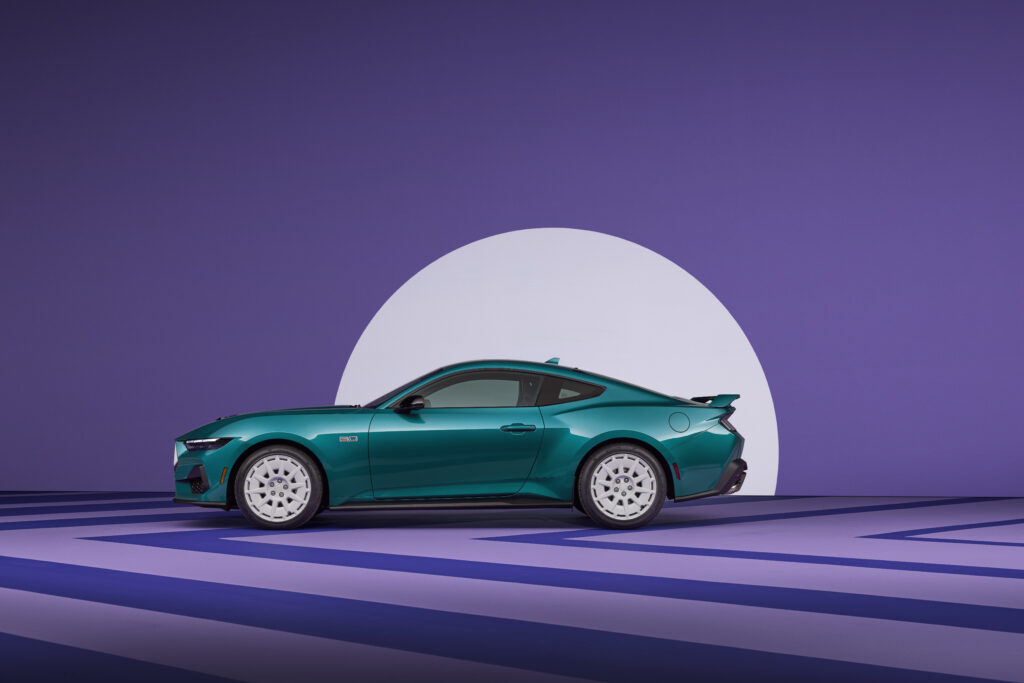
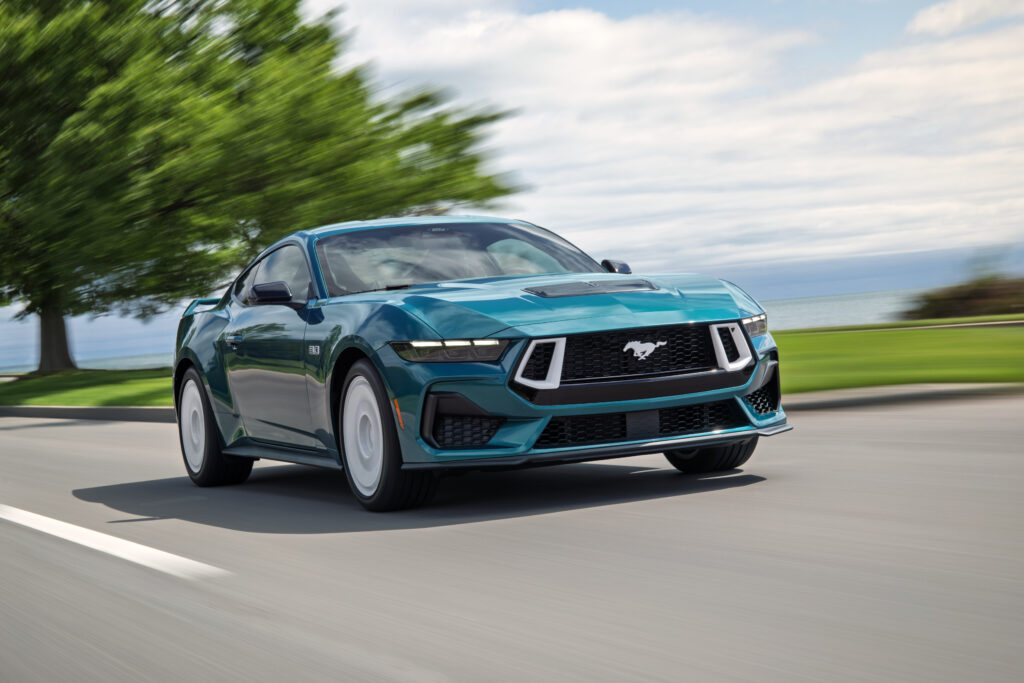
Retro culture is everywhere right now—from vintage sportswear and film cameras to Y2K fashion and vinyl records—and the automotive world is fully leaning in. Enter the 2026 Mustang GT-FX: Ford’s nostalgia-fuelled reimagining of the iconic Fox-body era, designed for a new generation obsessed with throwback style and personal expression. At the centre of it all is Canadian-born designer Stefan Taylor, Ford’s Design Manager of Customization, whose love of Mustangs runs far deeper than the job title. Inspired by a teal 1993 Mustang Cobra and the street culture that shaped the ’80s and ’90s, Taylor is blending heritage, fashion, and performance into a modern muscle car moment—complete with plaid leather seating, white tail lamps, and bold retro detailing. In this Q&A, we chat with Stefan about nostalgia-driven design, why younger generations are romanticizing decades they never lived through, and how Mustang continues to stay culturally cool 62 years later. —Noa Nichol
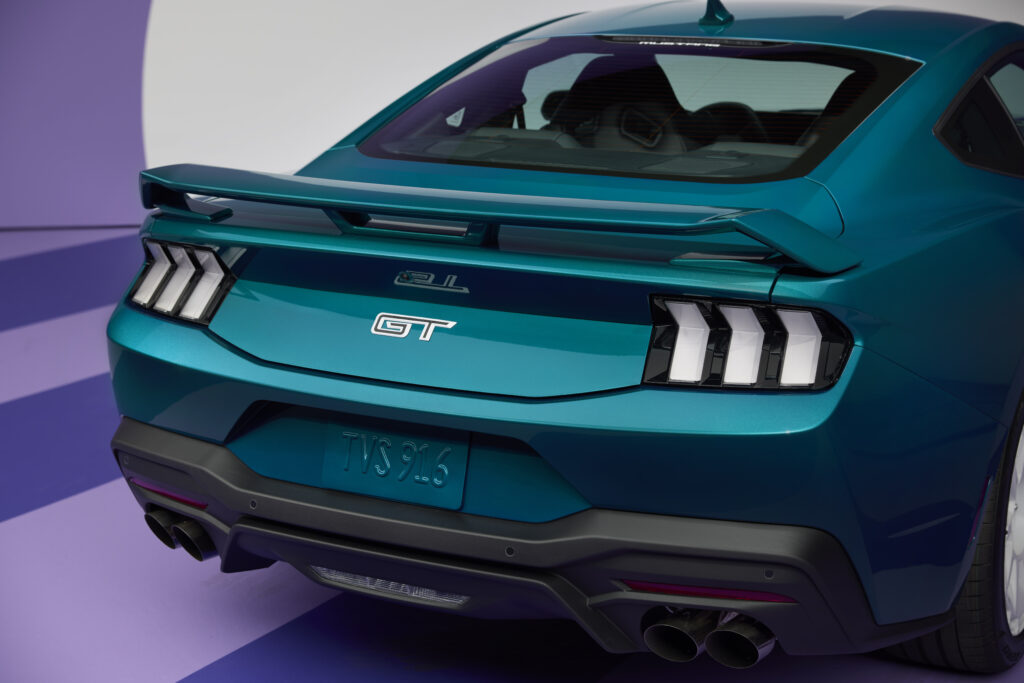
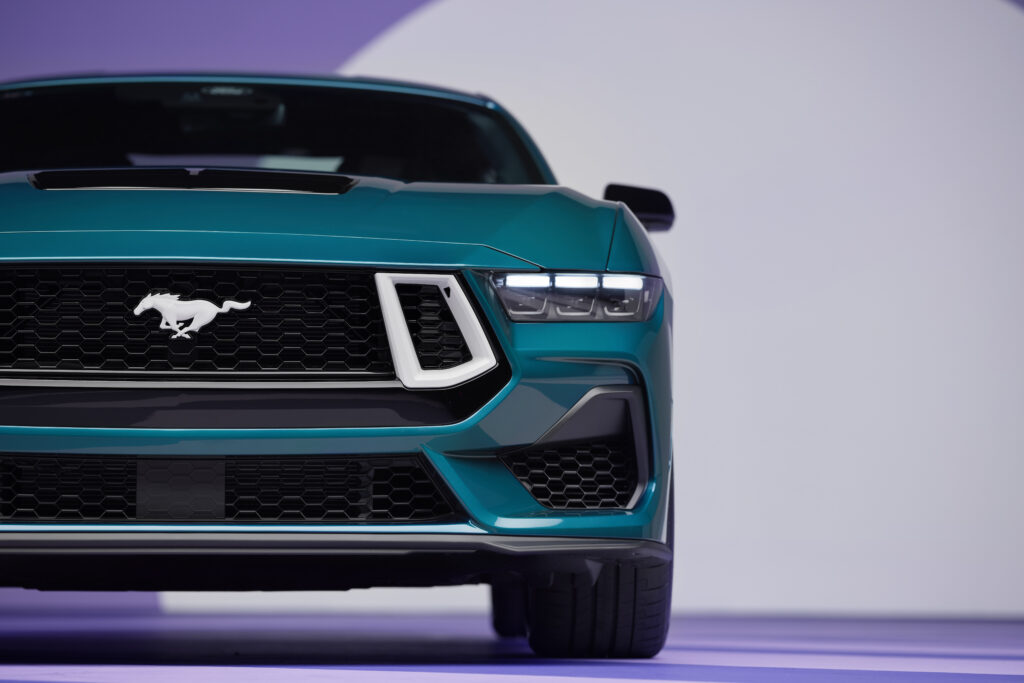
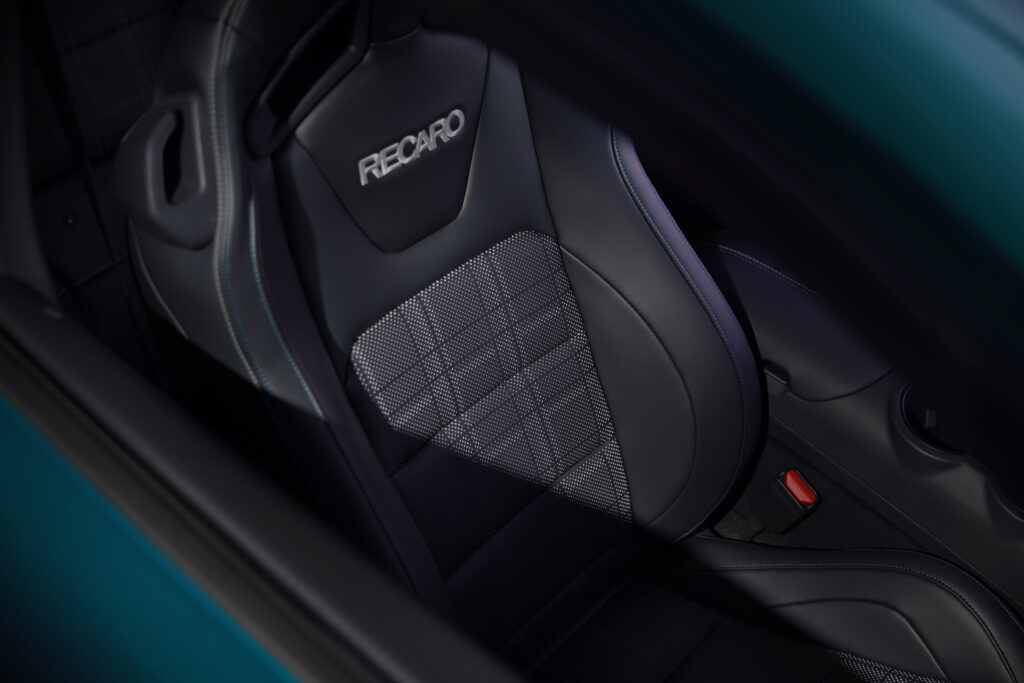
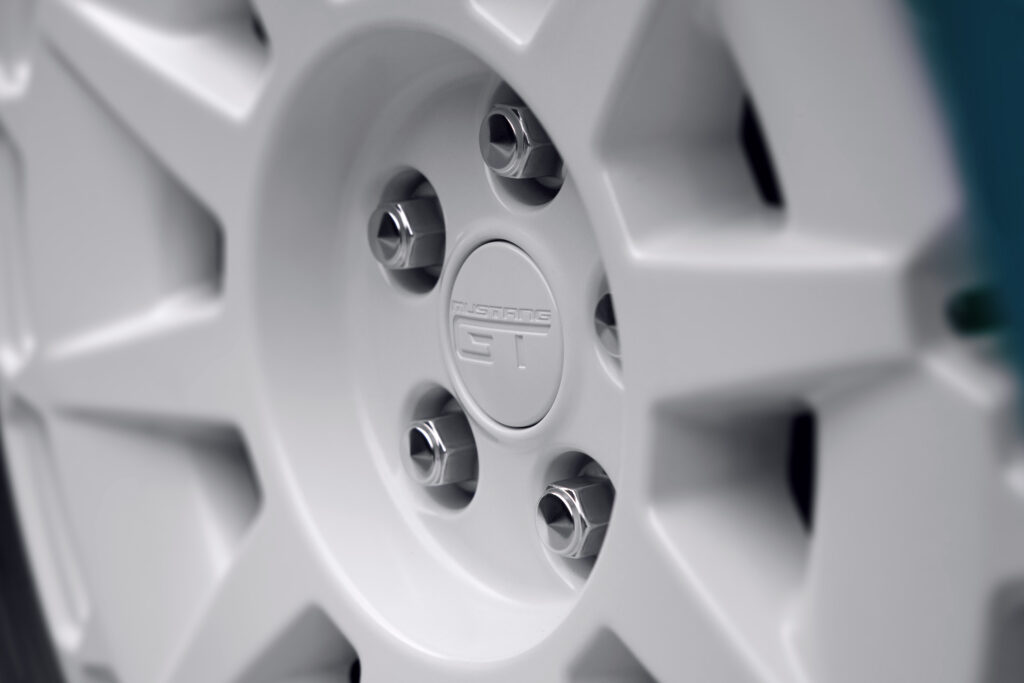
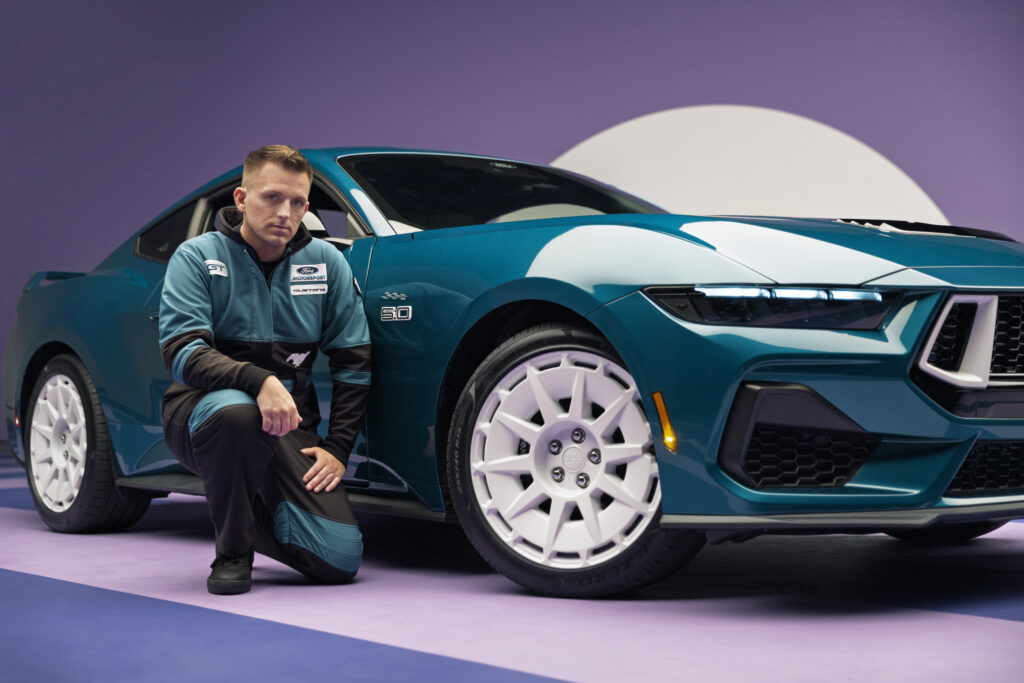
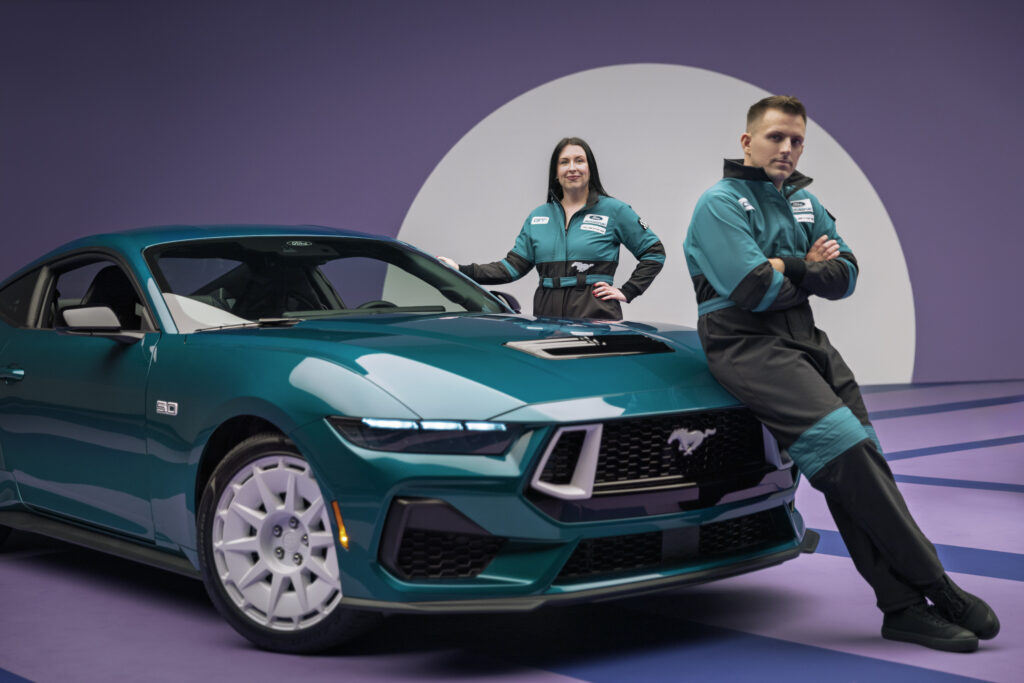
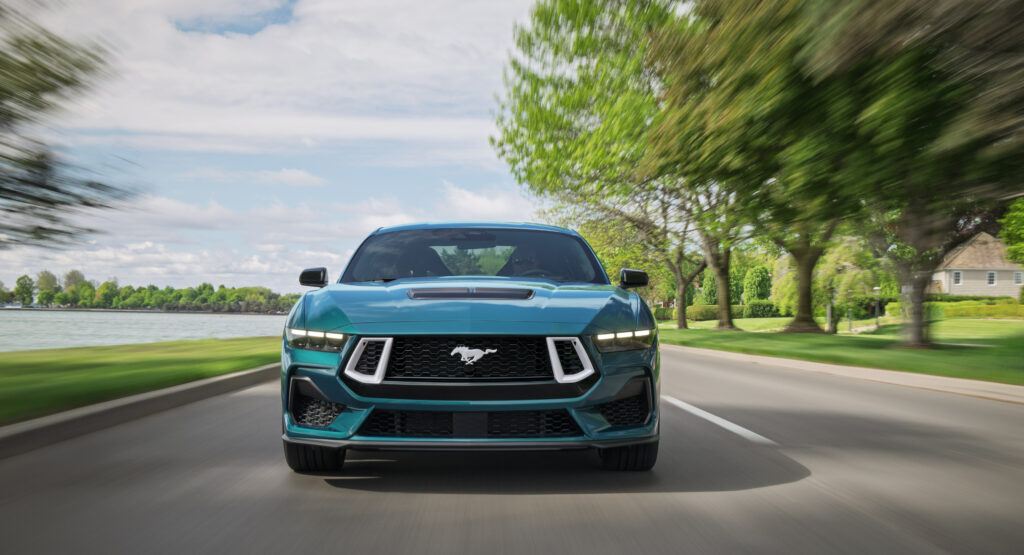
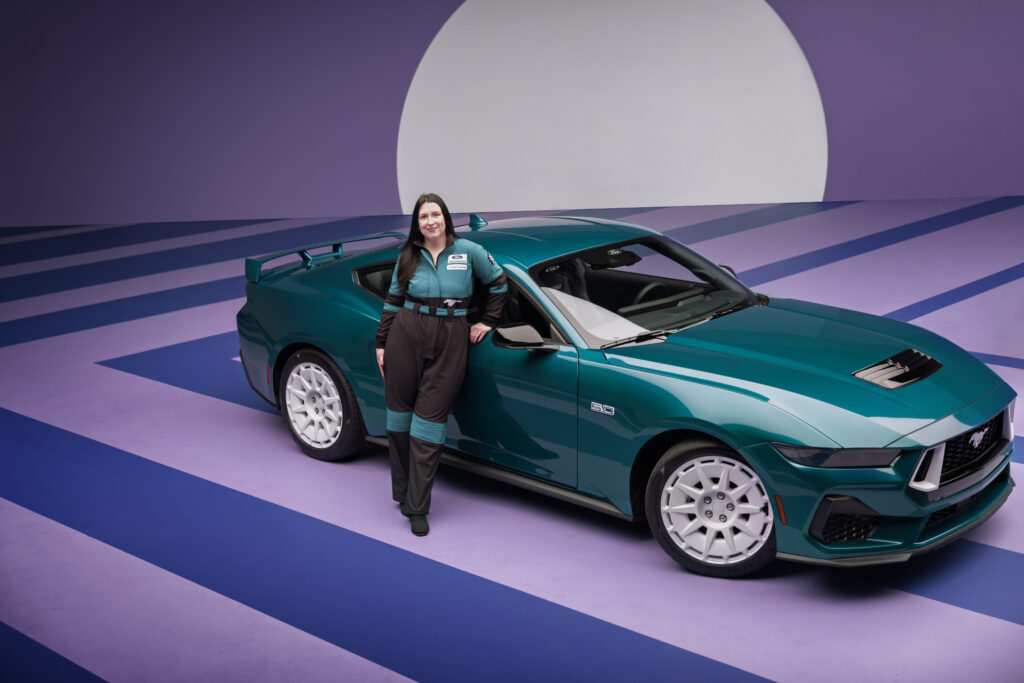
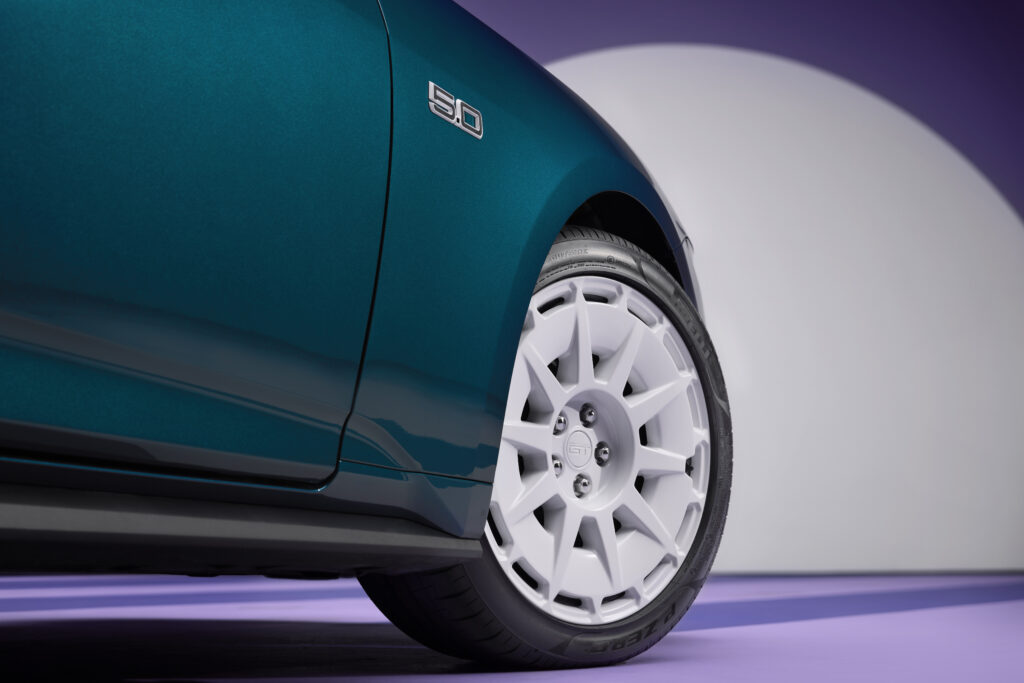
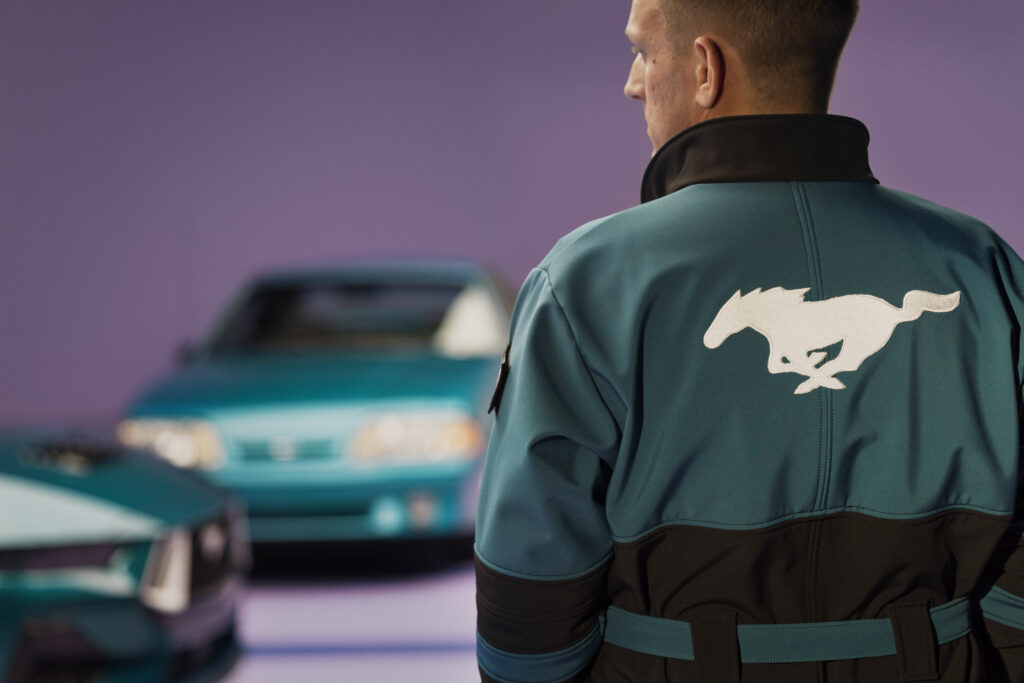
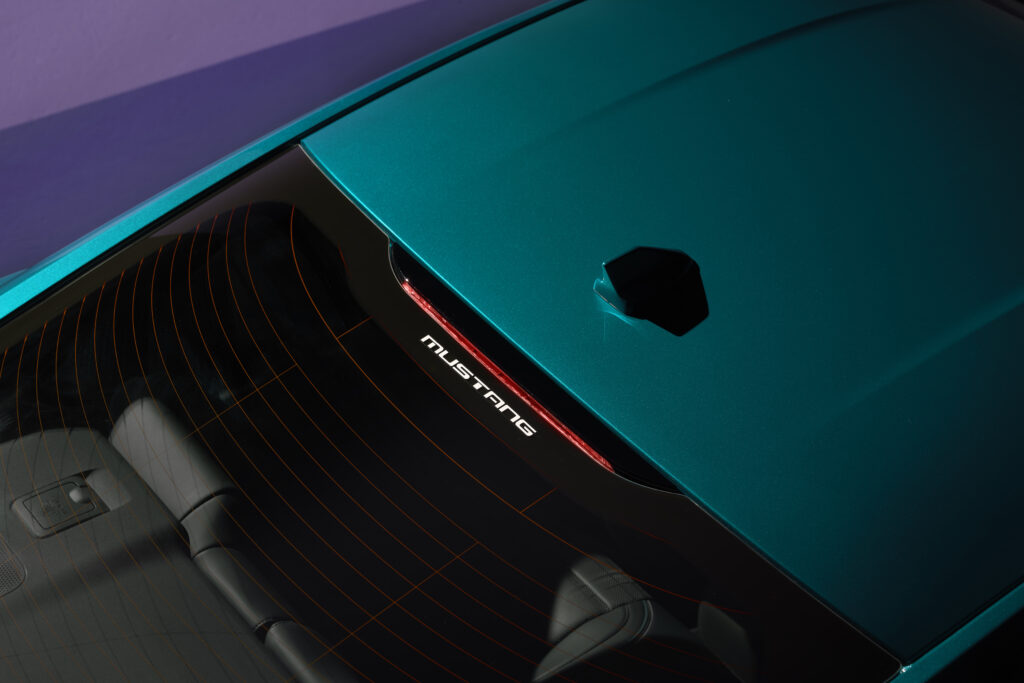
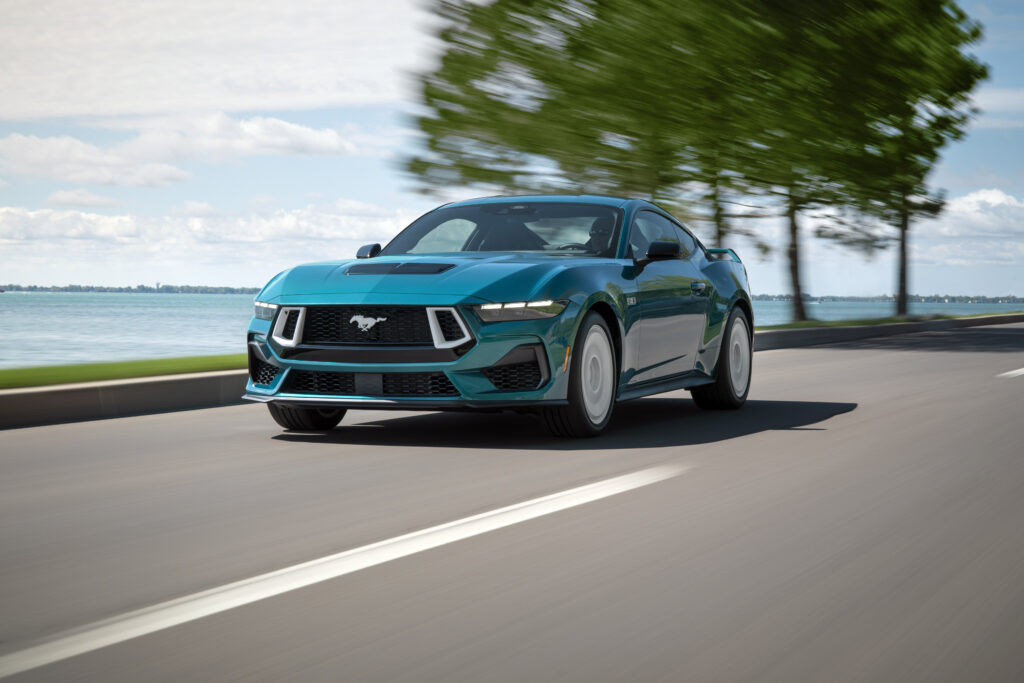
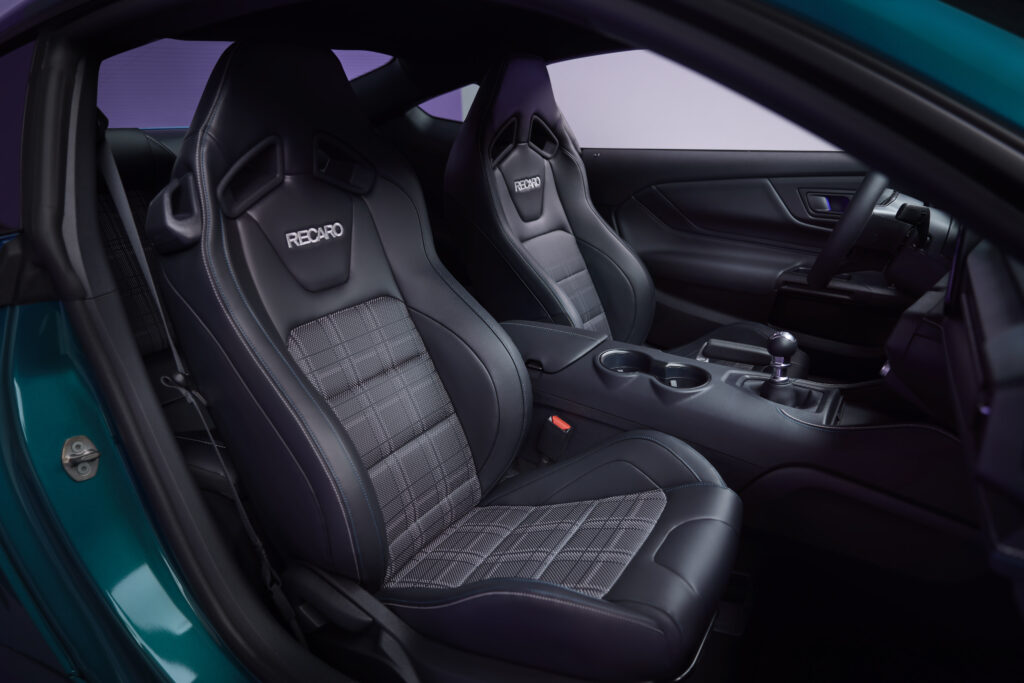
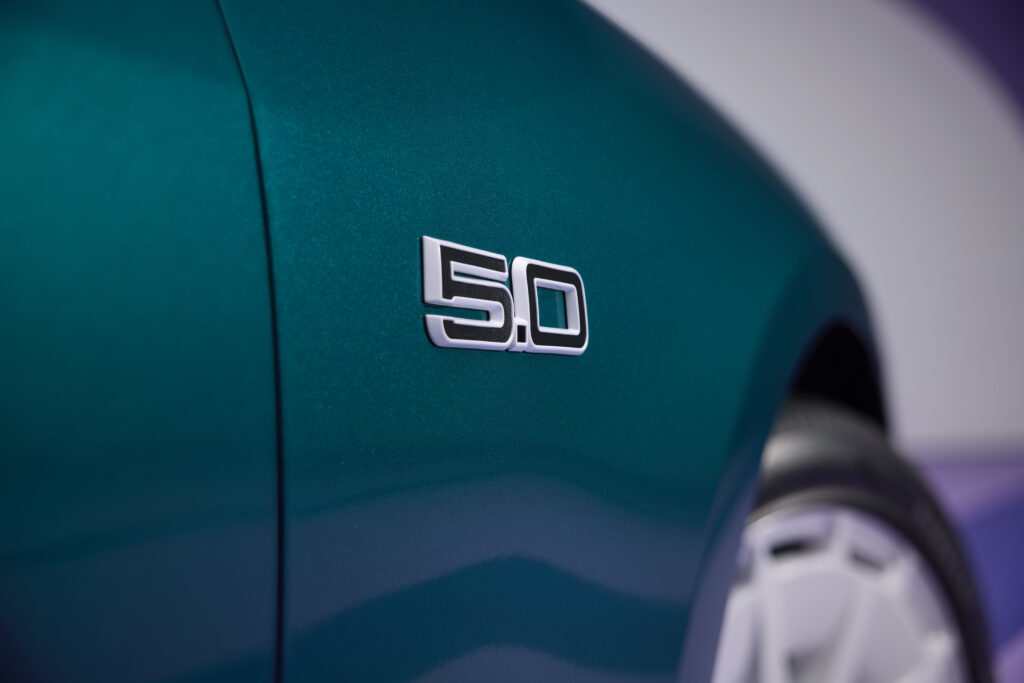
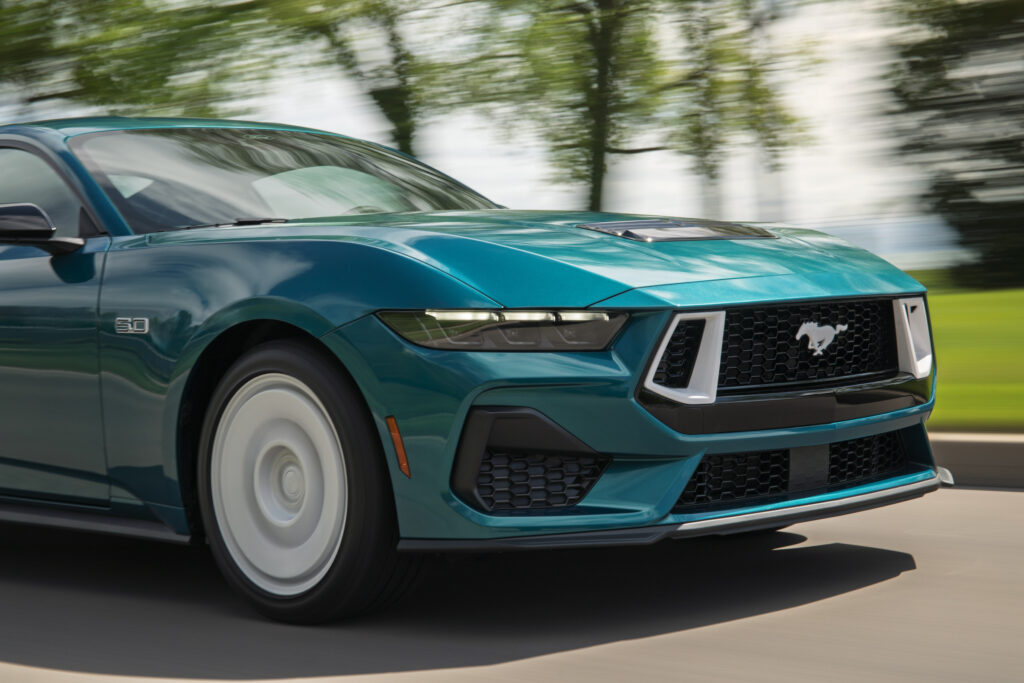
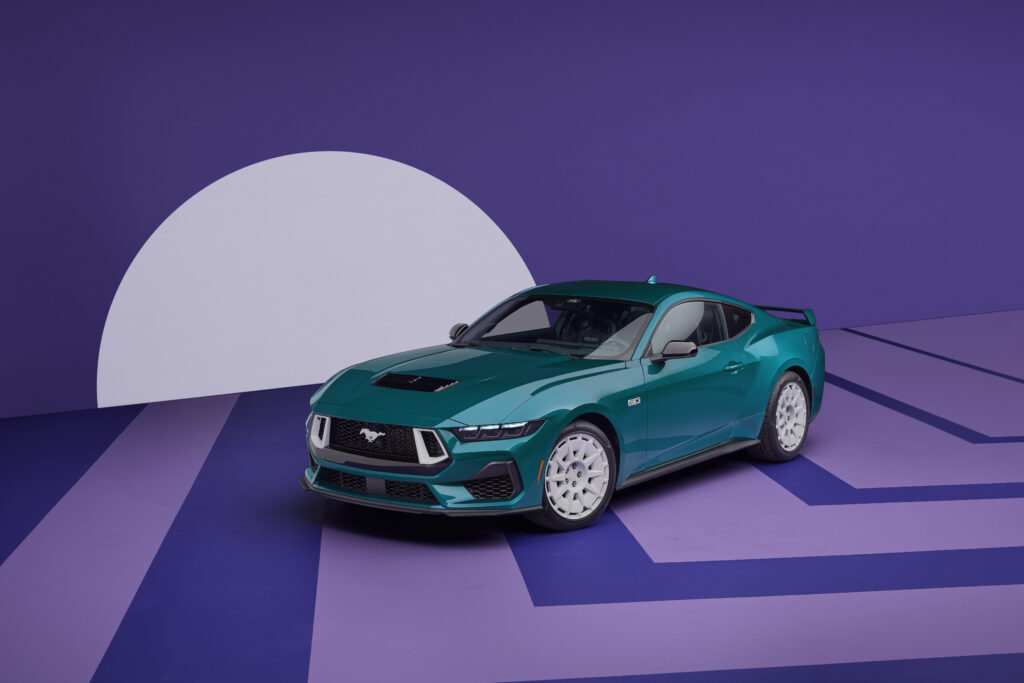
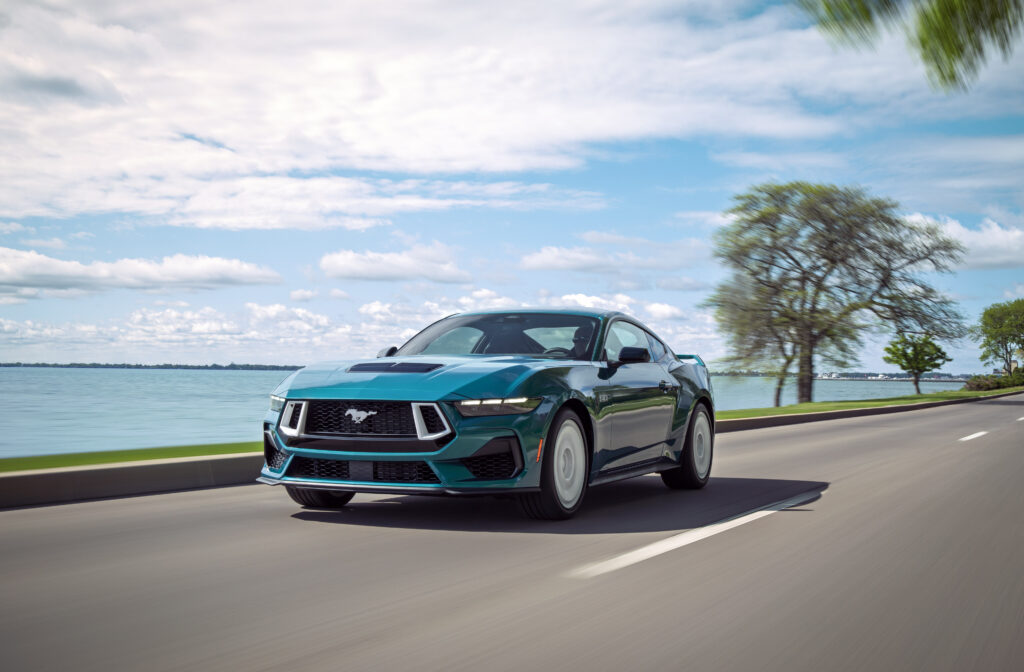
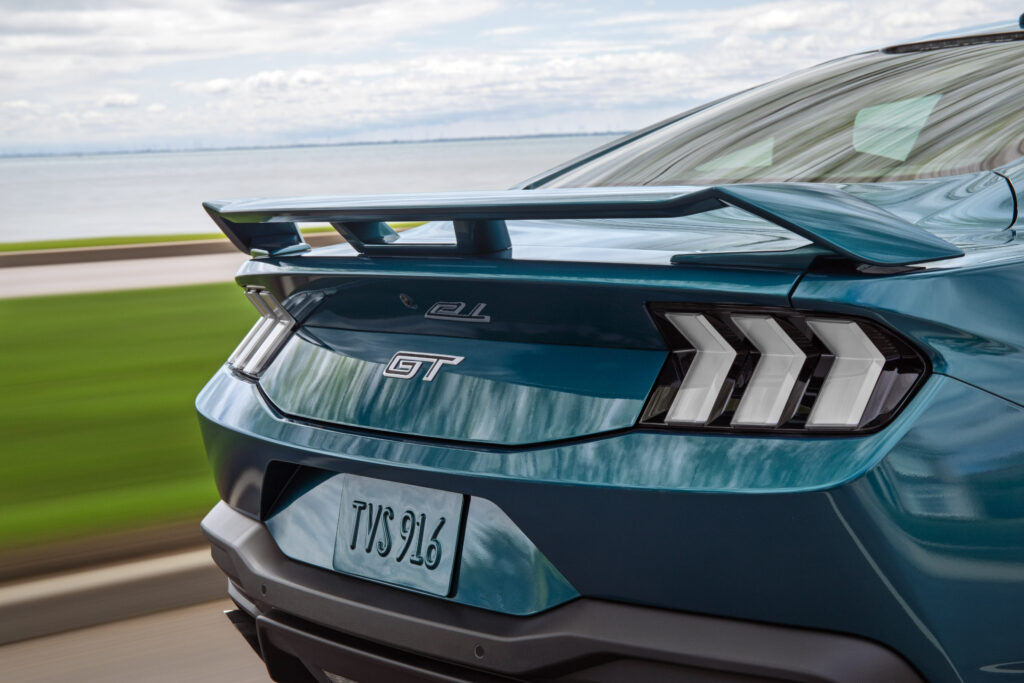
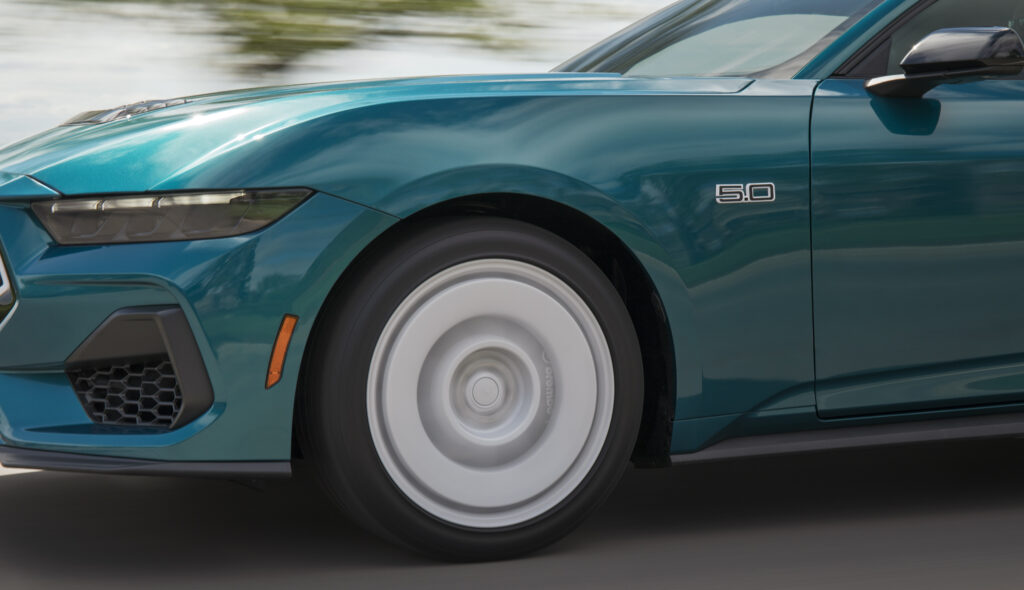
The new Mustang GT-FX feels as inspired by fashion and street culture as it does by automotive history. How much are today’s cars becoming expressions of personal style rather than simply transportation?
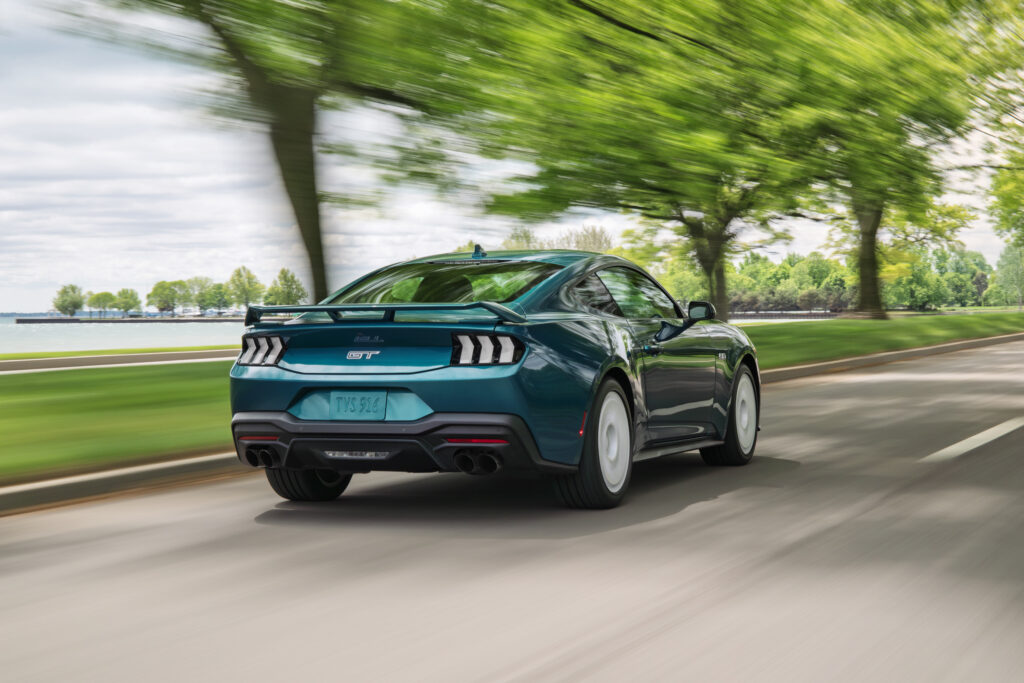
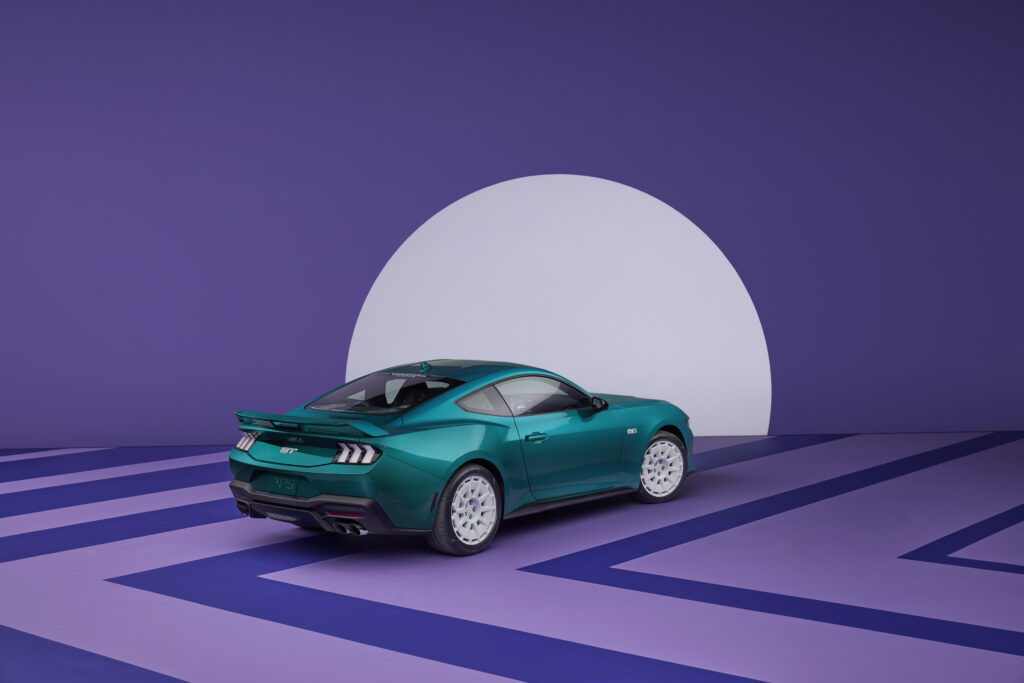
I’m glad that the streetwear inspiration came through in the design. We were very inspired by some of the high-contrast looks, bold colours, and form language of streetwear fashion in the design on the GT-FX Mustang. I think that today’s cars, and especially the Mustang are expressions of personal style. Making a statement is so important for the design of a sports car like the Mustang, and giving the buyer as many choices as possible to have something that stands out and make it their own is key to that.
Retro culture is everywhere right now—from vintage fashion and vinyl to Y2K design and film cameras. Why do you think younger generations are so emotionally drawn to aesthetics from decades they didn’t even personally experience?
I think a big part of the appeal with retro culture is having something inspired by “a simpler time”. The reality of that is less important, but it’s probably just as much about there being something cool about that point in time, especially through the lens of design. There were many iconic, timeless designs in the 80’s and 90’s, and I think the younger generations get the appeal of those, even if they were not around when they were new.
The GT-FX package references the iconic Fox-body Mustang era in such a modern way. How do you strike the balance between nostalgia and making something still feel fresh, relevant, and cool today?
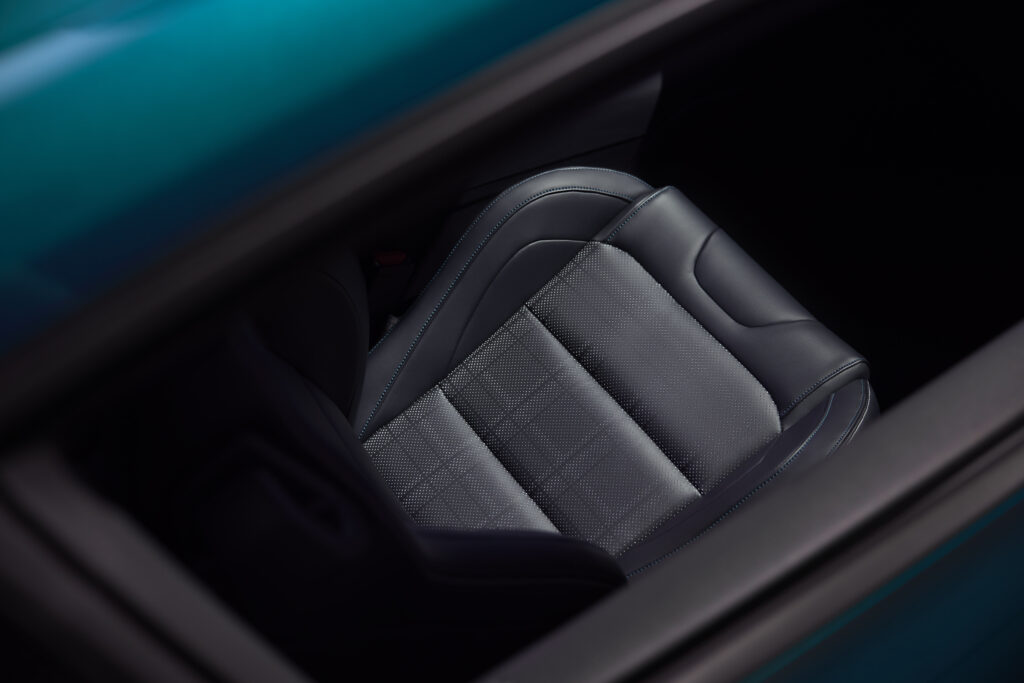
It’s not easy to keep that balance, especially as there are so many fans of the Fox-body era of Mustang design who might have a picture in their mind of what a modern Fox-body should be. We wanted it to still tell the story of what a modern Mustang is today but have some visual inspiration to the Fox-body era of Mustang with GT-FX. For example, we were inspired by the design of some of the fun patterns on seats of 80’s sports cars but we wanted to keep the cooled leather seats available on the modern Mustang, so rather than do it on a fabric seat, we came up with a subtle plaid pattern that shows through in the perforation. It wasn’t about building a brand-new 80’s Mustang, but more about tipping our hat to that era with some references in the design of something for today.
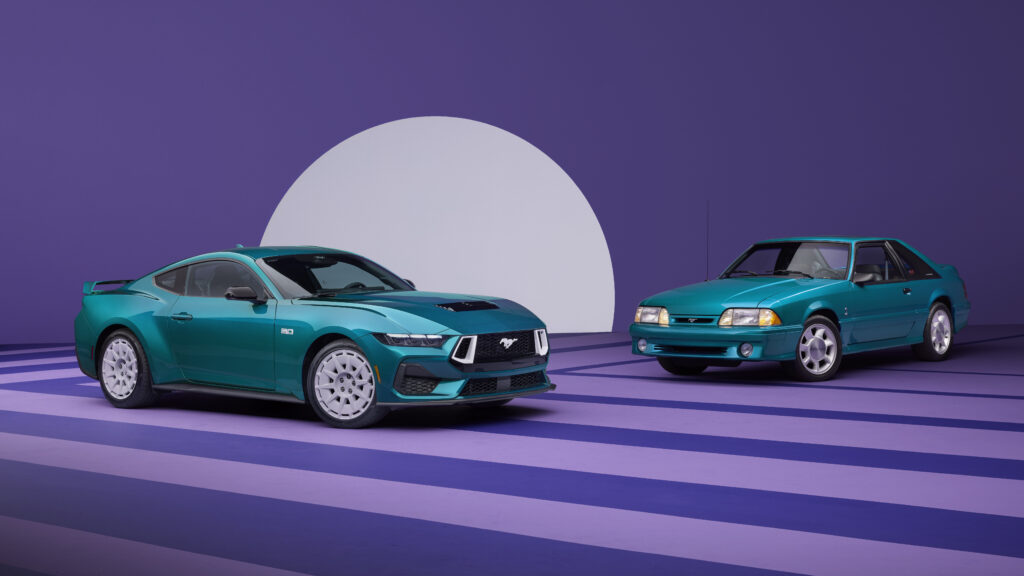
You’ve said a teal 1993 Mustang Cobra helped inspire this design direction. Was there a specific memory, feeling, or moment tied to that car that you wanted people to emotionally feel again through GT-FX?
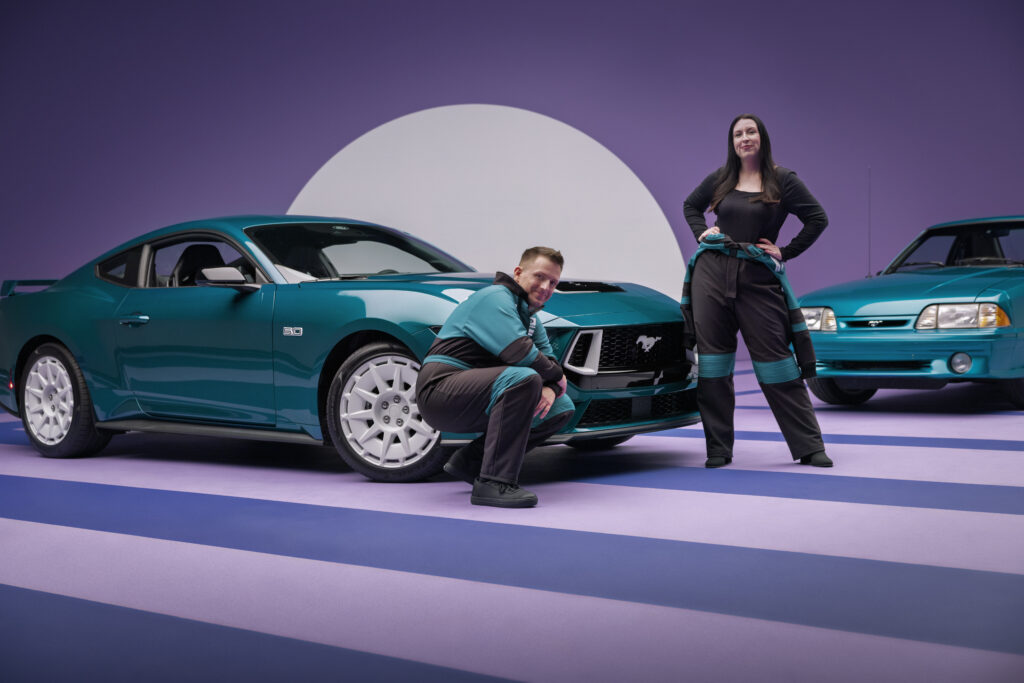
So, I actually had the opportunity to drive the teal 93 Cobra we borrowed from our heritage fleet to use in the press photos. It had been a long time since I had driven a Fox-body and it was amazing how both that car and a modern Mustang GT have that unmistakable V8 Mustang sound. I hope that getting behind the wheel of the GT-FX will give the feel of driving a Fox-body on a warm summer night like I was lucky enough to experience.
Details like plaid leather seating, white tail lamps, and bold badging feel very intentional. Which design detail are you personally most obsessed with—and why?
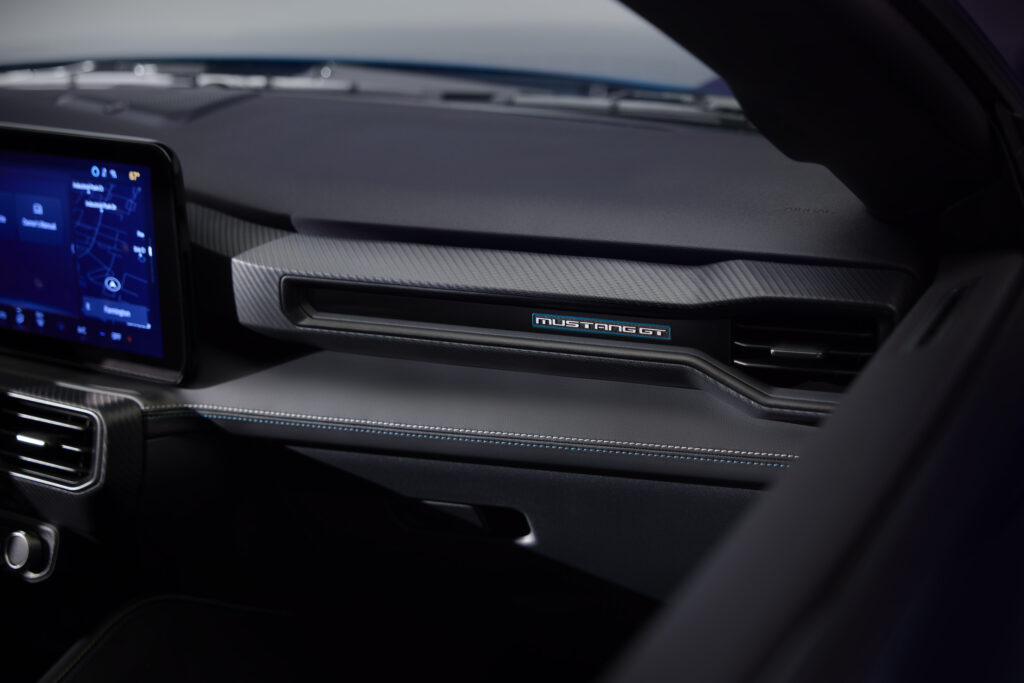
One of my favorite touches we did is also one of the most subtle. The Fox-body Mustang’s had the period Mustang wordmark in the rear quarter windows. We took that era Mustang font and combined it with the modern Mustang font and used it in a couple places- the paint-matched wheel center caps, the dash badge and as a nod to the Fox-body, a subtle logo on the top of the rear window glass. Those, and the period racing-inspired wheels available with Performance Package with the GT-FX are some of my favorite touches.
As both a designer and a Mustang owner who actually tracks your own car, how does being a real enthusiast influence the way you approach creating vehicles for other passionate drivers?
I think tracking my Mustang and being a car enthusiast has influenced a lot of aspects of helping to create new cars. One of the most impactful things is it allows me to interact with people who are very passionate about the cars we create. Having that personal connection really allows me to understand how we can make something special for them and how they are going to use their car. The car community has so many different niches, and getting out there and experiencing as many as I can and interacting with fellow car enthusiasts makes me a better designer.
Mustang has survived for more than six decades while still feeling culturally relevant. What do legacy brands need to understand about modern consumers if they want heritage to feel exciting instead of dated?
In my opinion, one of the things that has continued to help Mustang stay relevant to consumers is that we are not just offering a fun sports car, but the ability to be part of a community when you get one. There are also so many enthusiasts of the brand, Mustang clubs, car shows, track days and events to connect with other owners and use your car for something more than just the daily commute. When you have a history like Mustang does, it is important to look back and forward at the same time when you are designing something new.
There’s a saying that Mustang lovers and the Ford family knows well – and it’s “Everyone has a Mustang Story”. Because whether it’s a childhood memory or the first time you hear that unmistakable V8, a love of Mustang is a core part of many people’s identity. We’re actually asking Canadians to share their Mustang stories with us this summer in celebration of Mustang’s 62nd anniversary. These stories mean so much to us as a brand and we love hearing how Mustang has helped to shape family legacies and memories.
share:

May 28th, 2026 at 3:12 am
Need to prioritize affordable cars… ’64 Mustang was affordable to middle class America. Shouldn’t have to take out loan for 84 months to buy a car.
June 1st, 2026 at 3:16 am
Your blog post was a valuable resource for anyone seeking practical advice on the topic.
June 1st, 2026 at 2:58 pm
Where do I send my Mustang stories? I have a great story about the lovely dashboard.
June 10th, 2026 at 5:01 am
This look inside the Mustang GT-FX design process makes me appreciate Ford’s attention to detail so much more. Combining modern V8 power with retro elements like the plaid seats and Adriatic Blue teal paint is an absolute masterclass in car nostalgia!
Excellent insights shared in this article. The natural stone industry is growing rapidly, and choosing the right supplier makes a huge difference. While evaluating options for an Indian Granite Supplier in India I found Tripura Stones to stand out because of their quality standards, timely delivery, and extensive granite collection. Looking forward to seeing more informative content like this.