
Somewhere along the way, life became a constant performance of wanting.
Another notification. Another package arriving at the door. Another episode automatically queued up before we’ve had a chance to ask whether we even wanted to keep watching. Another scroll, swipe, click, refresh.
We’ve become experts at chasing tiny hits of novelty. And yet many of us have never felt more distracted, depleted, or disconnected from our own lives.
Enter the low-dopamine life.
Despite the name, it’s not about eliminating pleasure or depriving yourself of joy. Dopamine, after all, isn’t the “happiness hormone” it’s often made out to be—it’s a neurotransmitter involved in motivation, anticipation, and reward. In our modern world, where endless stimulation is available at the tap of a screen, many experts believe we’re living in a near-constant state of seeking the next hit.
The result? The ordinary pleasures of life can start to feel muted.
A low-dopamine lifestyle isn’t about punishment. It’s about recalibration.
It’s asking: What if less stimulation allowed us to experience more?
Start the day without your phone.
Before checking email, Instagram, Slack, texts, headlines and group chats, try spending the first 20 to 30 minutes of the day elsewhere.
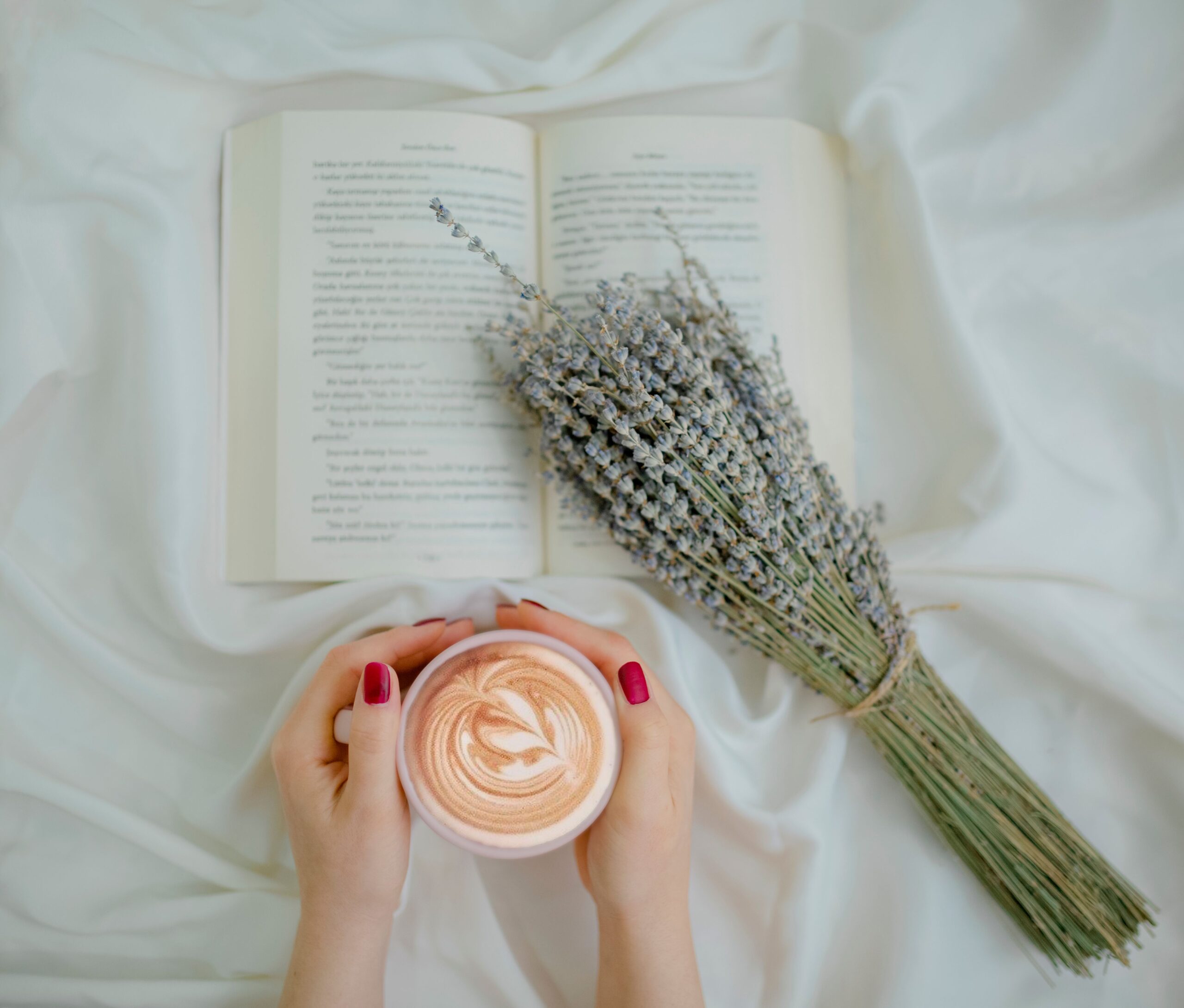
Open a window. Make coffee. Stretch. Read a few pages of a book. Sit outside.
When we begin the day by consuming everyone else’s priorities, we lose touch with our own.
Embrace single-tasking.
Our brains were never designed to answer emails while listening to a podcast while half-watching television while ordering groceries online.
Do one thing at a time.
Eat lunch without scrolling. Walk without headphones occasionally. Fold laundry without simultaneously watching TikToks.
Boredom isn’t a problem to solve. It’s often where creativity lives.
Curate your digital environment.
You don’t have to abandon technology entirely.
But you can be more intentional about it.
Turn off non-essential notifications. Move social media apps off your home screen. Unfollow accounts that make you feel anxious, inadequate, or overstimulated. Create friction between yourself and mindless habits.
Convenience isn’t always freedom.
Rediscover analogue pleasures.
One of the quickest ways to reset your nervous system is to return to activities that unfold at human speed.
Gardening. Baking bread. Knitting. Hot yoga. Puzzles. Painting. Reading physical books. Writing letters. Playing cards.
These pursuits don’t offer instant gratification. They ask for patience. Presence. Participation.
And they often reward us with a quieter kind of satisfaction.
Practice enoughness.
A low-dopamine life isn’t minimalist perfection.
It’s noticing when the pursuit of “more” is preventing you from enjoying what already exists.
The outfit you own. The dinner on the table. The friend sitting across from you. The walk around your neighbourhood. The body carrying you through your day.
Not every moment needs to be optimized.
Not every experience needs to be documented.
Not every desire needs to be acted upon.
Protect spaces where nothing happens.
Leave white space in your calendar.
Resist the urge to fill every pause with content.
Drive without music occasionally. Stand in line without reaching for your phone. Sit on the patio after dinner without multitasking.
It can feel uncomfortable at first.
Then it begins to feel like relief.
Because perhaps the greatest luxury in 2026 isn’t access.
It’s attention.
A low-dopamine life isn’t smaller. It’s richer. It asks us to trade constant stimulation for genuine engagement, novelty for depth, urgency for intention.
In doing so, we may discover that the moments we remember most were never the loudest ones.
They were the quiet rituals: morning coffee before the world woke up. The dog walk. The conversation that lingered. The yoga class where everyone breathed in unison. The feeling of sunlight on your face as you looked up long enough to notice it.
The good life, it turns out, may not be found in chasing the next hit.
It may be waiting patiently in the ordinary moments we’ve been too distracted to fully inhabit. —Noa Nichol
share:

Be the first to comment