
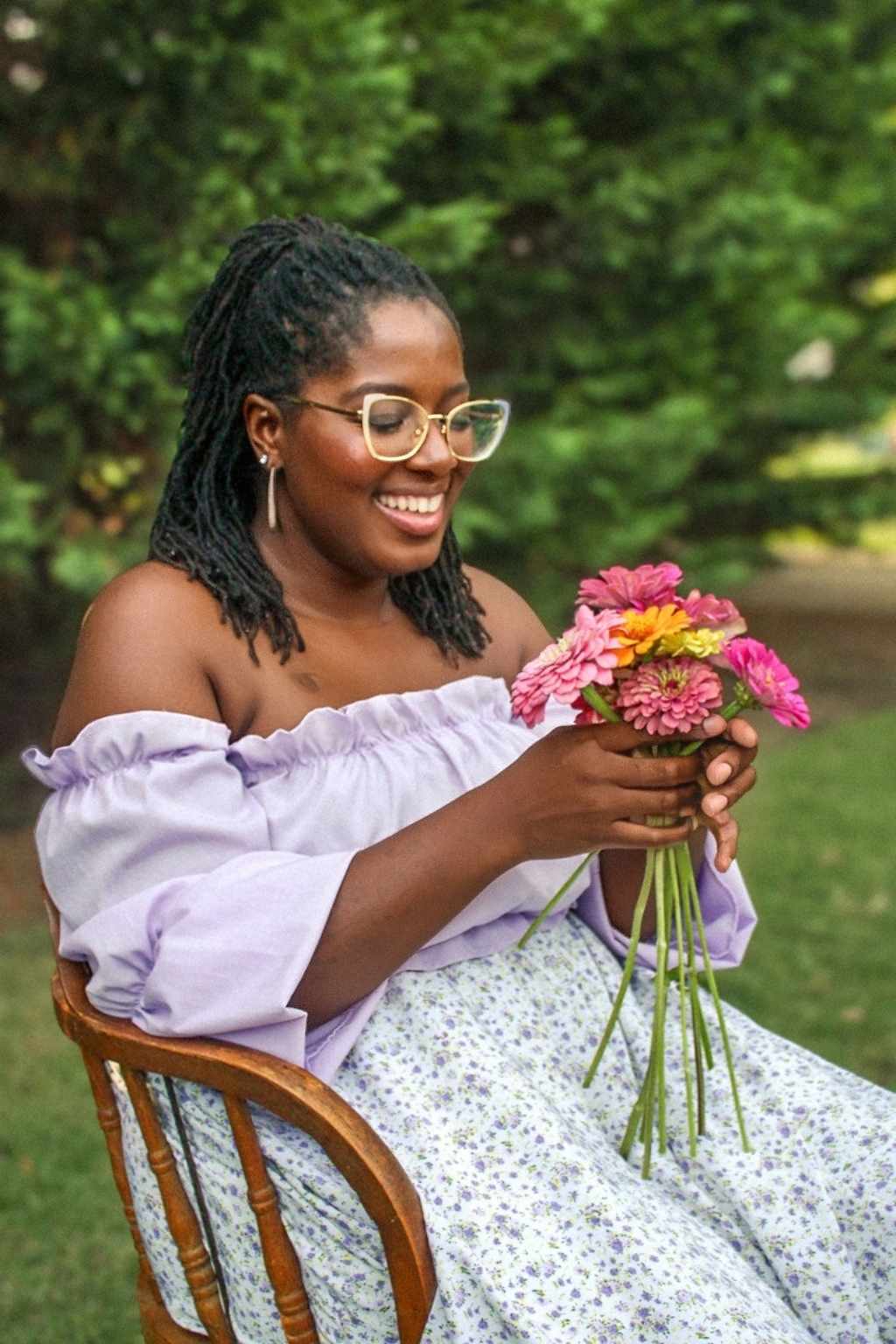
What happens when four creative women decide to plan a road trip in real time—with no script, no roadmap, and no guarantee of what they’ll discover along the way?
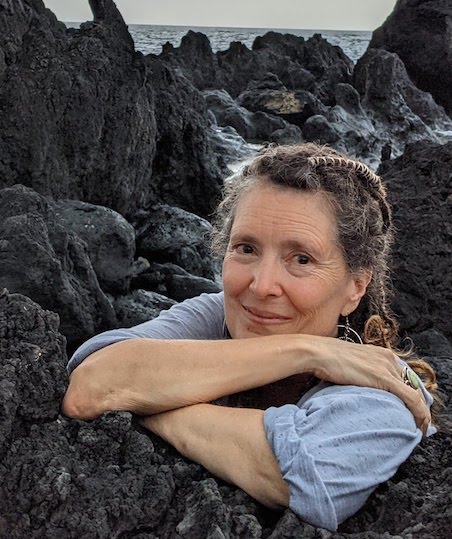
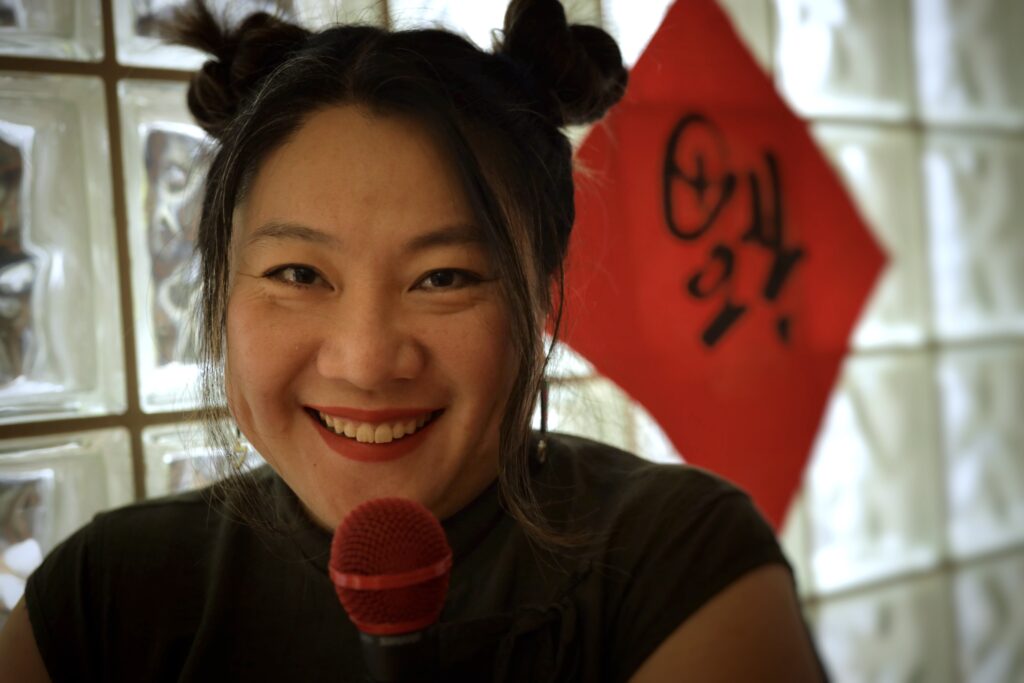
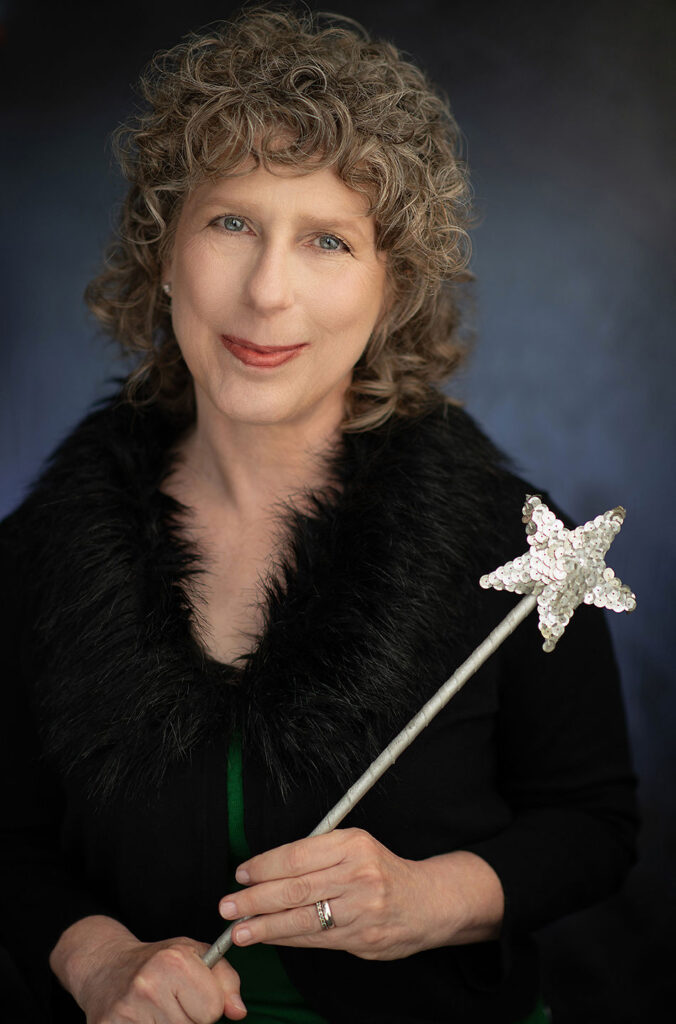
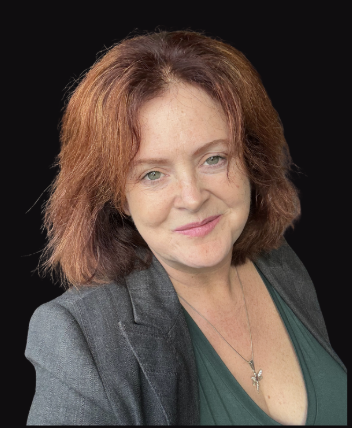
That’s the premise behind Social Installations: The Road Trip, a new reality-based docuseries and podcast that follows four female creatives as they travel from Vancouver through the Okanagan and into the Kootenays, using art, curiosity, and human connection as their guide.
Created by writer, performance artist, and PhD student in creativity studies Danika Dinsmore, the project brings together Dinsmore, award-winning actor and filmmaker Lori Watt, film editor and puppeteer Mauri Bernstein, and comedian and filmmaker Scarlet Chen for a journey that’s less about the destination and more about what happens when people embrace uncertainty. Along the way, each woman creates a public “social installation”—a creative act designed to invite strangers into the experience.
“The invitation was simple: choose a place, make something public, and welcome people in,” says Dinsmore. “None of us knew how it would unfold, and taking that leap together was the whole point.”
In a culture obsessed with productivity, optimization, and measurable outcomes, Social Installations asks a different question: What if creativity isn’t about the finished product at all?
Dinsmore believes we’ve become too focused on what creativity produces rather than what it transforms.
“Everyone is creative, and the vast majority of that creativity is unseen and uncelebrated,” she says. “I think uncertainty should be the inspiration for creativity, not an obstacle to it. Curiosity requires playing in the not-knowing to create the conditions for something real to emerge.”
Of course, embracing uncertainty sounds romantic—until you’re actually doing it.
After launching the project, Dinsmore admits she experienced the familiar wave of panic that often accompanies bold creative risks.
“I call it the Ready-Fire-Aim method,” she laughs. “I leap enthusiastically into a new medium or untested territory, and then once I’ve committed, the self-doubt arrives. I spiral into an emotional panic where I wonder what the hell I was thinking.” Yet she has learned to trust that process. “Even if a project isn’t realized the way I originally imagined, the ability to take a risk and remain curious will take us somewhere.”
That willingness to embrace the unknown is what drew co-producer Praxie Osong to the project in the first place.
“Danika’s focus was on the process—the inner workings, the hard and sometimes not-so-fun parts,” says Osong. “We’re about to be overtaken by automation, so I’ll choose to sit in the unrefined creative process that can only come from people and human connections.”
The road trip also serves as a celebration of midlife creativity—a stage of life often portrayed as a time of certainty rather than reinvention.
For Lori Watt, that’s exactly why the project resonated.
“I believe that when you conspire to do something playful and spontaneous, people show up to help in ways that can be beyond your wildest imaginings,” she says. “Every day since the podcast launch, people have stepped up to help us along the way.”
As for the notion that middle age should come with all the answers?
“The only thing I am certain of is that change is constant and we are here for a finite amount of time,” Watt says. “There is a freedom in knowing that.”
For Bernstein, whose creative career spans filmmaking, performance, puppetry, and improvisation, the collaborative nature of the project felt surprisingly familiar.
“Some of the best parts of the show are those elements or moments that were authentically generated in the collaboration,” she says. “Much of the public influence remains to be discovered.”
Meanwhile, comedian Scarlet Chen found the experience unexpectedly transformative.
As both a stand-up comic and an ESL speaker, Chen had been challenging herself to become more comfortable speaking without a script.
“I wanted to get comfortable not knowing exactly what I was going to say in advance,” she explains. “This project became a kind of safe space for me to practice that, and to really embrace uncertainty.”
The confidence she gained extended beyond the podcast itself, helping her feel more relaxed during interviews and public appearances tied to her solo show Citizen Chen.
Perhaps the greatest lesson from the journey wasn’t found on a mountain pass or at a roadside stop, but in a small moment of reflection. Chen recalls hearing another participant refer to her creative mission as “my little project” and suddenly recognizing how often women minimize their ambitions.
“It made me realize how often women downplay their work or dreams by making them sound small,” she says. “It felt very subtle but also very accurate.”
At its heart, Social Installations: The Road Trip isn’t really about a road trip at all. It’s about slowing down long enough to notice what’s possible when people gather around an idea without knowing exactly where it will lead.
Or, as Osong puts it: “If we just look up and reach out, we may find there is so much more that connects us if we’re willing to take a drive with someone and see the world through someone else’s eyes.”
In an age of algorithms, schedules, and carefully curated lives, that may be the most radical creative act of all. —Noa Nichol
share:

Be the first to comment