
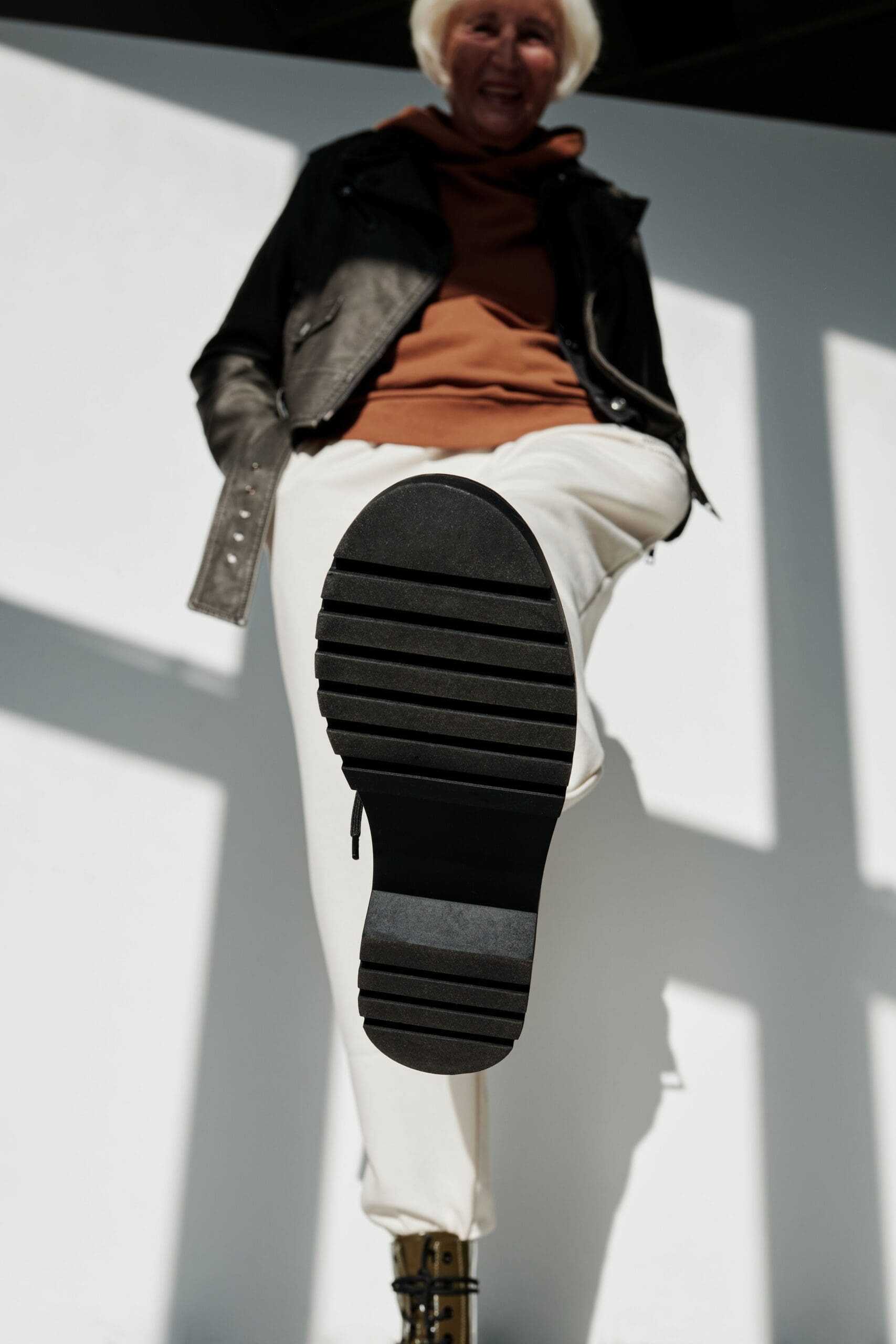
Walk onto almost any job site, warehouse floor, or hospital wing today and you’ll notice something the old-timers didn’t grow up with. The footwear no longer looks like footwear built to punish you. It looks like it belongs at the gym.
Sneaker-style work boots, sometimes called athletic work shoes or hybrid safety shoes, have quietly become one of the fastest-moving corners of the work-footwear world. They pair the protection of a traditional boot with the silhouette, cushioning, and weight of a running shoe. For a lot of workers, that trade used to feel impossible. Now it’s the default.
Here’s why the shift is happening, and what it actually means for the people spending ten hours a day on their feet.
The Job Changed, So The Boot Changed
The classic work boot was designed for a classic job: heavy construction, logging, oil fields, the kind of work where a falling beam was a real daily risk. That boot needed to be a fortress, and it was heavy because heavy meant safe.
But the modern working world looks different. A huge share of physically demanding jobs now happen in distribution centers, delivery routes, food service, light manufacturing, and healthcare. The hazard profile shifted from crush injuries toward slips, long-distance walking, and the slow grind of standing on concrete.
Footwear followed the work. When the primary enemy becomes fatigue rather than falling steel, a lighter, more flexible shoe with real cushioning starts to make more sense than a stiff leather boot.
Comfort Stopped Being Optional
For decades, comfort was treated as a luxury you sacrificed for safety. Workers assumed sore feet and aching backs were just part of the deal.
That assumption has eroded. As athletic footwear technology matured, people started asking a reasonable question: if a running shoe can cushion thousands of steps, why can’t a work shoe do the same?
Manufacturers answered by borrowing directly from the sneaker world. Foam midsoles, breathable knit or mesh uppers, and molded footbeds migrated straight into safety footwear. The result is a shoe that supports a full shift instead of surviving one.
Safety Didn’t Get Left Behind
The natural worry is that a shoe this comfortable must be cutting corners on protection. In practice, that’s usually not the case.
Modern safety footwear in the United States is generally built to meet recognized performance standards for impact and compression resistance, and many sneaker-style options carry the same certifications as their bulkier cousins. The U.S. Occupational Safety and Health Administration requires protective footwear wherever there’s a real risk of foot injury, and a lightweight silhouette doesn’t exempt a shoe from meeting that bar. You can read OSHA’s foot protection requirements directly at osha.gov.
The enabling technology here is the composite safety toe. Instead of steel, these caps use materials like carbon fiber, fiberglass, or Kevlar to meet protective standards at a fraction of the weight. That single innovation is a big reason the athletic silhouette became possible without gutting the safety rating.
The Line Between Work And Life Blurred
There’s also a cultural piece, and it’s bigger than it sounds. People increasingly want gear that works everywhere, not just on the clock.
A traditional work boot announces itself. You wear it to the site, then change out of it before doing anything else. A sneaker-style work shoe doesn’t demand that separation. It looks at home on a commute, a grocery run, or picking up the kids.
That versatility matters to a workforce that no longer wants a rigid wall between the workday and everything around it. When one pair of shoes covers the shift and the errands after it, the value proposition gets obvious fast. There’s also an economic layer: fewer shoes to buy, and no single-use pair wearing out under constant demand. For someone buying work gear on a modest budget, that adds up.
What To Look For If You’re Switching
If you’re considering the move, the good news is that the category has matured well past gimmick territory. The bad news is that “looks like a sneaker” alone tells you nothing about whether a shoe will protect you.
Start with the safety rating. Confirm the shoe actually meets the protective standard your job requires, whether that’s a composite toe, electrical hazard protection, or slip resistance rated for your specific floor surface. A comfortable shoe that fails an inspection helps no one.
Then weigh the shoe against your real hazards. A warehouse picker walking miles of concrete has very different needs than someone occasionally near heavy equipment, and the right hybrid shoe reflects that. That combination is exactly what a category of sneaker-style work boots is built around, and it’s a useful reference point for what the modern version of the trade shoe actually offers.
Finally, respect break-in and fit. Athletic-style shoes tend to feel good out of the box, but a snug, secure fit still matters more than first-day comfort, especially if you’re on your feet for long stretches.
Why The Trend Has Staying Power
It would be easy to write this off as a passing style cycle, but the underlying drivers aren’t cosmetic. The nature of physical work is genuinely changing, and the tools that support it are changing with it.
Lighter materials keep improving. Cushioning keeps getting smarter. And workers, having felt the difference, are unlikely to volunteer to go back to shoes that treat comfort as a weakness. That’s not just preference, it’s expectation. Once a workforce has experienced what better protection with better comfort actually feels like, the old standard starts looking backwards.
The old logic said protection and comfort were a trade-off, that you picked one and paid for it with the other. Sneaker-style work boots exist because that trade-off turned out to be mostly a myth. For anyone who spends their day standing, walking, and lifting, that’s not a trend. That’s a long-overdue correction.
If your feet hurt at the end of every shift, it may be worth asking whether your footwear is fighting the modern job or actually built for it. More and more workers are deciding they don’t have to choose.
share:

Be the first to comment