
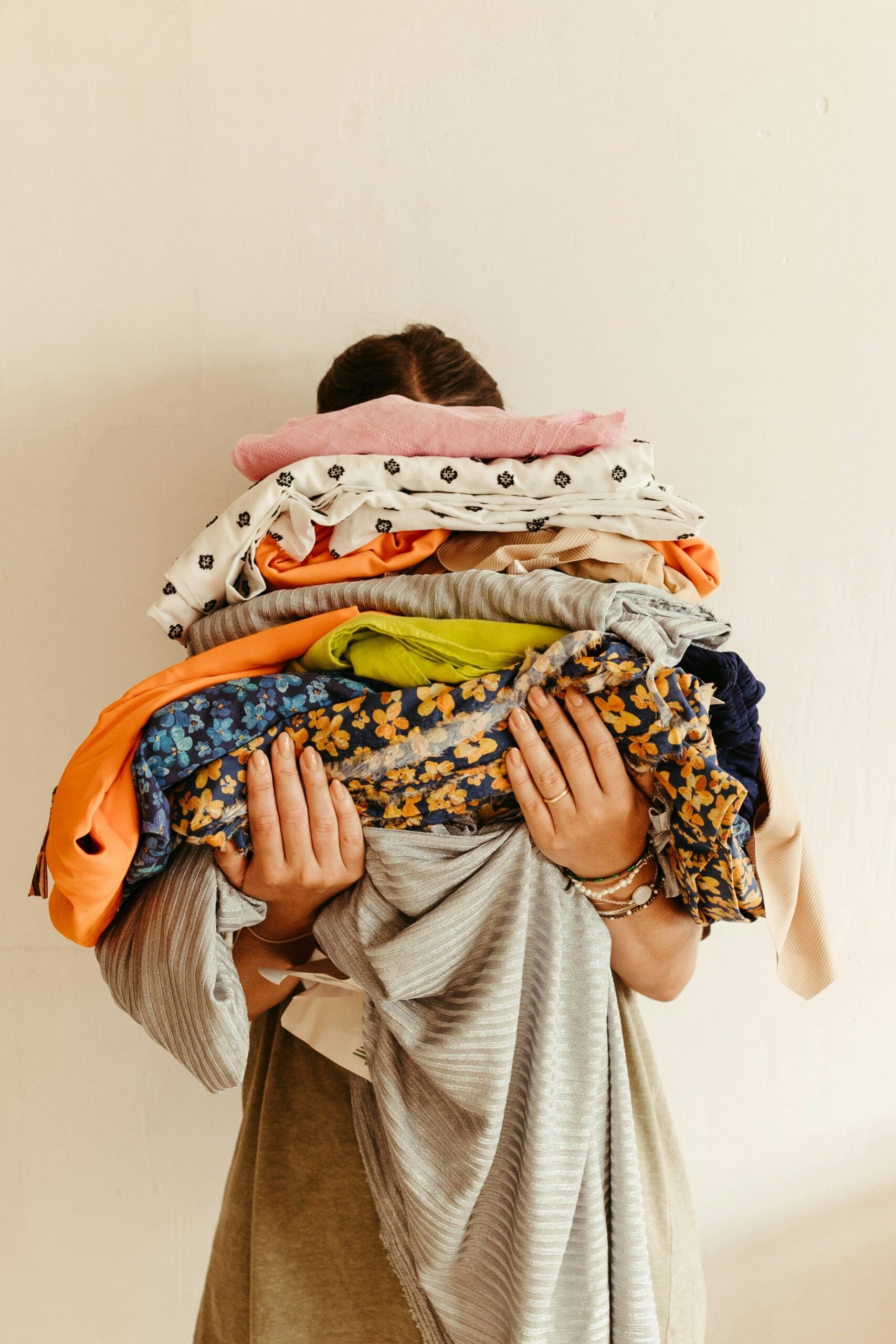
Laundry does not ruin clothes because a household is careless. It ruins clothes when every load is treated the same. Busy homes often wash by urgency. School clothes, work shirts, towels, activewear, bedding, delicates, and stained items all compete for the next cycle. That shortcut is where fading, shrinking, dull whites, trapped odors, and fabric wear begin.
Better fabric care is not a longer routine. It is a smarter filter before washing. For households that want fewer laundry mistakes without adding clutter, essentials such as the Laundress detergent, stain care, and fabric-specific products can help tailor the wash to the garment rather than treating every basket as the same problem.
One Load Is Rarely One Problem
The fastest laundry habit is to sort by color, choose the usual cycle, add detergent, and move on. That works for some loads, but it is not a reliable fabric-care system.
A heavy towel, silk blouse, wool sweater, cotton T-shirt, and pair of dark jeans do not need the same agitation, heat, detergent, or drying time. When everything gets the same treatment, vulnerable items absorb the damage first. The better question is not only whether something is dirty. The better question is whether it can survive the way it is about to be washed.
Read the Label Before the Machine Decides
Care labels are the first guardrail. The American Cleaning Institute laundry guidance recommends sorting clothes by color, fabric type, soil level, and washing instructions before choosing a detergent and cycle.
In busy homes, the basic step is often the first one skipped. The care label tells you what the garment can tolerate before heat, agitation, or drying makes the decision for you. Reading it takes seconds. Replacing a damaged garment costs more.
Use the Right Amount of Detergent
More detergent does not automatically mean cleaner clothes. It can leave residue, make fabrics feel stiff, and create extra rinsing.
The American Cleaning Institute notes that too much or too little detergent can leave clothes less clean than using the correct amount. That matters in high-efficiency machines because they use less water than older washers. Too much product can interfere with rinsing and leave fabrics carrying buildup.
Busy households should make measuring part of the routine. Guessing from the cap works until the load size, soil level, or machine type changes.
Build a Small Laundry Toolkit
A useful fabric-care setup does not need to take over the laundry area. It only needs to cover the loads most likely to cause problems. For many homes, that means everyday detergent, stain treatment, delicate wash, a mesh bag, and one or two specialty products based on the wardrobe. The point is not to own more products. The point is to stop using the wrong product on the wrong fabric. A good system should reduce decisions. If it creates ten new steps for every load, it will collapse by Tuesday.
Everyday Loads
Everyday detergent should handle regular clothing, sheets, and lightly soiled household laundry. This is the default product for loads that do not need special treatment. Do not overload the washer. Do not mix lint-heavy towels with dark clothing. Do not assume every load needs hot water. Do not use the same cycle for bedding, gym clothes, cotton shirts, and delicate tops just because they fit in the drum.
The machine can wash the clothes. It cannot judge the load for you.
Stains
Stain care earns its place because timing matters. Food, oil, coffee, makeup, grass, and baby-related stains become harder to remove when they sit in a hamper for days. Pre-treating before laundry day gives detergent a better chance to work without relying on harsher cycles later.
This is not a luxury step. It is the difference between saving a garment and quietly demoting it to home-only status. For busy households, the win is acting before the stain becomes part of the fabric story.
Delicates and Knitwear
Delicates fail through friction, stretching, and the wrong cycle. Mesh bags, lower agitation, cooler water, and a suitable wash product reduce that risk.
Sweaters, scarves, and knitwear should not be washed like cotton T-shirts. They can lose shape, shrink, or develop surface wear when handled carelessly. A fabric-specific product makes sense when the household owns garments that cost more to replace than to maintain.
Use Temperature With Intention
Hot water has a place, especially for heavily soiled laundry, some linens, and loads where hygiene is the priority. It should not be the automatic setting for every basket. Heat can accelerate fading, shrinkage, and fabric wear.
The ENERGY STAR clothes washer guidance reports that the average American family washes about 300 loads of laundry each year. ENERGY STAR certified washers use about 20 percent less energy and 30 percent less water than regular washers. Laundry is not occasional. Small choices repeat hundreds of times. Cooler water is not right for every load. It is a strong default when the care label, soil level, and fabric allow it.
Stop Overloading the Washer
Clothes need room to move so water and detergent can reach the fabric. When the drum is packed too tightly, detergent distribution weakens, rinsing suffers, and friction increases. That can leave clothes less clean and more worn after the wash.
A full load is useful. A stuffed load is false economy. If the household keeps rewashing items because they still smell, feel soapy, or show residue, the washer may not be the problem. The load size may be.
Do Not Let the Dryer Undo the Wash
Many garments survive the wash and lose the war in the dryer. High heat, long cycles, and over-drying can shrink fibers, weaken elastic, set stains, and fade colors. The goal is not to air-dry everything. The goal is to stop using maximum heat as the default answer.
Drying should match the fabric. Sweaters, activewear, bras, and delicate tops often last longer when laid flat or hung carefully. Towels and bedding can usually handle more drying, but even those should not be cooked longer than necessary.
Better Laundry Habits Reduce Waste
Clothing damage is also a waste issue. The EPA textile waste data reports that 17 million tons of textiles were generated in the United States in 2018. Preventable fading, shrinking, staining, and fabric damage turn wearable clothes into waste earlier than necessary.
The most sustainable garment is usually the one already owned and still useful. Better laundry habits help keep it that way. This does not require perfection. It requires fewer careless defaults to be repeated throughout the year.
Wash by fabric risk. Treat stains early. Avoid overloading. Use the right detergent amount. Choose cooler water when suitable. Dry with restraint.
A Routine Busy Households Can Keep
The best fabric-care routine is the one a household can repeat when tired. Keep detergent, stain treatment, and mesh bags where they are easy to reach.
Busy households do not need laundry perfection. They need fewer bad defaults. When detergent, temperature, stain care, sorting, and drying work together, clothes stay cleaner, last longer, and need less rescuing after the fact. That is the value of fabric care. Not a fancier laundry day, but a household system that stops quietly wearing out the clothes it depends on.
share:

Be the first to comment