
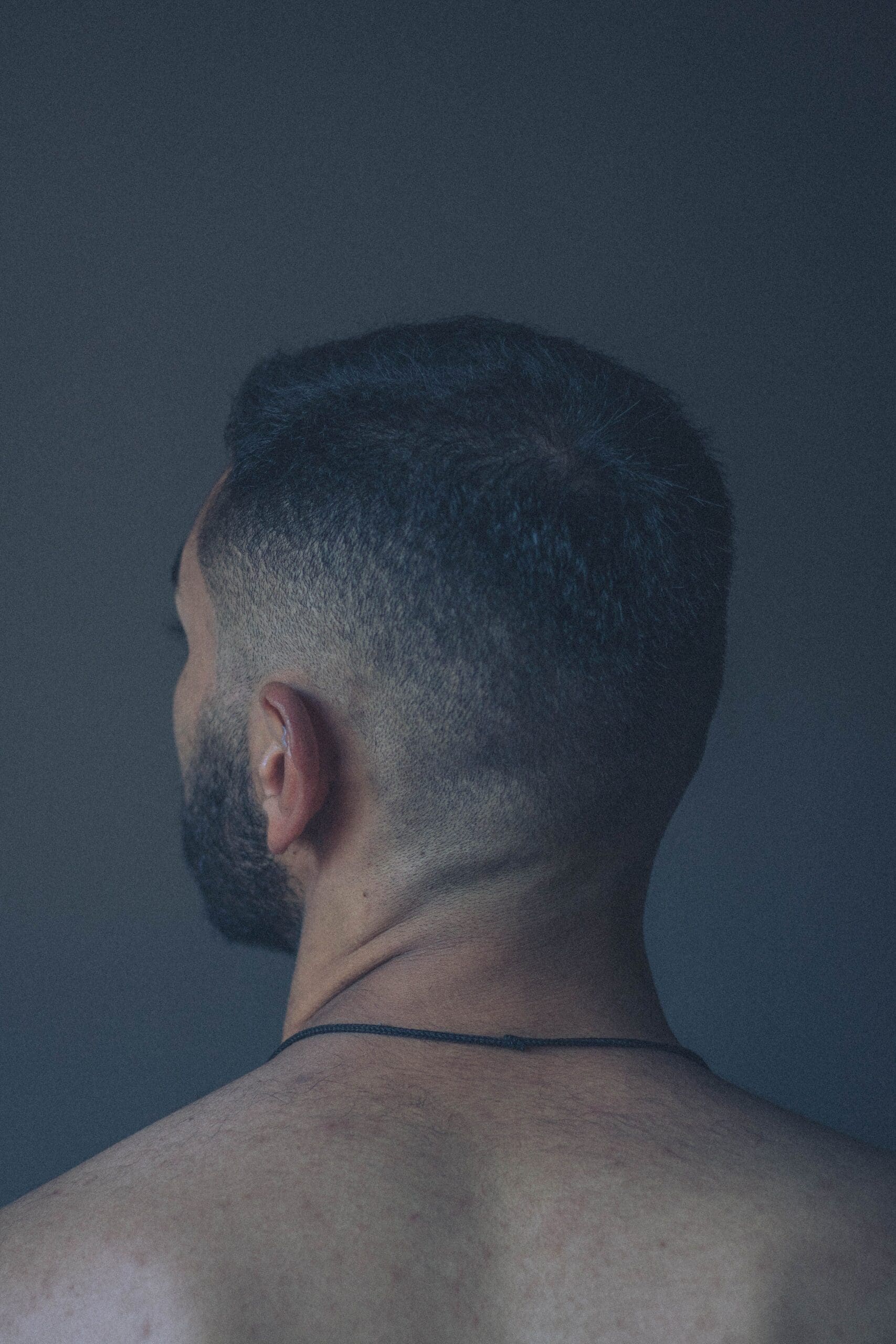
Spend more than ten minutes researching hair restoration and you will hit a wall of acronyms. FUE, Sapphire FUE, DHI — each one gets sold by some clinic as the single method that matters. The confusion is profitable, because patients who cannot compare techniques end up comparing prices instead. This is the glossary nobody is trying to sell you.
The two acts behind every technique
Every modern technique is a variation on the same two-act procedure. In the first act, individual follicles are extracted from the donor area, meaning the back and sides of the head, where hair is genetically programmed to resist falling out. In the second act, those follicles are implanted into the thinning zone. Every acronym on the market is simply a different way of performing one of those two acts.
The older strip method, known as FUT, removed a ribbon of scalp and left the linear scar some people still associate with transplants. It has been largely superseded for most cosmetic cases, though it still has a genuine place in certain situations.
FUE: the modern baseline
Follicular Unit Extraction is act one, refined. Instead of a strip, follicles are harvested one at a time with a tiny cylindrical punch, leaving small dot-shaped scars that are typically hidden at normal hair lengths. Implantation then happens in two stages: small channels are opened in the recipient area, and the grafts are placed into them afterward. FUE is the default technique of the modern era. It is well established, versatile, and the foundation that every other named method builds on.
Sapphire FUE: sharper channels
Sapphire FUE keeps the same extraction and changes only the tool used for the second act. The channels that receive the grafts are opened with blades cut from sapphire crystal rather than steel. Proponents say the smoother, finer edge allows smaller incisions, denser packing, and faster surface healing with less crusting. Those are claims made by clinics that favour the method rather than settled fact, so treat them as reasons to ask good questions, not as guarantees.
DHI: opening and placing in one motion
Direct Hair Implantation, the DHI hair transplant method, changes the choreography of the second act. Rather than opening all the channels first and placing grafts second, each follicle is loaded into a pen-shaped implanter that creates the opening and sets the graft in one motion. That gives the surgeon simultaneous control over the depth, angle, and direction of every follicle, the three variables that decide whether a hairline looks grown or installed.
The trade-off is time and labour. The method is slower and more dependent on the individual operator’s skill, which is why it tends to be reserved for the work that rewards precision: designing the hairline, placing density between hairs that are still present, and unshaven or partially shaven procedures. When the front of the head is the main event, many surgeons reach for it for that practical reason, not because it outranks the alternatives.
Graft math, and the shaving question
One idea is worth understanding before any consultation: a graft is not a hair. A graft is a follicular unit, a natural cluster of one to four hairs, and the units themselves vary. Single-hair units are prized for the soft front edge of a hairline; denser multi-hair units sit behind them. The size of a session is set by your donor capacity and the zone being treated, not by ambition.
That is why “maximum grafts” marketing deserves suspicion. The donor area is a finite, non-renewable budget, and a clinic that flatters you with the biggest possible number is spending your reserves rather than proving its generosity. The useful question is not how many grafts you can get; it is how few will achieve the design, and how much stays banked for the years ahead.
Shaving is the other practical variable. Patients who cannot hide behind a buzz cut for a month should know that unshaven and partially shaven options exist across techniques at experienced clinics — Istanbul’s high-volume centres among them — where the team works within your existing hair and trims only what is extracted. It asks more of the surgeon and takes longer, and the DHI implanter pen lends itself to it particularly well.
So which technique is actually best?
It is the wrong question, and any clinic that answers it before examining you is reading from a sales script. The honest answer depends on your pattern of loss, the quality of your donor area, the caliber of your hair, and whether you are willing to shave. Larger crown restorations often suit the efficiency of Sapphire FUE; refined hairlines and no-shave cases often suit the precision of DHI; and plenty of good surgeons combine both in one session, using each tool where it performs best. The technique is only a tool — the person choosing and handling it is the variable that actually moves your result.
That leaves a short checklist to carry into any consultation. First, insist on a named physician who examines your scalp in person before quoting a price. Second, ask for a specific explanation of why this technique suits your head, rather than a generic pitch. Third, confirm there is a structured plan for follow-up across the first year, the stretch of time when the transplant is actually growing in.
share:

Be the first to comment