

An evening aboard The World—the floating residential mega yacht where waking up in a new country isn’t a vacation, it’s just a regular Tuesday.
I have a confession to make. For as long as I’ve been writing about travel—and quietly nursing a bank balance that screams “budget airline enthusiast”—I’ve harboured a secret fantasy of living on a ship like this one. Waking up to a different coastline every few days, with a view that shifts while I sleep? Sign me up. So when an invitation arrived to spend an evening aboard The World, Residences at Sea, I accepted before the email had even finished loading on my phone.
The ship was docked in Vancouver, taking on provisions before sailing north to Alaska. For almost everyone else, the gangway is a hard stop. This isn’t a cruise ship; it’s a floating, highly exclusive postal code. Short of applying for a job as a deckhand, a media invitation for dinner and a tour is the only way a person like me gets past security.
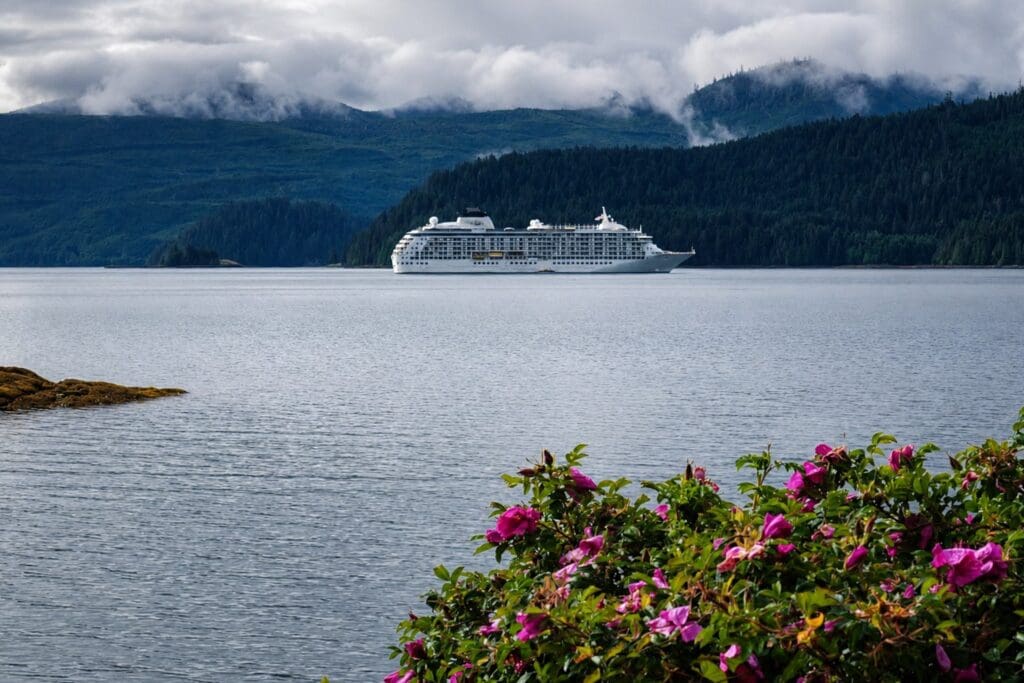
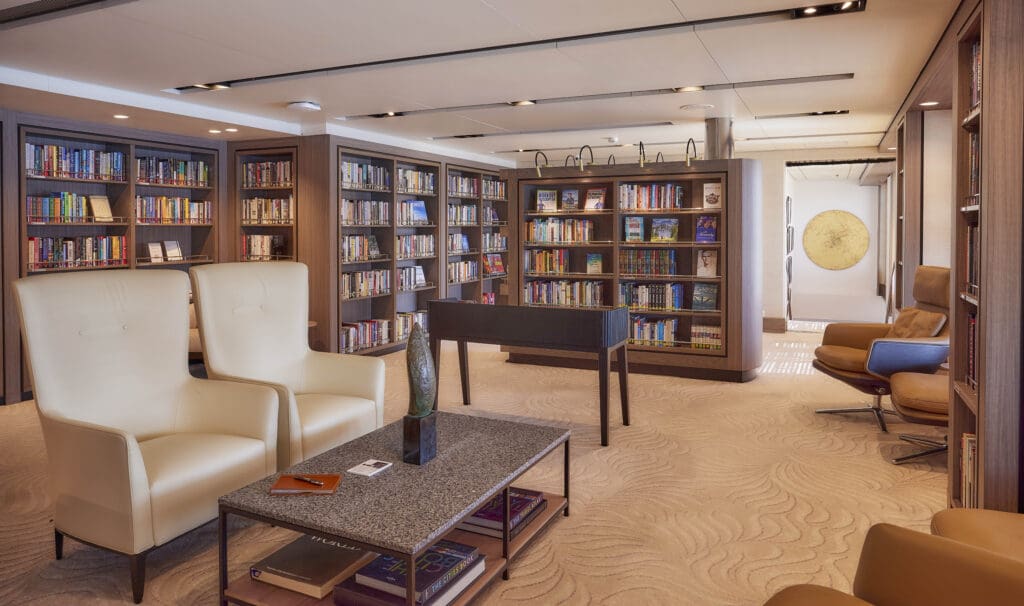

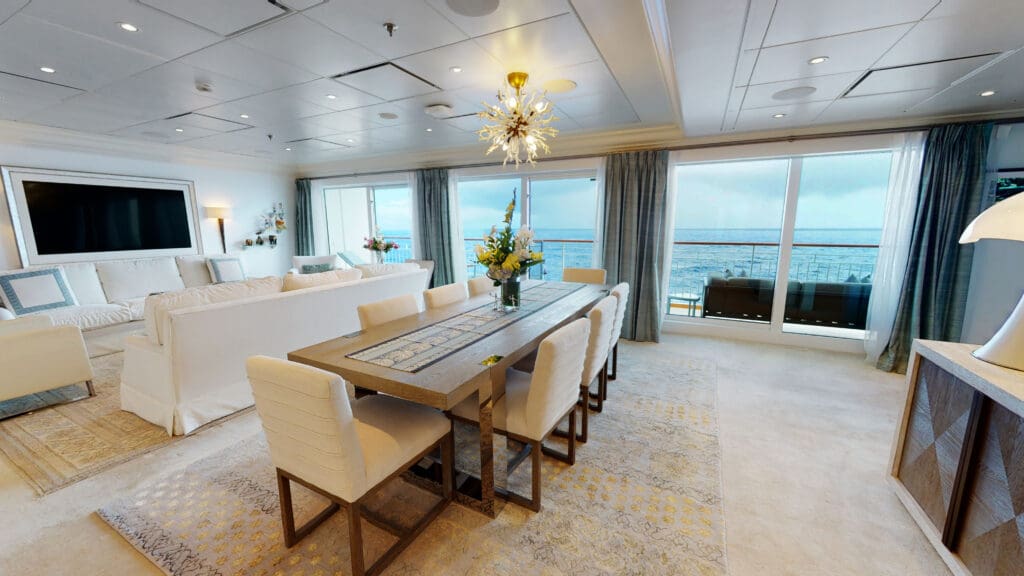

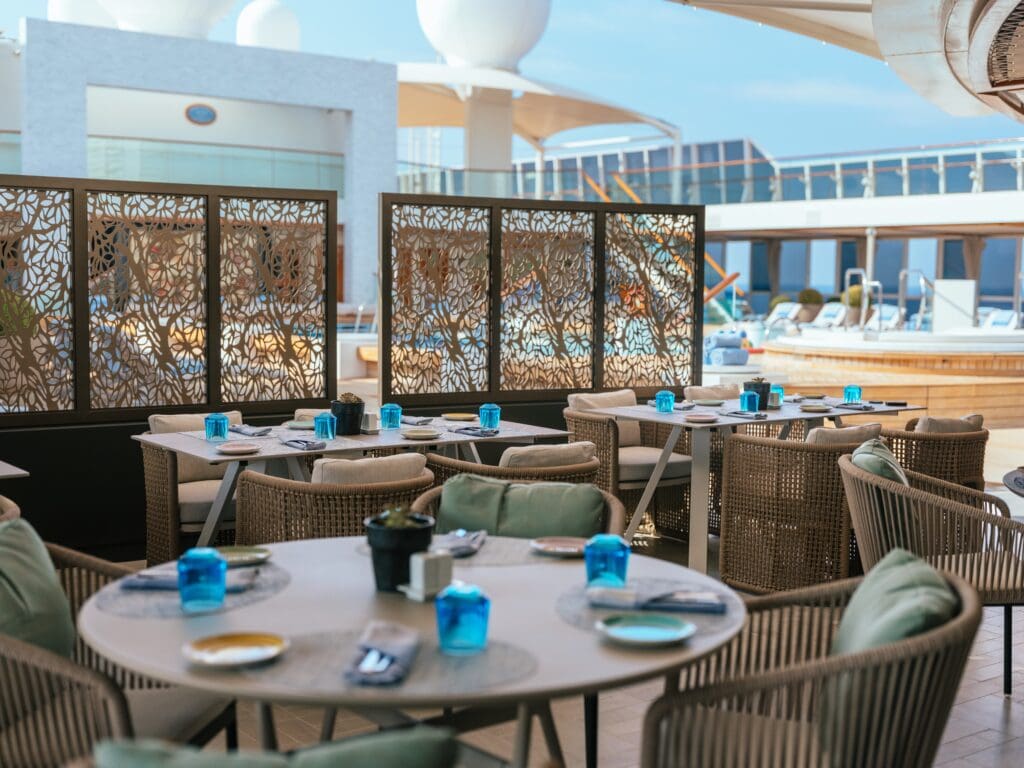
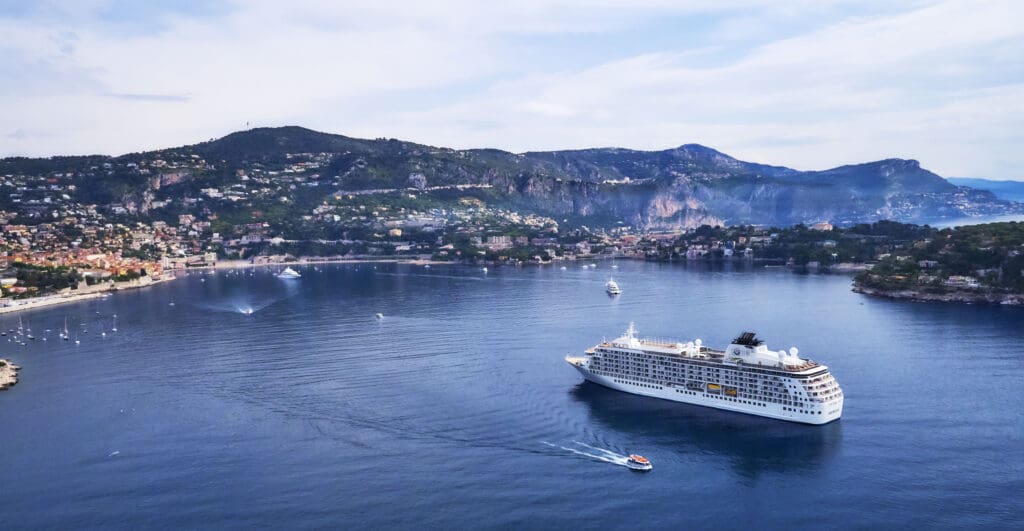




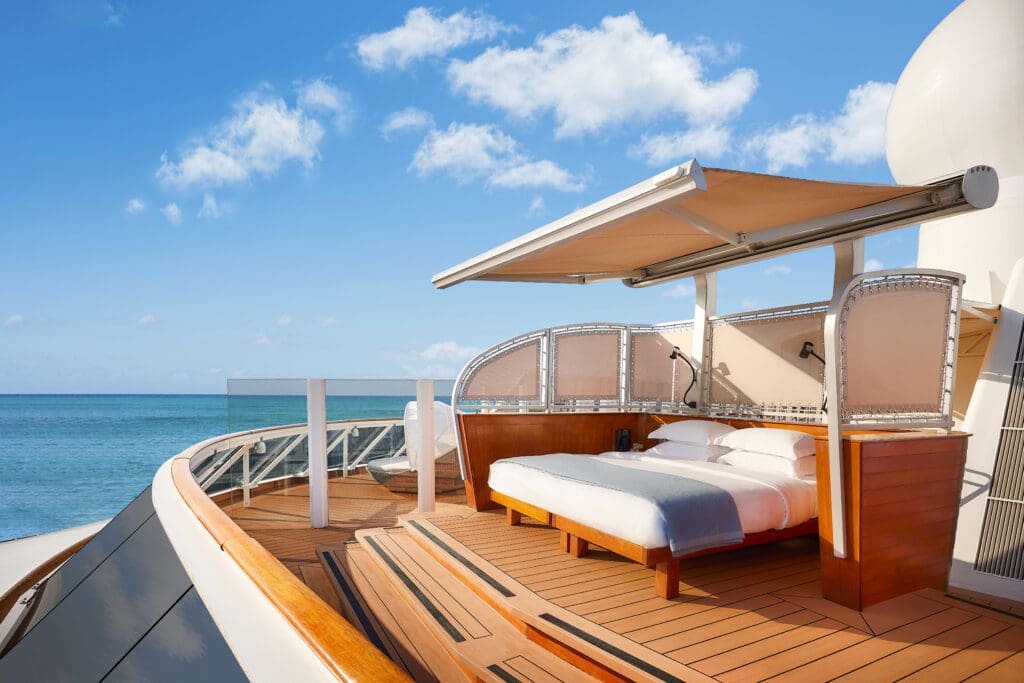
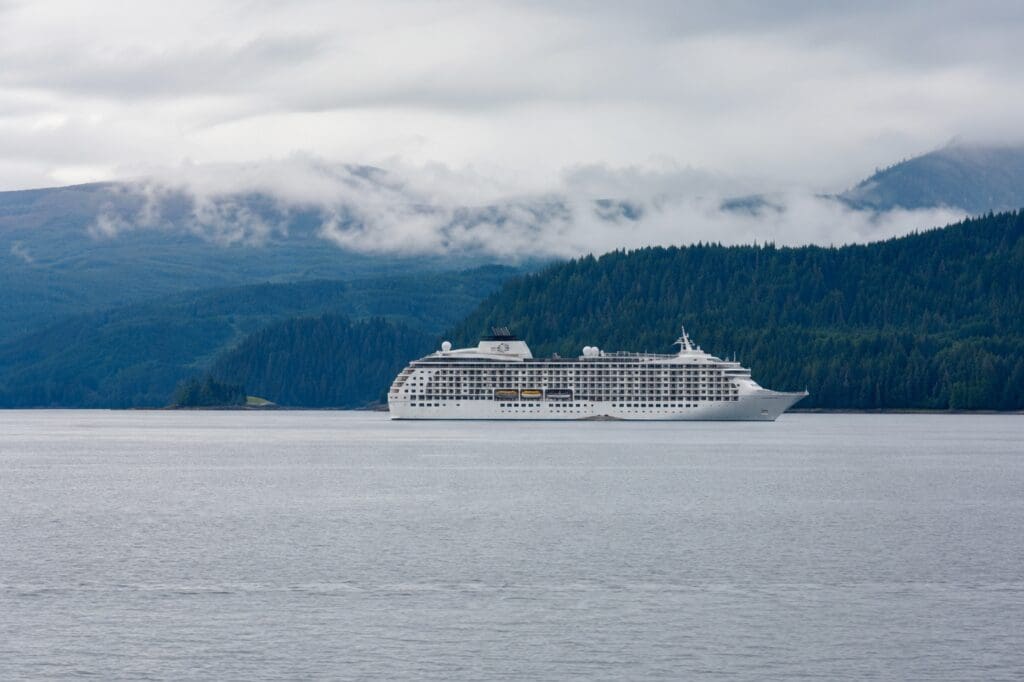
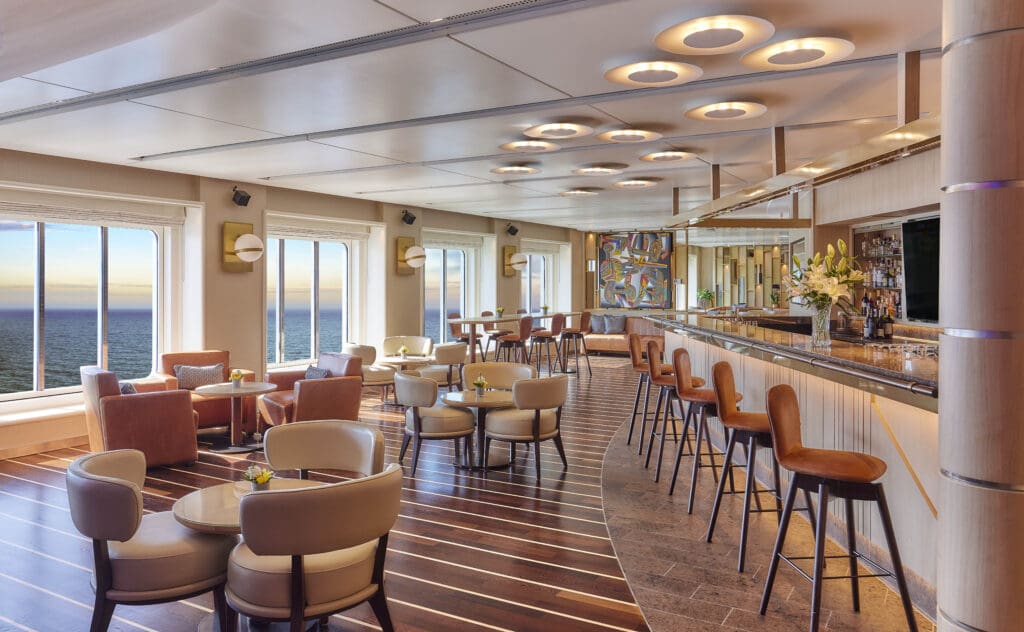
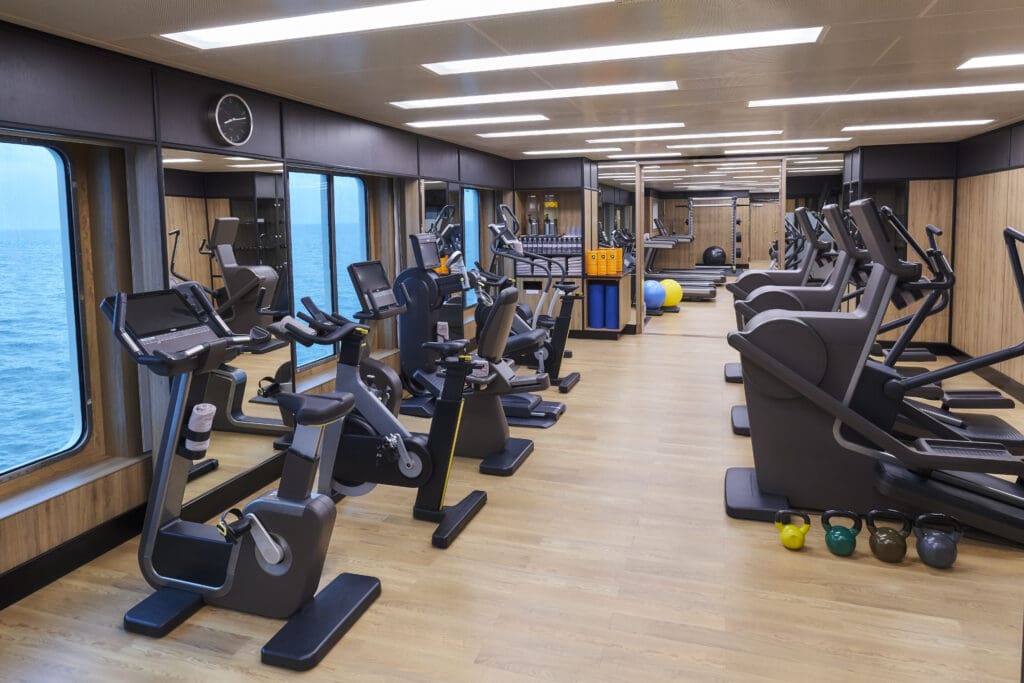
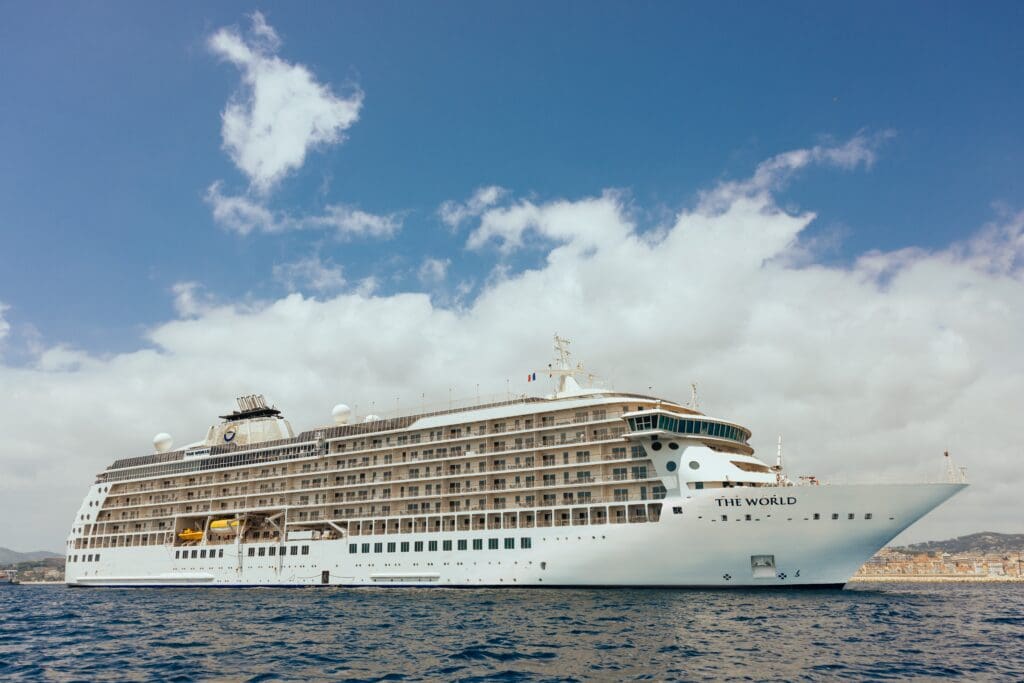
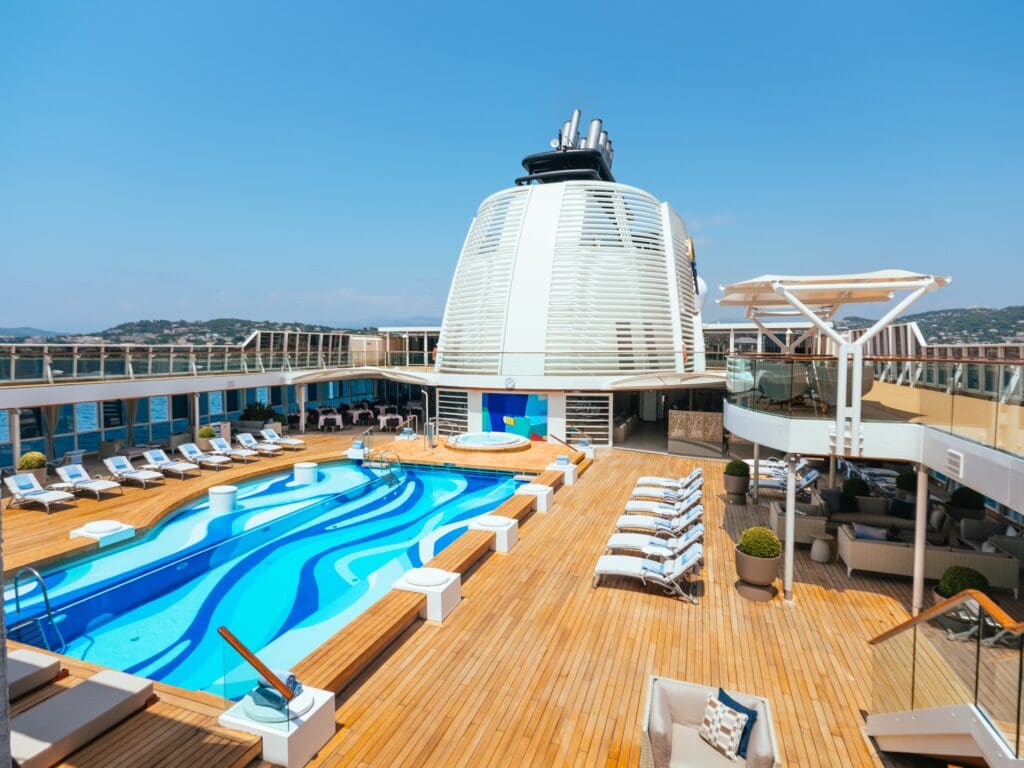
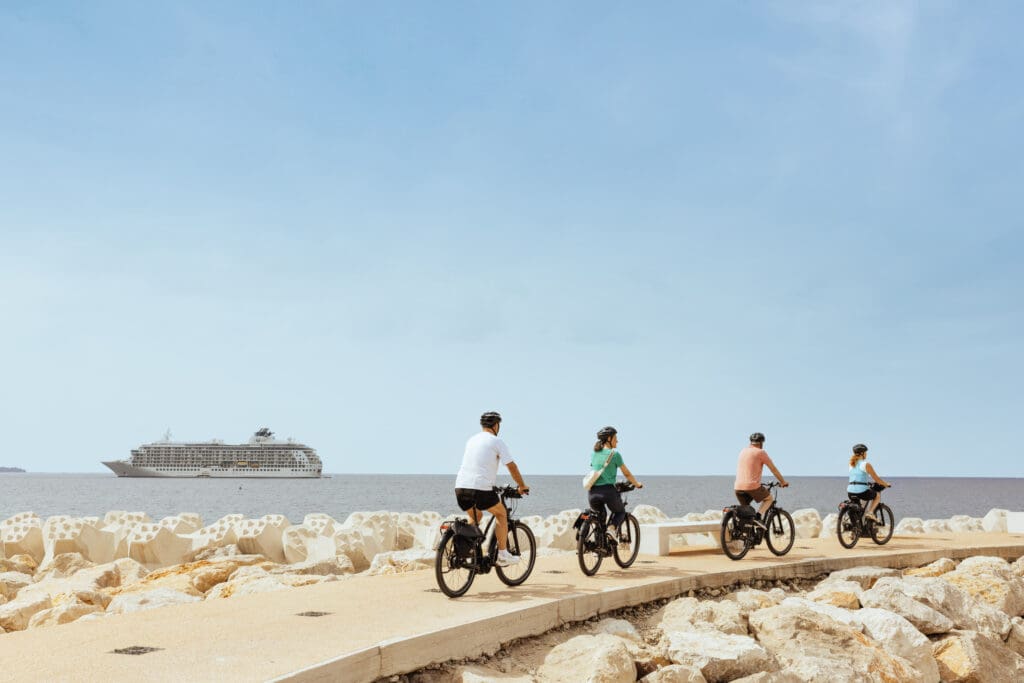
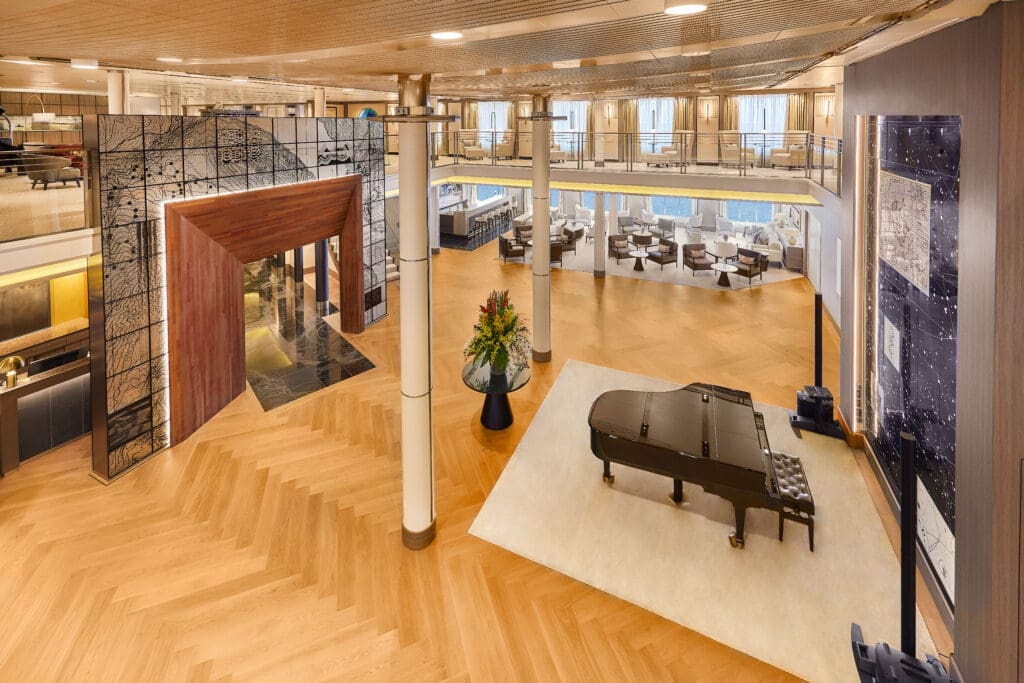
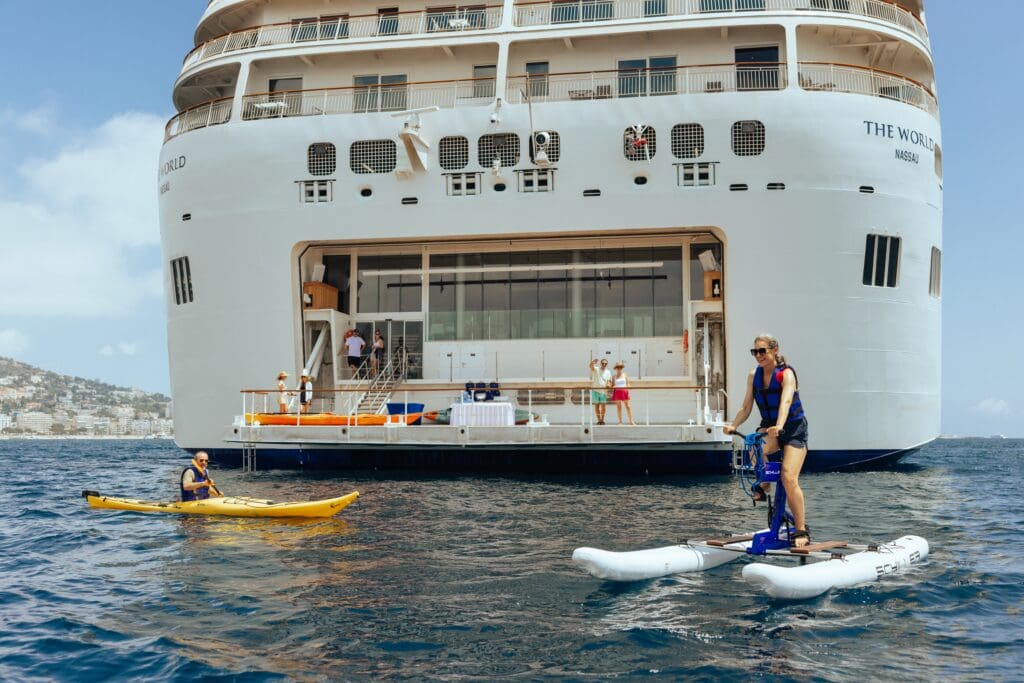
The ship
The World concept actually had a rocky start. Originally, the ship mixed private owners with paying hotel guests. The wealthy owners quickly realized they had zero interest in sharing the pool deck with vacationing tourists. The operating company faced bankruptcy within a year, prompting the residents to buy the ship themselves in 2003.
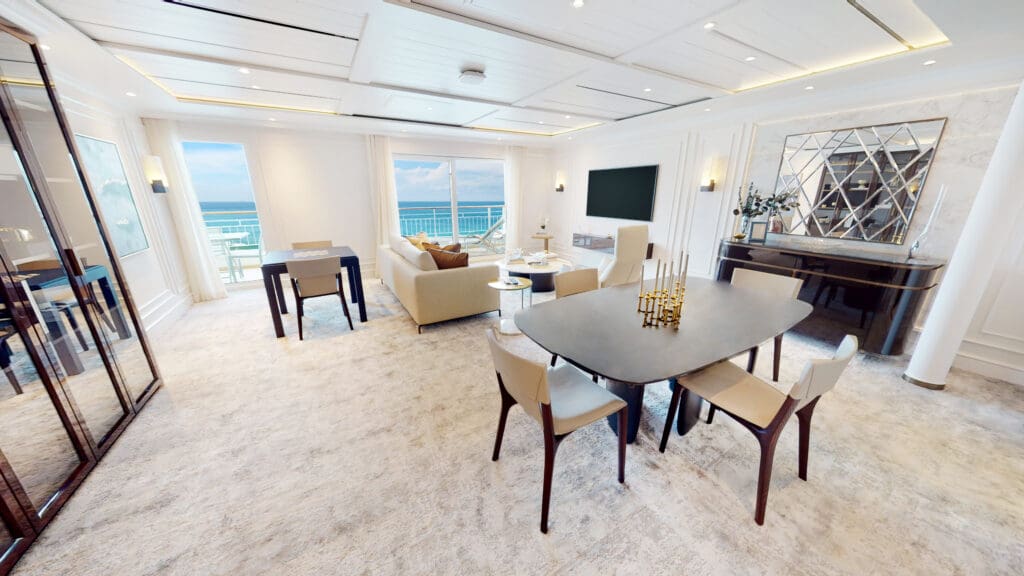
Today, the 165 onboard apartments belong to about 150 families—fewer than 200 residents in total—who are catered to by a crew of roughly 300 drawn from over forty countries. You don’t rent a room here; you buy it outright, like a high-end city condo. Prices range from a cool $2 million for a studio to $15 million for a three-bedroom. The main difference? This particular condo actively refuses to stay put.
The pitch
The case for The World is every bit as seductive as my inner daydreamer hoped. Your home moves, but your life doesn’t. You fall asleep off one coast and wake up near another, entirely skipping packing, unpacking, and the soul-crushing experience of a 4:00 a.m. airport dash.
Because of its size, the ship slips into quiet harbours that massive cruise liners can only wave at from afar. Better yet, it lingers—spending nearly twice as many days in port as it does at sea. The residents vote on where the ship sails, locking in the itinerary three years in advance.
Forget arguing over hallway paint colours at a typical strata council meeting. This condo board routinely votes on whether to spend January sipping champagne off a glacier in Greenland or semi-circumnavigating Antarctica.
Three times a year, ordinary sightseeing gives way to full-scale, expert-led expeditions. We’re talking about the kind of trips where residents casually swim across the equator alongside pilot whales or cruise past icebergs in a Zodiac. Next year’s agenda opens with 11 days in Thailand. It’s hard not to respect a neighbourhood association whose primary debate is whether Thailand beats the Ross Sea.
The dinner
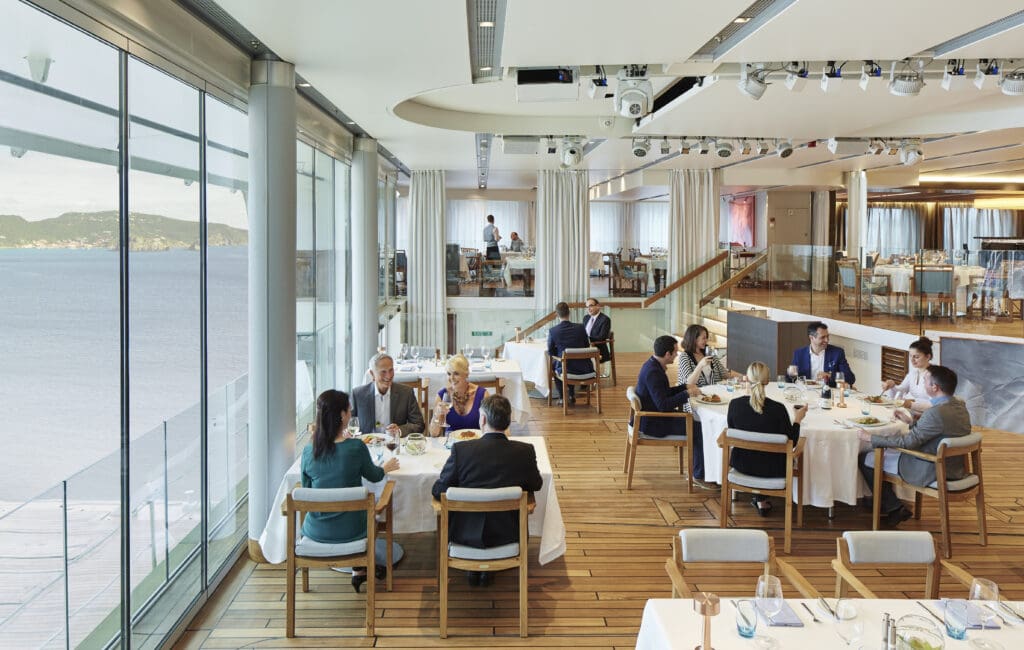
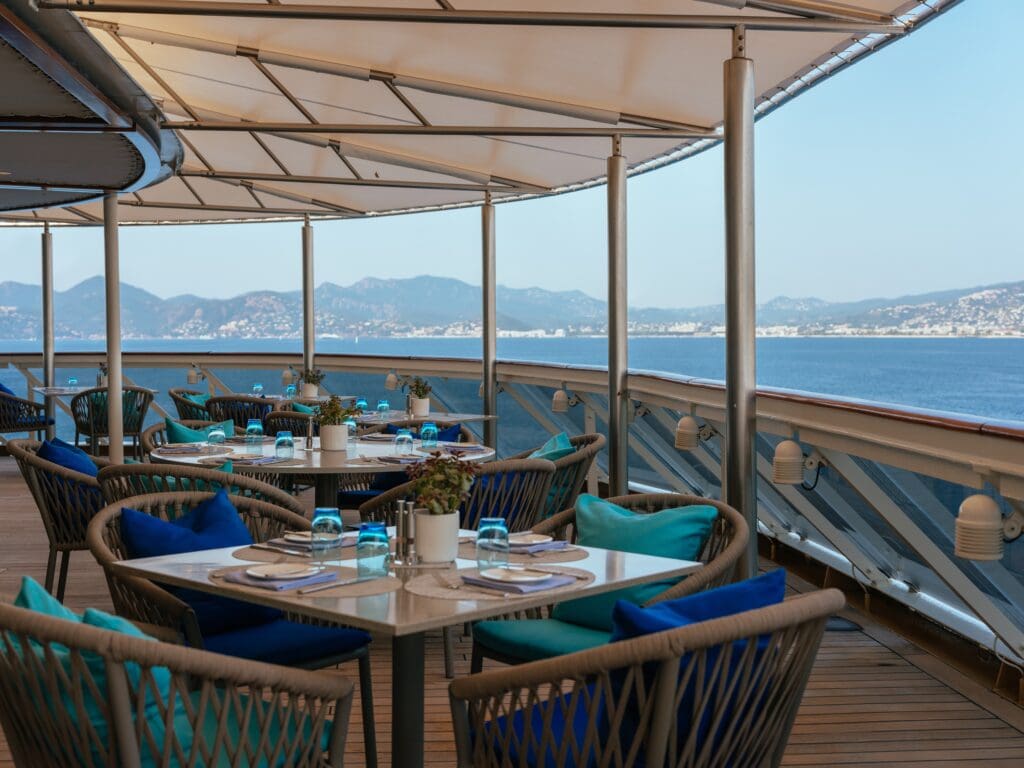
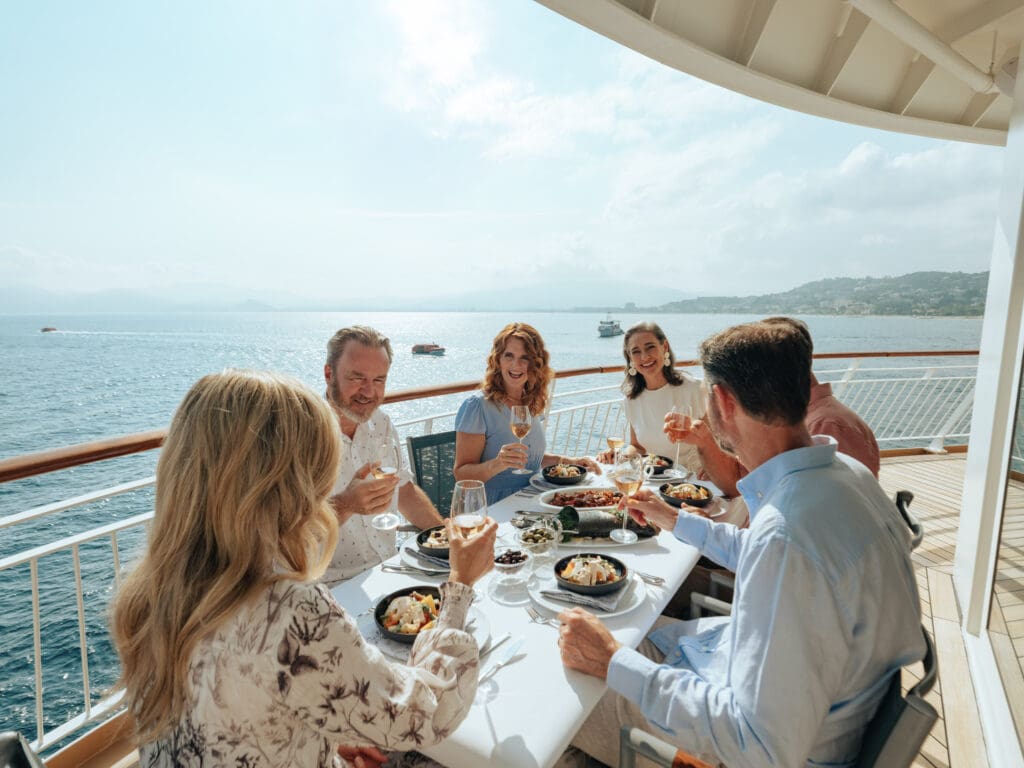
By the time our tour wrapped up, it was time for dinner—a ritual the ship treats with absolute reverence. There are six restaurants aboard, ranging from Portraits (a Michelin-level dining room clad in Carrara marble) to a steakhouse where the Chef’s Table carves authentic Ibérico ham over open water. Throughout the year, the galley flies in guest chefs—many boasting two or three Michelin stars—and roughly a third of all food is bought fresh in port, sometimes air-freighted ahead just to keep the standard impossibly high.
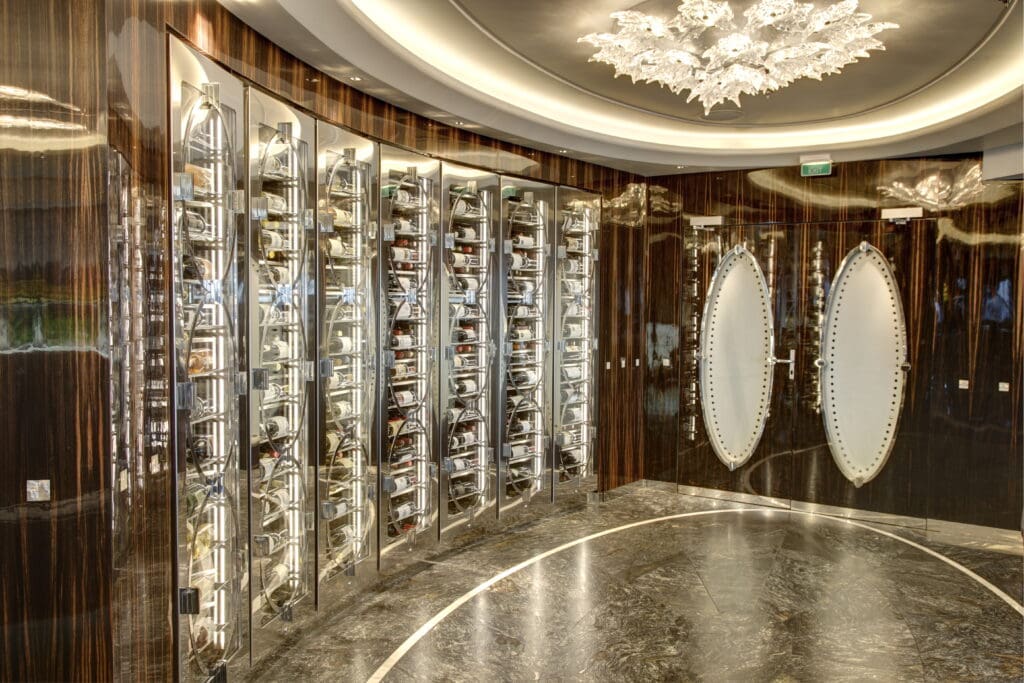
We dined at East, the ship’s Asian restaurant, where the sashimi was carved from fish purchased at a local shore market that very morning. It easily surpassed almost anything I’ve eaten on land. Our meal began, naturally, with the wine. The ship maintains a cellar of roughly 15,000 bottles across two temperature-controlled rooms, stocking over 1,200 labels gathered by the sommelier team as they globe-trot. A major wine magazine has named it the best wine list afloat nine years running, and world-class winemakers regularly fly in just to pour their own vintages for the residents. (I tried very hard not to compare it to the $12 Pinot Grigio waiting in my fridge at home.)
Our dining companions were an American couple in their early fifties who had owned their apartment for about a decade. They admitted to being roughly ten years younger than the ship’s average resident, having fallen in love with the concept as college students watching a travel show. Decades later, they had pulled it off, appearing thoroughly content with their floating lifestyle and overflowing with praise for the crew. Sitting across from them, I tried my best to act like talking about multi-million-dollar maritime real estate over pristine yellowtail was just another Thursday for me.
The neighbours
What surprised me most wasn’t the luxury, but how much of the lifestyle centers on the community. Ask the residents why they didn’t just buy a private superyacht for that kind of money, and you get the same answer: a private yacht is a second job full of maritime paperwork, crew management, and administrative headaches, while a residential ship is a community where someone else handles the logistics while you enjoy the company.
And that company is fascinatingly eclectic. On sea days, the ship hosts visiting experts and Nobel laureates to lecture. When they aren’t listening to brilliant minds, residents cluster into passion clubs for diving, wine, books, and—as it turns out—garage rock.
One owner plays in an all-resident band called The Fabulous Fossils. On a past expedition to Greenland, the band set up their gear high on a cliffside and performed a live concert for their neighbours, who were bobbing in Zodiacs and kayaks in the freezing waters below. It sounded like the pilot episode of an impossibly well-funded reality show.
The catch
I’d be a terrible guide to this floating fantasy if I didn’t mention the financial realities, which made my own wallet wince in sympathy. Annual maintenance fees run approximately 8-10% of the purchase price, owed whether you spend 12 months aboard or 2 weeks, and are scaled to your apartment’s square footage. And you’re ultimately buying a share of a ship that launched in 2002. Engines don’t last forever, and when replacement time comes, the owners foot the bill.
Then there’s the subtle matter of maritime politics. A homeowners’ association can be tense enough on dry land, where you can at least storm off to your own yard. Here, everyone shares the same hull with nowhere to run except the deep blue sea. Furthermore, selling a unit is notoriously slow: prospective buyers must prove a vast fortune, pass a rigorous background check, and actually want to live on the ocean.
The takeaway
None of those terrifying financial footnotes did a single thing to dim my envy. I walked back down the gangway and onto the Vancouver dock even more smitten than when I’d stepped aboard—which was definitely not the grounded, pragmatic outcome I’d braced for.
The dream is real; it exists and is actively for sale. The only minor obstacle standing between me and a berth of my own is everything I currently own, multiplied by a factor of several hundred. As headed toward my Skytrain ride home, I watched the crew ready the lines for Alaska, feeling a profound, undeniable jealousy of wherever those people would be waking up tomorrow—and every tomorrow after that.
For more, visit aboardtheworld.com. —Mark Sissons
share:

Be the first to comment