
The term “cultural appropriation” may be new to many Canadians, but the act of it isn’t. When the Kardashians styled their hair in cornrows, Gwen Stefani sported a bindi or you bought that cute dreamcatcher from a Gastown store, that was cultural appropriation—as was, recently, the creation of a “made-over” mahjong game by a group of three American white women.
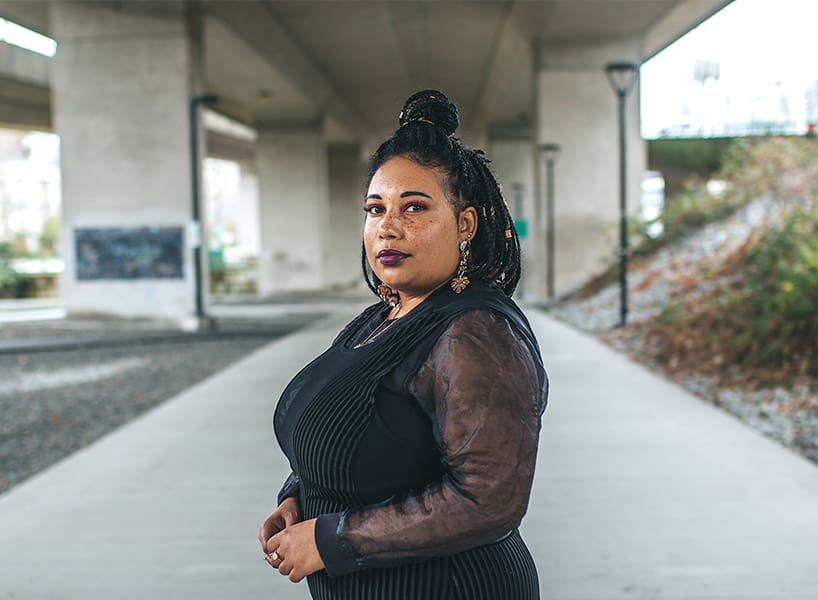
“It’s the misuse of another culture’s sacred practices, cultures, objects, clothing and hairstyles, usually by a dominant group, without acknowledgement of their roots,” explains writer and activist Cicely Belle Blain, founder of Cicely Blain Consulting. “These traditions are stripped of their origins, and the people who created them are not credited or profiting.”
Certain things are never acceptable, such as non-Black people adopting the protective hairstyles worn by Black people. “They come from the trauma, trouble and violence that Black people have experienced; they have a lot more meaning than just hairstyle,” Blain says.
“Black people enter the workplace and these hairstyles are perceived as not professional because the professional look is rooted in white beauty standards. Conversely, non-Black folk are often celebrated and seen as edgy or exotic when they have that hairstyle.” In fact, a law in Louisiana in the 18th century forced Black women to cover their hair as a means of controlling them. Even today, in some U.S. states, race-based hair discrimination is legal in workplaces and schools.

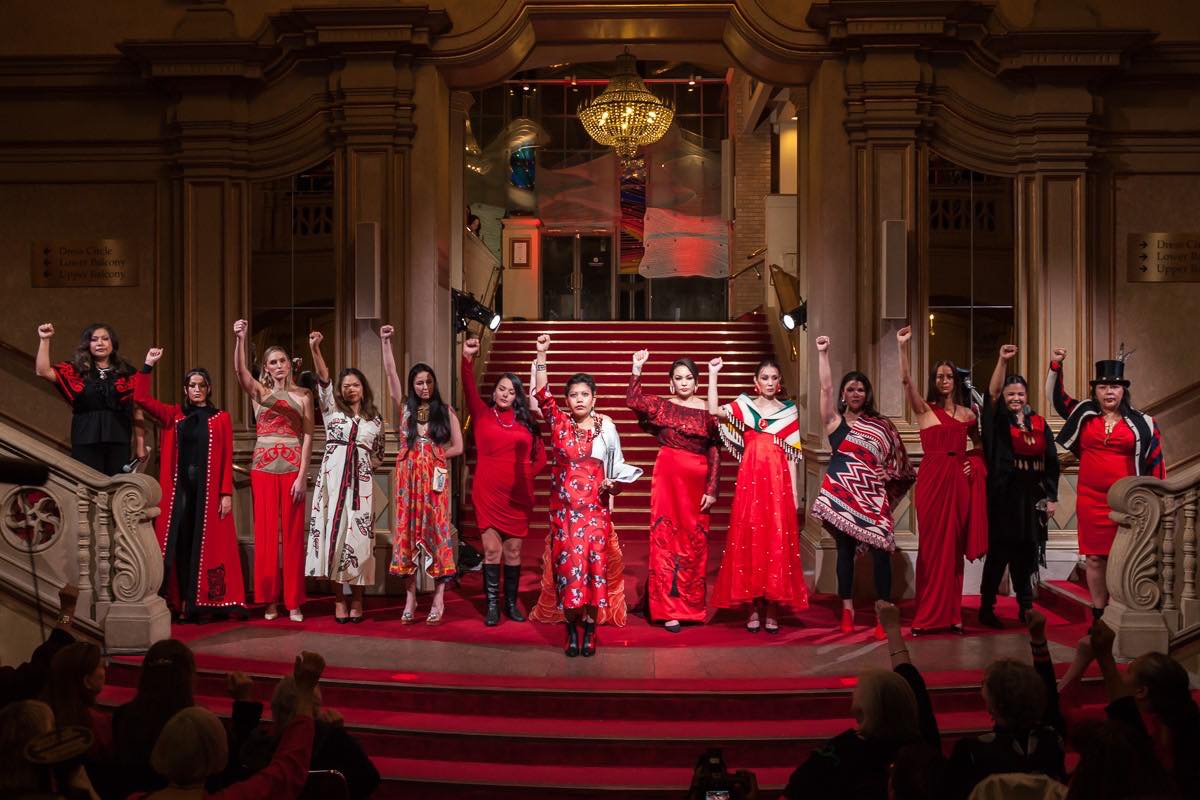
There are sacred pieces used in rituals that should never be worn outside that space. “Regalia that is worn in ceremonies is not up for public consumption; Indigenous people generally wouldn’t wear it outside those rituals and it wouldn’t be acceptable to take photos of people wearing it,” says Joleen Mitton, founder of Vancouver Indigenous Fashion Week.
Religious terminology, too, is sometimes borrowed and butchered. “I remember speaking to a woman who talked about kirtan; in fact, she pronounced it incorrectly,” says Amardeep Garcha, who co-founded wellness company Arch with her sister, Inderpreet. “The way she used that word was as if it was a vibe, but actually it’s a very religious thing in Sikhism. I don’t think her intention was bad, but you can’t turn kirtan into a dance party. Just call it something else.”
Cultural appropriation isn’t always clear-cut, however; for example, it’s often OK to wear traditional Indian dress to an Indian wedding. “I have friends who are not Indian who have asked to borrow things for weddings that they were participating in,” says Inderpreet. “The way I have that discussion is to make sure the person is approaching the situation appropriately, not to mock the culture. Someone wearing a sari or another type of ethnic outfit for a wedding may be OK, but not at Halloween or Coachella. It’s not a costume.”
Buying authentic products from a maker from a specific community is often fine. “People are looking at Indigenous culture and seeing something beautiful, appreciating it, coming to it in a good way and asking the right questions,” says Mitton. “To buy authentically Indigenous stuff, you have to do your research and be patient—just like the way you might look at food and want to know where it comes from. It’s about having a relationship with things you purchase, not just shopping frivolously. You get to help the community and you know there’s a spirit attached to something you’re buying.”

No one is suggesting that cultures should all stay separate or that people shouldn’t participate in activities. Fusion leads to new creativity, from California rolls to Japanese denim. Some pieces of culture that derive from a specific community have now been subsumed into the mainstream—think rap music, meditation or yoga. The key thing is to acknowledge an object or practice’s origins.
“I read somewhere that Gwyneth Paltrow said she made yoga what it is today,” says Amardeep. “That’s beyond a cringe moment! There needs to be more context placed around it; people who participate need to have an appreciation and acknowledgement for the culture things come from.”
Should people call it out when they believe someone is appropriating from another culture? Yes, but it’s not about shaming people or being aggressive. “We need to have space for dialogue rather than, ‘This is right, this is wrong,’” says Blain. “You can ask someone, ‘Hey, is there a reason you’re wearing that, or what’s your connection to it?’ Then if they say they picked it up at a store, or they just like it, you can explain [why it’s problematic].”
What about white people who feel like it’s not their place to speak for a different culture? “There’s a common misconception that there’s no way for allies to respond in that scenario, but remember that if you don’t respond, that’s more labour that the person of colour has to do,” Blain says.
“For the most part, we would like allies to step in as long as they’re following the leadership of those communities. Unfortunately, the reality is that white folks are more likely to listen to other white folks, and that’s why allies are important.” —Aileen Lalor
share:

October 5th, 2025 at 2:42 am
I just read this text and I must say that it really makes you think about how many familiar things in our everyday life can actually be manifestations of cultural appropriation. I liked that the author gives specific examples — from celebrity hairstyles to commercial products — which makes the topic more understandable and relatable. Personally, I didn’t always think about how my choices of things or entertainment could affect other cultures. After reading the text, I started to pay more attention to such moments. I would also like to recommend visiting the website profee money transfer , where you can find a lot of useful information about international financial services, which is especially relevant if you want to support friends or organizations abroad. Overall, the text is very useful for understanding social and cultural sensitivity, and it motivates you to be more attentive to details in everyday life.
October 26th, 2025 at 11:33 am
I just read this text and I must say that it makes me seriously think about the concept of cultural appropriation. It seems that we often don’t realize how everyday things can have deep cultural significance for other people. For example, cornrows or bindis are not just fashion, but part of cultural identity. It is especially interesting to read such texts online because they open your eyes to what was previously perceived as harmless entertainment. By the way, while I was thinking about this, I came across the website piemont.com.ua , which shows how you can create your own space for living in harmony and comfort, and it reminded me how important it is to respect other people’s space and culture. After reading this text, I will definitely pay more attention to the little things that previously seemed mundane and think about the context and origin of the things that surround us