
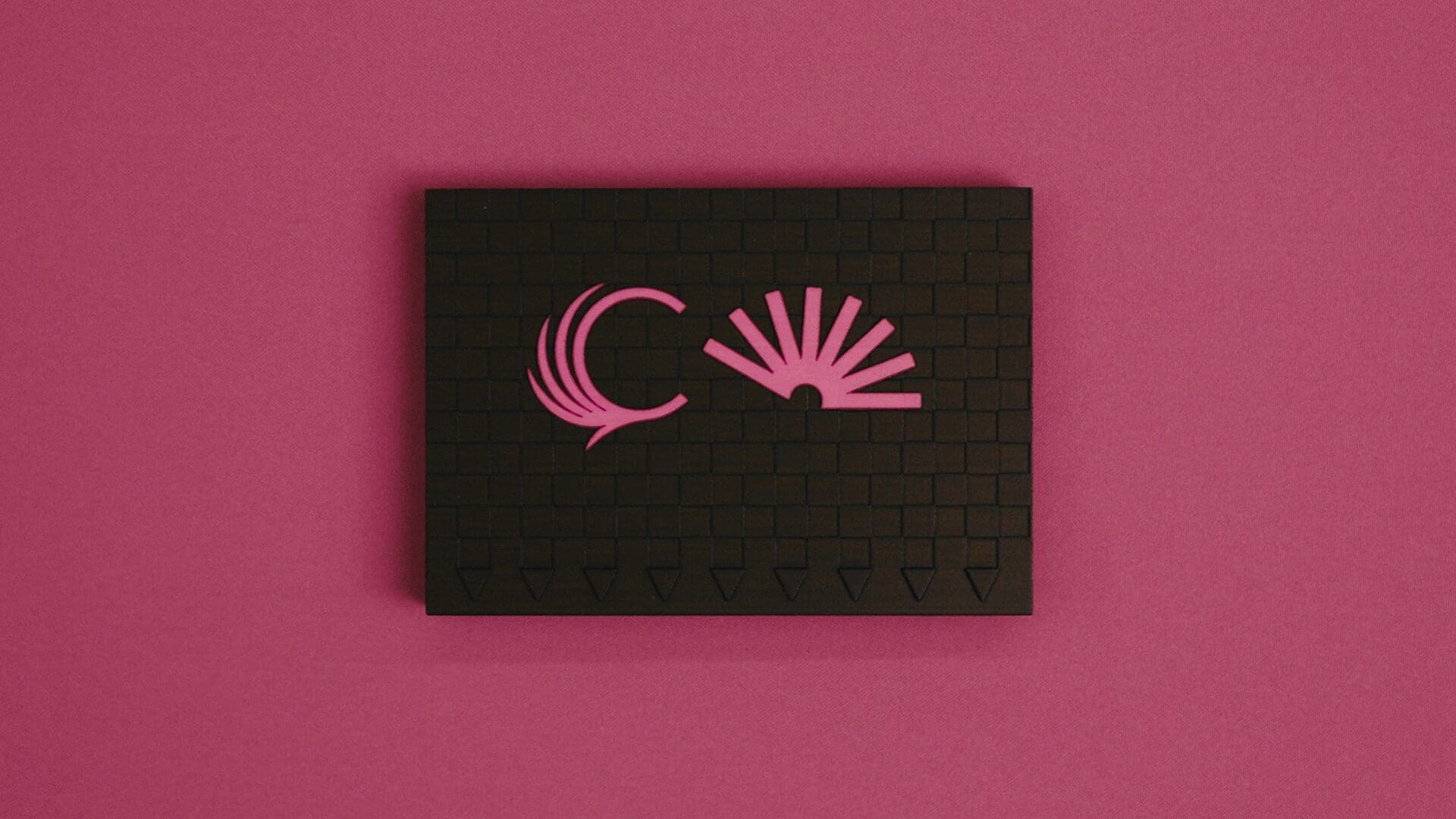
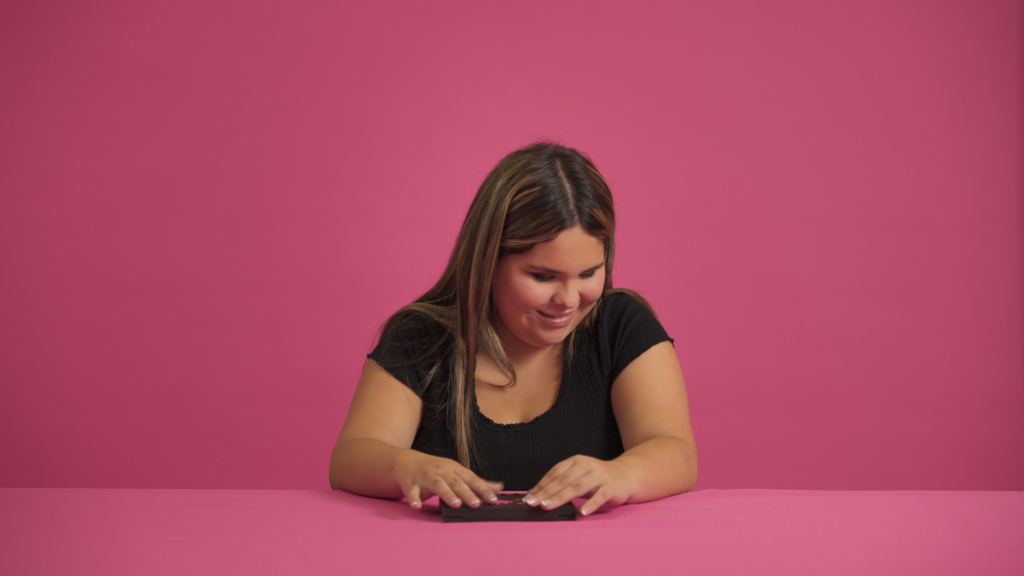
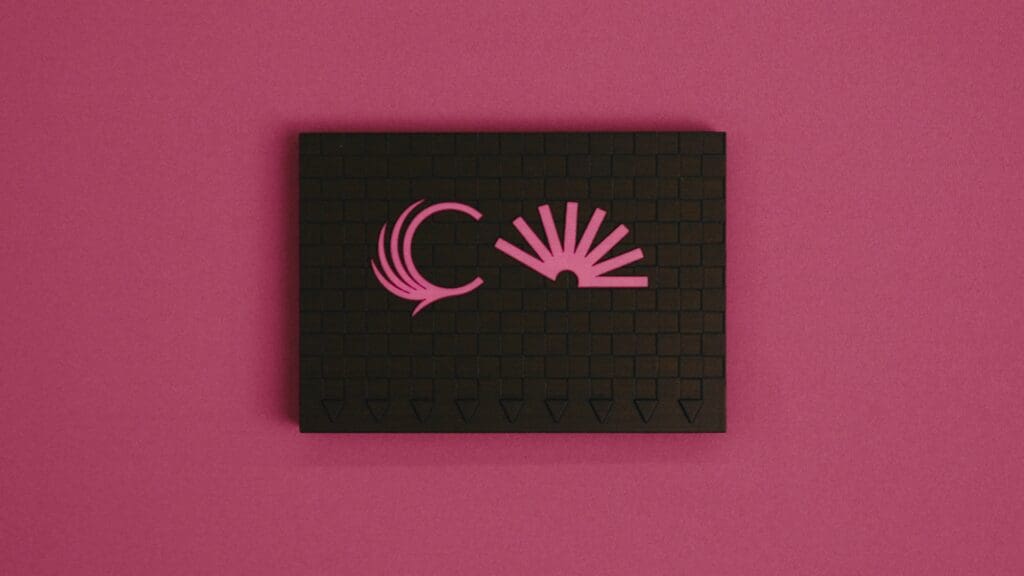
Shine Foundation and Cheekbone Beauty have teamed up to create something truly groundbreaking—a tactile, audio-enabled makeup palette designed for Scarlette, a 14-year-old born legally blind. The one-of-a-kind palette—a Canadian first and not yet available for purchase—blends thoughtful touch points and sound cues to make makeup accessible, expressive, and joyful for people who are blind or have low vision.
Want to hear the story behind Scarlette’s palette, how Shine has made 9,000 dreams come true across Canada, and why inclusive design in beauty matters? We sat down with Jenn Harper (Founder, Cheekbone Beauty) and Tiffany Houston (CEO, Shine Foundation) for a fascinating, feel-good Q&A. —Noa Nichol
Jenn Harper, Founder of Cheekbone Beauty
Walk us through the design process for Scarlette’s tactile palette — what were the biggest design challenges and the surprising creative solutions your team developed to make colour, texture and audio cues accessible?
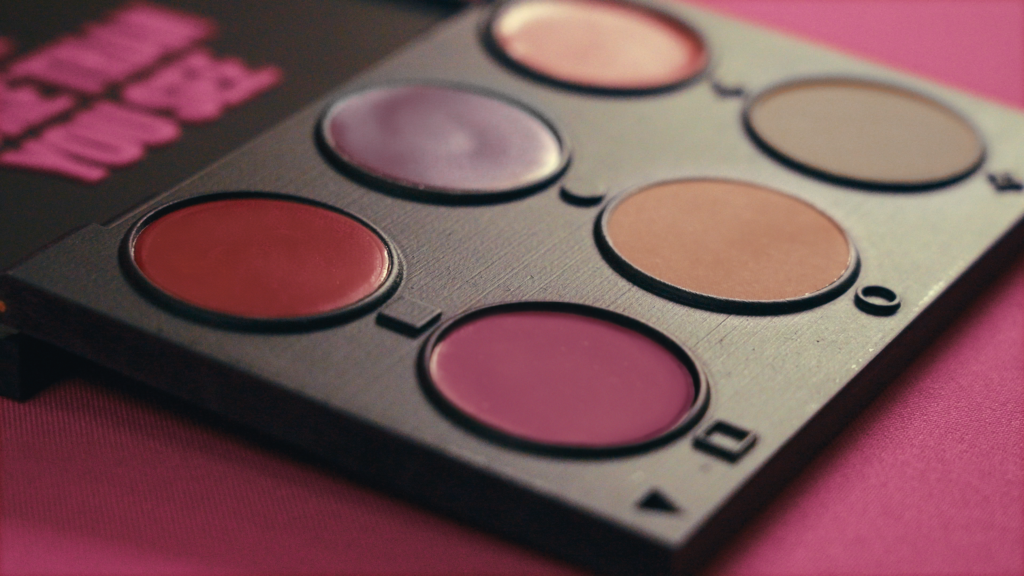
When designing the palette for Scarlette we realized there was a need to create a navigation system that didn’t depend on reading braille. We worked with experts that guided this design and helped us to better understand that braille is not as widely used in the low vision and blind community. The sizing of braille also presented challenges for maintaining the compactly sized palette we envisioned for Scarlette. This is why we designed a tactile experience using shapes and an accompanying QR code with descriptive audio. The shapes are used to identify each product and colour. Through the process we also ensured the materials and height of each raised indicator on the palette could be clearly deciphered through touch. Lastly, we thoughtfully placed each Cheekbone shade within the palette to complement the makeup application experience. (Example: creams to powders to highlighters organized according to texture and shade). Our overall goal was to design a palette that would allow Scarlette and those in her community to independently apply makeup.
How did collaborating directly with Scarlette shape the final product, and what did you learn from her feedback that you’ll carry into future accessible beauty innovations?
Shine Foundation reached out to us to help make Scarlette’s dream of a makeover happen. In the process, we learned about the challenges faced by those who are blind or have low vision when it comes to makeup and makeup application. Getting to know Scarlette was the first step in the collaboration, and understanding what would be useful to her from a design perspective. From there, we ideated on a palette for Scarlette that would address some of these issues. We’re launching the prototype on World Sight Day to help raise awareness around inclusivity and accessibility within the beauty industry. The insights and feedback we received from Scarlette will continue to shape how we approach design, and we hope other brands will consider accessibility and inclusivity, as well.
What concrete steps would you suggest other beauty brands take right now if they want to begin designing truly inclusive products — where should they start and what common pitfalls should they avoid?
Beauty brands looking to design truly inclusive products should start by engaging directly with the communities they aim to serve and involve them from concept to testing, not just as focus groups but as co-designers. Brands should prioritize accessibility in packaging, shade ranges, language, and retail experiences, adopting principles like tactile cues, audio descriptions, and universal design. Investing in partnerships with advocacy organizations and accessibility experts also ensures solutions are both practical and authentic. The biggest pitfalls to avoid are tokenism and afterthought inclusion, which includes adding accessible features without doing the proper research and testing. That’s why we’re hoping to collaborate with the CNIB in the future to test this palette with people in the blind, and low vision communities.
Tiffany Houston, CEO of Shine Foundation
Shine has granted thousands of dreams since 1987 — why was a tactile, audio-enabled makeover important to include in your programming, and how did the partnership with Cheekbone Beauty come together?
The thing that sets Shine apart from other charities, and what we take pride in, is getting to know our Dreamer before even starting a conversation about their Dream. We discuss their interests, their goals, and some of the challenges that they are currently facing and want to overcome.
Working on Scarlette’s makeover Dream, we learned about the barriers she is facing right now in wanting her outside look to reflect how she feels on the inside. Without the visual ability to just walk into a store or shop online and pick something out that she likes, to look in a mirror and know that her hair, face, and clothes reflect how she feels, is not the same as other fourteen-year-olds. Living with blindness and low vision means she must rely on other’s choices, descriptions, and sometimes taste at the expense of her own independence.
Scarlette isn’t the only blind or low vision person who loves fashion, makeup and beauty. Other Dreamers and supporters like influencer Mara Lauren (who helped with Scarlette’s Dream), and Molly Burke who had a Shine Dream in 2012, are perfect examples.
The partnership with Cheekbone Beauty came together easily and instantly. Scarlette is an indigenous youth and Cheekbone Beauty is an indigenous-owned and founded, Canadian brand with a mission that aligned well with Shine Foundation and Scarlette’s Dream of “feeling represented and seen” (as stated on Cheekbone Beauty’s website).
While fulfilling Scarlette’s make-over Dream, we learned that accessibility in make up for blind and low vision people didn’t exist in the way that Scarlette and many others could benefit from it. Working with Cheekbone Beauty, we created a prototype using their products to give Scarlette the independence she needs as a growing, expressive teenager that would extend past her Dream Makeover Day. This prototype can show other Dreamers, other young people with disabilities, and especially the beauty industry that self-expression should never have barriers.
What immediate impact did creating Scarlette’s palette have on her confidence and sense of belonging, and how do moments like this fit into Shine’s broader mission for youth with physical disabilities?
As with most of the young people we serve (ages 11-21), Scarlette’s Dream came at a pivotal time in her life and personal development. She was going through a lot of change and needed to find herself and feel like herself. By fulfilling her Dream, customized exactly to Scarlette’s personality, we helped her feel confident, independent, and ready for a bright future ahead. A Dream like Scarlette’s can change a young person’s mindset from “I can’t” to “I can” – and that is a powerful thing to witness.
Scarlette’s mom wrote, “Everyday since she was born, she has had to be resilient and live in a world that is not made for her to thrive in. She has chosen to thrive anyway, it’s a big part of who she is. She was able to let go of all of her worries and fears and just be Scarlette! This year has been a tough one for her and this Dream could not have come at a more important time in her life! The way this will and has impacted my daughter is so positive and I appreciate your organization for helping her SHINE!”
For readers who want to support more inclusive projects like this, what are the most effective ways to get involved or donate, and what advice would you give parents or educators advocating for accessibility in everyday products?
Like with our Shine Dreams, our team is happy to have a conversation about customizing corporate and individual support any time in the year. If there is an opportunity for a gift in kind that matches with a Dream request, we can also connect with you as well.
Our advice for parents or educators advocating for accessibility in everyday products is to show the same resilience and determination as the young people whose voices you’re representing. Share a glimpse into their everyday lives and help people understand that accessibility helps EVERYONE. We all deserve to feel our value in this world.
share:

Be the first to comment