
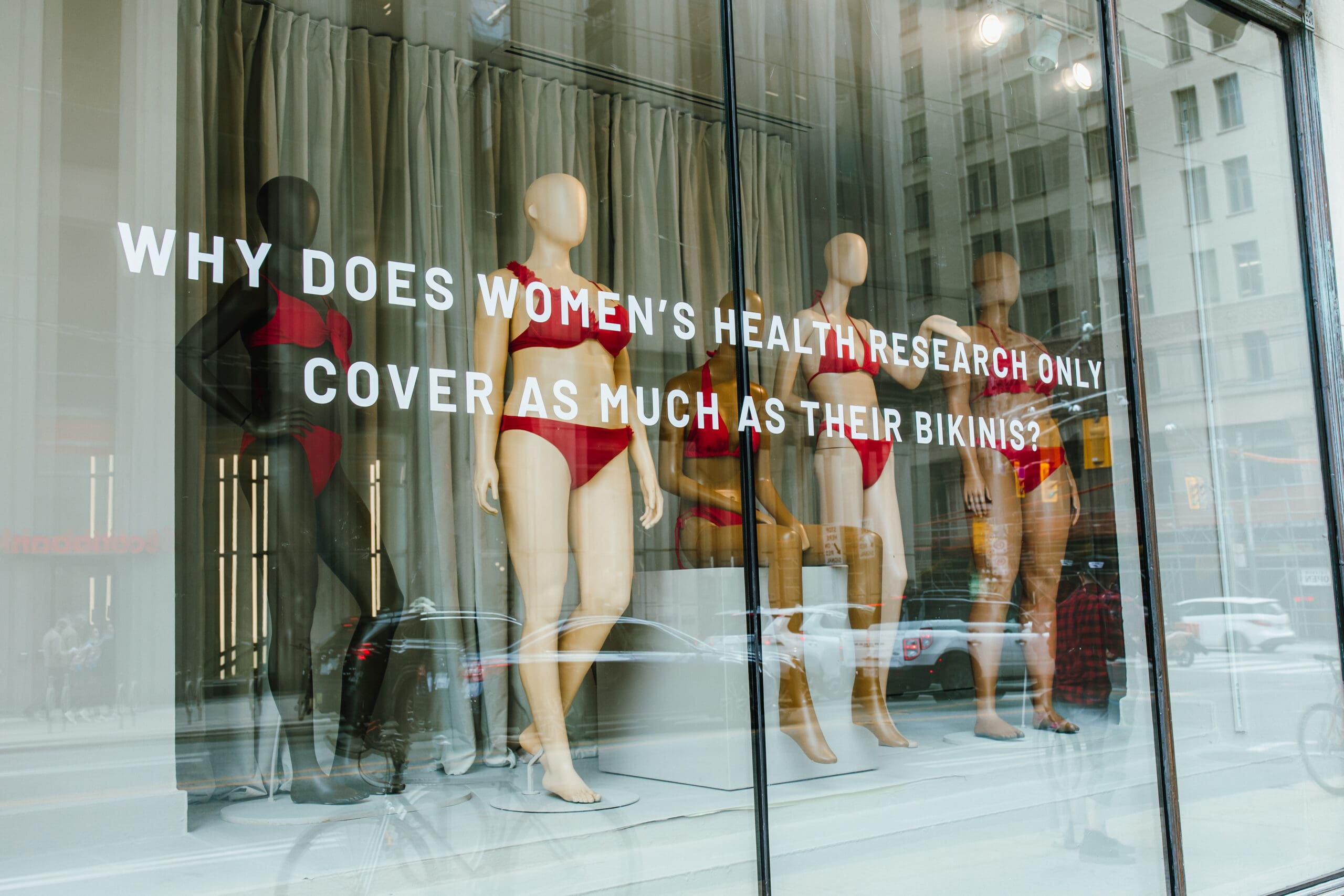
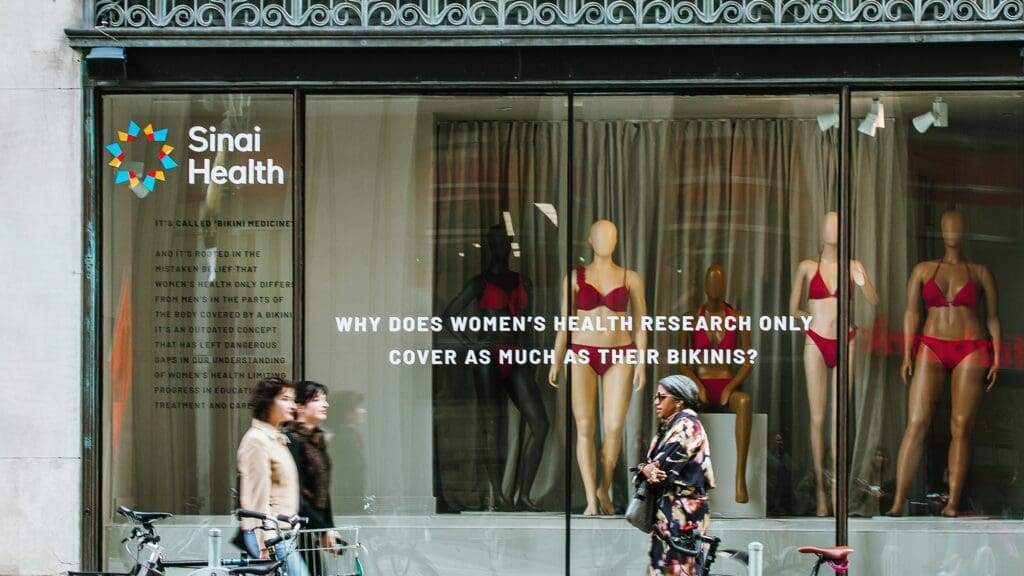
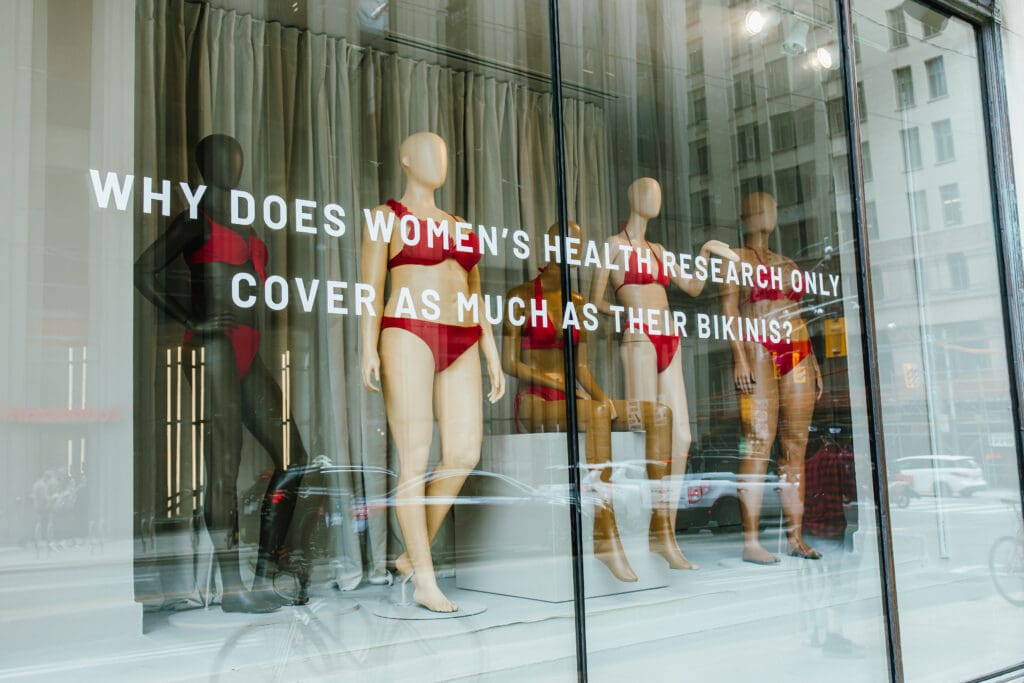
This World Menopause Day, we sat down with Dr. Wendy Wolfman and Dr. Paula Rochon of Sinai Health’s Weston and O’Born Centre for Mature Women’s Health to cut through the noise and ask the questions medicine has been dodging. Their new ’Questions’ campaign is calling out research gaps—and in our Q&A they explain what menopause really means for heart, bone and brain health, the questions every woman should bring to her next doctor’s visit, and why the time for answers is now. —Noa Nichol


Dr. Paula Rochon, Director of Research, Weston and O’Born Centre for Mature Women’s Health
Women’s health research receives just 6% of federal funding. Practically speaking, how does that funding gap limit the kinds of menopause research we need, and where would additional dollars make the biggest near-term difference?
There are critical gaps in understanding of how menopause and aging affect women’s long-term health, which can lead to misdiagnoses, ignored symptoms and suboptimal treatment. Menopause, for example, is a transition that half the population will experience, and often seen as the starting point of where women begin to be more concerned about their health as they age, but researchers still don’t routinely consider mature women in their studies.
Improving the visibility of mature women in research begins with closing some of these data gaps. We need to invest in research that collects, analyzes and reports data disaggregated by sex, gender, and age so we can see how diseases impact women and men differently, and for various age groups. This will allow us to fully understand the needs of older women and to create tailored interventions for them. For example, understanding how older women respond distinctly to medications would lead to more precise dosing and reduce adverse effects or knowing the unique symptoms experienced by women during cardiac events can lead to more timely treatment and improved health outcomes. Supporting the health and well-being of all mature women means more awareness, more research leading that will inform better and more accessible clinical care.
You study medications and outcomes in older women — how should clinicians and patients think differently about prescribing practices and polypharmacy during and after menopause?
On average, mature women are more likely than men to live with chronic conditions, take more medications, resulting in a higher risk of experiencing polypharmacy and chronic use of “potentially inappropriate” drugs. An example of this is the prescribing cascade, which describes when a new medication is prescribed to treat what’s actually a side effect of another drug. This is particularly prevalent in older women, who are more likely than men to be prescribed five or more medications at once.
Both sex and age impact drug metabolization, resulting in mature women often needing lower optimal doses to achieve the same effect. The reality is that most drug trials do not adequately include women in this age range, which means we’re often prescribing doses developed for younger populations or primarily male participants. Women are already 36% more likely to experience serious adverse drug reactions, and that risk compounds with age and multiple medications. As clinicians, conducting frequent medication reviews for their patients who are on multiple medications, and having conversations about their care goals can inform the course of treatment. Lists, criteria, algorithms and deprescribing tools can provide guidance with clinical decision making. Patients can ask their prescribers if an existing drug therapy could be causing a new medical condition, if a lower dose or alterative therapy be initiated or if the drug is still needed at all.
Heart, bone and brain health can start to change during menopause and continue to impact women as they age. How should routine screening and prevention strategies be adjusted for women in midlife to reflect these risks?
Perimenopause and menopause are moments when many women start to pay more attention to their health and think more about how they can set themselves up for a healthier aging experience. When we think about what sorts of things contribute to the building blocks of that kind of long-term health, it often does come down to the basics like sleep, diet, exercise and social connection.
These lifestyle changes can make a difference in our long-term health overall – things like healthy balanced eating habits, or making sure we stay active and getting enough rest. Social connection also plays an important role in keeping us healthy. So, we can’t forget that as we navigate life-changes, that finding ways to stay connected and intentionally investing in meaningful relationships has measurable health benefits.
Translating research into practice is hard. What strategies is the Centre using to ensure trial results and new evidence actually change clinical guidelines and bedside care?
Sinai Health’s Lunenfeld-Tanenbaum Research Institute, one of the world’s top biomedical research institutes and is home to scientists who are leaders in the fields of system biology, neurodevelopment, women’s and infants’ health, regenerative medicine, and complex diseases such as cancer, diabetes, musculoskeletal conditions and more. Many investigators at Sinai Health are already studying the many chronic conditions that could be impacted by menopause and beyond. At the Centre, one of our priorities is shifting the landscape of health research and the way people think about and include older women in their work. This starts by working closely with our colleagues from across multiple disciplines to ensure that we’re able to get the most insights out of the incredible research that is already happening.
When clinical or research findings are not broken down by sex, gender or age, we are missing out on opportunities to understand how diseases develop differently in men and women and how aging influences that process. We are also missing key insights into how biological differences influence the ways a person responds to medications or treatments. So, from a research perspective, an important next step is to ensure that sex, gender and age are considered throughout the entire project from having mature women in mind right from idea inception through to collecting the necessary data, statistical analyses to reporting and dissemination.
Working with our colleagues at Sinai Health, in the Centre and beyond, we have the unique opportunity to add this layer of insight into our work. By doing that, we’ll have an incredible opportunity to produce world class research that can inform new standards of care for mature women.
Equity matters in research. How are you designing studies to include diverse populations—across race, socioeconomic status, geography and gender identity—so findings are truly generalizable to all women?
There are gaps in research and specialized care for mature women that takes into account both the biological/clinical conditions and socio-cultural influences which interact to shape the health experiences for mature women. As women enter menopause and beyond, they experience health conditions differently, while also potentially facing additional challenges related to health services access, social and economic circumstances. Looking at sex, gender and age in silos is not enough – it is important to consider intersectionality and that all these factors interact to create the aging experience. We champion the integration of an intersectional sex and gender lens (SGBA+) in health research by collecting, disaggregating and reporting data by sex, age and other key gender related sociocultural factors like socioeconomic status, race, ethnicity and identity, and how they are interrelated.
Dr. Wendy Wolfman, Director, Weston and O’Born Centre for Mature Women’s Health
Your Centre emphasizes whole-person care for women in midlife and beyond — what are the top three clinical gaps you see today in how menopause is assessed and treated in primary care settings?
Some physicians, health professionals and many patients lack access to evidence-based information required to understand and manage menopausal symptoms. We’re also still treating menopause in isolation rather than recognizing it as a pivotal transition that also affects asymptomatic long-term health across multiple body systems. The changes impacted include a woman’s cardiovascular risk, bone health and cognitive function.
Finally, there’s a gap in recognizing and addressing the intersection of menopause with other social and cultural factors. In addition to taking care of their own health needs, women are often juggling caregiving, workplace and other financial responsibilities simultaneously. And with 1 out of 10 women leaving the workforce due to unmanaged, debilitating menopause symptoms, it’s clear we need to do a better job of addressing women’s symptoms during this transition.
For women who feel dismissed when they raise menopausal symptoms, what practical steps can they and their clinicians take to ensure symptoms are validated, investigated, and managed appropriately?
Women should feel empowered to ask health-care providers questions about their health, but they should also come prepared. This includes keeping track of their symptoms (see the menopause tracker from the Menopause Foundation of Canada) — paying attention to when they occur, their severity, and how they impact daily life. There is a belief that because menopause is a natural part of aging, it requires no attention. And while aging is a part of life, women deserve to thrive and live well in all stages of their life. If your symptoms are impacting your quality of life, seeing your health provider can be helpful,
What are the most promising studies coming out around menopause and what are some of the research questions that should be prioritized now?
I think some of the most promising work is around the cause of hot flashes. What they are exactly, where they originate from and the physiological process of what happens to a woman who experiences them. This symptom is a significant physiologic event and not just “in their head.” There are effective hormonal and also new non-hormone medications that have been studied to help women manage debilitating symptoms that impact their daily lives. I also think there needs to be more research on how menopause can affect the diseases of aging, like cardiovascular health, osteoporosis, and dementia, and the intersection of lack of hormones and aging.
The Centre offers multidisciplinary services — how do you integrate cardiology, endocrinology, mental health and other specialties into a seamless pathway for a single patient with complex menopausal symptoms?
While we are still building the Centre, we are starting to integrate the plans for other aspects of women’s health. After reviewing symptoms through a comprehensive intake and questionnaire, it becomes clear if the patient needs other referrals. There are many clinicians and specialty clinics that we hope will be situated at the Centre. We are planning to establish clinics that focus on psychiatry, neurology, osteoporosis and much-needed support to women experiencing menopause symptoms after breast cancer treatment. We will have interdisciplinary fellows who will attend these clinics, and we will all learn from each other. It will be an exciting hub of research and care to make sure women get the care they deserve in challenging clinical situations.
What community or system-level changes would most quickly improve access to timely, evidence-based menopause care across Ontario, especially for women in rural or underserved communities?
Unfortunately, there are no quick fixes for this problem. Women’s health, especially mature women’s health, has been chronically underfunded and under resourced. For instance, there is no fee code in most provinces for a menopausal assessment. Lack of menopause training in medical education is a huge barrier to ensuring women get access to the care that they deserve – leading to years-long wait times at specialized clinics and a pervasive lack of awareness about treatment options. There has also been misinformation about the risks of certain approved therapies based on older results from 2002 that make some providers wary of prescribing them to women, even if they ask for them.
Education and information are going to be some of the most important tools we need to focus on to ensure we can improve access for women, especially those who are living in rural or underserved communities. With the work we’re doing at the Weston and O’Born Centre for Mature Women’s Health, we hope to continue to deepen our focus on research so that we accelerate breakthroughs in menopause – but also in other areas that affect women’s health like cardiology, mental health, sexual medicine, pelvic health and beyond. We are also committed to expanding the quality and quantity of information that is available to both health-care providers and patients.
It’s been so inspiring to see so many women standing up to advocate for better care. And we need to keep pushing. The time is now to address the urgent need to overcome women’s health inequities. By investing in women’s health, we stand to improve countless lives and unlock immense potential – not just for women, but for our entire nation.
share:

October 22nd, 2025 at 8:31 am
Thank you for such an informative article! This was super helpful and easy to follow. Thanks for sharing!If you’re looking for tips to help yourself with today’s NYT wordle answers
October 22nd, 2025 at 10:46 am
It is interesting to read such an article about menopause, especially when experts openly talk about important aspects of women’s health — the heart, bones, and brain. Many people simply do not know what questions to ask their doctor, and this “Questions” campaign really helps to set the tone. Personally, I liked that they emphasize the need for knowledge and preparation for consultations. In addition, it reminded me how modern technology can help with self-awareness and health maintenance. For example, I recently discovered the platform chatbot joi , where you can create virtual assistants and AI partners that help you track your health, get advice, and even tips on healthy habits. It’s a great tool for those who want to take more control of their well-being and understand their body’s signals. Overall, the article inspires you to be mindful of yourself and seek out additional resources for your health.
October 27th, 2025 at 5:50 am
Its so important for women to feel confident asking the right questions and getting care that reflects what’s really going on with their heart, bones, brain and more. If anyone reading this is in the Boston area and wondering where to start, I recommend reaching out to a dedicated specialist like a Menopause specialist in Boston — someone who truly understands this transition and can help you navigate it with everything you need.