

I didn’t plan to become a wool convert. When packing for a recent two-week trip along Croatia’s Dalmatian coast—part land, part sea—the last thing I imagined was reaching for the same shirt every other day and still feeling (and smelling) civilized. Wool was for ski trips, not for sipping Pošip on a warm October afternoon in Mlljet or Vis.
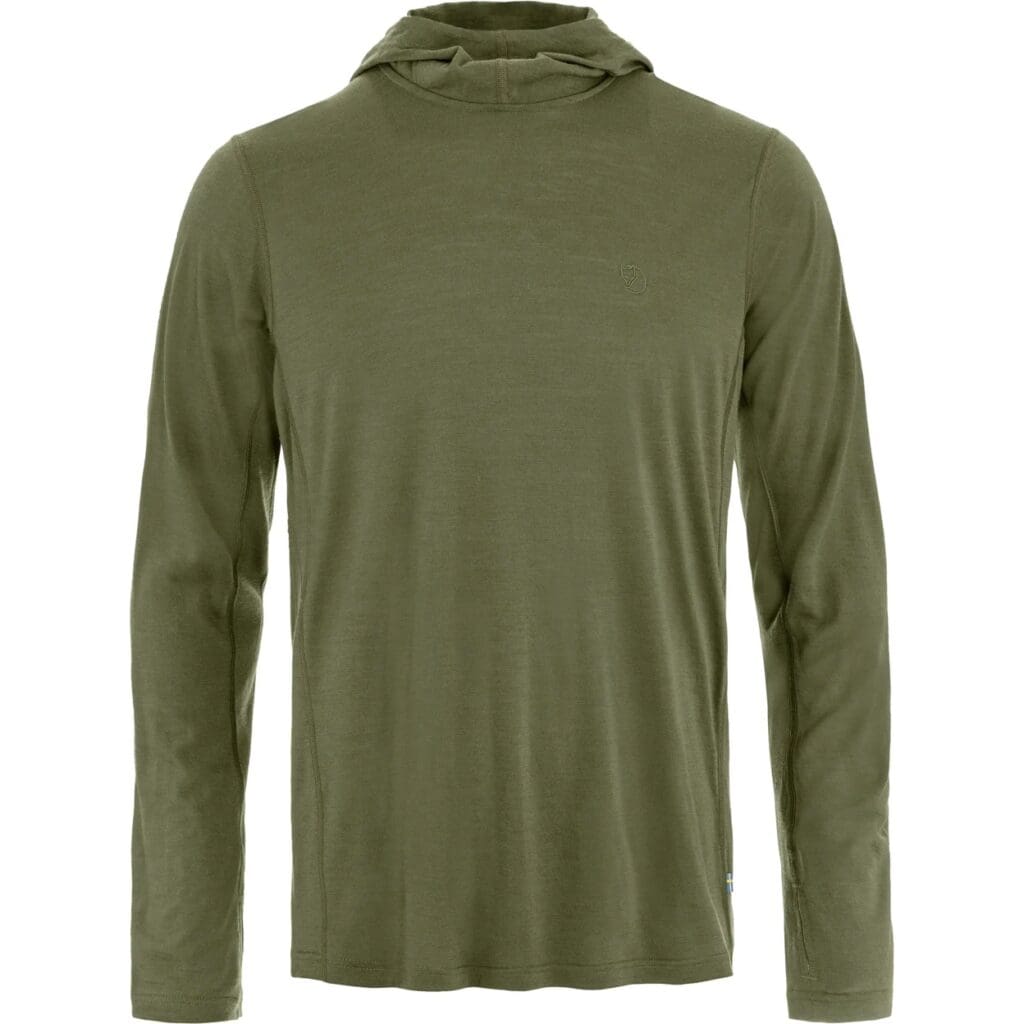
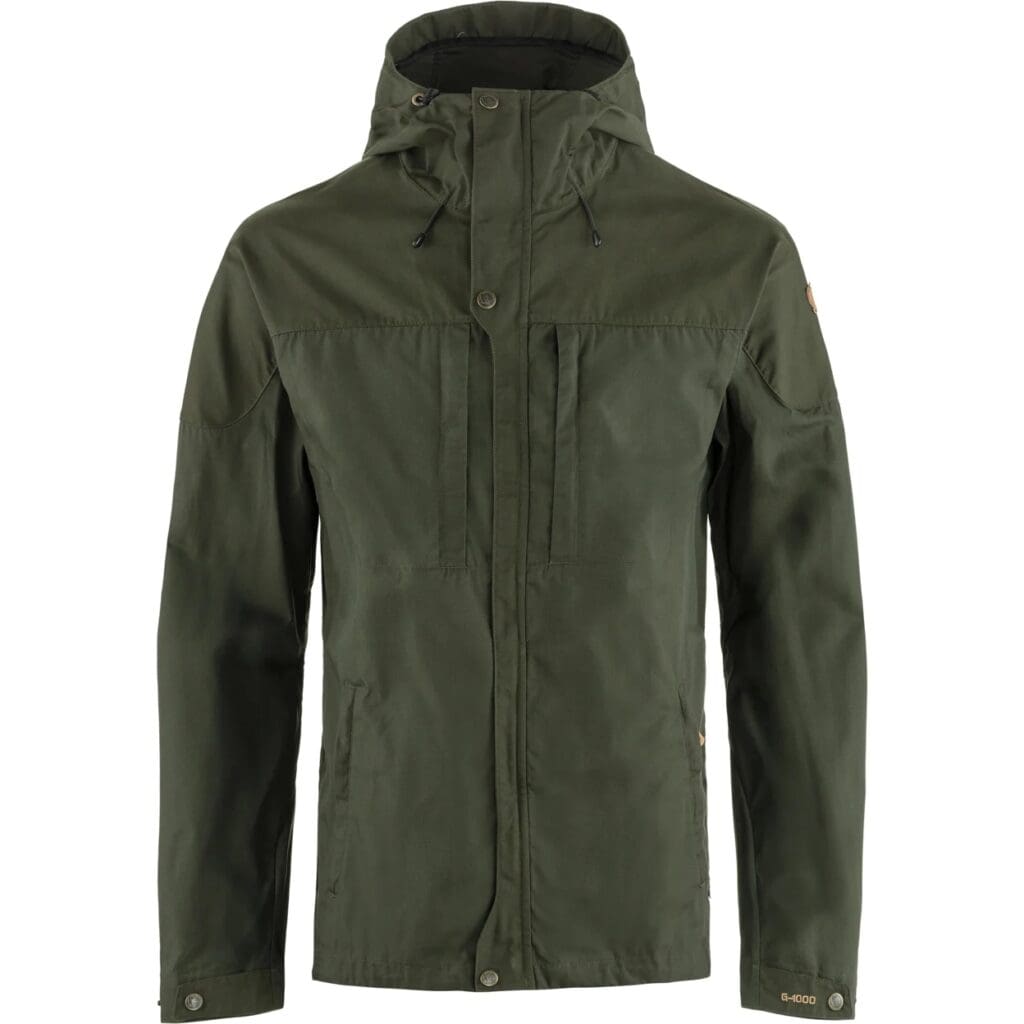
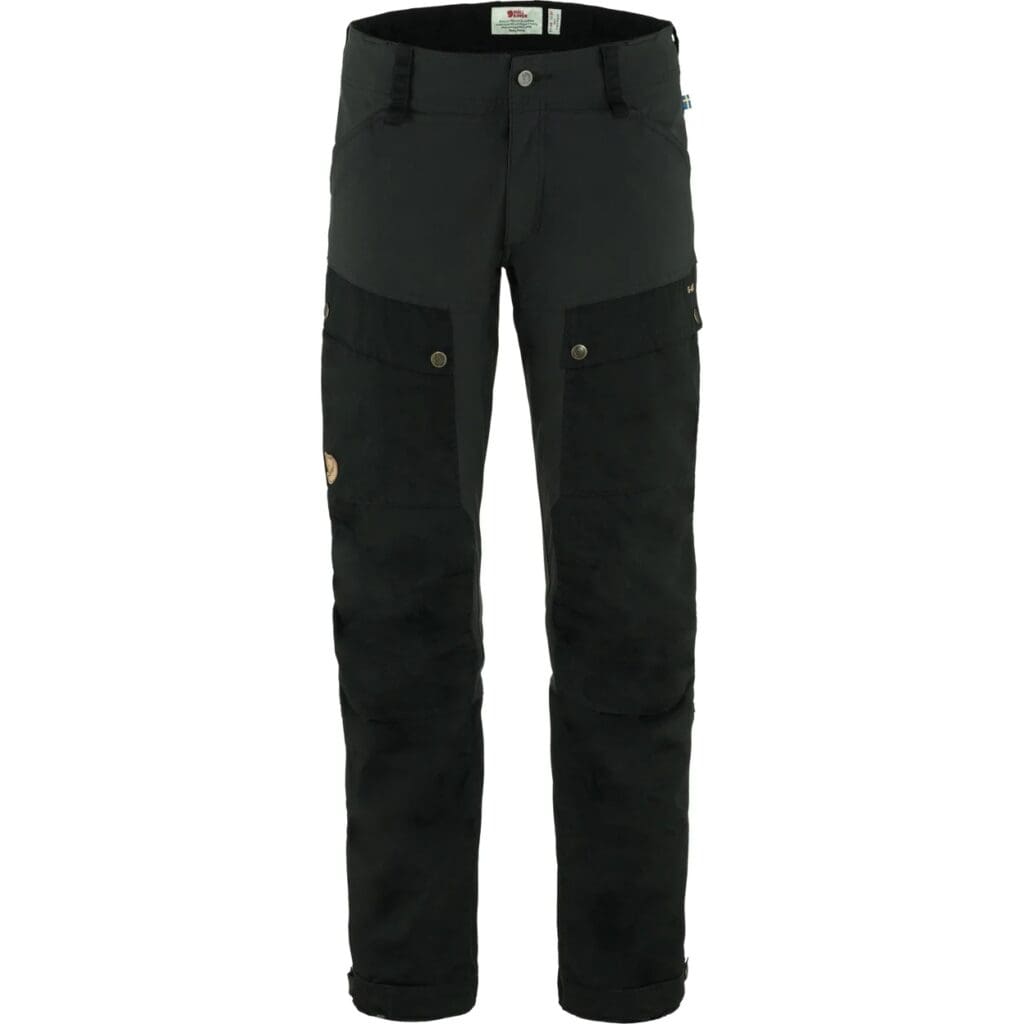
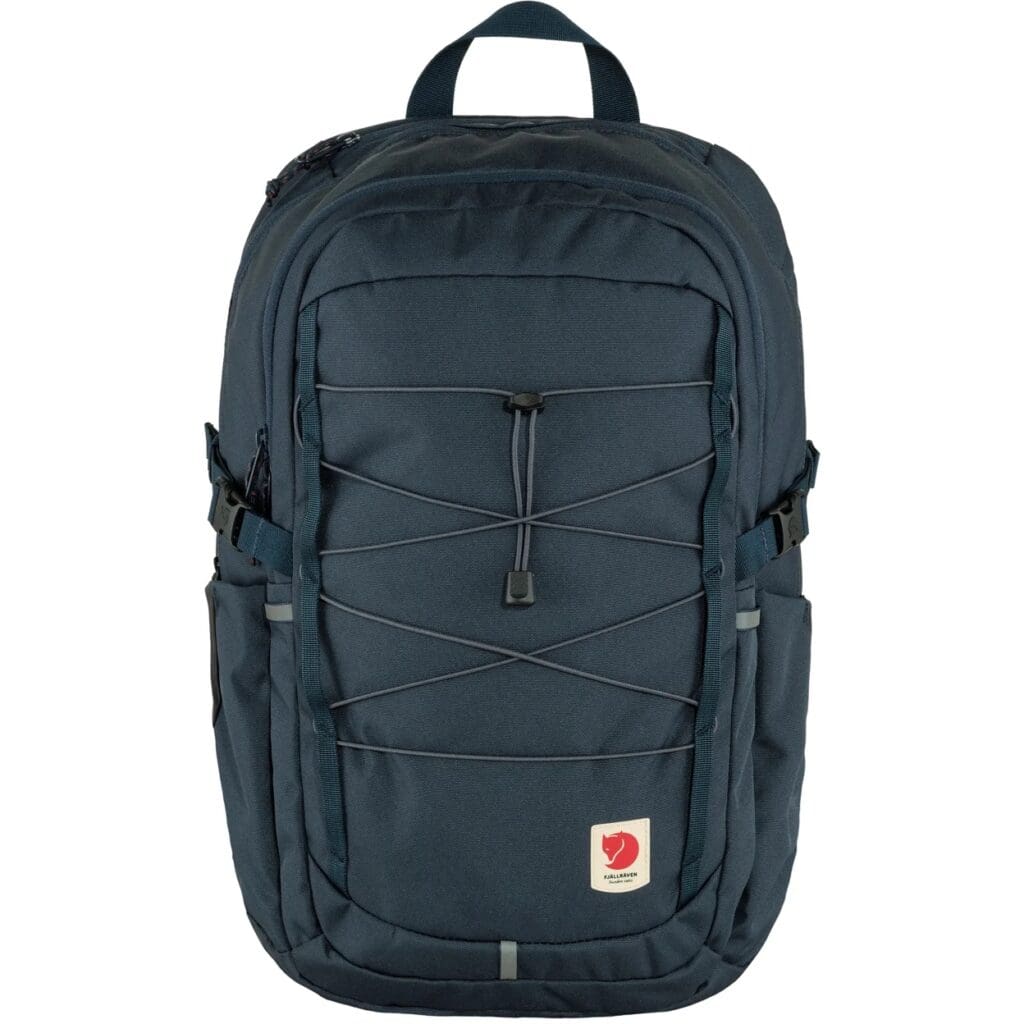
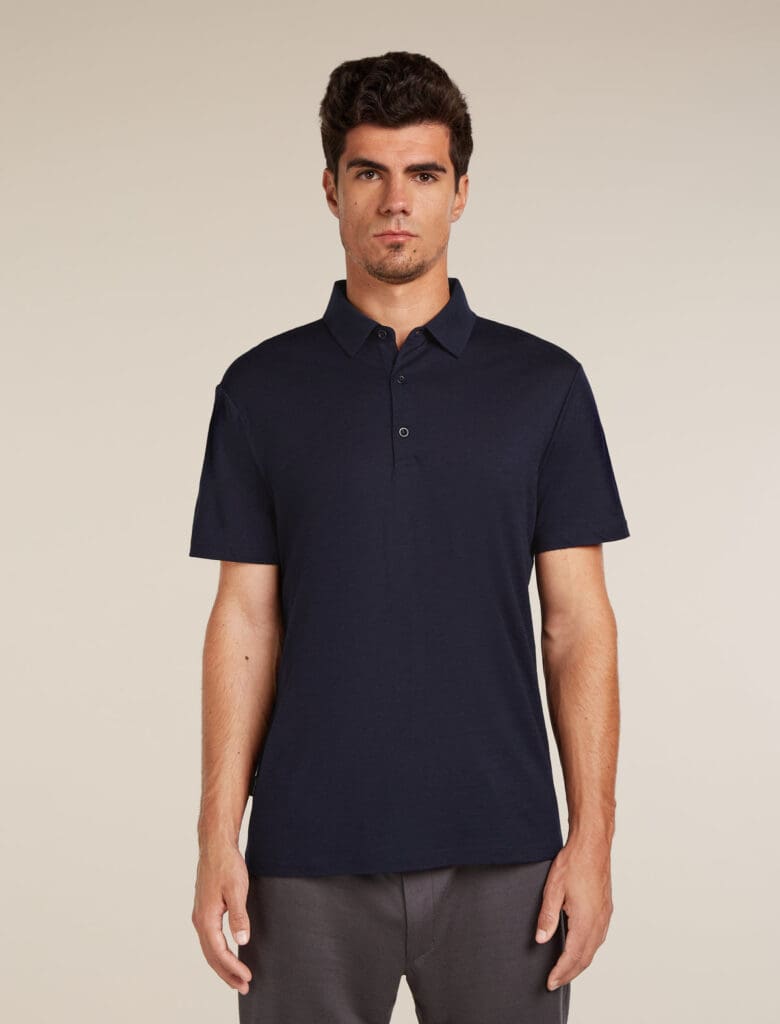
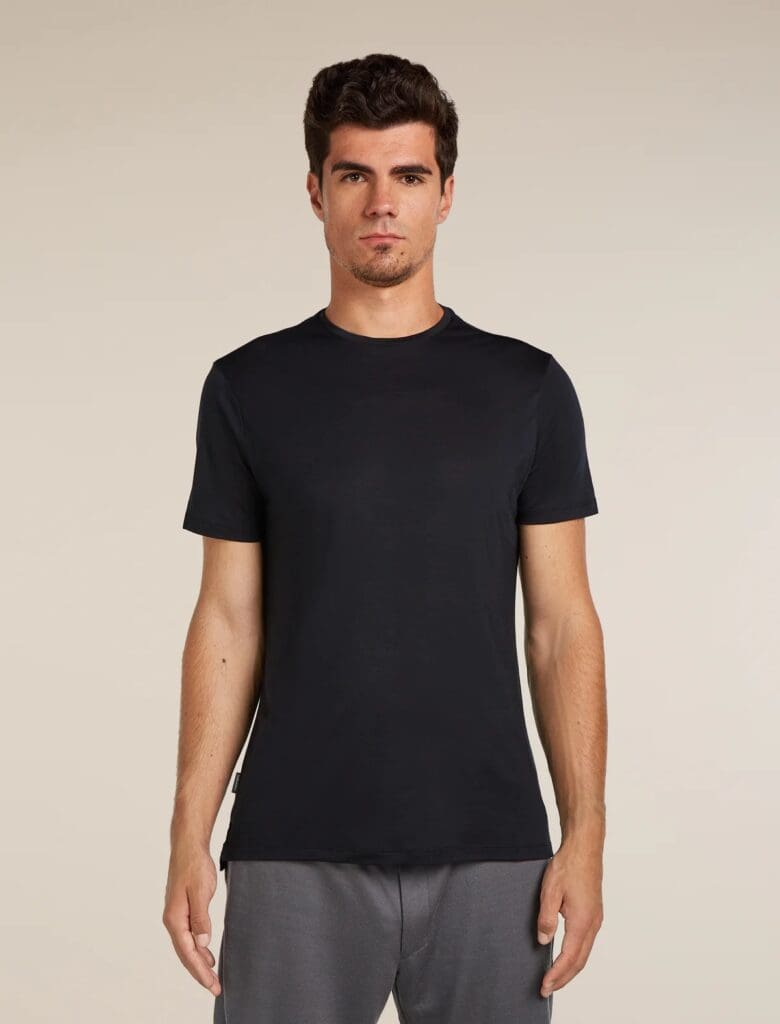
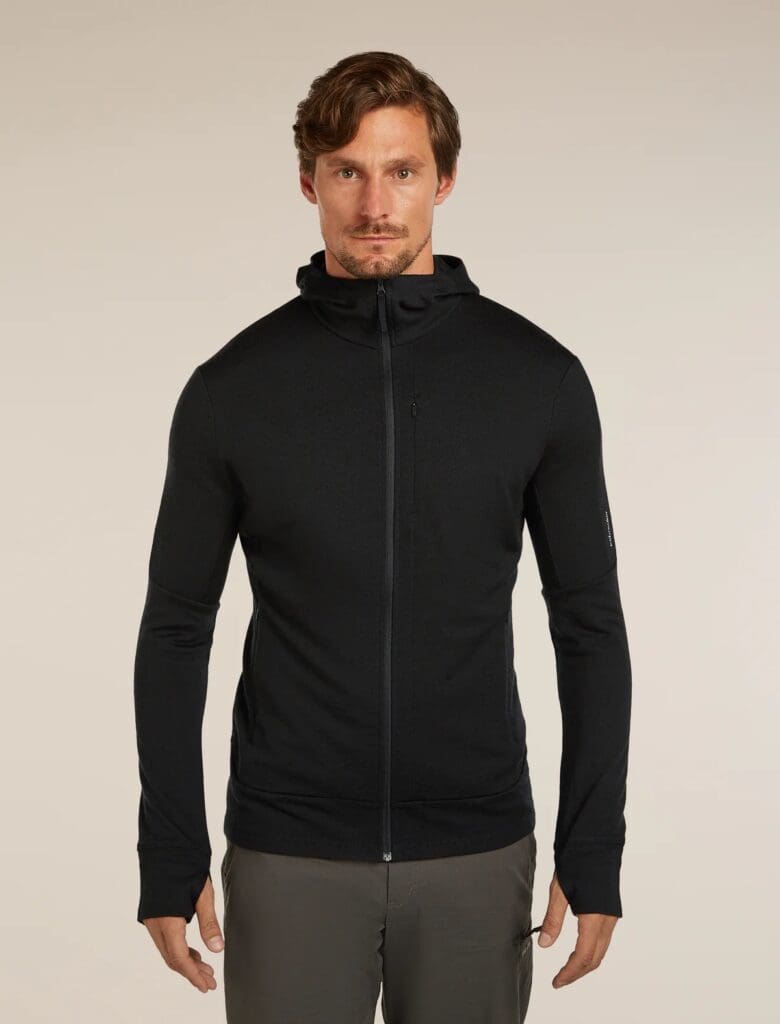
But after years of overpacking and rinsing synthetics in hotel sinks, I decided to test the hype. Into my small carry-on went a handful of Icebreaker Merino pieces—the 150 MerinoFine™ Ace Short Sleeve T-Shirt, Merino 150 Tech Lite Short Sleeve Polo, 200 MerinoFine Ace Half Zip Thermal Top, and the Men’s Merino 260 Quantum Long Sleeve Zip Hoodie. To round things out, I packed Fjällräven’s Abisko Wool Hoodie, Keb Trousers, a lightweight Skogsö Jacket, and a versatile Skule 28 backpack.
That modest lineup would take me from Dubrovnik’s Old Town ramparts to the pine-scented hills of Cavtat and across the Adriatic to Korčula before sailing back again. By the time I disembarked, I was ready to pledge allegiance to the sheep.
Flight-tested and jet-lag approved
The conversion began somewhere over the Atlantic. Usually, a long-haul flight from Vancouver to Croatia means wardrobe failure somewhere around Iceland—synthetic shirts turn clammy, cotton clings, and you land looking like you’ve been tumble-dried.
Not this time. My Icebreaker tee and hoodie managed the impossible: comfort. The breathable fibres kept me warm without overheating under the airline blanket, and by the time we touched down in Dubrovnik 13 hours later, I didn’t smell like a gym bag. Wool’s moisture management and odour resistance are real—and once you’ve tested them in an airplane seat, there’s no going back.
Dubrovnik and the great laundry escape
That comfort carried into my first few days exploring Dubrovnik’s limestone maze of alleys and staircases. Climbing the city walls in 26-degree heat usually means a sweaty shirt fit for exile. But my Icebreaker Tech Lite tee handled it like a pro—cool, breathable, and still presentable by dinner.
That night, while other travellers rinsed their shirts in the sink, I just draped mine over a chair. The next morning, it looked and smelled fresh. That’s odour resistance in action: wool naturally fends off bacteria, letting you re-wear pieces multiple times without social consequences.
From vineyard to vessel
A few days later, I boarded a small-ship Sail Croatia wine cruise in Korčula bound for Dubrovnik, weaving between sun-drenched islands and harbours. Mornings were cool and breezy, afternoons balmy, evenings crisp. Usually, I’d be peeling and re-layering all day. Instead, my Merino tops handled it effortlessly.
That’s wool’s temperature-regulating trick—its fibres trap or release heat as needed. My Fjällräven Abisko Wool Hoodie kept me warm during early-morning embarkations and didn’t roast me once the sun broke through over the Adriatic. Paired with my durable but breathable Keb Trousers, I was ready for anything from vineyard tastings of Plavac Mali to sunset strolls along Korčula’s medieval walls.
Lighter bag, happier traveller
This was also the first trip where my luggage didn’t look like it was packed for a month. Wool’s re-wearability meant I needed fewer pieces: two shirts, one polo, one hoodie, one half-zip, one jacket, one pair of trousers. Everything dried quickly, resisted wrinkles, and kept its shape.
By week two, fellow passengers were queuing for the ship’s tiny laundry service. I, meanwhile, had room in my bag for olive oil, honey, and a few bottles of Pošip—arguably more valuable cargo.
Cavtat and conscious comfort
One day, I journeyed south of Dubrovnik to Cavtat, a quiet coastal town of cypress-lined promenades and rocky coves. The weather flipped from breezy to bright, then back to cool shade—an all-day stress test for my wool layers. Once again, they passed. My Icebreaker polo looked crisp enough for a seaside lunch, while the Fjällräven Skogsö Jacket kept me warm on the ride back.
There’s also satisfaction in knowing your clothes are doing less harm. Wool is renewable, biodegradable, and long-lasting—qualities most synthetics can’t claim. Icebreaker and Fjällräven both trace their fibres to ethical farms, and compared to the microplastics shed by polyester, wool feels like the clear moral (and environmental) winner.
When you’re surrounded by such pristine water, it’s hard not to appreciate clothing that plays nice with the planet.
The true test
By the time my ship pulled back into Dubrovnik, I realized how completely wool had simplified my travel life. My Icebreaker tee still smelled fine after multiple wears. My Fjällräven gear looked freshly laundered. And my Merino layers had survived two weeks of trains, boats, vineyards, and dinners without a single wash.
It wasn’t just about packing less; it was about thinking less—no laundry stress, no clammy discomfort, no suitcase full of regret.
So yes, Croatia converted me. I came home with a tan, a mild addiction to Dingač wine, and a suitcase full of wool that still looked (and smelled) ready for another adventure. Next time you’re packing for a long flight—or a long journey—take a cue from the sheep. You’ll arrive fresher, lighter, and infinitely less rumpled. —Mark Sissons
share:

November 1st, 2025 at 12:10 am
취향저격 콘텐츠는 언제나 69티비
요즘 마음이 답답하다면 잠깐 쉬어가세요.
69티비에는 무료웹툰, 명품레플리카, 해외골프여행 등
여성 감성에 꼭 맞는 콘텐츠가 가득해요.
한 페이지 한 페이지마다 감각이 살아있어요.
보는 것만으로도 기분이 좋아지는 그런 사이트예요.
https://69intv.com
March 22nd, 2026 at 2:03 pm
I really like your blog posts, thank you for sharing it.
https://tempsmss.com/
March 22nd, 2026 at 2:04 pm
Great to see this blogs!
thank you for sharing