
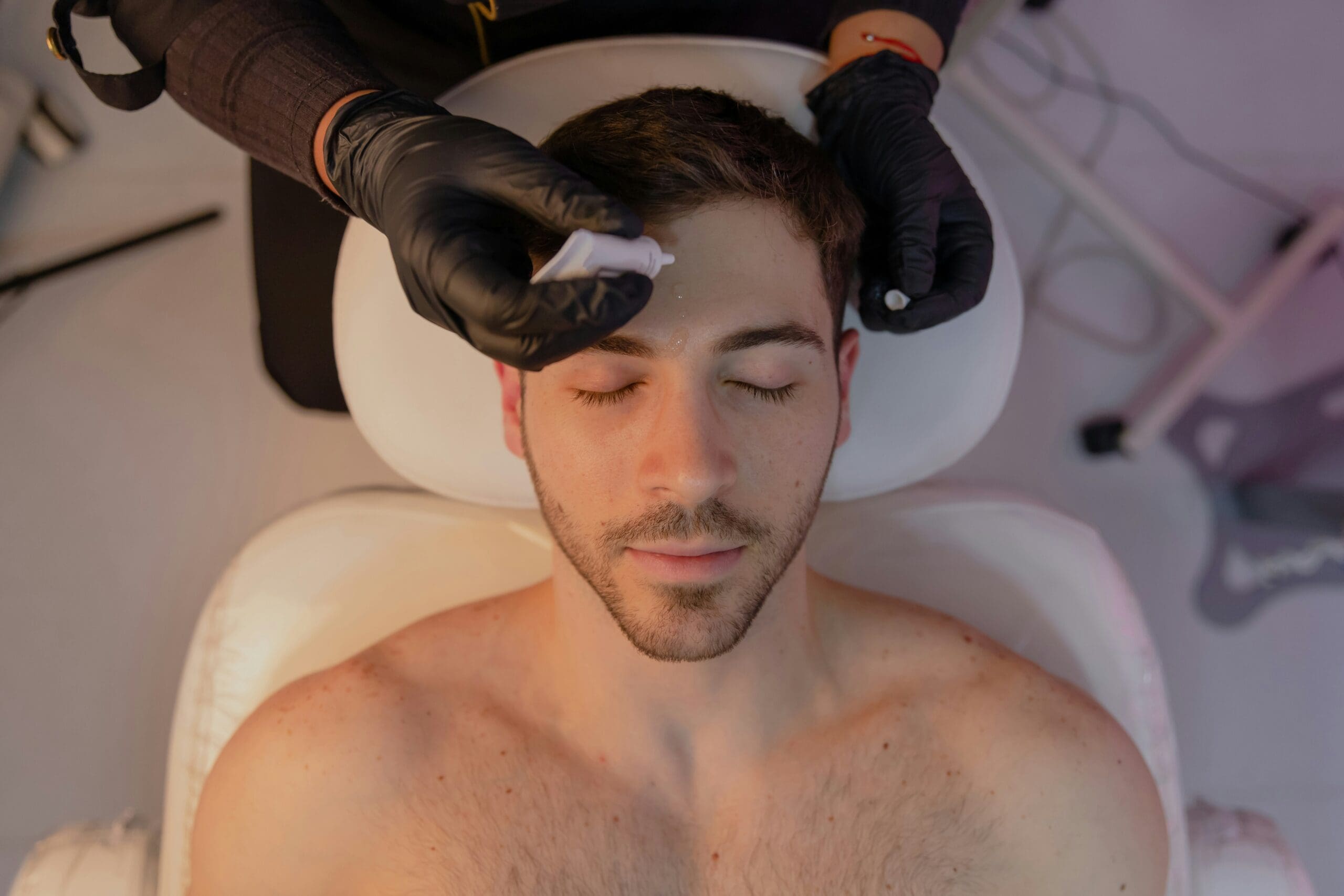
Once whispered about behind closed doors, men’s self-care has stepped confidently into the spotlight—fueled by a cultural shift toward openness, longevity, and confidence. From A-listers like Bradley Cooper redefining aging to everyday professionals investing in their appearance and well-being, men are embracing aesthetic treatments as part of a modern wellness routine.
At Toronto’s FORM Face + Body, Dr. Michael Brandt is helping lead this transformation. With cutting-edge treatments like robotic hair restoration, Botox®, Dysport®, and jawline contouring, FORM offers discreet, physician-led care that focuses on looking natural, refreshed, and entirely authentic. In this exclusive Q&A, Dr. Michael breaks down the rise of men’s aesthetics, the psychology behind confidence, and why self-care is no longer just a women’s conversation. —Noa Nichol
Men’s self-care has evolved dramatically in recent years. From your perspective, what’s driving this shift toward openness and confidence in aesthetic treatments among men?
Over the past decade, we’ve seen a major cultural shift in how men view self-care. Men are now far more willing to treat their appearance as part of their overall well-being—no different than fitness, nutrition, or mental health.
A big driver is the “digital mirror” effect: video calls, constant photos, and social media mean men are seeing themselves more often and more critically. They want to look fresh, energetic, and aligned with how they feel internally.
What really accelerates this openness is that modern aesthetic treatments are subtle, highly effective, and discreet. When men realize they can enhance their appearance without looking “done,” the stigma falls away.
At FORM, you’re seeing more men seeking treatments like robotic hair restoration, Botox®, and jawline contouring. What are the top motivations they share when walking through your doors?
The motivations are surprisingly universal. Many men tell me they’re driven by confidence—they want their appearance to reflect how they feel inside: strong, capable, and youthful. Professional presence plays a major role as well; in competitive industries, looking alert and energized truly matters, and men want to stay visually “in the game.” More and more are also embracing proactive aging, choosing small, strategic interventions rather than waiting for significant changes to appear. And, of course, discretion and efficiency are essential—they want treatments that are effective, natural-looking, and require minimal downtime. Ultimately, most aren’t trying to look different at all; they simply want to look like the best version of themselves.
The idea of “aging like a leading man” feels aspirational but attainable—what does that actually look like in medical aesthetics terms, and how do you help clients achieve that balance between natural and refreshed?
“Aging like a leading man” is about maintaining structure, vitality, and character—not erasing age or chasing perfection. Look at actors like Tom Cruise or Brad Pitt: both have undoubtedly had some aesthetic help over the years, yet they still look entirely like themselves. They don’t appear pulled, overdone, or artificially altered. Instead, they look age-appropriate, masculine, and youthful in a way that feels natural.
Medically, achieving that balance means preserving a strong jawline, keeping the eyes open and rested, optimizing overall skin quality, and strategically maintaining hair density. My role is to enhance a man’s natural features with precision—not to change his identity. At FORM, we develop individualized plans built around small, subtle adjustments that support masculine structure while delivering a refreshed, confident appearance. The goal is simple: you should look great without anyone quite knowing why.
Hair restoration has long been a sensitive topic for men. How does the ARTAS iX Robotic Hair Restoration system change the conversation around hair loss and confidence?
Hair loss is a deeply emotional subject for many men, and historically, the solutions felt outdated or unpredictable. The ARTAS iX system has completely changed that narrative.
It uses AI-guided robotics to select and extract the best quality follicles with unmatched accuracy. That means no visible scarring at the back of the head, highly natural results, and a more comfortable recovery.
The precision of the technology gives men confidence in both the process and the outcome. For many, it’s the first time they feel they have a scientifically reliable solution to an issue that’s affected them for years.
Non-surgical treatments like Botox® and Dysport® are becoming staples for many male clients. How do men’s aesthetic goals and treatment approaches differ from women’s?
Men tend to prioritize structure and strength rather than softening or refining. They’re typically looking for a defined, chiseled jawline—not a slimmer one—and they prefer a lighter touch with neuromodulators so they can maintain their natural expression and avoid a “frozen” look. Their focus is on direct, strategic treatment plans that offer longevity and practicality, rather than frequent or dramatic changes. While women often seek contouring or reshaping, men are more interested in reinforcing their masculine features and maintaining a rested, confident appearance. Our approach is tailored to reflect these anatomical and aesthetic differences, ensuring results that align with their goals and identity.
There’s often a misconception that aesthetic procedures are about vanity. How do you help reframe these treatments as part of a larger conversation about health, longevity, and self-assurance?
I tell patients that wanting to look good isn’t vanity—it’s alignment. When your appearance reflects your energy, confidence, and lifestyle, you naturally show up better in every part of your life. We shift the conversation away from aesthetics as something superficial and instead position these treatments as part of a broader foundation of emotional well-being, professional confidence, skin and hair health, and long-term preventive aging. These interventions ultimately become one piece of a comprehensive self-care routine that supports not only how men look, but also how they feel and function day to day.
Discretion and trust are key for many male clients. How does FORM create a safe and professional environment that encourages openness and comfort during consultations?
Discretion is woven into everything we do. At FORM, we create an environment where men can feel completely at ease—starting with private conversations that feel more like talking with a trusted friend than being “sold” a treatment. Our modern, comfortable clinical setting, paired with a team that is both highly trained and genuinely down-to-earth, helps men open up about their goals without pressure or judgment. We prioritize confidentiality and transparent education so every patient feels informed, respected, and empowered. Many men tell me it’s the first time they’ve felt truly understood in this space. That trust is built through professionalism, honesty, and a consistent focus on natural, realistic outcomes.
Social media and celebrity culture have undeniably influenced how men perceive self-care. Have you noticed any trends inspired by public figures or cultural shifts that are impacting what men are asking for?
Absolutely. Many men draw inspiration from athletes, actors, and even CEOs who project a strong, polished, and age-appropriate look. They’re not trying to resemble celebrities—they’re aiming to achieve that same sense of presence and confidence in their own way. As a result, we’re seeing more requests for sharper jawlines, natural-looking hairlines, fresher eye areas, and subtle anti-wrinkle treatments. The “clean, masculine aesthetic” is definitely having a moment, and social media has played a major role in normalizing self-care for men by showcasing how refined, natural, and approachable these treatments can be.
FORM’s team blends artistry with advanced medical technology. Can you describe how your multidisciplinary approach ensures results that are subtle, natural, and tailored to each individual?
Every treatment at FORM begins with an expert eye for facial harmony, proportion, and balance—but just as importantly, with an understanding that men don’t want to look “made beautiful.” They want to look natural, masculine, and unmistakably themselves. Artistry matters deeply in what we do, but it’s not about sculpting someone into a different version of themselves; it’s about using skill and nuance to ensure the results feel authentic, understated, and true to their identity.
We combine detailed anatomical assessment with advanced imaging, robotic precision, and energy-based technologies, all guided by a collaborative team of specialists who understand the specific aesthetic goals men have. This multidisciplinary approach allows us to create highly tailored treatment plans that enhance rather than alter, reinforcing natural structure and presence without drawing attention to the work itself. Subtlety and naturalism are at the core of our philosophy—patients should look refreshed, confident, and well-rested, never “treated” or overdone.
Finally, what advice would you give to men considering their first aesthetic treatment—how can they begin their journey confidently and realistically?
Start with a consultation, not a commitment. Aesthetic medicine doesn’t need to feel overwhelming—often, one small, well-chosen treatment is enough to show you what’s possible and just how natural the results can be. When choosing a provider, look for someone who understands male anatomy, listens, and emphasizes subtle, long-term planning over quick fixes. Just as importantly, your provider’s own aesthetic should reflect the outcome you’re seeking. If they appear overdone, overly sculpted, or dramatically altered, that’s likely the aesthetic they promote—and it rarely aligns with what most men actually want.
My advice is simple: choose a clinician whose philosophy matches your goals, and aim to look like a refreshed, confident version of yourself—not someone else. The best treatments are the ones that make people say, “You look great,” without being able to identify exactly why.
share:

November 27th, 2025 at 9:31 am
The shift toward subtle, confidence boosting grooming makes a lot of sense. If you want to try a style upgrade that feels authentic a proper barber like Artisan Barber Shop can make a real difference: clean cuts, beard shaping, and a relaxed grooming ritual that helps you look and feel like the best version of yourself https://artisanbarbershop.com/
December 2nd, 2025 at 2:44 am
I really appreciate how this shift toward modern masculinity highlights confidence, self-care, and personal well-being. I’ve been paying more attention to that myself, especially when it comes to feeling comfortable with my appearance. Hair thinning can affect anyone, and finding subtle, natural-looking solutions makes a huge difference. That’s one of the reasons I check https://scalpnation.co.uk/scalp-micropigmentation/women/ — their approach to scalp micropigmentation shows how refined and realistic results can support both men and women in feeling their best. Your points about embracing self-care align perfectly with the idea of choosing treatments that empower you and fit a healthier mindset.