

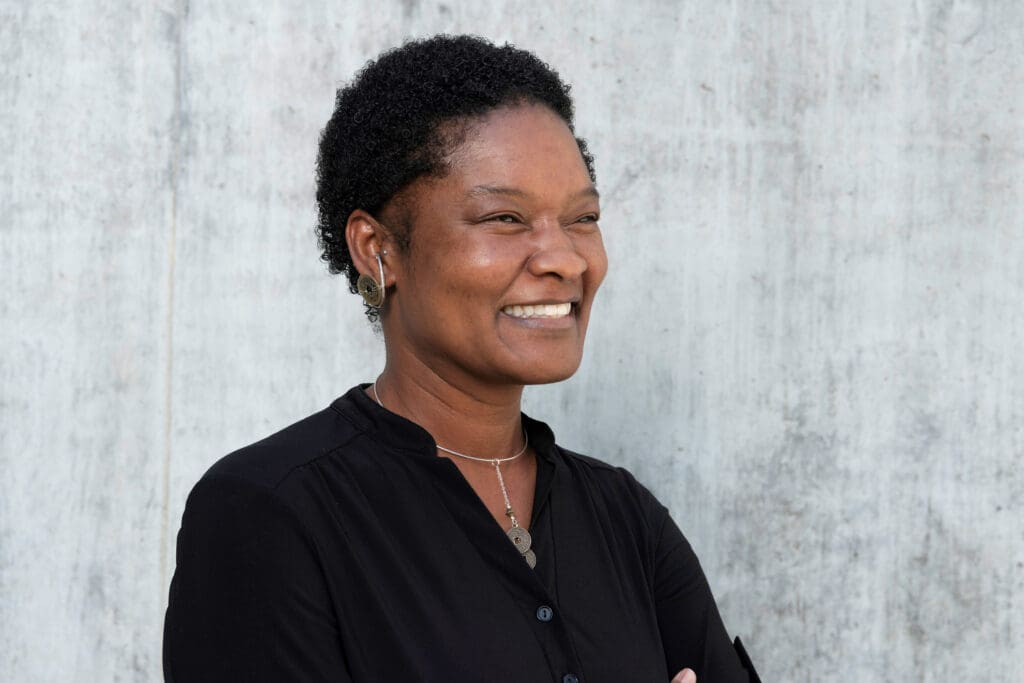
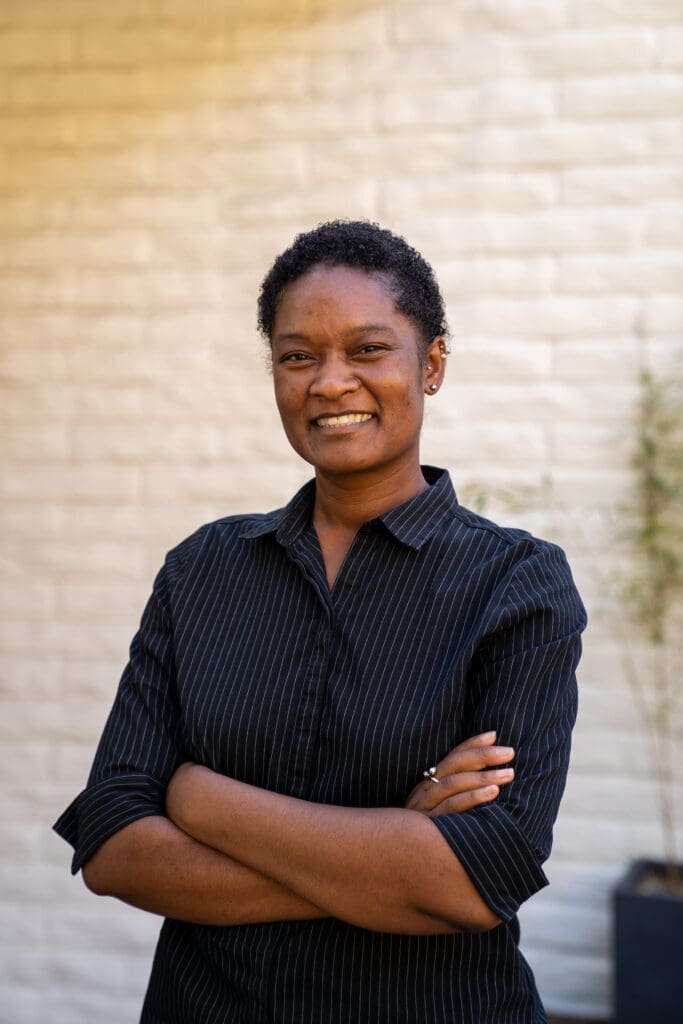
As interest in astrotourism, stargazing, and space science reaches new heights—and a rare solar maximum lights up our skies—Vancouver is getting a front-row seat to the universe. On February 12, National Geographic Live: Cosmic Adventures arrives at Vancouver Civic Theatres, featuring Tracy Drain, a NASA aerospace engineer whose work has helped send robotic explorers across our solar system. In this Q&A, Drain shares what it’s like to see space through the eyes of machines, why cosmic curiosity is surging right now, and how this awe-inspiring event offers a refreshingly different way to experience Valentine’s season—one that looks far beyond Earth. —Noa Nichol
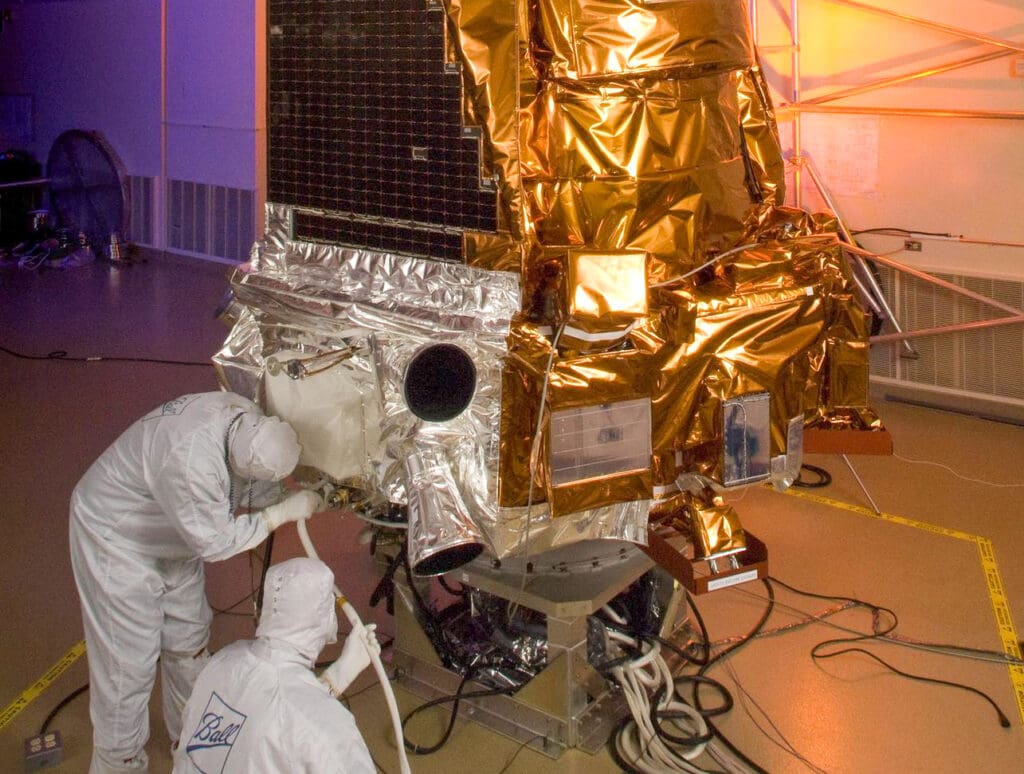


You’ve worked on a Mars orbiter, an Exoplanet hunter, you were the lead flight systems engineer (and now Chief Engineer in operations) for Europa Clipper — what are the biggest engineering surprises when designing robots for extreme environments?
There are so many surprises when you are designing missions to go to extreme environments! For me personally, the biggest surprises have always been that when you optimize a spacecraft for one thing (like protecting against the radiation around Jupiter by putting sensitive electronics in a “vault” made of aluminum or titanium), you make other things about the design a lot harder (like getting the excess heat generated by those electronics out of that protective vault, so they don’t get too hot). There are lots and lots of examples like that.
The Pacific Northwest has a strong robotics and space science community. How can local universities and high schools better prepare students for careers in missions like Europa Clipper?
In my opinion, hands-on problem solving is definitely great preparation for students who want to work in fields related to space exploration! You learn so much when you try to come up with an engineering solution to a problem, or scientific hypothesis for an observation about the world, and then test it… and it is actually fantastic when you initially get things wrong and have to figure out what happened and why, and then try again. There is really no substitute for that kind of learning. I’m glad to see so many schools and programs that involve projects or internships where students can get that kind of experience!
From my college days, I remember being very pressed for time on projects. So we tended to rush ahead quickly to get to the point of “just trying something” to see what worked… We sometimes short-changed the initial design phase where you think carefully about what you’re trying to achieve, lay out the options, figure out the pros/cons for all the options and so on. If they are not already doing so, I would encourage schools and universities to have a step in any project that has students talk over their initial design option space with someone who can ask them probing questions about the types of things they did and didn’t consider, and why.
Women in STEM remain underrepresented in aerospace. Can you describe a pivotal moment in your career that helped you break through a barrier, and what leaders can do to accelerate change?
I don’t really have any specific “moments” in my career that were obvious barrier breakthroughs… But here are a few things that I’m sure made a difference throughout my life:
In the first grade, I was a very chatty kid… My mom still has a page-long note that my teacher sent home, telling her that I kept talking in class and distracting the other kids. Fortunately for me, that teacher didn’t just conclude that I was a problem child – instead she told my mom that I seemed to finish my work early and get bored, and in her opinion I just needed to be placed in a more accelerated, challenging class. I am glad that I had the chance – 40 years later! – to tell that teacher how much she shifted the trajectory of my entire life by doing that! I would hope that teachers and parents everywhere try to see past surface problems students may be causing, and figure out what is going on with them and how they can help them unlock their hidden potential. I also hope that leaders in the aerospace industry prioritize outreach to young students as well as those in high school and college. Small changes early on can have a gigantic impact over time.
Over the years, I have heard many women say that they felt alienated and alone in college when they were in engineering programs that had few female students. I was lucky that during my freshman semester, I made good friends with two other young women studying engineering – the three of us were pretty much connected at the hip all throughout my undergrad years. I didn’t even recognize until years later how much it must have helped me to have them for camaraderie and support. There were plenty of challenging times of course; but it never even occurred to me to think “maybe I can’t do this because I am a woman.” Organizations like the Society of Women Engineers and the Brooke Owens Fellowship are great at fostering connections like this for students and early career professionals – but there could always be more of this!
At work, I think mentoring was a huge factor in my overall success. I was very fortunate to be embedded in teams with very supportive leads – whether they were men or women – who always seem committed to helping me learn and grow and not just “get through task at hand.” I also almost always had a mentor or two outside the mission I was on, sometimes through formal mentoring programs but often just because I asked someone to meet with me now and then for advice. I would love to see more organizations foster a strong mentoring culture like I have experienced, whether they are formal about it or not.
Tell us about a “problem you didn’t expect” on a mission — how did the team solve it and what did it teach you about mission resilience?
I will always remember an exciting time on Juno (a fantastic mission that has been studying Jupiter since 2016). The spacecraft successfully used its main engine to get into a large 53.5-day orbit around Jupiter on July 4th, 2016. But as we were preparing to execute a final large maneuver to put it into the intended 14-day science orbit, we saw some readings related to pressure in the propulsion system that were unexpected. We went into full investigation mode to quickly figure out what was going on, determine whether there was a risk to continuing with the original plans, figure out the alternatives and so on. It was a very stressful but also invigorating time – we needed all hands on deck to make sure we understood the implications of all of the options, their potential technical risk to the spacecraft and potential impact on the overall science mission we were trying to accomplish. Ultimately we wound up leaving the spacecraft in that larger orbit rather than risk using the main engine a final time. We were able to determine that the spacecraft and instruments would survive the longer mission time that would be needed to gather all the science data from that longer orbit. There were even some silver-lining scientific benefits from that new approach.
You could say that experience taught me that, under pressure, engineers and scientists can come up with extremely clever solutions that may not have been explored before… but to be honest, that’s something I’ve seen over and over during my career! So I can’t claim to be surprised by it anymore :-).
You’ve spoken about the human side of engineering — how do you keep teams motivated and creative during the long development phases of a mission?
So many things! First of all, there are so many things to do during development of complex missions like this… we all always have plenty of unexpected challenges to keep things interesting. People who do this kind of work are rather self-selected to enjoy sticky problems – so we are in our element! I think it also helps that missions with long development phases have plenty of concrete near-term milestones along the way. There are many peer reviews leading up to a Preliminary Design Review (where we get experts to come pore over the design with us to help us spot potential issues and get them resolved early), then a Critical Design Review (more of the same, but with a more mature design), then an Integration Review (leading into the major assembly and system level test phase) and so on. That gives us a lot of near-term deadlines for various stages of the work, which is a good forcing function to keep everything on track, and provides a concrete sense of accomplishment along the way.
I love that on missions with a long development timeline, while some people come and go, you mostly work with the same (large) team of folks for many months and even years. That naturally leads you to get to know people on both a professional and a personal level. We do things together to help build camaraderie, and that over time brings an extra layer of enjoyment to heading in to work every day. I think that also helps keep people motivated; now you don’t just want to accomplish a mission for the sake of the engineering feat and scientific discoveries to come, but also because it is important to people you now know and care about.
Lastly for me personally, and for some other folks as well, getting to tell the public about the cool things we’re doing and that the scientists are hoping to discover adds another layer of motivation. Any job can have its rough and stressful patches. But when you visit students and share stories with them about the things you and your team are up to, you see the excitement in their eyes and hear the burning curiosity behind the questions they ask. And that makes you remember – “Ah right; this is really cool, what we’re doing here!”
For young people (and parents) in Vancouver inspired by Mars and Jupiter missions, what practical steps and resources would you recommend to get started in aerospace engineering?
Young people and parents today are so lucky that there is such easy access to information online these days! I’m old enough to have gone to school before the advent of the internet, baha. Some things I would suggest are:
Try to find a local – or virtual! – a group or club where other students who share an interest in aerospace engineering get together. It would be great if they are working on projects together, but I imagine the connections would be valuable even if they are just meet-ups to talk about shared interests. (And if you can’t find one… consider starting one :-)).
Even if students are more drawn towards the mechanical or electrical flavor of aerospace engineering, think about learning to code. So many things that engineers do as a routine part of their job require writing at least simple scripts; it’s never too early to start practicing the basic ins and outs of coding. There are so many helpful, free tutorials online, even if students aren’t yet getting exposed to that in their school.
For students in college, definitely keep an eye out for internships that can help you develop your skills in the workplace.
Lastly – be open minded about what “aerospace engineering” can look like! People can start from a wide variety of areas and still wind up doing work on space missions. Folks who develop spacecraft or instruments or ground support equipment and so on come from so many different educational backgrounds… Some have studied mechanical engineering like I did, others studied aerospace or electrical engineering… Some studied computer science, some applied physics, some started with math… And people who are interested in the science side of things can study an equally wide variety of topics. I always encourage people to think about what area or areas they have the strongest interest in, then go on a hunt to figure out what people with those degrees have done in the industry. You might be surprised by what you find!
share:

January 15th, 2026 at 6:37 am
اعمال مميزة تابع اعمالنا في عملية غسيل وتكييف الهواء من أهم خطوات الصيانة الدورية التي تضمن لك هواء نقيا وأداء قويا للجهاز خاصة في الأجواء الحارة التي نعيشها سواء كنت تمتلك وحدة سبليت بسيطة في غرفتك أو نظامًا مركزيا يغطي فيلتك بالكامل حيث تعد شركة تنظيف مكيفات في دبي الإهمال في التنظيف يؤدي إلى تراكم الأتربة والفطريات مما يرفع فاتورة الكهرباء ويقلل من العمر الافتراضي للجهاز .