
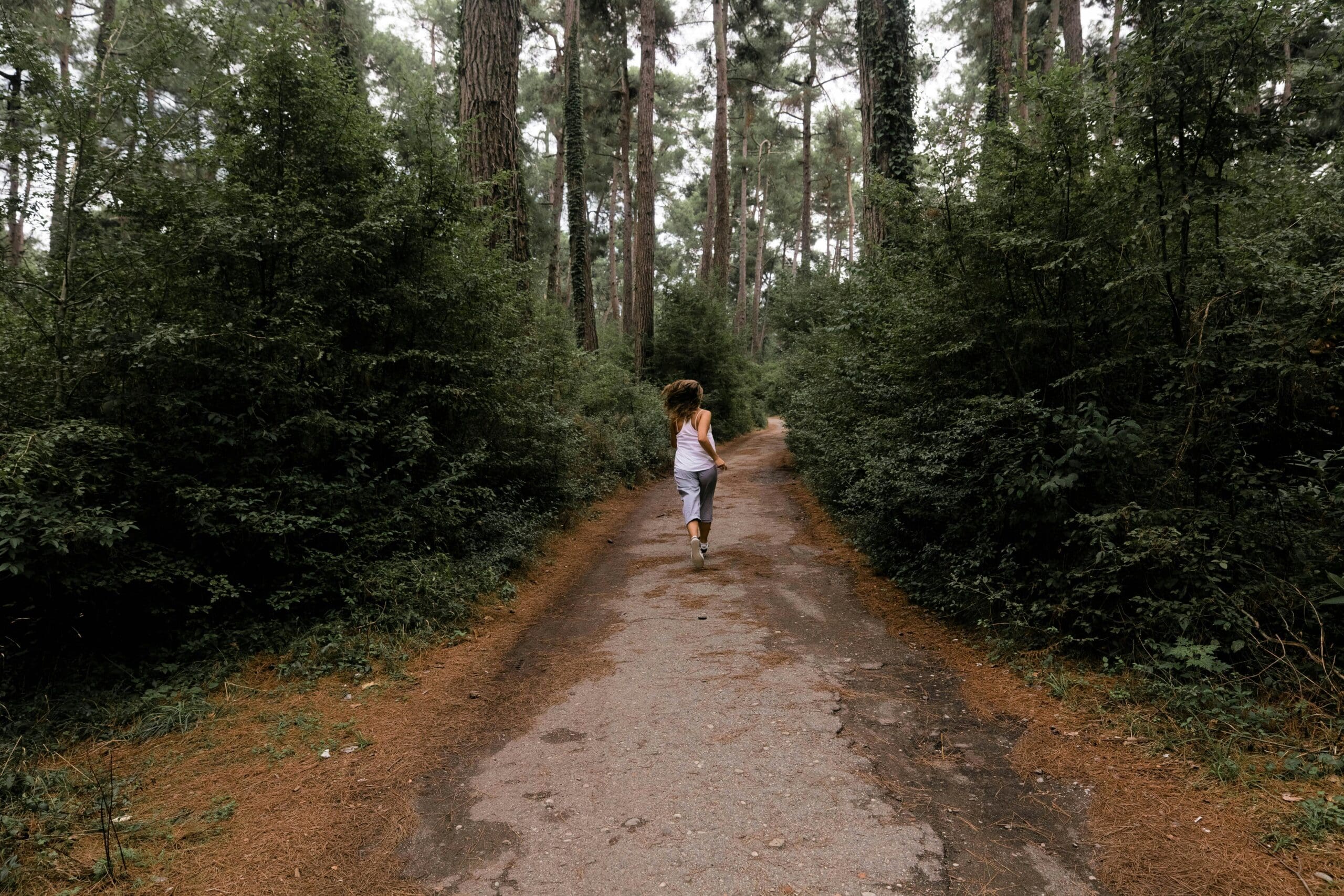
Why does one run leave you feeling euphoric, while another feels like a total slog? According to new research from Simon Fraser University, the answer has less to do with pace or distance—and much more to do with how runners feel in the moment. We caught up with Stella Harden, lead study researcher and geography scholar, to unpack her first-of-its-kind analysis of thousands of real Strava posts from Metro Vancouver runners. From safety and scenery to stress relief and social connection, Stella reveals what truly makes a run joyful—and how cities can design spaces that help more people keep moving. —Noa Nichol
This study is built on runners’ own words, not performance data. What surprised you most when you started reading how people actually felt right after their runs?
I was surprised by the vastly different and, at times, contrasting preferences among runners. Certain features disliked by most runners were sought out by others. For instance, some runners liked exercising in the rain, though most found this to be an unpleasant deterrent to running. Additionally, a considerable number of trail runners enjoyed navigating path impediments like fallen branches or roots, while road runners described these features as a nuisance.
We discovered a multitude of factors contributing to runner mood, including how one’s body felt or what their surroundings were like that day. In general, runners tended to express satisfaction after completing a run. However, we were surprised to find certain runners exhibit a worsened mood, which generally occurred if the weather was extreme or they did not achieve a desired outcome.
You found that enjoyment—not discipline—is key to sticking with running. What patterns did you see in posts that reflected joy versus frustration?
Posts that discussed feeling part of a community, whether running casually with a friend or being supported during a race, were among the most joyful descriptions. Alternatively, a smaller, but sizable, group of runners expressed enjoyment from running alone as a way to dedicate time to themselves.
Another consistent positive theme was observed in runners who focused on the fun aspects of running. Runners tended to link challenging themselves with something they found engaging. Many set monthly goals such as running several days consecutively or exploring a new area during each run. Runners often found everchanging challenges as a source of motivation to continue training. Some runners also found that focusing on the sensory feelings of running rather than measurable outcomes allowed them to sustain running as a consistent habit.
Gender differences came through clearly, especially around safety. How did women’s experiences of running—particularly at night—differ from men’s in the data?
Women tended to be more cognizant of their personal safety than men. We observed significantly more posts from women related to their awareness of threats, whether from other people or animals. We observed women ending runs earlier in the winter when daylight was shorter or explaining they did not run as long as they would have liked due to approaching darkness. Other women ran in groups when jogging in remote areas or during nighttime. A handful of women mentioned how they opted to not wear headphones and run in places with more people and lights if they were running at night. In extreme cases, several women discussed uncomfortable interactions they had with strangers along their route. We did not observe a similar outlook from men, except for a couple animal encounters reported while running alone in the dark. The data reflect this disparity, showing men in our study ran 3.8 times as much as women between 9pm and 5am.
Many runners described running as mental health care rather than exercise. How significant was that emotional and psychological language across the posts you analyzed?
A significant proportion of runners focused on the psychological facets of running. Runners often referred to jogging as a restorative practice or a space to process thoughts and prioritize personal health. The perception of self-care was a motivating factor for people to continue running even, or especially, on days when they were feeling a bit ‘off’. Runners would use Strava to log things they noticed during a run and described the positive influence of mindfully observing surroundings. Runners would also turn attention inward and note how they felt in their body or what thoughts they were having. Many runners labelled runs as a tool to decompress and sift through the previous day’s events. The focus on psychological wellbeing appeared to hold great importance for runners in this group.
Environment played a major role in shaping runner sentiment. What specific details—lighting, greenery, path conditions—had the biggest impact on how a run was experienced?
Runners overwhelmingly seemed happiest when spending time in nature or taking in a scenic view. Specifically, people sought out tree dense areas and water bodies. Runners used words like ‘peaceful’ and ‘quiet’ when describing runs in natural settings. The degree a person enjoyed their run was often mediated by weather conditions, with runners tending to prefer moderate temperatures and sun.
Maintaining rhythm or pace was also important to runners. Disruptions to the flow of running were a primary source of frustration. Interferences stemmed from sharing spaces with vehicles, cyclists, and other pedestrians. Often this would manifest when a path was overcrowded or when a route had frequent intersections with car traffic. Additionally, irritation arose when necessary infrastructure for running was not in place, such as minimal lighting, poorly maintained paths, or sidewalks abruptly ending.
One of your findings highlights how unmet expectations can derail a run. Why does something as simple as a puddle or detour matter so much emotionally?
Unforeseen circumstances affected some runners more than others. Tolerance for the unexpected was seemingly impacted by life events external to the run. For instance, a bad day might become worse if a runner was looking forward to spending time along a certain trail that suddenly became impassable. Many runners, including competitive athletes, applied pressure on themselves to excel even though high-performance is not always feasible. Also, changes resulting from a detour or obstacle might alter a run someone had been planning as part of a larger training schedule.
Since Strava is a social platform, the innate desire for positive recognition among some people was likely amplified by the public nature of posting. The level of performance satisfaction reported by runners was often tied to their mood, with some runners modelling more self-compassion than others. I think the additional pressure some runners adopt could result in any irritation, even minor ones, being magnified.
For someone who’s tried running before and hated it, what does your research suggest about finding a version of running that actually feels good?
Our findings suggest there is no one-size-fits-all approach to running. Consider why you want to run in the first place and set realistic expectations. In our study, runners were motivated by a variety of factors. While some runners enjoyed socialization, others preferred the solitude a run provides. Some runners liked working toward a goal and others wanted to take the pressure off a run by simply observing their surroundings or listening to a podcast. Another set of runners ended their activities at an ice cream parlour or brewery. I recommend trying a few approaches and seeing whether anything sticks.
share:

Be the first to comment