

By the time Quitter’s Day rolls around—the point in January when most resolutions quietly fall apart—many Canadians are realizing the problem isn’t motivation, it’s pressure. Big goals, big purchases, and big expectations can be tough to sustain, especially when post-holiday budgets are already stretched.
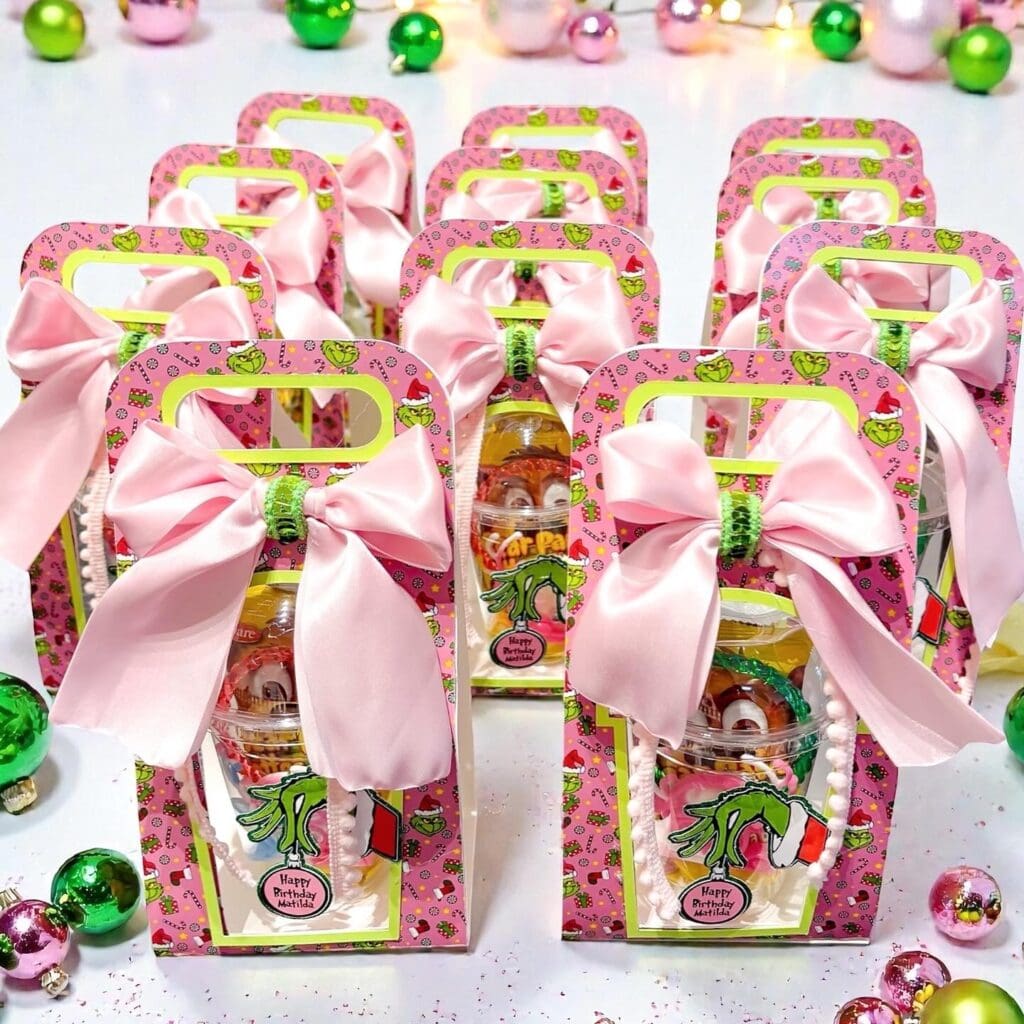
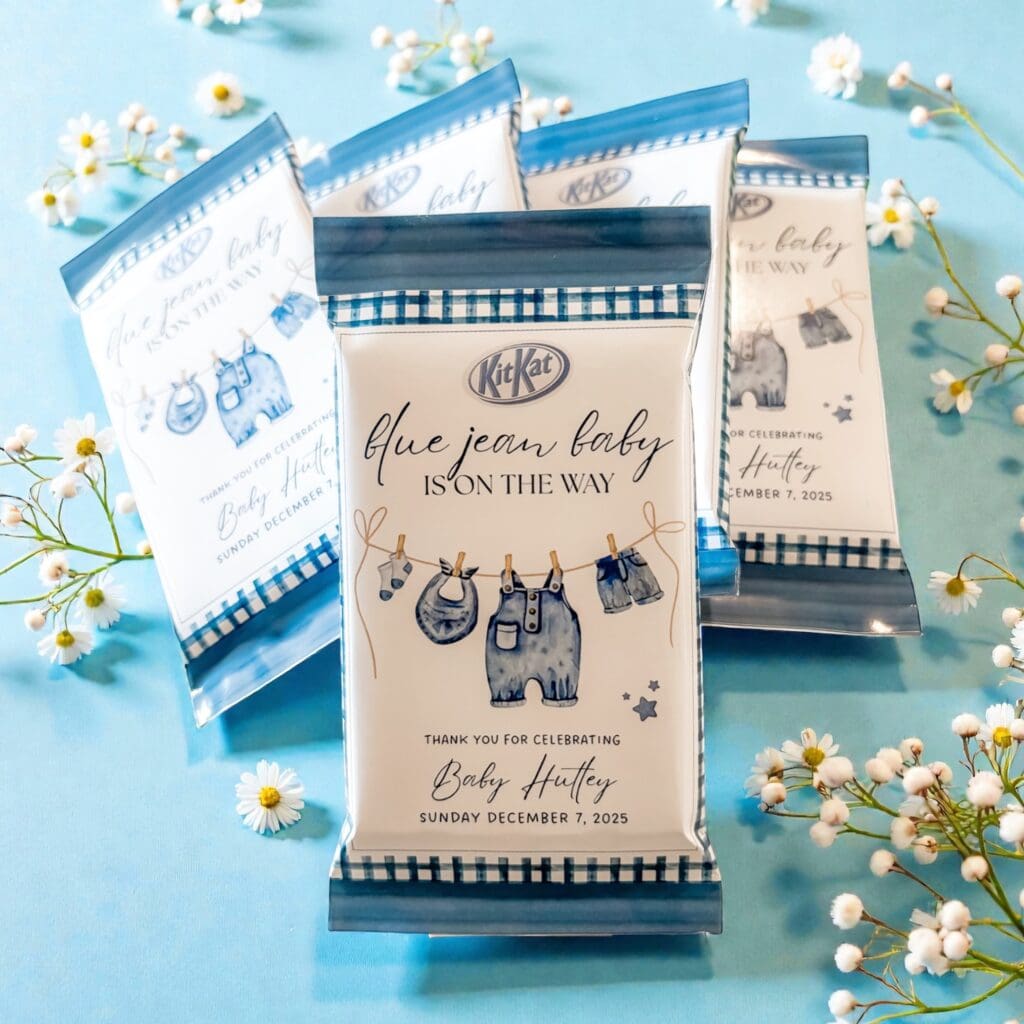
Enter a new, more realistic approach to resolutions in 2026: experimenting with hobbies on a budget and letting curiosity—not commitment—lead the way. From sourcing supplies affordably to testing creative side projects without overinvesting, Canadians are finding that small, low-risk ideas can snowball into something much bigger. Just ask Lootacris, the Hamilton-based duo who turned a passion project into a full-scale business—one loot bag at a time. —Noa Nichol

Quitter’s Day is when most resolutions fall apart. Why do you think so many people quit—not because they lack motivation, but because they overcommit too fast?
People quit because they put too much pressure on themselves too early. They want it to be perfect right away and those are unrealistic expectations to have. You have to learn it’s okay to trip and fall at the beginning, it’s a learning curve and you have to give yourself grace.
You started Lootacris as a creative passion, not a business plan. What did “testing the idea” look like before you ever treated it like a company?
There was no big plan or pressure, which actually made it fun. As moms, we know how stressful party planning can be, so we wanted to help other parents make it easier and more memorable. We weren’t trying to impress anyone, just seeing if people liked what we made. Looking back, those early days were all about experimenting without expectations.
There’s a growing shift toward trying hobbies cheaply before going all in. How important was low-cost experimentation in giving you the freedom to keep going?
It was everything. If we had spent a ton of money upfront, I don’t think we would’ve stuck with it. Being able to try things at a budget-friendly entry point—especially by sourcing materials through Temu, which offers affordable prices and a wide variety of options—gave us the freedom to experiment without pressure. We could make mistakes, learn, and pivot without stress.
The low-cost experimentation gave us the ability to keep going and eventually make this a business because it didn’t feel like a huge financial risk if things didn’t turn out the way we expected.
What advice would you give someone who wants to explore a new hobby in 2026 but is nervous about wasting money if it doesn’t stick?
Start small. Test before you invest.
If it doesn’t stick, that’s okay, you still learned something and now you pivot. Not every hobby needs to turn into a business to be worth it. Sometimes the value is just in trying. Also being proactive in your research before starting. See what’s out there and how in demand the business may or may not be in your area. Passion over profit is the motto at the early stages.
How did you know when your hobby crossed the line from ‘fun project’ into something worth building into a business? Was there a clear moment—or a slow realization?
It was definitely a slow realization. At first it was just fun, then suddenly we were getting repeat orders, and larger ones. People were coming back, recommending us, asking if we could do
more, bigger events, different themes. That’s when it clicked, this wasn’t just something people liked once, they actually wanted it again. That consistency made it feel real.
Lootacris now creates party favours for high-profile clients, but what did the early days look like when budgets were tight and expectations were still forming?
When we first started Lootacris it wasn’t a “business”. It was an idea, and we were making party favours for people we knew. We started with Halloween favours for classrooms once we started our Instagram page and offered our services to friends and family for birthdays and family parties. We were using what we had, borrowing supplies, buying the smallest quantities possible, and figuring things out as we went.
Online marketplaces have changed how people access supplies and tools. How has that accessibility helped level the playing field for creative entrepreneurs like you?
Turning to Temu made things much more accessible for our business and helped ensure that we didn’t need to put together a huge budget to get started. We were able to offer our services at different price ranges and really open the opportunity for custom favours to everyone.
It also allowed us to access a variety of niche products allowing us to customize every loot bag to meet our client’s needs at an affordable price. For example, we get wild themes like ‘90s Power Rangers, and Temu is the only place where we can always find something that fits. It lets us bring every detail of our vision to life.
Many people feel pressure to monetize hobbies immediately. What’s the danger in turning something you love into a side hustle too fast?
The biggest danger is burning out or killing the joy. When you rush to monetize, everything suddenly feels heavy. There are deadlines, pressure, expectations. We were lucky because we let it stay fun for a long time. That space helped us figure out what we actually enjoyed doing versus what we’d hate doing long term.
What skills did you accidentally develop through your hobby that later became essential to running a business—things you never expected to learn?
So many. Organization, time management, problem-solving, pricing, customer communication, even confidence. We never thought making party favours would teach us how to talk to clients, manage expectations, or troubleshoot when things go wrong… but it did. You learn a lot just by doing.
For anyone hitting Quitter’s Day feeling discouraged, what would you say about sticking with curiosity instead of perfection when starting something new?
Let it evolve. You don’t need everything figured out, you just need to keep showing up and seeing where it goes.
share:

January 28th, 2026 at 4:03 am
Awesome read! Can’t wait for more.
January 29th, 2026 at 1:27 pm
كل الشكر تابع اعمالنا في صيانة تسربات صرف الشاور والبانيو في الحمامات تُعد من القضايا التي تحتاج إلى اهتمام فوري حيث يمكن أن تُلحق الضرر بالمبنى وتؤثر على صحة السكان.
من خلال شركة كشف تسربات المياه في الشارقة اتباع الطرق الحديثة يمكن التعامل مع هذه المشكلة بفعالية مما يُسهم في توفير بيئة آمنة وصحية للجميع.
https://www.weladbld.com/ae/water-leak-detection-company-in-sharjah/
March 4th, 2026 at 2:14 am
This topic examines how affordable hobbies are increasingly becoming side hustles. People are turning their passions—like crafting, gaming, or photography—into small income streams, blending personal interests with entrepreneurial opportunities and creating new ways to earn money alongside their main jobs.