
For decades, beauty tools were exactly that: tools. Flat irons ran hot. Devices fixed visible problems. Skincare relied on what you could see—and treat—on the surface.
But according to Marc Dicko, Chief Marketing and Digital Officer at L’Oréal Canada, that era is officially over. Beauty tools are now intelligent devices, designed to diagnose, prevent, and personalize—long before issues appear.
“Beauty is officially entering its tech era,” says Dicko. “We’re no longer just correcting visible concerns—we’re helping people protect and preserve beauty over time.”
And Canada is playing a key role in that evolution.
When Beauty Went Digital—On Purpose
L’Oréal’s relationship with technology didn’t happen overnight. Dicko points to a decisive moment more than a decade ago.
“In 2013, we boldly declared ourselves a Digital First company,” he explains. “That was a deliberate pivot away from traditional retail models toward technology-driven engagement and innovation.”
Between 2015 and 2020, L’Oréal rolled out digital tools that reshaped how consumers discover and experience beauty—many of which are now industry standards. From virtual try-ons to personalized diagnostics, the goal was clear: move from “beauty for all” to “beauty for each.”
That philosophy led to one of L’Oréal’s most influential moves: acquiring Toronto-based ModiFace in 2018.
“ModiFace is a global leader in augmented reality and AI for beauty,” Dicko says. “Having that expertise in Canada has allowed us to accelerate personalization in ways that truly serve consumers.”
Today, virtual makeup try-ons, hair simulations, and shade-matching tools are commonplace—but they all stem from that early belief that tech could remove friction, reduce waste, and empower better decision-making.


From Fixing Problems to Preventing Them
Perhaps the most profound shift in beauty tech is the move from correction to prevention—especially in skincare and haircare.
“We’re entering the era of longevity science,” says Dicko. “Our goal is to extend the health span of skin and hair, not just treat damage once it appears.”
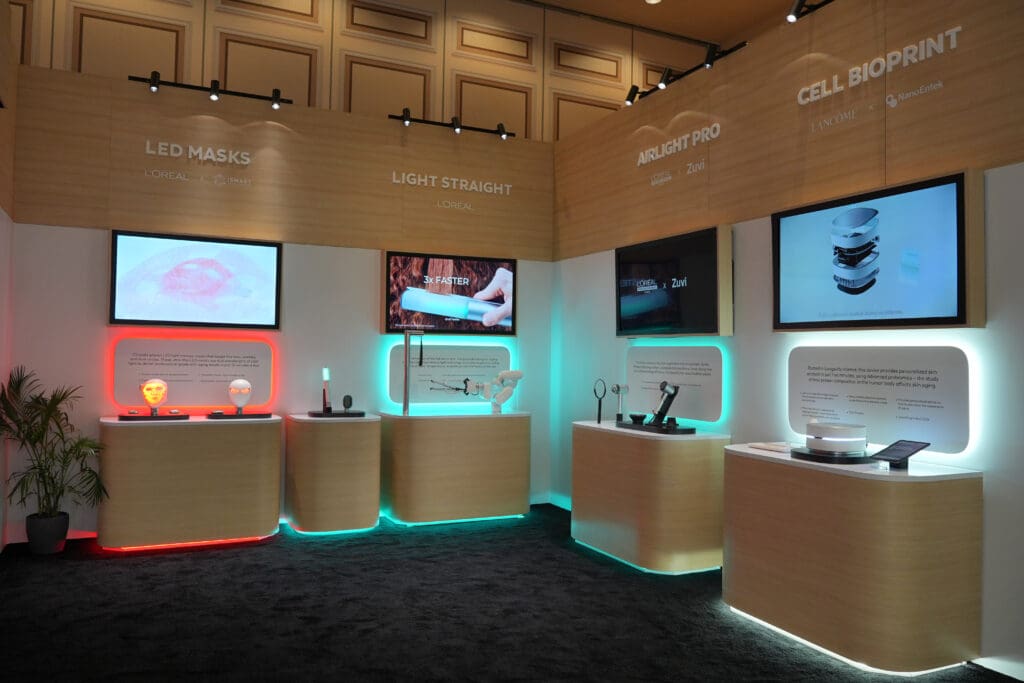
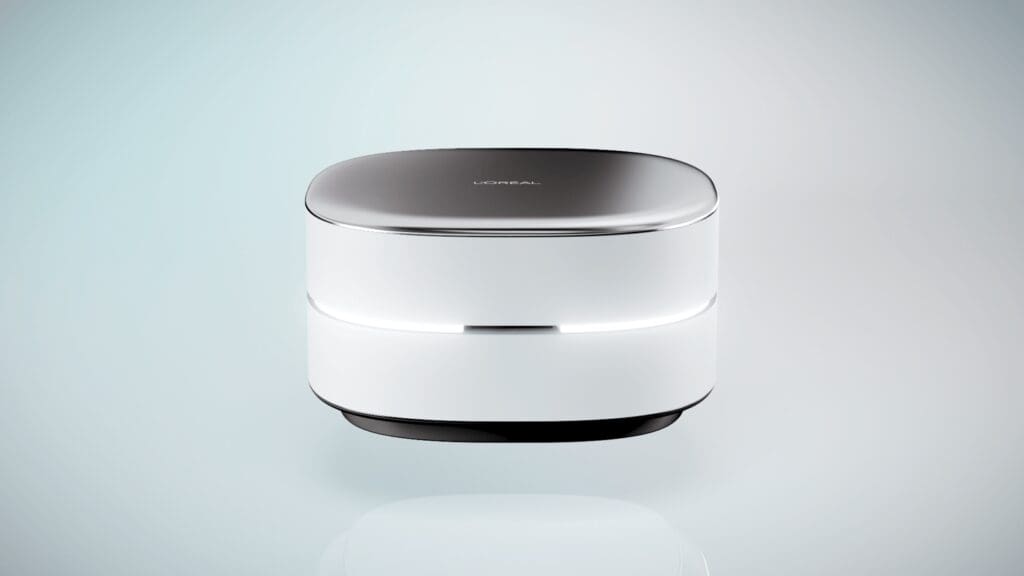
One standout example is Cell BioPrint, unveiled at CES 2025. The device analyzes skin at a cellular level in minutes, identifying biological age, ingredient responsiveness, and potential future concerns.
“It allows people to take proactive steps before issues become visible,” Dicko explains. “That’s a game changer.”
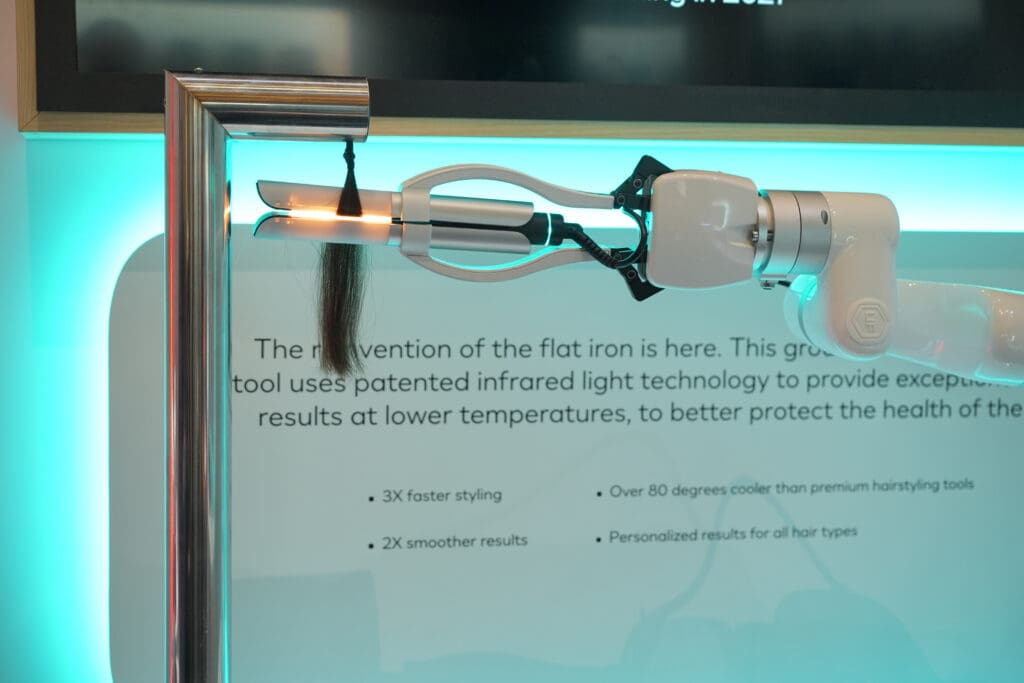
Hair tools are undergoing a similar evolution. Traditional straighteners can reach temperatures that compromise keratin structure, leading to breakage and dullness over time. L’Oréal’s Light Straight + Multi-Styler uses patented infrared technology to deliver results at significantly lower temperatures.
“We’re limiting cumulative heat exposure to preserve hair integrity from the start,” says Dicko. “That’s prevention, not repair.”
Why Light Technology Is the New Frontier
At CES 2026, L’Oréal doubled down on light-powered innovation—for both hair and skin.
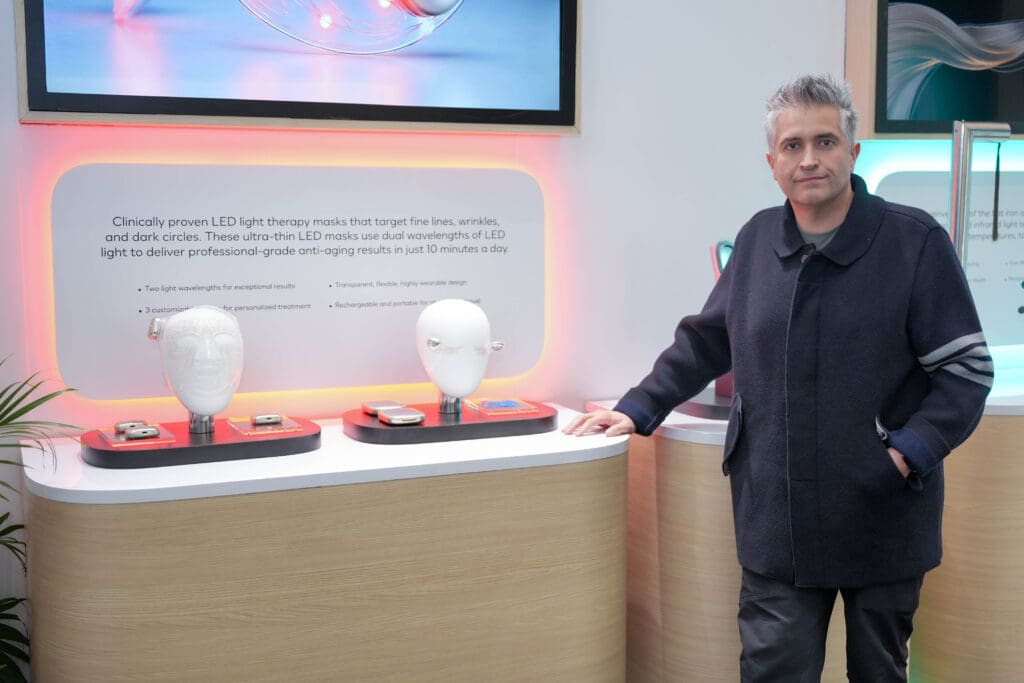
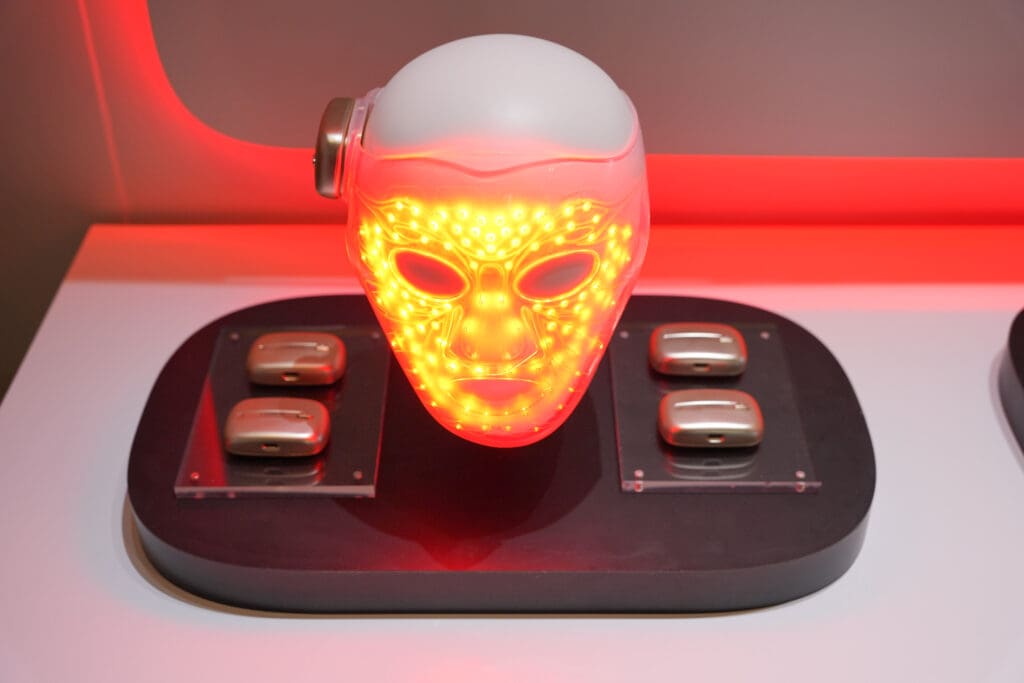
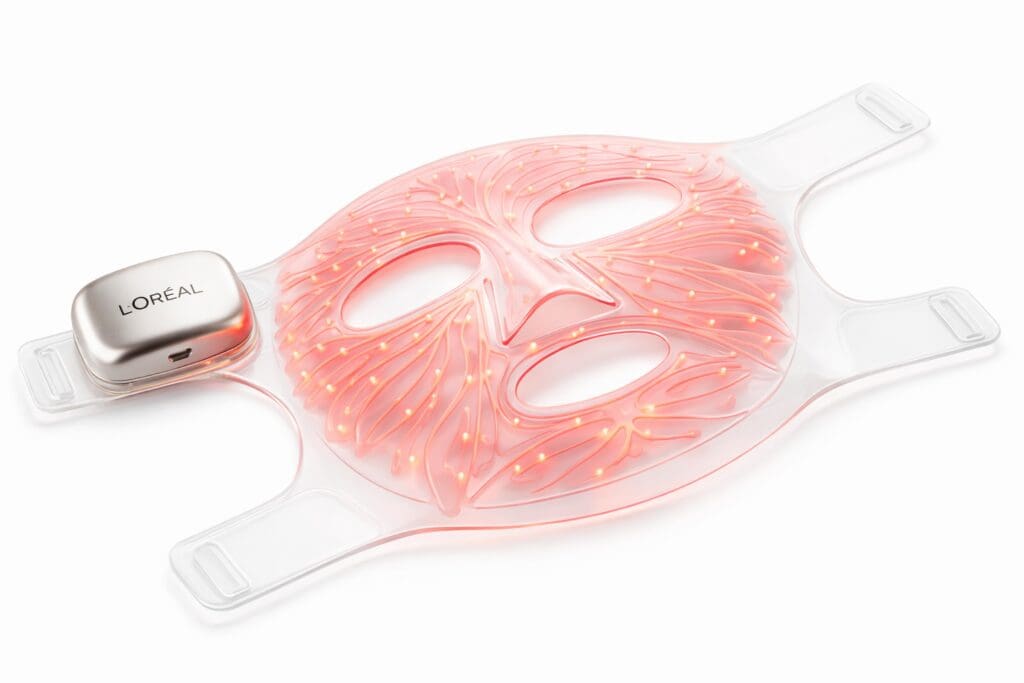
“Infrared light allows us to deliver high performance without excessive heat,” Dicko says. “On the skincare side, targeted red and near-infrared wavelengths help visibly firm, smooth, and even skin tone.”
Unlike topical products alone, light-based tools work beneath the surface—stimulating biological processes that support long-term skin health. It’s a shift that aligns beauty more closely with wellness, longevity, and science.
Sustainability, Built In
For Canadian consumers, innovation isn’t just about results—it’s about responsibility. Dicko emphasizes that beauty tech is fully integrated into L’Oréal’s global sustainability commitments.
“Our technology and digital activities are included in our carbon reduction objectives,” he says. “That means everything from cloud services and AI to media production.”
Tools like Water Saver technology—which dramatically reduces water usage in salons—and eco-design standards for AI services demonstrate how innovation can actively support decarbonization.
“Economic performance and environmental responsibility are inseparable,” Dicko adds.
The New Relationship Between Salons and Home
As beauty tools become more advanced, their role is also changing. Rather than replacing professionals, Dicko sees tech strengthening the relationship between salons, clinics, and consumers.
“Professionals will always be essential for expertise and diagnosis,” he says. “At-home tools help maintain results and support healthier daily habits.”
Apps like L’Oréal Paris Beauty Genius, powered by agentic AI, now offer personalized skin and hair diagnostics through simple selfie scanning—bridging professional insight and everyday routines.
The Beauty Tool of the Future
So what’s next?
Dicko doesn’t hesitate.
“Imagine a connected mirror that becomes your personal beauty companion,” he says. “It greets you with weather, UV, and pollution data, then proposes a routine tailored to your skin and hair in real time.”
From guided tutorials to instant product recommendations, the future of beauty tools is intuitive, responsive, and deeply personal.
“These are the kinds of projects we’re working on,” Dicko says. “They make you dream.”
And they signal a future where beauty tools don’t just enhance how we look—but how we care for ourselves, every day. —Noa Nichol
share:

Be the first to comment