

As Valentine’s Day approaches, the pressure to romanticize love can feel louder than ever—but what if this season was really about turning inward? Certified meditation instructor and self-discovery teacher Helen Ye Plehn invites us to reframe the holiday as a moment for self-connection, inner peace, and intentional care. In this Q&A, Helen shares gentle yet powerful practices—from mindfulness and breathwork to daily affirmations—that help cultivate self-love long after February 14. —Noa Nichol
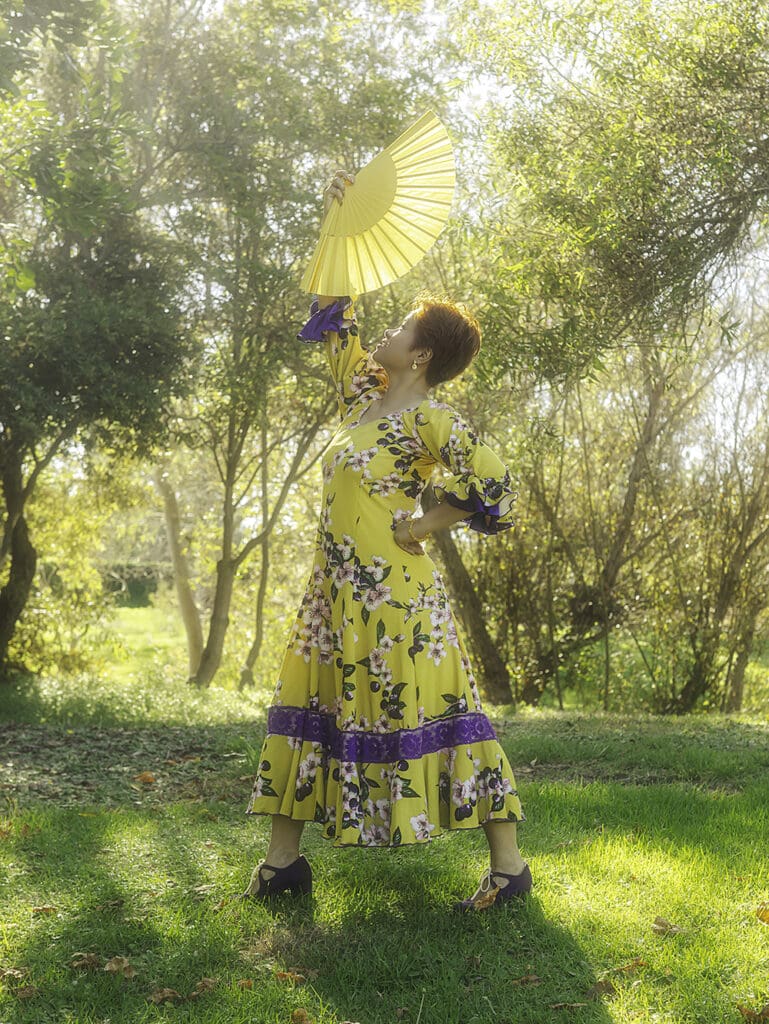

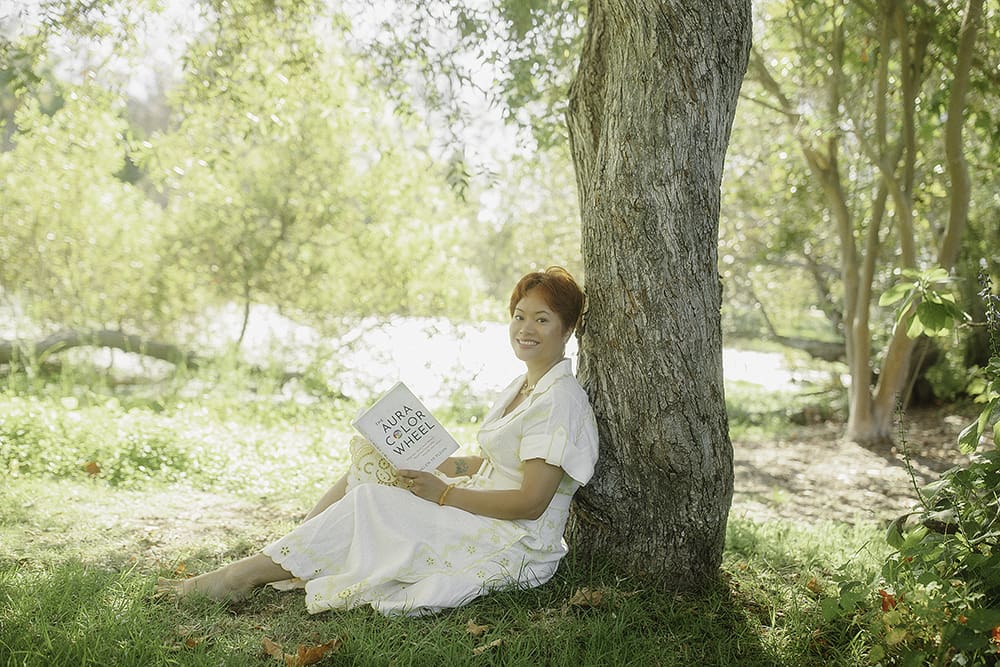
Valentine’s Day often focuses on romantic love—how can we reframe it as a meaningful moment for self-love and inner connection instead?
Valentine’s Day is a beautiful opportunity to remember that love starts from within. Instead of placing all the attention on external romance, we can reframe it as a sacred day to nurture our relationship with ourselves. I invite people to treat it as a “Heart Chakra Holiday,” a moment to honor the most important relationship we have: the one with our soul. I encourage people to have dates with their souls. When we feel whole within, we attract healthier love from the outside. This is the heart of the Aura Color Wheel philosophy: when we radiate from our soul gifts, love becomes a state of being, not something we seek.
For someone who feels overwhelmed or lonely around Valentine’s Day, what’s one simple mindfulness practice you’d recommend to ground them emotionally?
Place your hand over your heart and whisper, “I am enough. I am loved. I am safe.” This simple act activates your green aura layer (the heart chakra), helping you reconnect to the energy of unconditional love. It’s a beautiful way to self-soothe and return to the present moment. Close your eyes and visualize a green light radiating from your heart, expanding with each breath. Even a few minutes of this can shift your energy. You can also take yourself on a date, plan something you really enjoy, like a dance, cooking, painting class, or just window shopping. It is totally okay to go solo, let joy become your compass, and treat yourself.
You teach that inner peace is something we can practice daily—what does a realistic self-love ritual look like for busy people?
A realistic self-love ritual is one that fits naturally into your life. Start with a short 5-minute meditation when you wake up before checking your phone. Or three deep breaths before you prepare dinner and silently thank your body for nourishing you. If you feel called to do so,you can also have a gratitude journal before you go to bed. These are small rituals, but they’re powerful because they anchor you back into the present. When done with intention, even one conscious breath can become a prayer of self-love.
How can meditation help us soften anxious or self-critical thoughts, especially during emotionally charged times like holidays?
Meditation is like giving your nervous system a warm hug. When we sit in stillness, we begin to witness our thoughts rather than become them. Through regular meditation, we create space between the emotion and the reaction, which softens anxiety and dissolves self-criticism. I often say, “Meditation is my medication.” Especially during holidays, it reconnects us to the higher perspective of our soul.
Affirmations can feel awkward or forced for some people—how do you help students create affirmations that actually feel authentic and healing?
The key is to start where you are. Instead of saying, “I love myself,” if it doesn’t feel true yet, say, “I’m learning to love myself more each day.” That feels safer to the subconscious. I encourage students to create “bridge affirmations,” ones that gently guide them toward self-acceptance without spiritual bypassing. Affirmation only works if you can feel the elevated emotions it brings. I also recommend people to begin thinking about something they are grateful for in their minds to bring that loving feeling before they practice affirmation. When aligned with your Soul Aura Color, affirmations can even help heal your soul wound and integrate your lessons.
From an Ayurvedic perspective, how does emotional balance connect to our physical well-being, particularly during winter months?
In Ayurveda, winter is governed by Kapha energy: heavy, cold, and damp. When out of balance, it can lead to sluggishness, sadness, or even depression. Emotionally, we may feel stuck or unmotivated. To counter this, we need warmth both physically and emotionally. Nourishing soups, uplifting citrus scents, and movement practices help balance Kapha. Spiritually, it’s a time to go inward and reflect, aligning beautifully with self-love practices.
Breathwork is a powerful tool—what’s a simple breathing exercise readers can try when they notice spiraling or depressive thoughts?
Try this: Inhale through your nose for 4 counts, hold for 4, and then exhale through your mouth for 6. Repeat for a few cycles. This calms the sympathetic nervous system and brings you back to your body. Imagine breathing in golden light and exhaling any stagnant energy. It’s simple, but it’s an energetic reset that’s especially potent when paired with visualizing light around your heart chakra.
In your experience, what’s the biggest misconception people have about self-love—and how can they gently begin to unlearn it?
Many believe self-love has to be earned through things like achievement, perfection, or pleasing others. But self-love is not a reward; it’s your birthright. We unlearn this by meeting our inner child with tenderness and remembering that our worth is not conditional. Start by simply being kind to yourself when things go wrong. That’s the most powerful form of love there is.
How can tuning into our intuition help us reclaim our sense of purpose and feel more aligned in everyday life?
Your intuition is your soul’s GPS. It knows your path, even when your mind is confused. When we quiet the noise and tune into that inner guidance, through habits like meditation, journaling, or even creative play, we start to hear the whispers of our purpose. And the more we follow those intuitive nudges, the more aligned our outer life becomes with our inner truth. Alignment is the byproduct of trust.
If readers could commit to just one inner practice this Valentine’s Day, what would you suggest—and why can small shifts create lasting change?
Commit to speaking to yourself with the same kindness you would offer a child or a dear friend. This shift in self-dialogue alone can change everything. Because when your inner world feels safe and loving, you start to make choices from self-worth rather than self-doubt. Small shifts, such as saying one kind thought or taking one compassionate breath, create a new energetic frequency. And from that frequency, miracles happen.
share:

March 2nd, 2026 at 2:57 am
I like this perspective because Valentine’s Day can feel like a casino where everyone is placing emotional bets on grand gestures, almost like walking into a casino hoping romance proves your worth. Turning that energy inward makes so much more sense. Self love creates stability, and from that place dating becomes a choice rather than a need. When you feel grounded, meeting someone new is less about chasing validation and more about sharing connection. That is why spaces focused on hot and flirt like hot and flirt can be useful, because you show up whole instead of looking to be completed. Real attraction starts with self respect.