
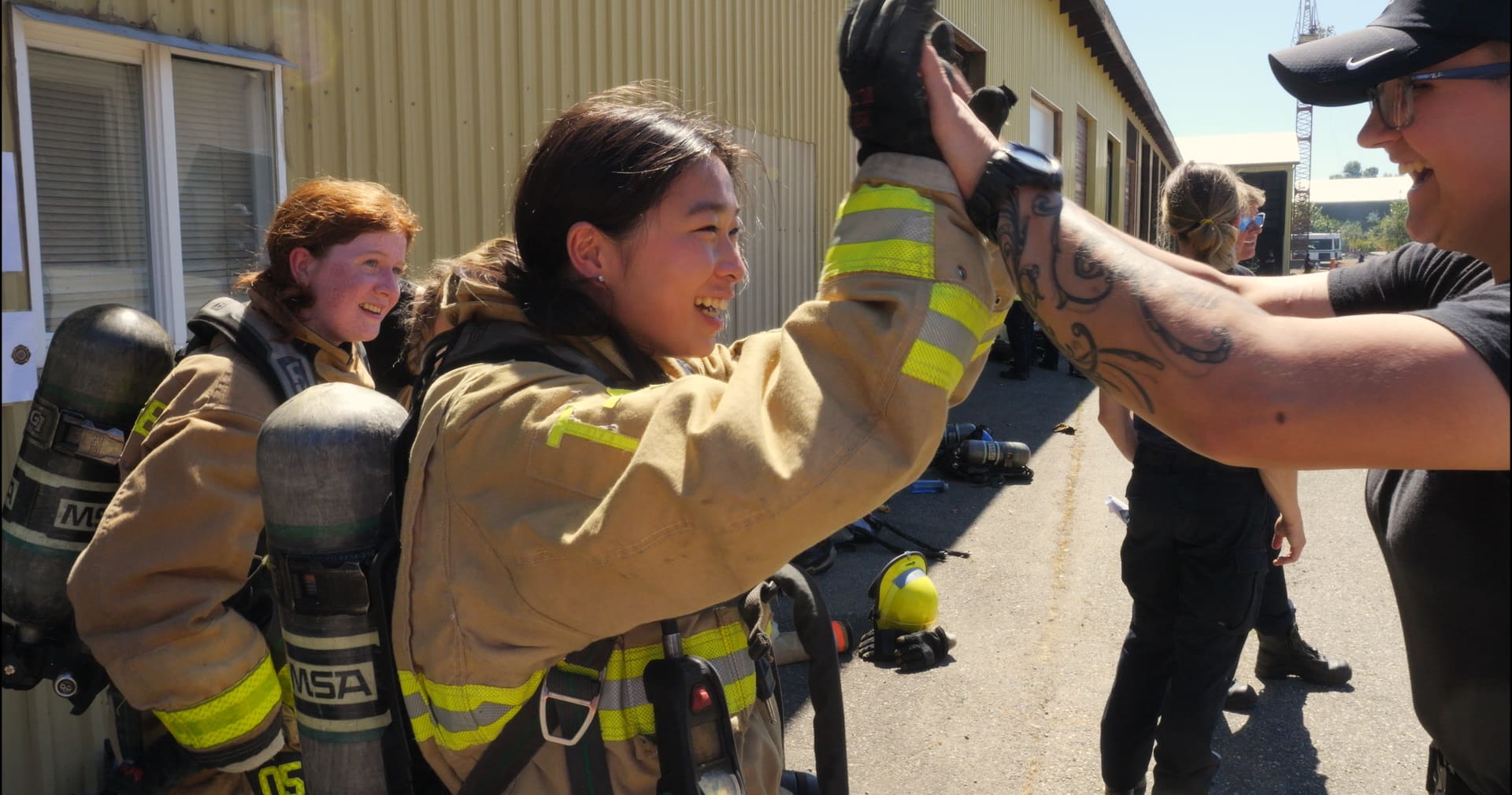
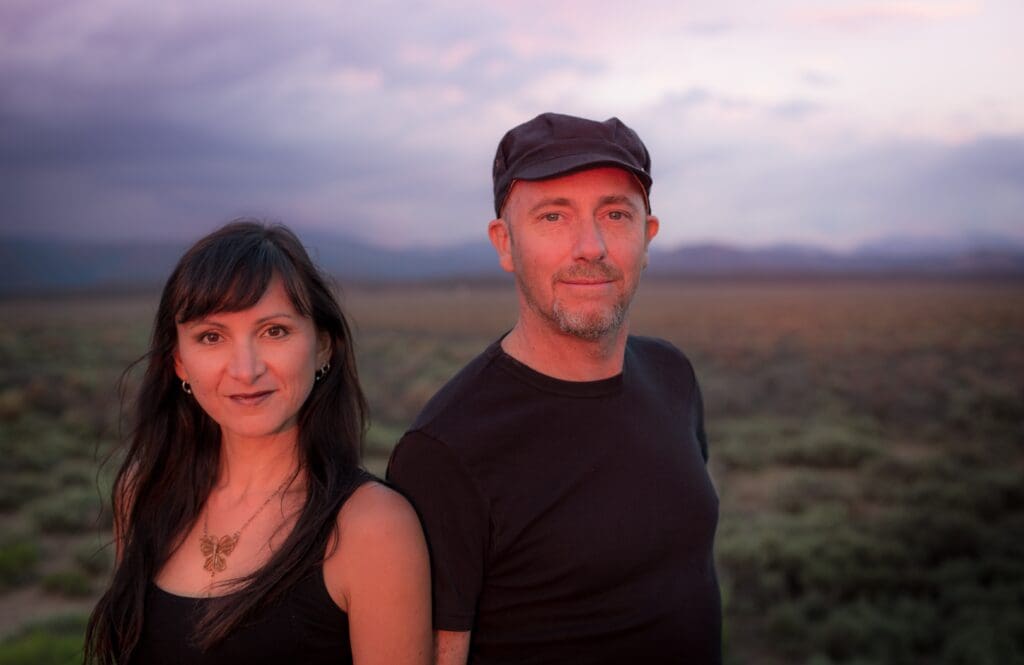
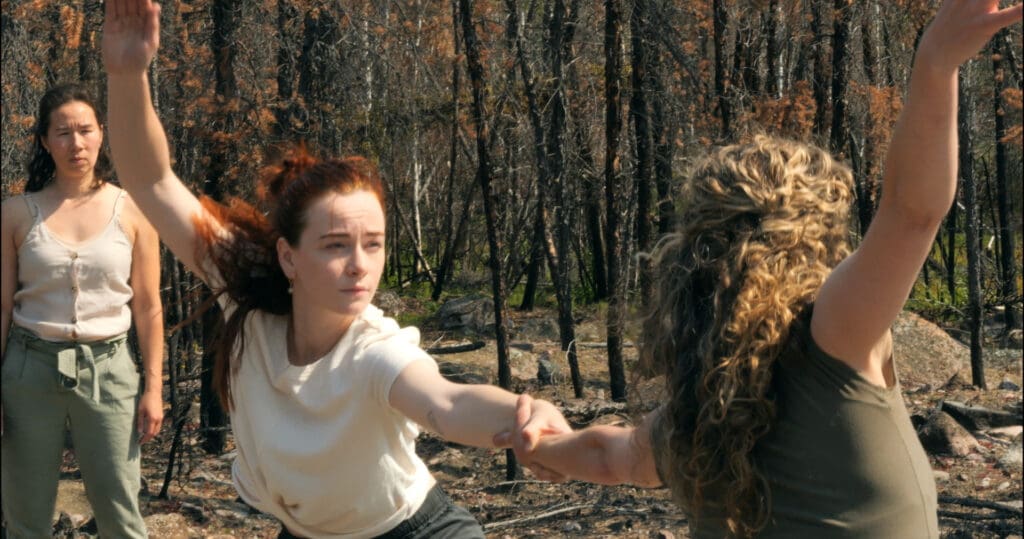
In an era of undeniable climate emergency, the narrative is shifting away from “command and control” and toward “connect and empower.” This transformation is at the heart of the new documentary feature EMERGENCE: WOMEN IN THE STORM, from award-winning directors Nova Ami and Velcrow Ripper.
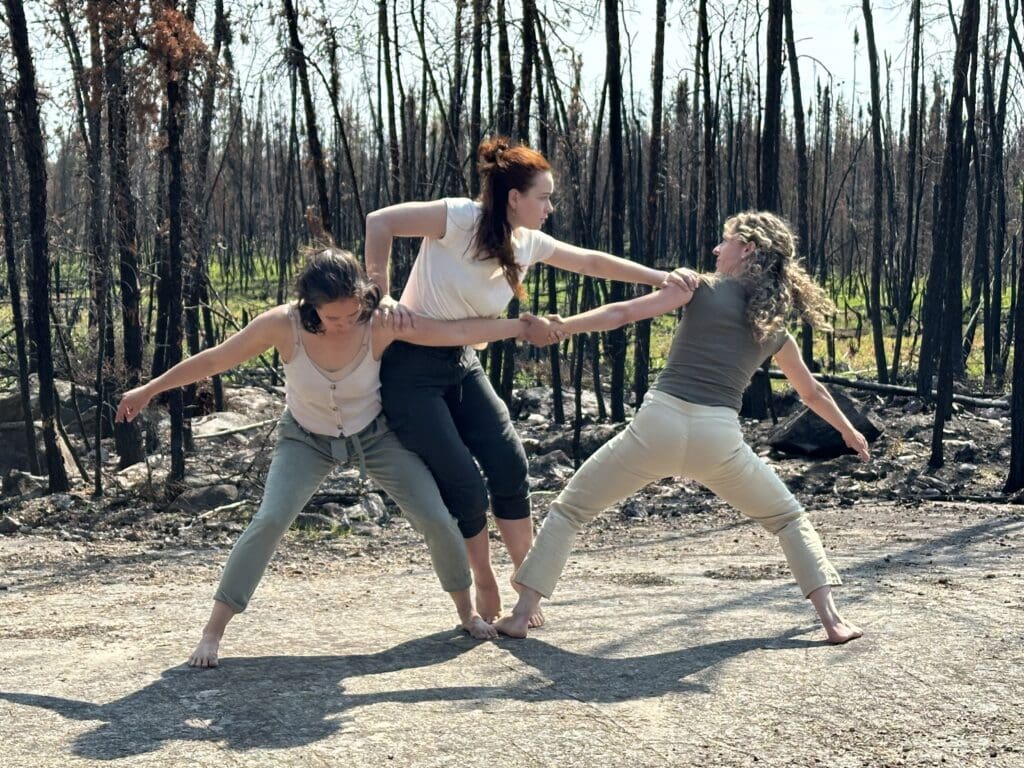
Following its highly anticipated world premiere at the Victoria Film Festival and an upcoming run at the VIFF Centre in Vancouver (starting February 25th), this “survival guide” follows female frontline responders and community leaders as they navigate the devastating heat domes, wildfires, and floods that have reshaped British Columbia and the Northwest Territories. We sat down with the filmmaking duo to discuss the unique power of the female perspective and why hope is the most vital tool in our emergency kits.


The “Moment of Emergence”
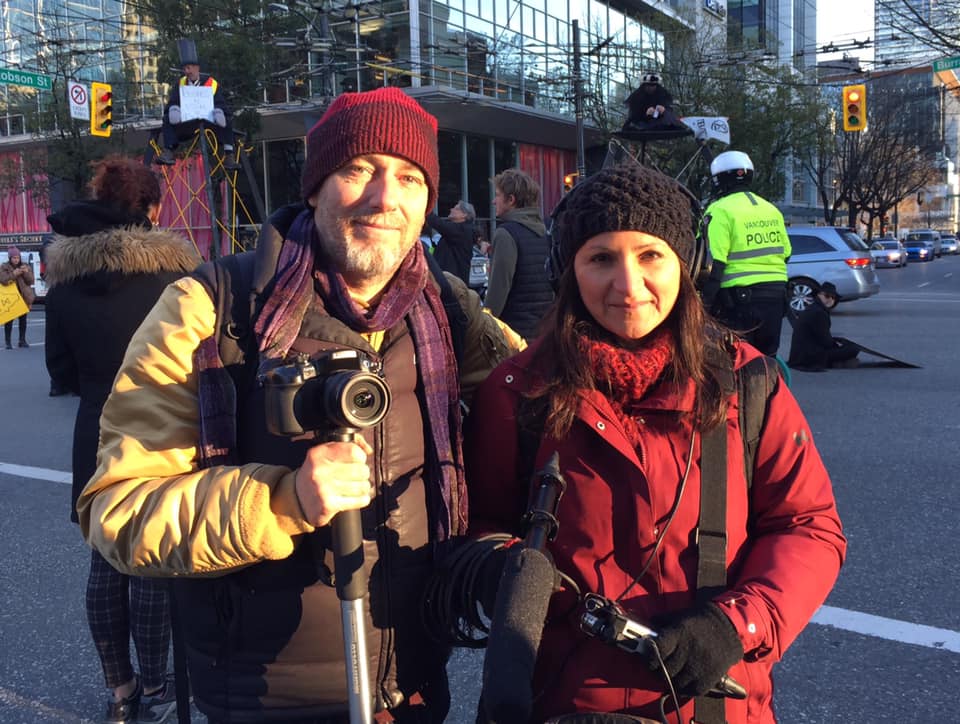
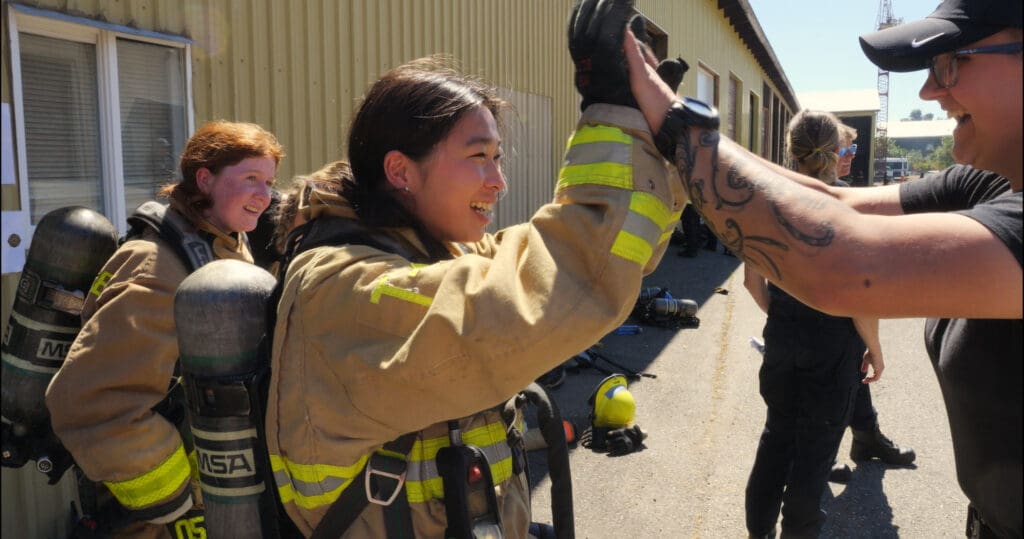
While Ami and Ripper are known for exploring global shifts, focusing specifically on women felt like a necessary evolution. “Women are disproportionately impacted by climate disasters, yet their voices are underrepresented in terms of developing climate policy and emergency response,” explains Ami. “They are often actually the first responders … they’re making the calls to figure out how to evacuate, inform local authorities, and put the word out in their communities”.
From Trauma to Transformation
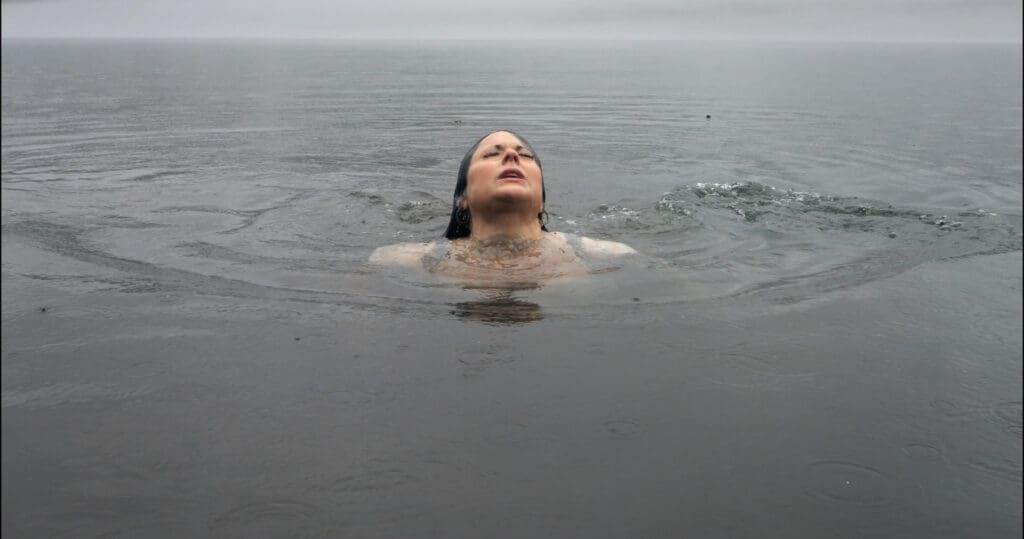
The film doesn’t shy away from the harrowing reality of nature’s power, but it uses that intensity as a springboard for collective imagination. “It was really important to us to make a film that offers hope, but also truly represents the intensity that the women in the eye of the storm really face,” says Ripper. “Everybody in the film who goes through the crisis comes out the other side with some kind of a transformation and teachings we can all learn from”.
Poetry as Healing
One of the film’s most moving elements is the integration of poetry from Meghan Fandrich’s Burning Sage: Poems from the Lytton Fire. Fandrich, who lost her town to the Lytton fire, found her voice through verse. “Her powerful, moving poetry brings us into a different mode of perception, less literal and more intuitive,” Ripper notes. “It became a way to both heal and recover … and to share her experiences with others so that she didn’t feel so isolated”.
Redefining Leadership: Connect and Empower
The directors highlight a shift away from traditional, top-down disaster response. Through the Indigenous youth program Preparing Our Home, they witnessed a different approach championed by Dr. Lily Yumagulova. “The conventional approaches of emergency responders are typically ‘command and control,’ and that doesn’t work in every community,” says Ami. Instead, the film advocates for a “connect and empower” model that listens to the people who actually live in those communities.
The Emotional Survival Guide
Beyond physical safety, EMERGENCE focuses on mental and emotional resilience. “It’s not only about our physical survival. It’s also about our emotional and mental survival,” Ami emphasizes. “How can we take care of each other as we move through this long emergency? Getting a sense of knowing their community … who’s going to need extra help with mobility, who are the most vulnerable”.
Ultimately, the film serves as a powerful reminder that while the news cycle may move on after a disaster, the community does not. “As filmmakers, we always feel a responsibility to leave audiences with a sense of hope and possibility, to inspire them in these difficult times,” says Ripper.
Catch the Storm: EMERGENCE: WOMEN IN THE STORM screens at the VIFF Centre in Vancouver from February 25th to March 2nd, 2026. —Noa Nichol
share:

April 1st, 2026 at 8:09 pm
I really loved this article! It’s refreshing to see the focus on women as key players in climate resilience. You’ve highlighted an often-overlooked aspect of solutions. I’d love to hear more about tangible ways we can support female leaders in this space, especially considering how interconnected these issues are globally. Keep up the inspiring work! Monkey Mart