
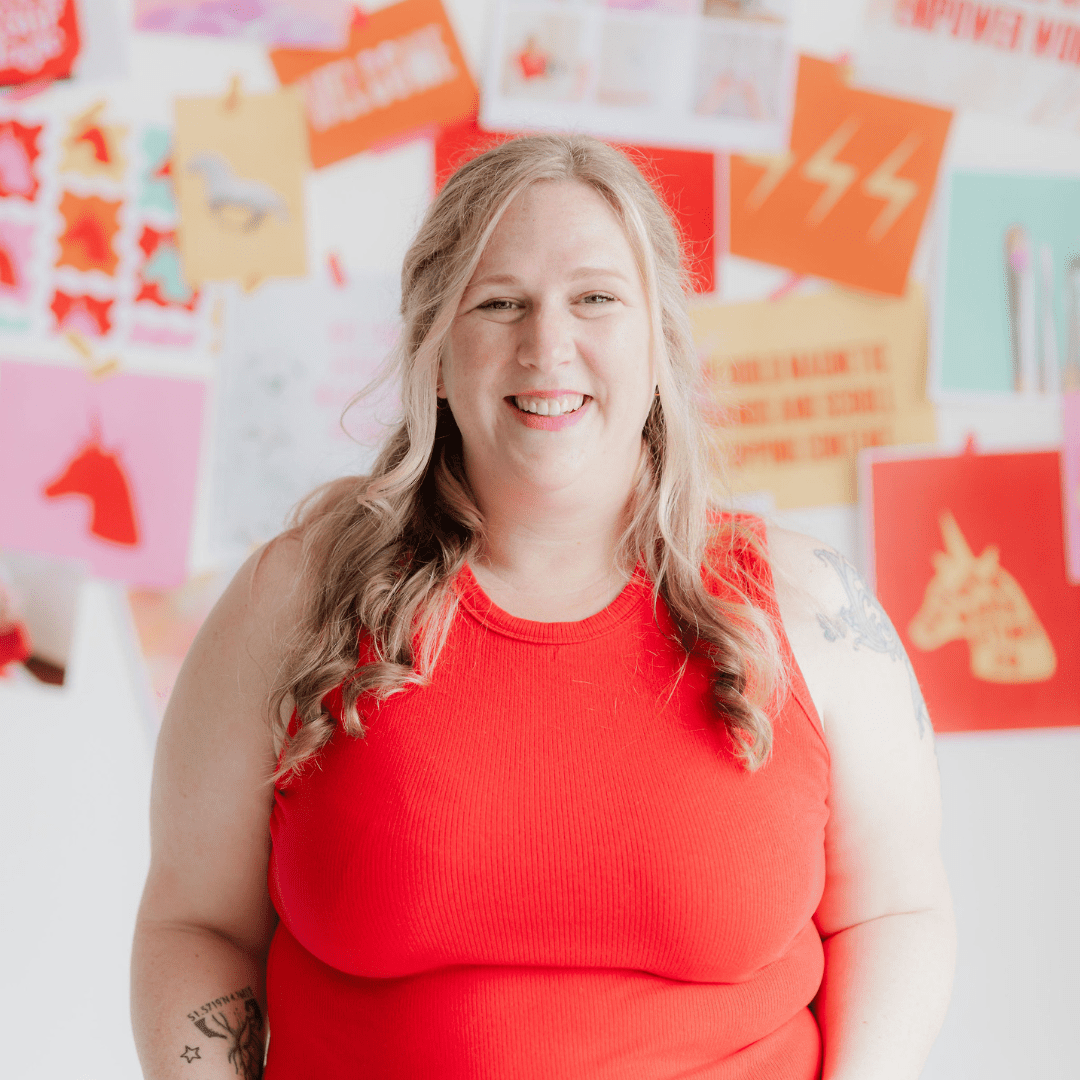
For years, the entrepreneurial playbook was simple: hustle harder, sleep less, and scale at any cost. But as we move through 2026, that narrative is officially wearing thin—and Hope Mikal is leading the charge toward a healthier alternative. As the founder of Vancouver-based Unicorn Marketing Co., Hope’s journey into sustainable scaling wasn’t just a business choice; it was a biological necessity.
In honor of Endometriosis Awareness Month, we sat down with Hope to discuss how her diagnosis forced her to dismantle “hustle culture” and rebuild a branding agency rooted in purpose and human-centric systems. From choosing intentional clients to managing chronic health challenges while staying ambitious, Hope is proving that boundaries aren’t just a luxury—they are a strategic advantage for building a business that actually lasts. —Noa Nichol
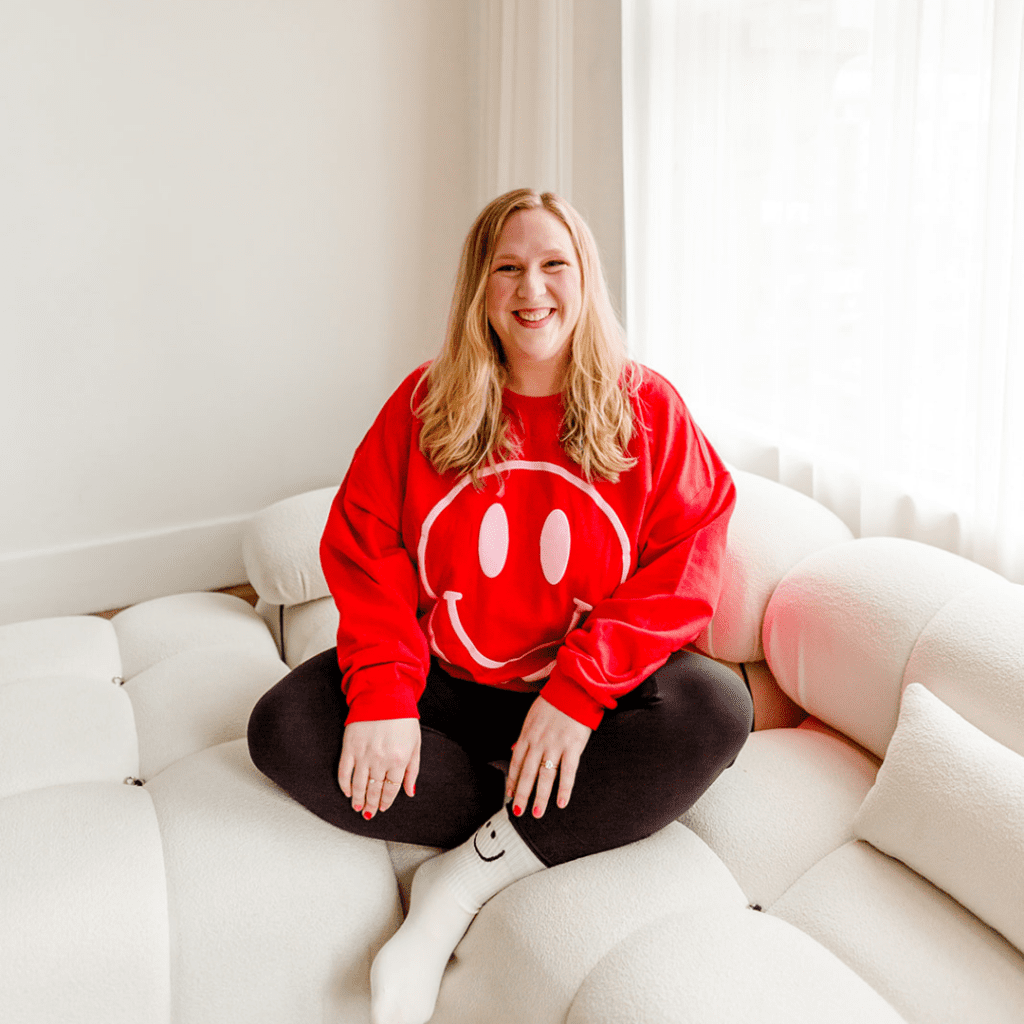

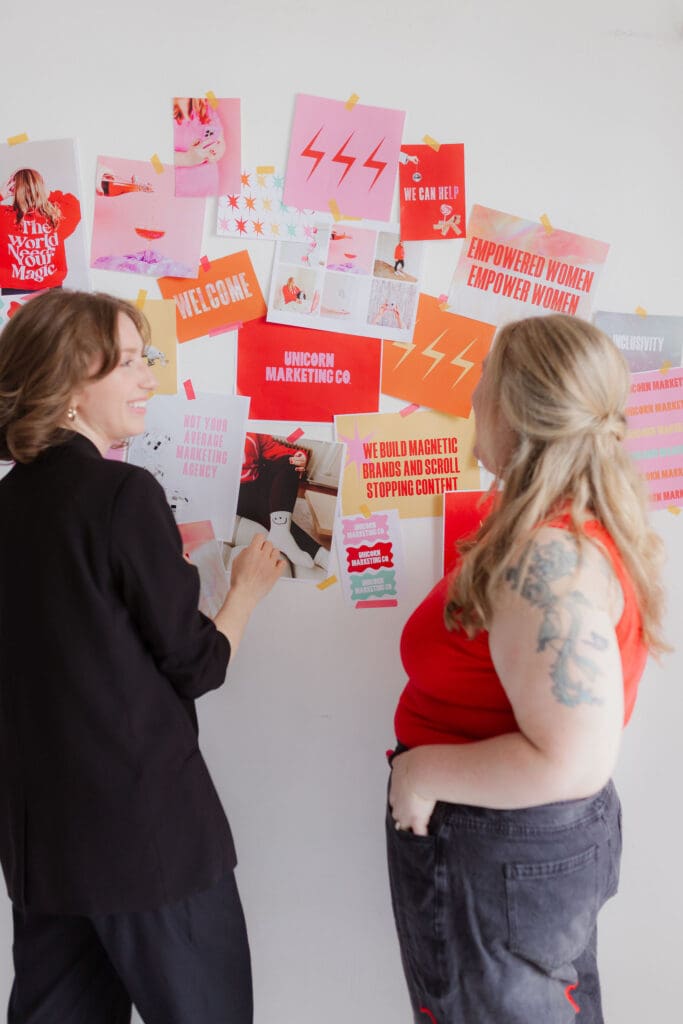
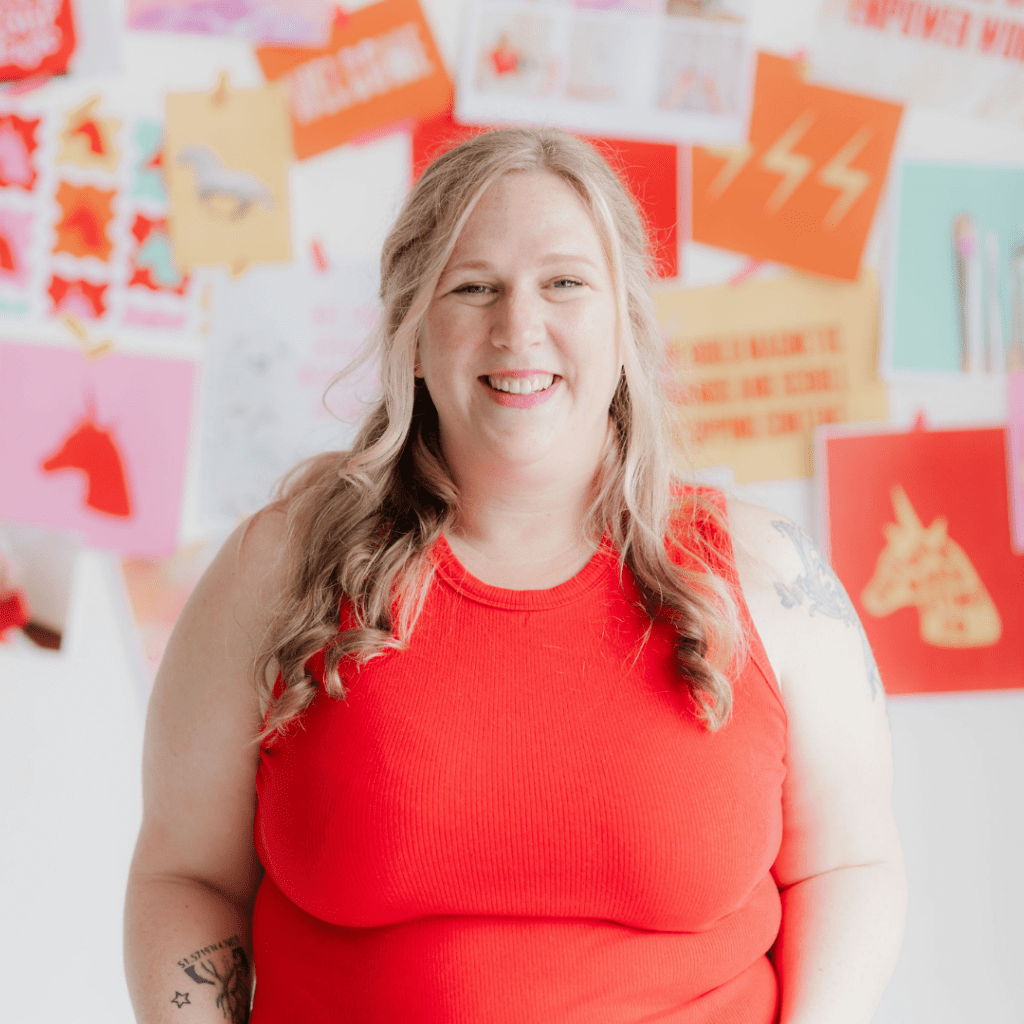

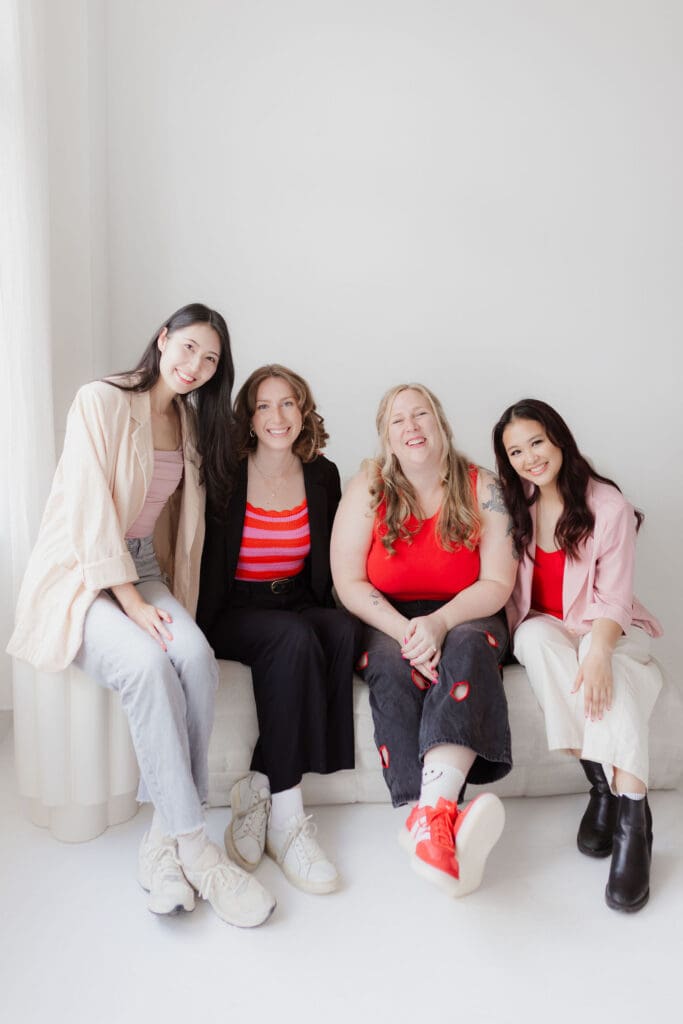
You’ve noted that in 2026, the “hustle harder” narrative is finally wearing thin—what was the specific moment in your own journey when you realized that hustle culture was no longer a viable fuel for your ambition?
There wasn’t one dramatic breaking point, it was more of a slow, honest realization. As a solopreneur starting out in the marketing industry, I got swept into this popular belief that I had to be online 24 hours a day, replying within minutes, constantly proving I was working. In a world of constant media consumption and endless noise, I started to feel like I was producing on demand instead of creating with intention. It became more than just a burnout phase or too many hours staring at a computer screen. It was a deeper disconnection from my body, my health, and the kind of business I actually wanted to build.
As a creative, you need space for flow. You need time to make a mess, to try new things, to think without a notification pulling you out of it. Now I’m intentionally building a different rhythm. I work with an incredible team of female contractors, I block time for appointments and daily walks, and I’ve set the expectation in my email signature that it may take up to 48 hours for a reply. It’s still a practice. Some days I don’t get it right. But I remind my hyper-fixated brain that I’m not a heart surgeon or a firefighter. Nothing in my inbox is life or death. That perspective has changed everything.
March is Endometriosis Awareness Month, and you’ve been open about how your diagnosis forced a radical rethink of your business model. How did navigating a chronic health challenge actually serve as the catalyst for designing a stronger agency?
March being Endometriosis Awareness Month always feels personal to me because my diagnosis didn’t just change my business model, it changed my life. In my late twenties, I was navigating chronic pain without access to empathetic health professionals, and I truly didn’t understand the support that I needed. I was trying to power through it alone. I didn’t have the tools or confidence to speak up in an examination room. Endometriosis affects 1 in 10 women in North America, yet it’s still not talked about nearly enough. It can feel isolating, invisible, and incredibly hard to share publicly. The more I’ve stepped into that truth, I’ve realized that as creators, and as people living with health challenges, we need to take up more space, not less.
Now, I’m deeply grateful for the chronic pelvic pain clinic at BC Women’s Hospital, a family doctor who listens, an RMT specializing in women’s health, an acupuncturist who understands my cycle, and a naturopath who studies my hormones. It takes a village, not just to raise a child or grow a business, but to become the healthiest version of ourselves.
Living with a chronic condition also forced me to accept that I can’t be online staring at a screen for 12 hours a day, and that my social media persona doesn’t define who I am. That shift reshaped how I lead my team. After years working in other agencies and corporate environments where output often mattered more than people, I knew I wanted to build something different. I care deeply about how my clients are actually doing. I look at the whole person and the whole business model. At Unicorn Marketing Co., we represent founders fully, not just their revenue goals.
In Canada, women-owned businesses account for roughly 18% of all businesses and are one of the fastest-growing segments of entrepreneurship. Yet 37.1% of women entrepreneurs earn less than $50,000 annually, and many struggle to break past early revenue milestones like $100K. Many of these founders are navigating caregiving, health challenges, and invisible labour alongside their ambition. Designing an agency that honours this reality, uses inclusive language, and creates space for the full human experience has made me stronger. My health challenges don’t shrink my ambition, they’ve helped me strengthen it.
Many founders fear that setting firm boundaries will lead to slower growth, yet you’ve experienced the opposite. How do you explain to a skeptical leader that empathy and boundaries can actually be competitive strategic advantages?
I explain it this way: burnout is expensive. Reactivity is expensive. High turnover is expensive. When you operate without boundaries, you might see short bursts of growth, but they’re usually fuelled by urgency and adrenaline, not strategy. That’s not sustainable, and you can absolutely feel the difference.
Empathy and boundaries create clarity. When expectations are clearly outlined, response times are defined, and communication is intentional, everyone performs better. My team knows what’s expected. My clients know how we work. That structure reduces friction and frees up energy for actual thinking, creativity, and long-term planning. And in a crowded market, clear thinking is a competitive edge.
Empathy is actually a strategic business decision because it builds trust. When leaders genuinely care about the whole person, whether that’s a team member or a client, loyalty deepens. Retention increases, referrals grow. In Canada, women-owned businesses are one of the fastest-growing segments of entrepreneurship, and many founders are craving partnerships that respect their humanity, not just their output.
When you build a business that honours capacity, communicates clearly, and prioritizes sustainable pace, you don’t grow slower. You grow stronger, with clients, collaborators, partners, or investors, who are aligned for the long haul.
As a branding and website expert, how do you help your clients “design for the human behind the brand” to ensure their digital presence reflects a sustainable business rather than an exhausting persona?
Designing for the human behind the brand starts with an honest conversation about energy, not aesthetics. I ask founders what kind of life they’re trying to build, not just what kind of business they want to scale. If their digital presence requires them to perform 24/7, post daily, and constantly prove their value, that’s not a brand strategy. That’s a burnout strategy.
We dig into the real mission and vision. Why does this business exist? What do you care about beyond revenue? Who are you when you’re not selling? From there, we look at the audience as whole people too. They’re not just buyers. They’re navigating work, family, health, identity, and pressure. When you understand that, your messaging softens in the right ways and sharpens where it matters.
Storytelling becomes the backbone of the brand, shaping not only the messaging but the entire sensory experience, from the visuals and tone to the pacing of how someone moves through the site. We choose colours that reflect personality and support the nervous system rather than chasing trends, and fonts that genuinely sound like your voice when someone reads them. Website layouts are designed to create breathing room instead of cramming every achievement above the fold, allowing visitors to feel guided rather than overwhelmed. That same intentionality extends to accessible design choices, clear boundaries around how and when you work, well-defined offers that eliminate confusion, and calls to action that feel grounded and purposeful instead of urgent and demanding.
A sustainable brand doesn’t shout. It communicates clearly, confidently, and consistently. When the digital presence reflects the real human behind it, the business feels grounded. And grounded brands last longer than exhausting personas ever will.
You mentioned building a more supportive team structure as a result of your health journey—what are the specific “healthier systems” you’ve implemented at Unicorn Marketing Co. to protect both your energy and your staff’s?
One of the biggest shifts was moving from a hero model to a team model. I stopped structuring the agency around me being the bottleneck and instead built a trusted circle of independent women contractors who each own their zone of genius. That reduced urgency culture and created shared responsibility instead of silent pressure.
We implemented clear communication systems with defined response times, structured onboarding, mapped timelines, and detailed scopes so expectations are set from day one. We prioritize asynchronous work so no one feels glued to Slack, and we actively manage capacity instead of chasing every opportunity. If someone is at capacity, we don’t push. We adjust.
On a human level, we acknowledge that bodies have rhythms. We normalize taking time off during menstrual cycles when needed and build flexibility into timelines to support health, appointments, and real life. I block non-negotiable time for my own care and encourage my team to do the same. There is no badge of honour for pushing through pain.
I often reference Tori Dunlap of Her First $100K, who talks about how financial power for women starts with boundaries and systems, not hustle. That mindset resonates deeply with me. Building wealth, stability, and impact requires structure that protects you. That’s what we’ve created at Unicorn Marketing Co. Healthier systems don’t slow growth. They make it sustainable.
“Sustainable scaling” is a buzzword many use but few define. In practice, how does your agency decide which clients to take on and which opportunities to pass up in order to maintain long-term thinking?
Sustainable scaling comes down to long-term alignment and nervous system awareness. We prioritize clients who are thinking in years, not weeks, founders who want partnership and thoughtful strategy instead of overnight virality or panic-driven marketing. If someone is looking for 24/7 access or urgency at all costs, we’re probably not the right fit. I also pay close attention to how I feel after a discovery call. If I leave feeling grounded, clear, and energized, that’s usually a green light. If I feel rushed, tight, or already behind before we’ve even signed, that’s data. Sustainable growth means trusting that signal instead of overriding it for short-term revenue.
For founders currently “re-evaluating behind the scenes,” what is the first step in auditing a business to see if it is built to support the person running it or if it’s merely consuming them?
Before you look at numbers, listen to your body. At the end of a normal work week, are you clear and creatively stretched, or depleted and resentful? Which clients drain you? Which offers feel heavy? Where are you over-delivering because you’re afraid to disappoint? The answers usually surface quickly when you stop pretending everything is “fine.”
Then map your time against your intention. Is your calendar reflecting the life you said you wanted when you started this business? Or is it reacting to everyone else’s urgency? If your schedule is built entirely around other people’s expectations, that’s a signal the business may be consuming you.
Finally, examine your boundaries in writing. Response times, scope clarity, pricing, communication policies. If those are vague, the emotional labour will be high. If they’re clear, the business can breathe.
A sustainable business should expand your capacity over time, not shrink it. If you feel smaller inside your own company, that’s your cue to redesign it.
Creativity requires a certain amount of “white space.” How do you manage the tension between remaining high-level and ambitious while also respecting the physical limitations your body might impose on a given day?
I try to make space, even when it feels inconvenient. That’s the practice. It’s not always easy, especially on weeks filled with health appointments or days when my body simply needs more from me than my inbox does. But I’ve learned that pushing through rarely produces my best thinking. Sometimes the most strategic thing I can do is step away from the screen and go for a walk to untangle an idea.
Taking a meeting while walking isn’t revolutionary, but for a lot of high performers it still feels rebellious. We’ve been conditioned to believe that productivity only counts if we’re seated at a desk. I’ve had some of my clearest insights mid-walk, voice-noting ideas to myself instead of forcing them at a keyboard. That white space isn’t laziness. It’s where synthesis happens.
Ambition, for me, no longer means constant output. It means protecting the conditions that allow good ideas to emerge. Some days that looks like deep focus and big momentum. Other days it looks like slower pacing, shorter work blocks, or rescheduling a non-urgent call. Respecting physical limitations doesn’t dilute ambition. It strengthens it. Because when I do show up, I’m present, strategic, and far more effective than I ever was running on adrenaline.
Your story isn’t about illness, but about building businesses that support people. How has your definition of “success” shifted from when you first launched Unicorn Marketing Co. to who you are as a leader today?
When I first launched Unicorn Marketing Co., success looked like constant momentum. I measured it in revenue growth, bigger clients, more visibility, and how quickly I could scale. There was an underlying pressure to prove that I could build something credible from scratch, that I belonged in the rooms I was entering, and that I could keep up with the pace of the industry. Growth felt like validation, and slowing down felt like risk.
Now, my definition is far more personal and far more grounded.
On The Magic Hour podcast, I ask female founders all the time, “What does success mean to you?” And the answers have shifted over the years. I’m hearing less about scale for the sake of scale and more about values. About feeling comfortable in your own life. About presence. About not needing to constantly push for more if more doesn’t actually make you happier or healthier.
For me, success now looks like sustainability. It looks like a calendar that reflects my priorities. It looks like building an agency where my team feels respected and clients feel seen. It looks like working deeply instead of endlessly. “Work-life balance” is a phrase we use often, but it rarely reflects reality. It isn’t a perfect 50/50 split, and it doesn’t look the same for everyone. It’s fluid, personal, and often seasonal, shaped by what someone is navigating in their health, family, or business at any given time. The definition belongs to the person living it.
Success today is less about proving something to the outside world and more about building a business that feels aligned internally. A tangible example of that is The Magic Hour podcast. In previous seasons, I committed to publishing every two weeks no matter what. This season, I’m choosing differently. Episodes will come out when I have the capacity and when a story genuinely feels called to be shared. That shift doesn’t mean I’m less committed. It means I’m protecting the integrity of the work and the energy behind it.
If you could speak to a founder who is currently in the “relentless” phase of building their business and feels they are on the brink of burnout, what is the one piece of “Unicorn” wisdom you would offer them?
I would tell them this: pause long enough to remember why you started.
When you’re in the startup phase, everything feels urgent. Every email. Every opportunity. Every comparison. But urgency is loud, and your north star is quiet. You have to create space to hear it.
Take time for you, even if it feels inconvenient. A walk without your phone. A morning without Slack. A weekend where you don’t “just quickly check in.” Your business is meant to support your life, not consume it. If you don’t protect your energy now, the version of success you’re chasing won’t feel good when you reach it.
Find your north star in life and in business. What actually matters to you? Health? Freedom? Creativity? Family? Impact? Let that guide your decisions more than momentum or outside pressure. Relentless effort might build something fast. Aligned effort builds something that lasts.
Build magic, yes, but build it in a way that still feels like home to you.
share:

February 27th, 2026 at 5:38 am
I myself lived in “more, faster, now” mode for several years until I realized that constant reactivity simply eats away at creativity and health. Now I try to build a rhythm where there is room for recovery, and that’s when I discovered affiliate marketing as a smart way to scale without burning out: you launch traffic, optimize landing pages, and get results while you relax or do something fun. Here are some great examples of high-converting landing pages and practices that really help convert without stress — follow along, because everything is laid out there. It gave me a sense of control: the business is working, and I’m not dissolving into it.
March 6th, 2026 at 12:57 am
Geometry Dash Lite is not only fun, but it also helps with hand-eye coordination and rhythm awareness. Because levels must be replayed several times before they can be mastered, players develop patience, timing, and tenacity.