
As we adjust our wake-up calls to match the chirruping birds, spring flashes her breezy britches at us and, in what seems like a blink, our frozen grey streets are buzzing with blossoms. Watching from the window, you raise your glass to take a sip (no judging that it is still morning) and suddenly realize your wine, too, is a posy of floral aromas! Lilies, roses, violets and honeysuckle—but why does your drink smell like the Garden of Eden? Wines are full of aroma compounds that, although formally labelled with standoffish scientific names like pyrazines, esters, terpenes and thiols, are responsible for many pleasurable scents. These compounds are often found in the skins, or essential oils, of the grapes. A few wines are known for their aromatic characteristics, especially in the floral department. This list is hardly inclusive but, if you want to start exploring this ambrosial world of wine, here are a few classic examples to get your nose in the spring of things. —Laura Starr

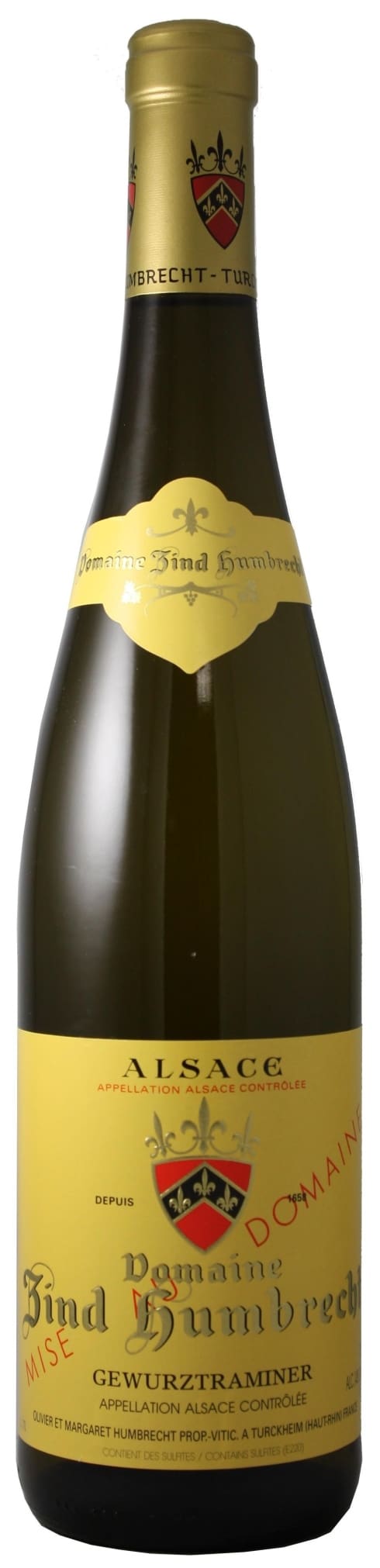
gewurztraminer. Globally recognized for its rose-petal nose (in addition to its trademark aroma: lychee).

muscat. Another aromatic variety that exudes orange blossom and honeysuckle (its trademark being the unusual aroma of actual grapes).

torrontes. This Argentinian grape often has a wildflower/potpourri quality, with aromas of lilies, lavender and white flowers.

viognier. Sometimes lightly blended into red wines like Syrah, giving them a lilac aroma, this grape variety owns the richer and riper floral notes of honeysuckle, lilac, jasmine and orange blossom.

nebbiolo. An Italian red varietal, often expressing aromas of rose petals and violets.
share:

Be the first to comment