
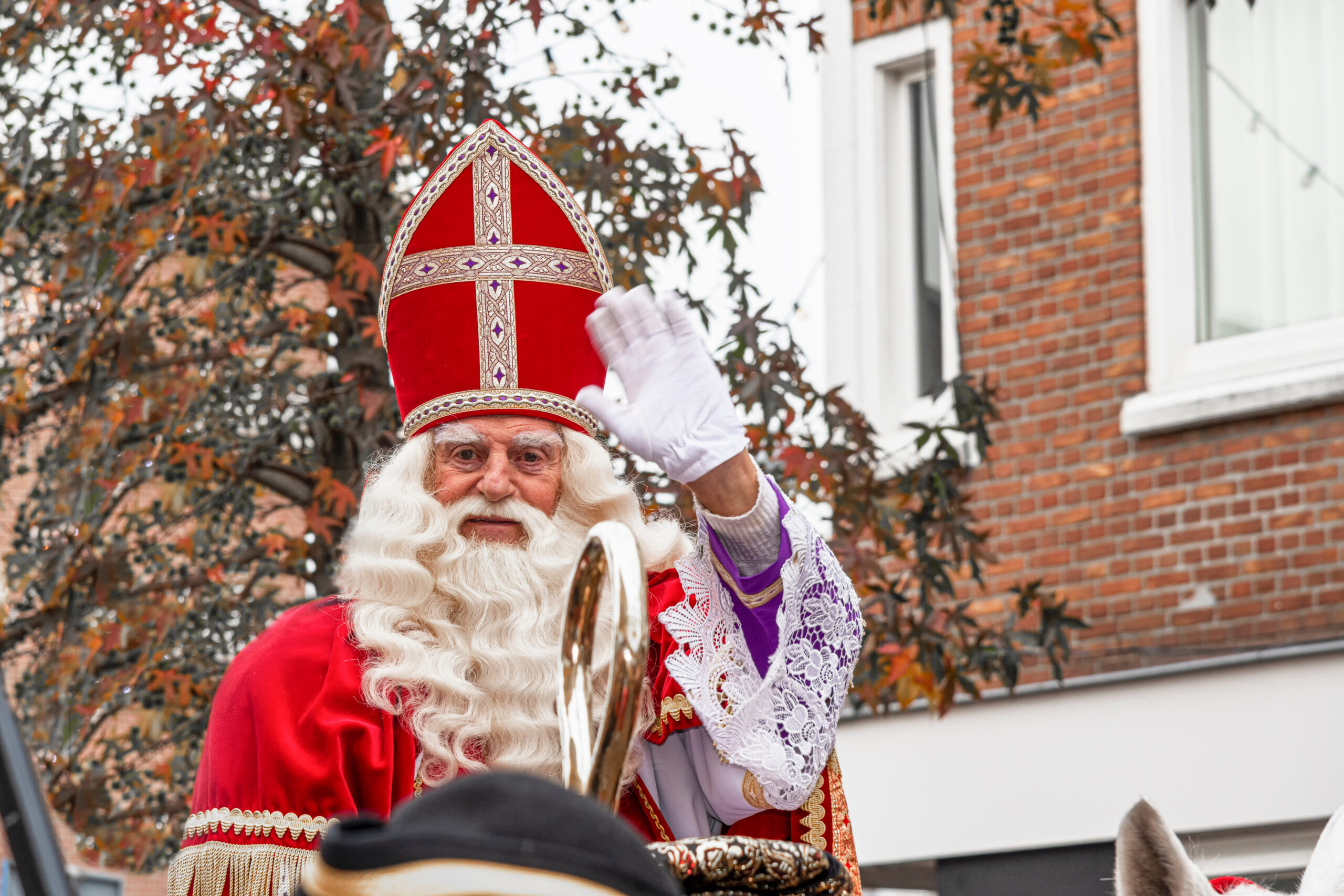
Cultures around the world have their own unique versions of Santa Claus or similar figures associated with gift-giving during the holiday season. Here are a few different Santas from various countries:
- Santa Claus (United States, Canada, UK): The modern image of Santa Claus, known for his red suit, white beard, and jolly demeanor, is based on the Americanized version of Saint Nicholas. He travels on a sleigh pulled by reindeer and delivers gifts on Christmas Eve.
- Father Christmas (UK): In the UK, Father Christmas is a traditional figure associated with gift-giving during the holiday season. He is often depicted in a green robe and is seen as a more reserved and less commercial figure than the American Santa Claus.
- Père Noël (France): Père Noël is the French version of Santa Claus. He is typically portrayed as a plump man dressed in red, and like Santa, he delivers gifts to children on Christmas Eve.
- Ded Moroz (Russia): Ded Moroz, which translates to “Grandfather Frost,” is a Slavic folklore figure associated with winter and New Year’s celebrations in Russia. He is often accompanied by his granddaughter, Snegurochka (Snow Maiden), and delivers gifts to children.
- Sinterklaas (Netherlands): Sinterklaas is a legendary figure in Dutch folklore who is similar to Santa Claus. He arrives in the Netherlands in mid-November and is accompanied by his helpers, known as “Zwarte Pieten” (Black Peters).
- La Befana (Italy): In Italian folklore, La Befana is a kind old witch who delivers gifts to children on the night of January 5th, known as the Feast of the Epiphany. Children leave stockings out for her to fill with sweets and presents.
- Joulupukki (Finland): Joulupukki, or Yule Goat, is a Christmas figure in Finnish folklore. In modern times, Joulupukki is similar to Santa Claus and brings gifts to children during the holiday season.
- Julenisse (Norway and Denmark): The Julenisse is a mythical creature from Norwegian and Danish folklore associated with Christmas. It is often depicted as a small gnome or elf who brings gifts to children during the holiday season.
- El Niño Jesús (Latin America): In many Latin American countries, gifts are traditionally brought by El Niño Jesús (Baby Jesus) rather than Santa Claus. Families celebrate on Christmas Eve, and children wake up to find presents left by El Niño Jesús.
- Hoteiosho (Japan): In Japan, Hoteiosho is a Japanese god of good fortune who is associated with gift-giving. He is often depicted as a plump, jolly figure with a sack of gifts.
These are just a few examples, and there are many more variations of Santa-like figures and gift-giving traditions around the world, each with its own cultural significance and unique characteristics. —Vita Daily
share:

August 17th, 2025 at 6:24 pm
Your comment makes the topic even more interesting. Well said!SpeedBaccaratA
March 16th, 2026 at 3:45 am
The variety of Santa figures across cultures was fascinating, especially the mention of Ded Moroz in Russia. It made me reflect on how traditions evolve differently yet share a common theme of joy, similar to how online casino games adapt across regions while keeping the spirit of fun alive.
March 16th, 2026 at 3:45 am
The variety of Santa figures across cultures was fascinating, especially the mention of Ded Moroz in Russia. It made me reflect on how traditions evolve differently yet share a common theme of joy, similar to how online casino games adapt across regions while keeping the spirit of fun alive.
March 16th, 2026 at 3:46 am
I was curious about how each Santa figure carries unique symbolism, like La Befana in Italy bringing gifts. That diversity reminded me of Megawagi, where variety in offerings keeps experiences fresh and appealing, much like the many interpretations of Santa worldwide.