
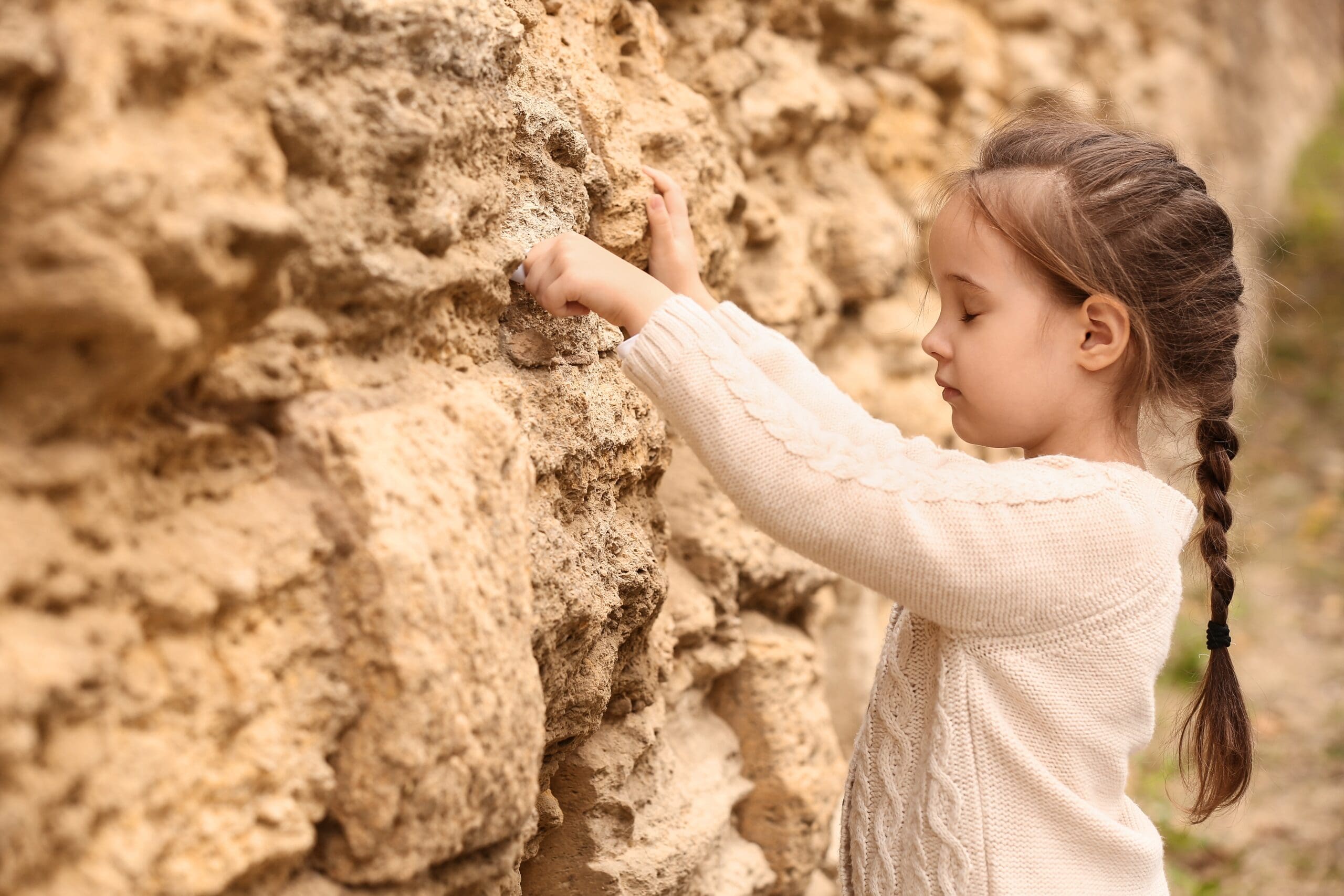
Visiting the Western Wall (also known as the Wailing Wall) in Jerusalem is a deeply meaningful experience for many people, regardless of their faith. It is one of the holiest sites in Judaism, and many believe it is a place where prayers are particularly powerful. Here’s how you can approach making a wish or offering a prayer at the Western Wall:
1. What to Wish or Pray For:
Your wishes or prayers at the Western Wall can be deeply personal or spiritual. There is no right or wrong way to wish, as long as it comes from the heart. Common wishes or prayers include:
- Health and Well-being: Praying for personal health, or the health of family and friends, is a popular intention.
- Peace: Many people pray for peace—either personal peace, peace for loved ones, or global peace, particularly in the Middle East.
- Guidance: Some seek guidance or clarity in difficult life decisions or challenges.
- Gratitude: Offering thanks for the blessings in one’s life is another common prayer at the Wall.
- Prosperity and Success: It’s also common to ask for success in personal or professional endeavors.
- Spiritual Connection: For those seeking a deeper relationship with their faith or a higher power, it’s a place to ask for spiritual growth.
If you’re unsure what to wish for, simply expressing gratitude for life or asking for the strength to overcome challenges can be a meaningful way to connect spiritually.
2. Writing a Note:
It is a long-standing tradition to write your prayer or wish on a small piece of paper and place it in a crack in the Wall. This is known as a “kvitel” in Yiddish. Here’s how to do it:
- Keep it Small: Write your wish or prayer on a small piece of paper. Fold it up so that it fits easily into the cracks of the Wall.
- Personal or Universal: The note can be personal (about family, health, or challenges), or it can be a prayer for others or for global causes such as peace.
- Languages: You can write your wish in any language—it doesn’t have to be in Hebrew.
Once you’ve written your note, find a space in the Wall to insert it. People often leave notes in cracks or crevices, and you may have to look for a spot. It’s a peaceful, reflective process, and many visitors find it moving to leave their wishes there.
3. How to Do It (Etiquette and Rituals):
Respect for the space and for others is important when visiting the Western Wall. Here’s how to approach it:
- Cover Your Head: If you are male, wearing a head covering, such as a kippah (which is often provided at the site), is customary when approaching the Wall. Women are not required to cover their heads but should dress modestly (as should men).
- Separate Prayer Areas: There are separate areas for men and women to approach the Wall. Women should go to the designated women’s section, and men to the men’s section.
- Quiet Reflection: The Western Wall is a place of deep spiritual significance, so maintaining a respectful silence or speaking in hushed tones is important. It is a space for reflection and prayer.
- Touching the Wall: Many people place their hands on the Wall while praying or reflecting. This gesture is believed to help form a spiritual connection. You may also pray silently while standing in front of it, if you choose not to leave a note.
- Leaving the Wall: When you are done, it is customary to back away from the Wall, facing it as you leave, rather than turning your back to it. This is a sign of respect for the sacred site.
4. Praying or Reflecting:
If you’re unsure of what to say or how to pray, don’t worry. You can:
- Speak to God in Your Own Way: Whether you use a formal prayer, meditate silently, or talk in your own words, what matters most is the intention.
- Read Psalms: Some people read psalms or other sacred texts while standing at the Wall. If you don’t have a specific prayer, you could reflect on passages that bring you comfort.
5. After the Visit:
Leaving a note at the Wall is seen as a symbolic act, but it’s also believed that the prayers and wishes remain meaningful long after you leave. Many people feel a strong spiritual connection and take away a sense of peace and fulfillment from the experience.
Ultimately, making a wish or offering a prayer at the Western Wall is a deeply personal act. It’s about connecting to something greater than yourself, whether that’s God, the universe, or a sense of inner peace. It’s an opportunity for reflection, gratitude, and hope, and a moment to express what’s truly in your heart. —Noa Nichol
share:

January 8th, 2026 at 11:44 pm
어제 친구들과 회식 자리로강남가라오케추천다녀왔는데, 분위기도 좋고 시설도 깨끗해서 추천할 만했어요.
January 8th, 2026 at 11:46 pm
요즘 회식 장소 찾는 분들 많던데, 저는 지난주에강남가라오케추천코스로 엘리트 가라오케 다녀와봤습니다.
January 8th, 2026 at 11:47 pm
분위기 있는 술자리 찾을 땐 역시강남하퍼추천확인하고 예약하면 실패가 없더라고요.
January 8th, 2026 at 11:48 pm
회사 동료들이랑강남엘리트가라오케방문했는데, VIP룸 덕분에 프라이빗하게 즐길 수 있었어요.
January 8th, 2026 at 11:49 pm
신논현역 근처에서 찾다가강남룸살롱를 예약했는데, 접근성이 좋아서 만족했습니다.
January 8th, 2026 at 11:49 pm
술자리도 좋지만 요즘은강남셔츠룸가라오케이라고 불릴 만큼 서비스가 좋은 곳이 많더군요.
January 17th, 2026 at 3:37 pm
During joyful moments, these messages amplify happiness and create emotional memories that last longer than the celebration morning prayer. During serious or painful occasions, touching messages offer comfort, empathy, and emotional companionship. They show that even when solutions are not available, presence and understanding still exist. This emotional adaptability allows touching messages to remain relevant across all seasons of life.