
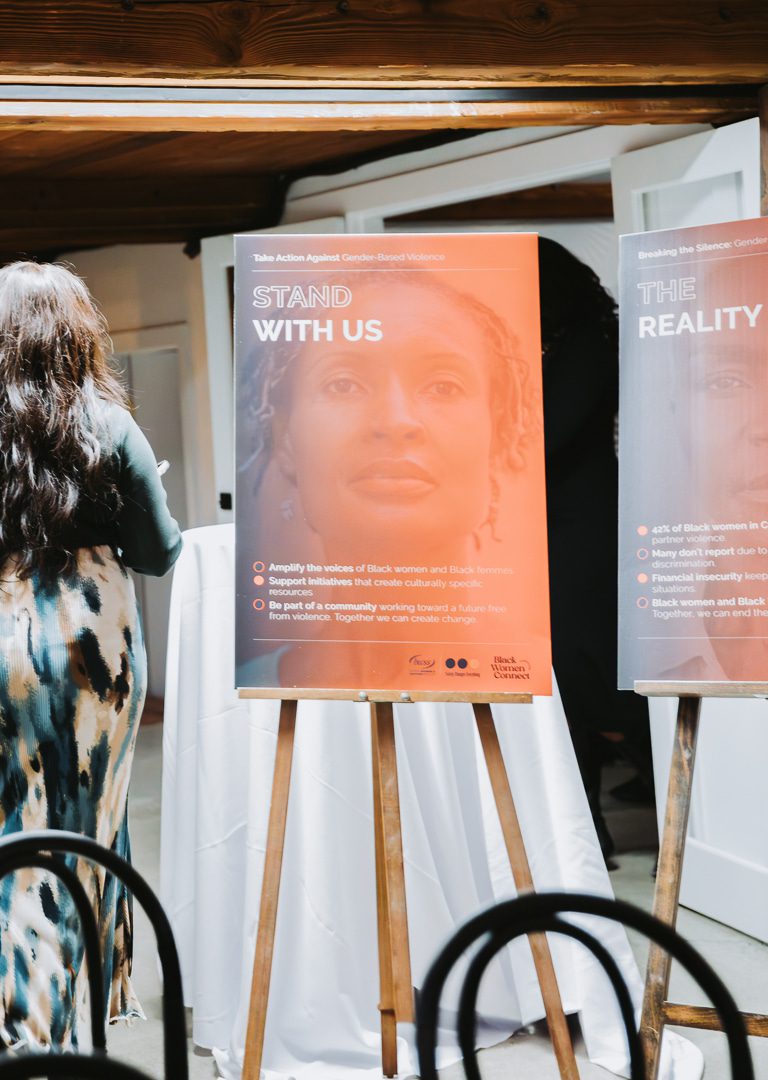
Supporting Black women and Black femmes in abusive relationships requires more than just awareness—it demands action. The Empower & Protect PSAs campaign, a collaboration between Black Women Connect Vancouver and Battered Women’s Support Services, shines a necessary light on the systemic barriers Black survivors face when seeking help. In this Q&A, we speak with Leona Greene, Fundraising Consultant at Battered Women’s Support Services, about the campaign’s mission, the urgent need for culturally relevant resources, and how we can all play a role in fostering safety and change. —Noa Nichol
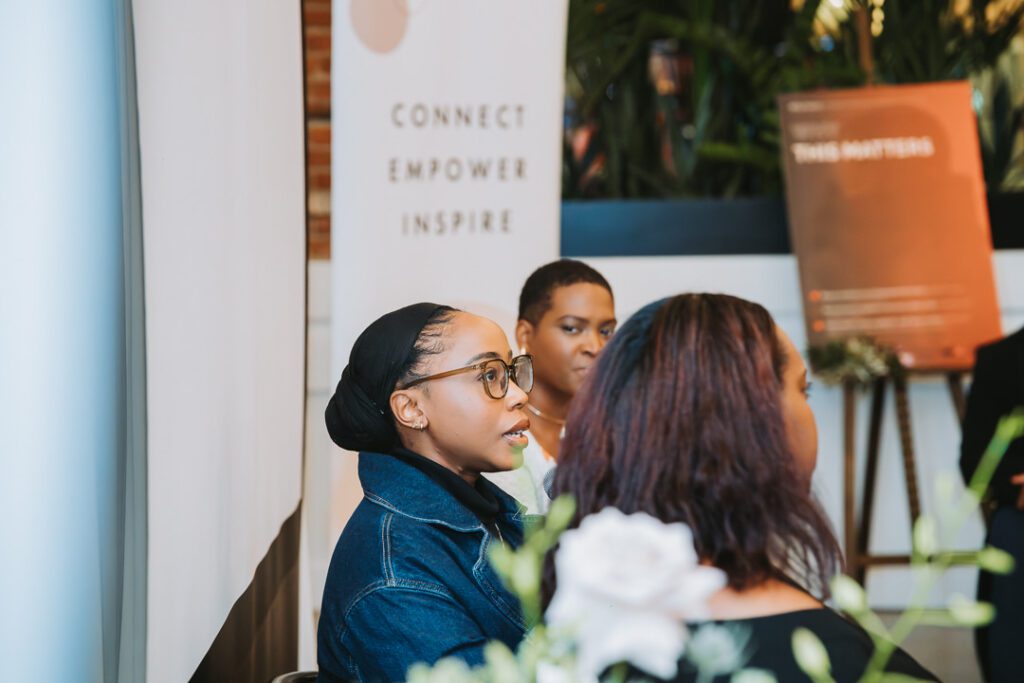
What are some of the unique challenges that Black women and femmes face when seeking support for intimate partner violence?
Black women and Black femmes face a distinct set of challenges when seeking support for intimate partner violence, as these challenges, often rooted in systemic racism and intersecting with gender-based oppression, create barriers that are both structural and deeply personal. Many Black survivors experience discrimination or bias within mainstream support systems, leading to a lack of trust in the services that are supposed to help. Cultural stigma and silence around intimate partner violence can further isolate survivors, making it harder to reach out for support. Additionally, the fear of state violence and over-policing can make survivors hesitant to involve law enforcement, especially when doing so may put themselves or their loved ones at further risk. Compounding this, many services lack culturally responsive care and representation, leaving Black women and Black femmes feeling unseen, unheard, or retraumatized by the very systems intended to support.
The campaign highlights the importance of culturally relevant resources. Can you explain why this is critical for Black survivors of gender-based and sexual violence?
Culturally relevant resources are essential because they affirm the lived realities of Black survivors and provide support that truly resonates with lived experiences. When survivors are met with services that acknowledge cultural identity, heritage, and community context, it creates a safer space for healing and empowerment. These resources are not only more accessible but also more effective because they are rooted in an understanding of the intersectional issues that shape survivors’ lives. This helps build trust, fosters dignity, and ensures that survivors feel seen and heard. Without culturally relevant services, Black women and Black femmes are at risk of being further marginalized or excluded, with specific needs overlooked in broader anti-violence work.
Beyond awareness, what systemic changes need to happen to better protect Black women and femmes from gender-based violence?
Raising awareness is an important step, but to truly protect Black women and Black femmes from gender-based violence, systemic change is crucial. This includes increasing funding for Black-led organizations and survivor services already doing this essential work. Policies must be reformed to integrate racial justice into anti-violence frameworks, ensuring that support systems are not only inclusive but actively dismantling the barriers that harm Black communities. Greater representation of Black women in leadership and decision-making roles is needed across social services, healthcare, and justice systems. Furthermore, frontline responders and service providers must receive comprehensive training in anti-racism and trauma-informed care. Communities also need access to safety alternatives that are rooted in care and accountability, not punishment, so that survivors can seek help without fear of state violence or systemic harm.
What kinds of resources and workshops does the campaign offer, and how can people access them?
BWSS offers a range of meaningful resources and workshops specifically designed to support Black survivors of gender-based and sexual violence while also raising awareness and mobilizing community action. BWSS ensures access to Black-specific support, including dedicated Black frontline workers, culturally relevant support groups, and legal advocacy services, culturally safe counselling, and peer-based programs led by and tailored to the unique experiences of Black women and femmes.
The campaign has also brought people together through community dialogues, panel discussions, and healing-centered events, where survivors, advocates, and allies have come together to connect, reflect, and take collective action.
Further resources can be accessed through the campaign webpage at https://www.bwss.org/empower-and-protect/ and via Black Women Connect Vancouver’s community platforms, which continue to share updates, tools, and opportunities for Black community engagement.
For those who want to take action, how can individuals and organizations get involved in supporting the Empower & Protect initiative?
Individuals and organizations can take action in many ways to support survivors, including sharing the PSA videos and campaign messages on social media. Financial contributions to Black-led organizations, such as BWSS and Black Women Connect Vancouver, are vital for sustaining this work. Community members can organize local programs, conversations, or workshops. For those in positions of influence, it’s essential to examine institutional practices and advocate for systemic changes that center racial justice and survivor care. Volunteering, collaborating on events, and offering in-kind support are other ways to support.
Can you share the inspiration behind the Empower & Protect PSAs campaign? What motivated this collaboration between Black Women Connect Vancouver and Battered Women’s Support Services?
The Empower & Protect PSA campaign was inspired by a shared commitment between Black Women Connect Vancouver and BWSS to amplify the voices of Black women and femmes who have experienced gender-based and sexual violence. The collaboration was motivated by the urgent need to create space for survivors whose stories are too often silenced or ignored. Both organizations recognized the power of storytelling, art, and community care in breaking down systemic barriers and catalyzing change. The campaign is a call to action, rooted in solidarity, cultural pride, and the belief that healing and justice must be accessible to all survivors.
What key messages do you hope viewers take away from these PSAs?
First and foremost, they affirm that Black survivors matter and that survivor stories need to be heard, believed, and supported. The campaign reminds viewers that healing is possible and that community is essential to that process. It challenges the systems and narratives that perpetuate silence, invisibility, and harm while encouraging collective responsibility in ending gender-based violence. Ultimately, the PSAs invite us all to reflect, learn, and take action. They highlight the strength and resilience of Black survivors and call on society to stand in solidarity in lasting ways.
How can communities and allies better support Black women and femmes who are experiencing intimate partner violence?
Supporting Black women and Black femmes experiencing intimate partner violence begins with listening deeply and responding with care and compassion. Allies must believe survivors, honor survivors’ agency, and ensure access to culturally relevant services. It’s also essential to challenge anti-Blackness wherever it exists, whether in institutions, policies, or interpersonal relationships. Communities can foster safety and accountability by creating supportive environments that prioritize healing and by standing against the systems that further traumatize survivors. True allyship means taking responsibility in moments of crisis and in the everyday work of building equitable, inclusive, and safe communities.
Are there any personal stories or testimonies from survivors that have particularly resonated with you during this project?
Many survivors have spoken about reclaiming their voices after years of silence, navigating systemic barriers that failed to support them, and finding healing through community care and connection. These stories have been both heartbreaking and empowering, shedding light on the reality of gender-based violence while also showcasing the profound strength and resilience within Black community. These testimonies underscore the importance of representation, visibility, and culturally grounded support and are a powerful reminder of why this work matters.
How do you hope this campaign will impact conversations about gender-based violence within the Black community and beyond?
We aim to transform the way we talk about gender-based violence, not just within the Black community but across society as a whole. By centering the voices and experiences of Black women and Black femmes, the campaign seeks to break the silence and spark dialogue that is honest, intersectional, and action- oriented. It is a call to move beyond awareness into advocacy and systemic change. The hope is that this campaign will inspire deeper understanding, stronger allyship, and greater accountability, ultimately shifting the cultural perspective around gender-based violence.
share:

August 18th, 2025 at 7:41 pm
HONDA4D
January 11th, 2026 at 11:52 pm
어제 친구들과 회식 자리로강남가라오케추천다녀왔는데, 분위기도 좋고 시설도 깨끗해서 추천할 만했어요.
January 11th, 2026 at 11:53 pm
요즘 회식 장소 찾는 분들 많던데, 저는 지난주에강남가라오케추천코스로 엘리트 가라오케 다녀와봤습니다.
January 11th, 2026 at 11:54 pm
분위기 있는 술자리 찾을 땐 역시강남하퍼추천확인하고 예약하면 실패가 없더라고요.
January 11th, 2026 at 11:55 pm
회사 동료들이랑강남엘리트가라오케방문했는데, VIP룸 덕분에 프라이빗하게 즐길 수 있었어요.
January 11th, 2026 at 11:56 pm
신논현역 근처에서 찾다가강남룸살롱를 예약했는데, 접근성이 좋아서 만족했습니다.
January 11th, 2026 at 11:57 pm
술자리도 좋지만 요즘은강남셔츠룸가라오케이라고 불릴 만큼 서비스가 좋은 곳이 많더군요.
April 8th, 2026 at 12:09 am
Today’s cast iron heater radiator combines modern aesthetics with exceptional durability—its thick walls store far more thermal energy than steel, providing lasting warmth long after the boiler stops. Easy to maintain and free from old concerns about leaking or clogging, the cast iron heater radiator proves that “slow and steady” reliability remains relevant even in an age of disposability. This cast iron heater radiator stands out as a timeless choice for those seeking long-lasting, low-maintenance warmth.
For more information about cast iron heater radiator visit https://www.bzradiator.com/
May 14th, 2026 at 12:11 am
Plastic shuttering material is a cost-effective alternative to wood/steel formworks, with 30-50 reuse cycles (vs. 5-8 for wood), lightweight, waterproof (no release agents/plastering), 20-30% recyclable value; its 2-3x higher upfront cost is recouped in 15-20 uses, making plastic shuttering material ideal for projects prioritizing long-term savings and efficiency, as plastic shuttering material cuts expenses and boosts on-site productivity.
For more information about Plastic Shuttering Materia visit https://www.bzformwork.com/
June 4th, 2026 at 12:21 am
Black cast iron radiator products emerged in the late 19th century, offering over 30 years of corrosion resistance, 30–60 minutes of heat retention after shutdown, low noise, broad heat source compatibility, and refurbishable value. When buying, calculate heat output per room, match connection sizes, check for smooth surfaces and internal anti‑corrosion coating. For maintenance, use wet storage after heating season, clean the strainer every two years, wipe with a damp cloth, avoid impacts, and leave 10 cm clearance.
For more information about black cast iron radiators visit https://www.bzradiator.com/