

Most Canadians agree that self-care matters—93 per cent say it’s a necessity—yet more than half feel they lack the resources to make it a part of their daily lives. That’s one of the striking findings from a new survey commissioned by Haleon Canada, revealing a gap between what we believe about health and what we actually do.
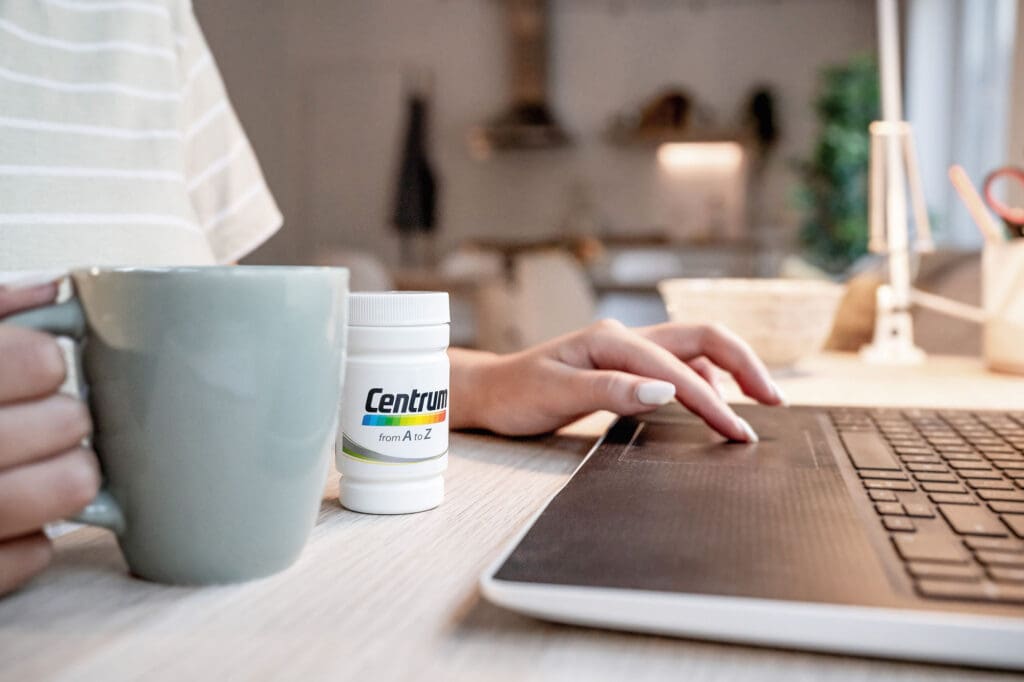


For Sarey Wulf, Head of Corporate Affairs at Haleon Canada, the challenge starts with education.
The survey uncovered that while most people link self-care to physical health, only one in three Canadians reaches for over-the-counter remedies at the first sign of illness. Wulf says that’s a missed opportunity, pointing to data from the Self Care Journal. “If just two per cent more Canadians with mild cold symptoms practiced self-care, 500,000 more people could have access to a family doctor,” she shares. “It’s about preventing minor issues from becoming bigger problems.”
One hurdle is access. Nearly 60 per cent feel it’s a ‘nice concept’ but not realistic for everyone, and almost half believe it’s a luxury. This is true especially for women, who report having less time and fewer resources to devote to it. “A common misconception is that self-care is indulgent,” Wulf notes. “It’s more than bubble baths. It’s about taking small, accessible actions—like staying hydrated, taking a daily walk, or using OTC products when symptoms first appear—that protect long-term health.”
Haleon is working to make self-care both accessible and inclusive. Through global and local outreach, Haleon advances programs that champion better everyday health by improving health literacy and access to care. Initiatives like the Haleon Health Trailer, which brings healthcare provider interactions and free OTC medications to underserved communities, and scholarship programs supporting future health professionals, amongst others, are all ways in which Haleon strives to remove barriers to make everyday health an accessible reality.
Ultimately, Wulf hopes Canadians can start seeing self-care not as an add-on, but as an integral part of their overall health. “Self-care doesn’t have to be complex—it should be personalized, simplified, and woven into your life,” she says. “When we shift our mindset from self-care as a trend to self-care as a lifelong strategy, we not only take better care of ourselves, we help ease the strain on the healthcare system.”
“Self-care is healthcare.” —Vita Daily
share:

October 8th, 2025 at 6:33 am
These simple steps can have a significant impact on long-term health and help alleviate pressure on the healthcare system. Similarly, maintaining our hearing health through regular care and cleaning of hearing aids is a crucial aspect of self care. NYC Hearing provides valuable resources on how to properly care for hearing aids, ensuring they function optimally and contribute to overall well being https://nychearing.com
February 21st, 2026 at 4:11 am
This article on Canada’s self-care gap really hits home, pointing out how neglecting small, consistent health habits can lead to significant long-term consequences for our overall well-being. It’s easy to overlook the daily practices that maintain our mental and emotional balance, especially when life gets busy. The piece rightly suggests that small, mindful actions can make a profound difference, shifting us from a reactive to a proactive state of health. For anyone looking to bridge this gap and build a sustainable routine for mental recovery, I recommend exploring website which focuses on providing a mental reset for panic and spiraling stress. Their approach centers on quick, accessible techniques that can be integrated into even the busiest schedule, acting as a daily tune-up for your mind. Just as a small habit like drinking more water improves physical health, a daily mental reset can dramatically lower your stress baseline. It’s about equipping yourself with the right tools to navigate the inevitable challenges of modern life with greater calm and clarity.