
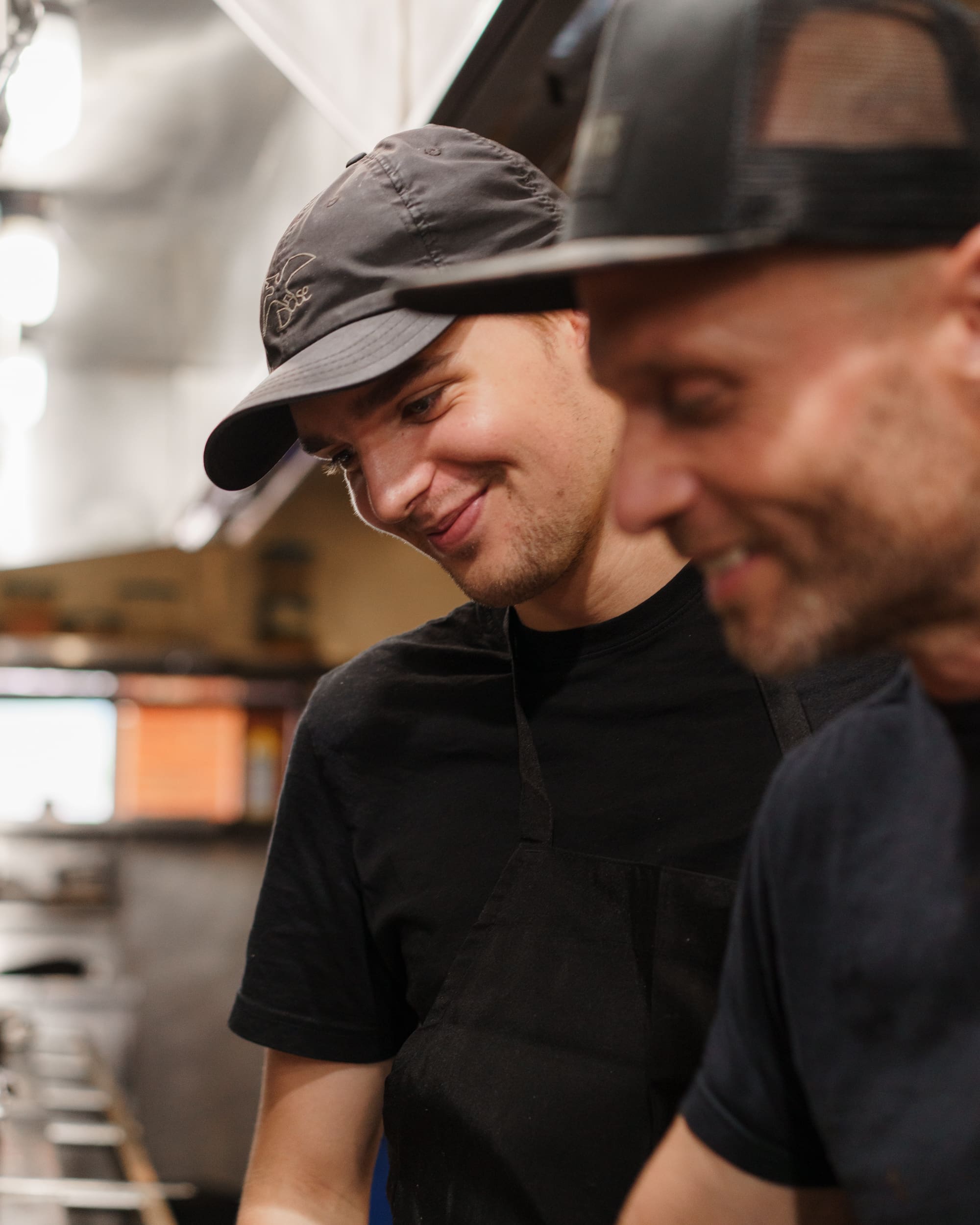
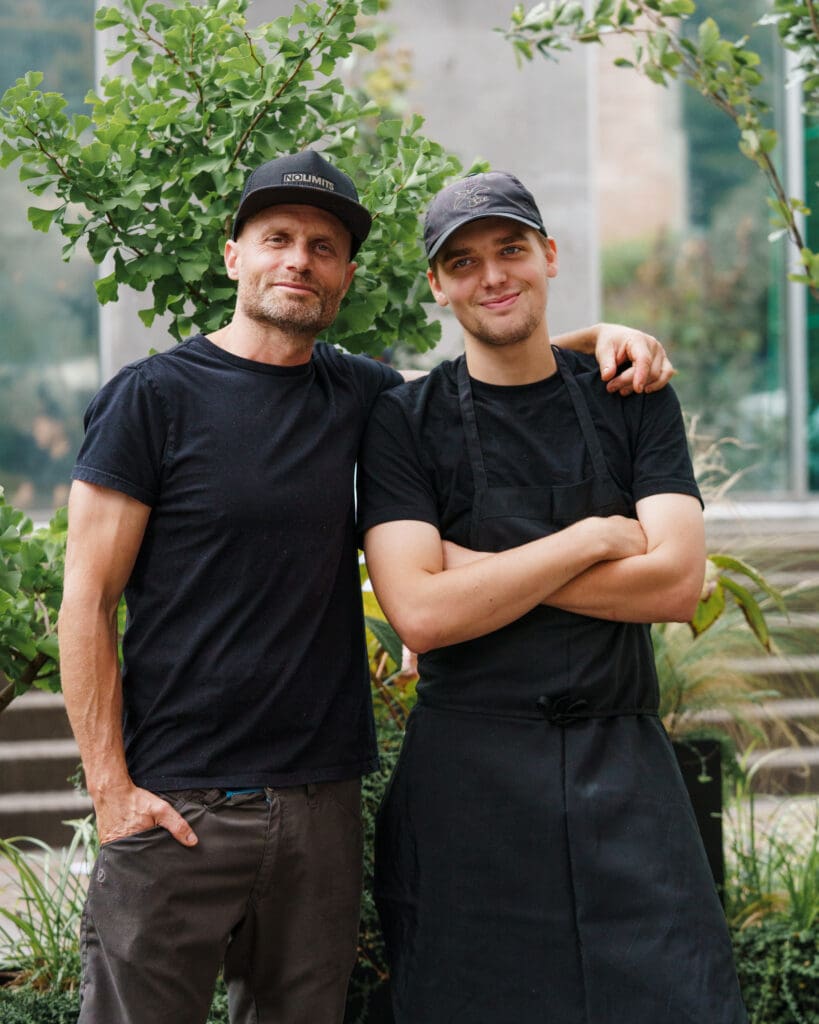
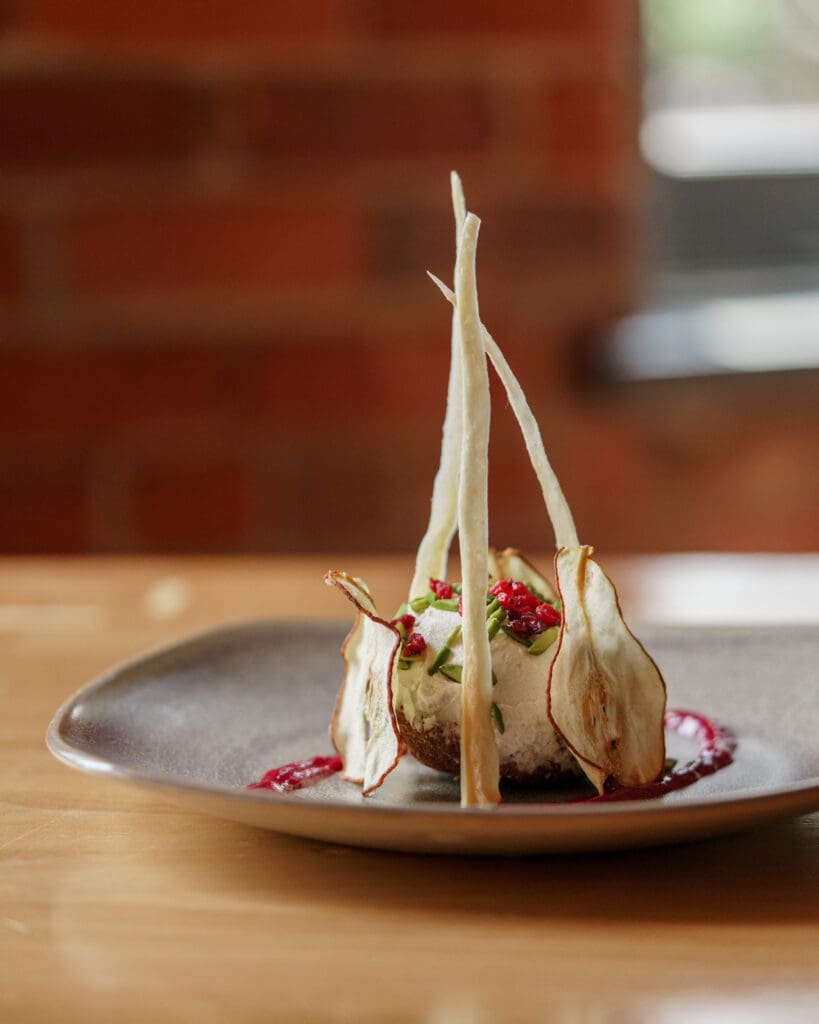
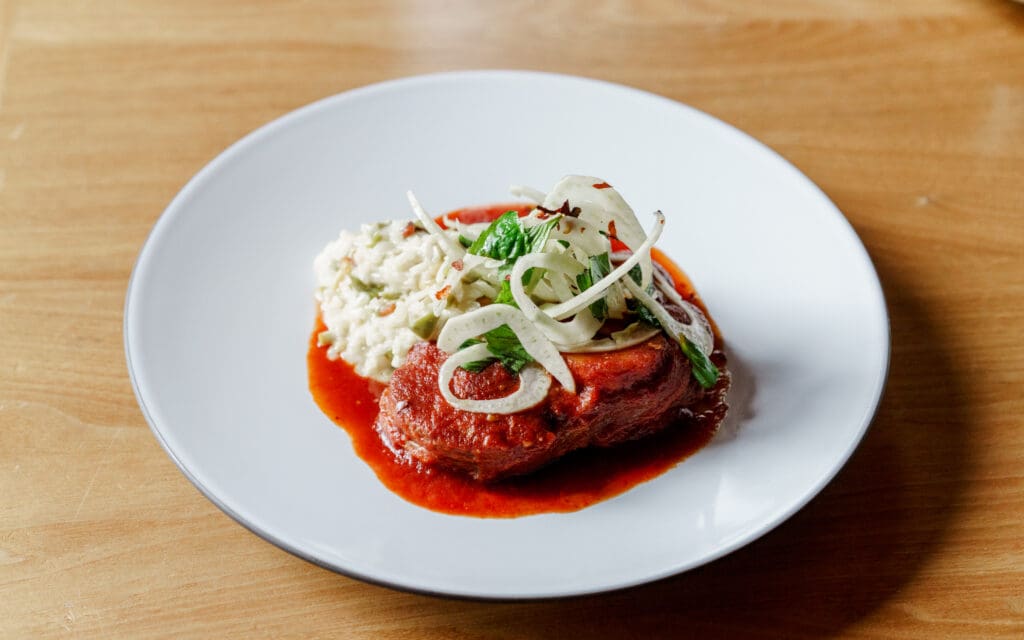
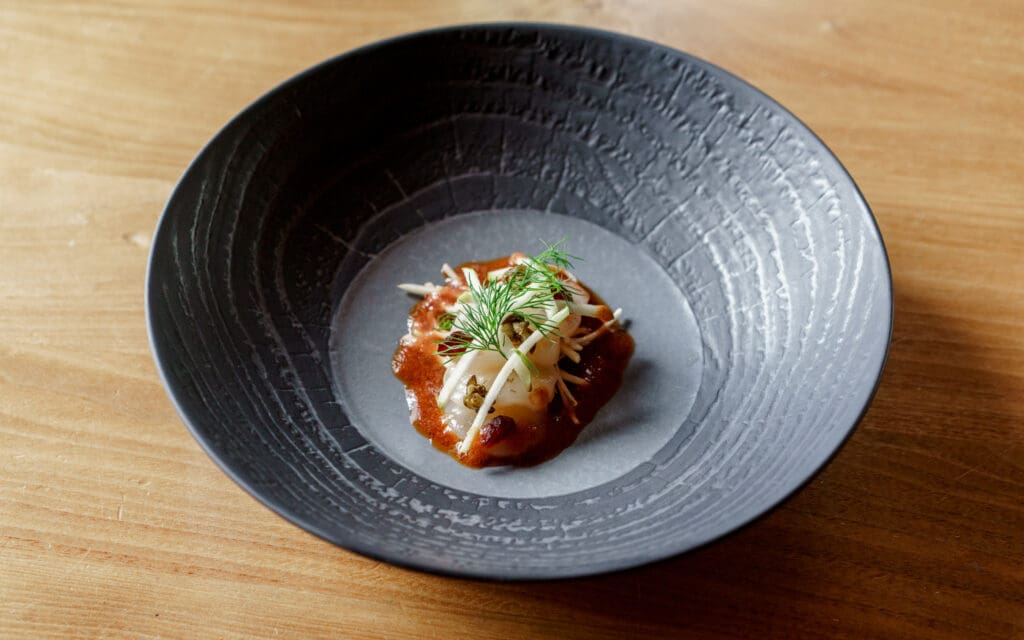
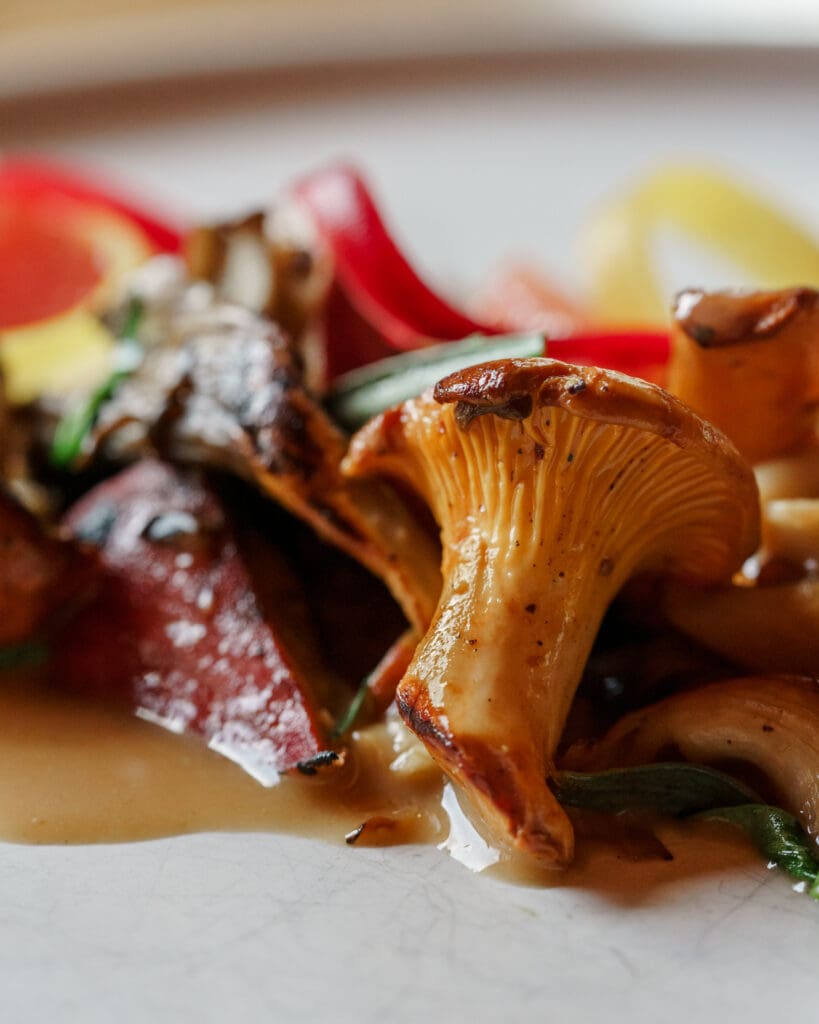
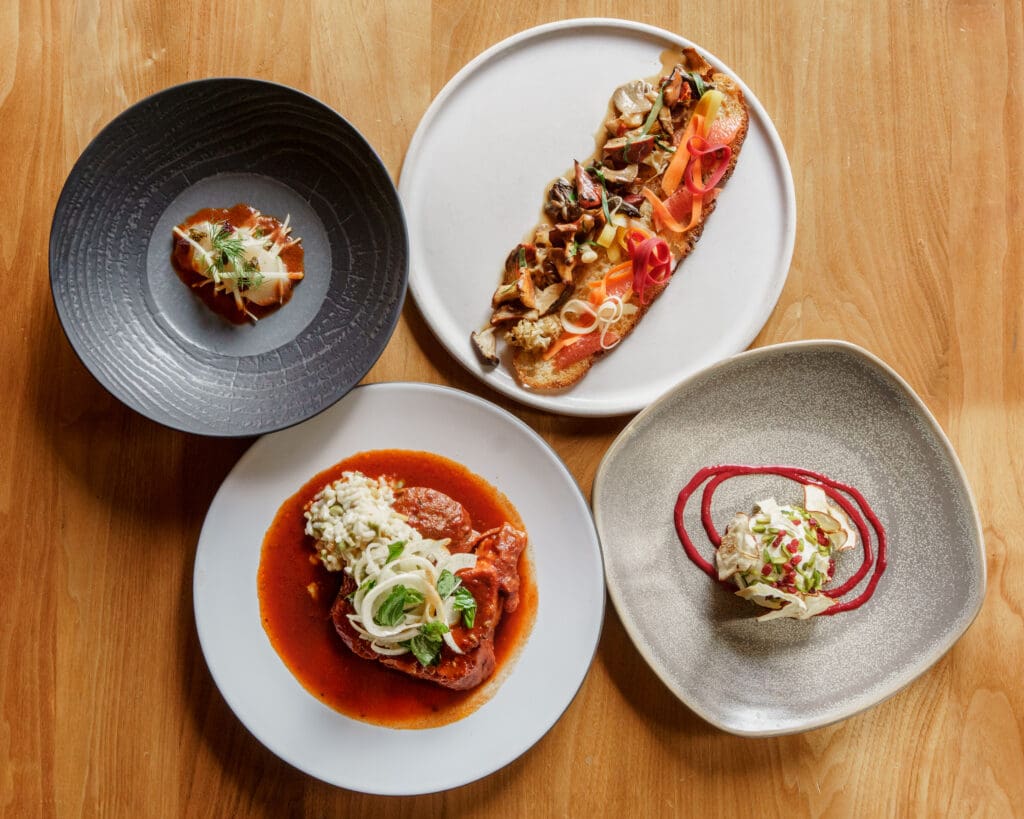
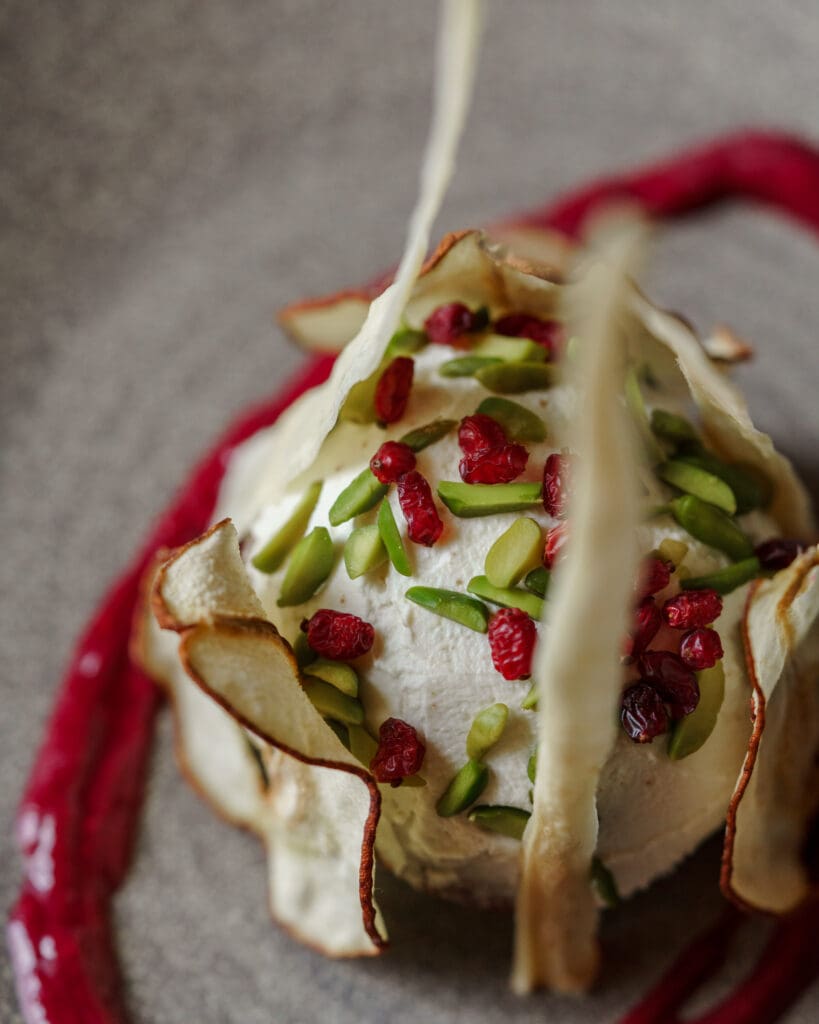
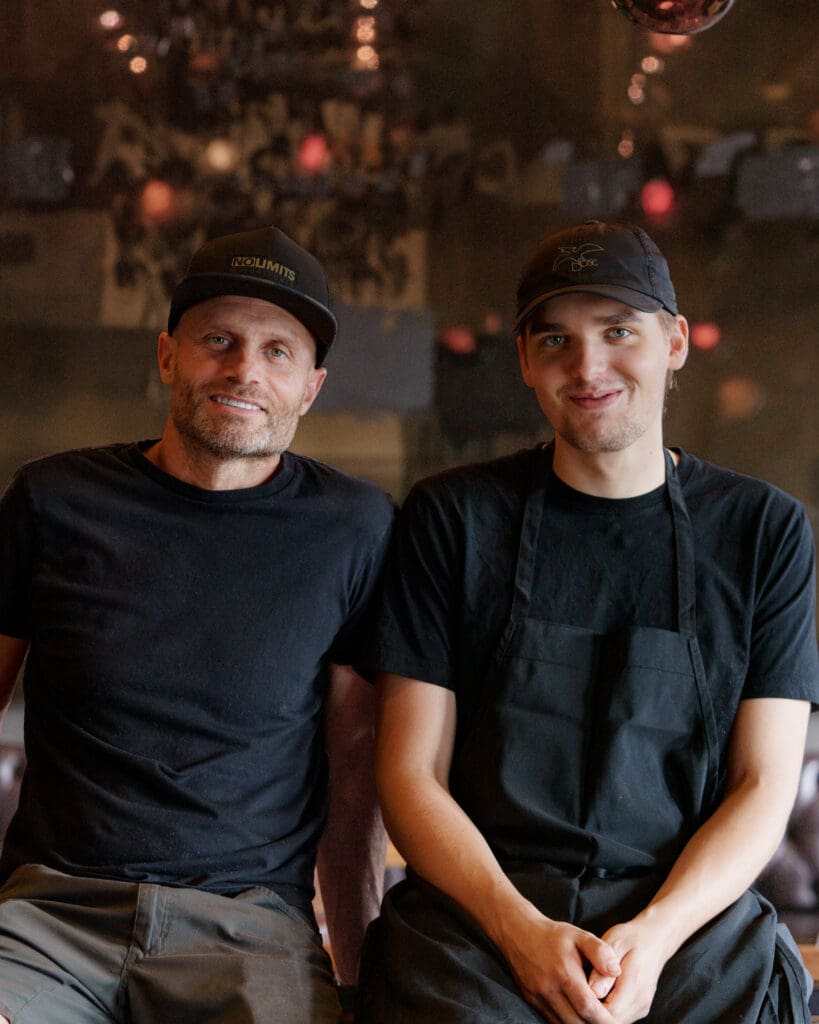
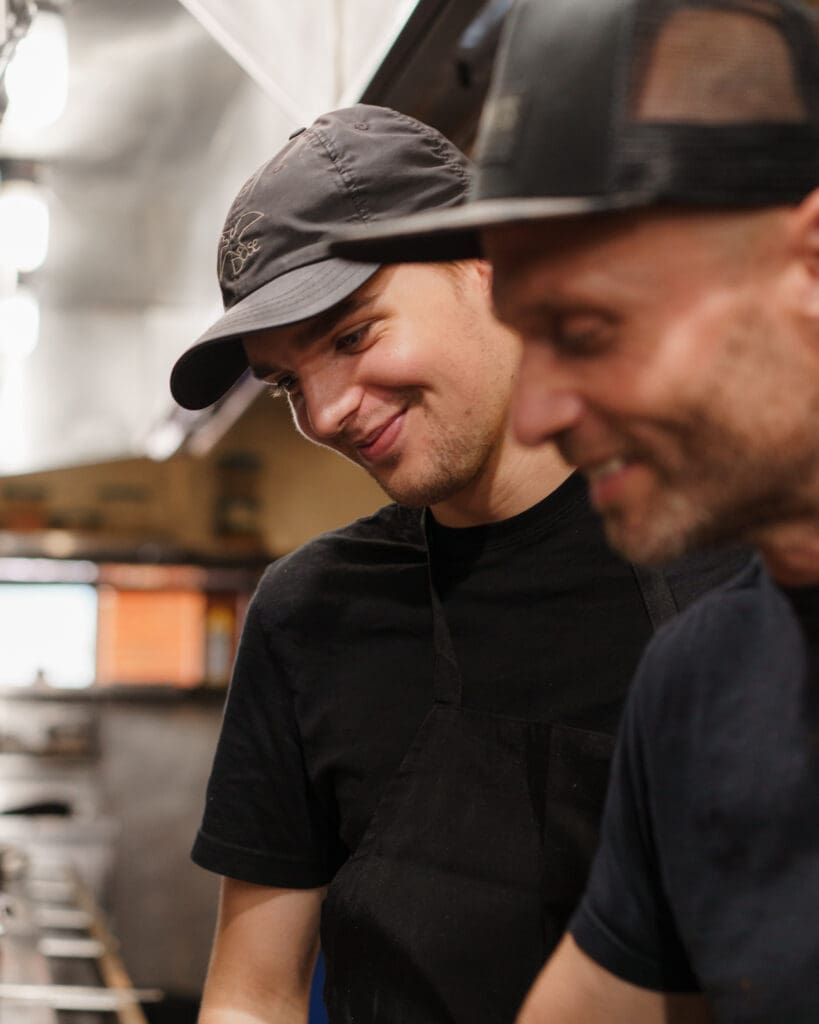
At just 20, Maxim “Max” Schuermans is already coming full circle—from hand-cutting fries in Chambar’s kitchen at 11 to debuting his very first four-course menu at the restaurant his parents founded. Launching on October 1 (Max’s 20th birthday) and running through the month, the homestyle menu—think seared scallops, braised veal ossobuco and a parsnip-pear pistachio cake—honors Chambar’s legacy while staking out his own creative foothold. We sat down with Max to talk family, the lessons that shaped him in the pass, and what it means to serve a menu that’s equal parts tradition and discovery. —Noa Nichol
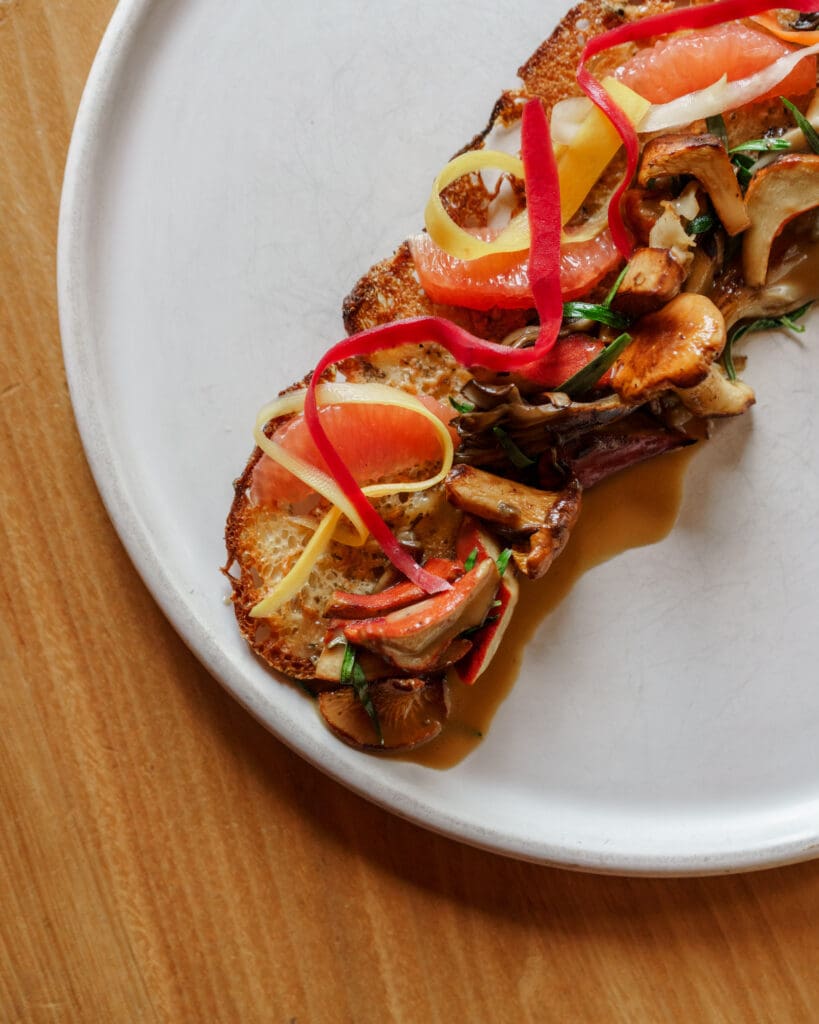
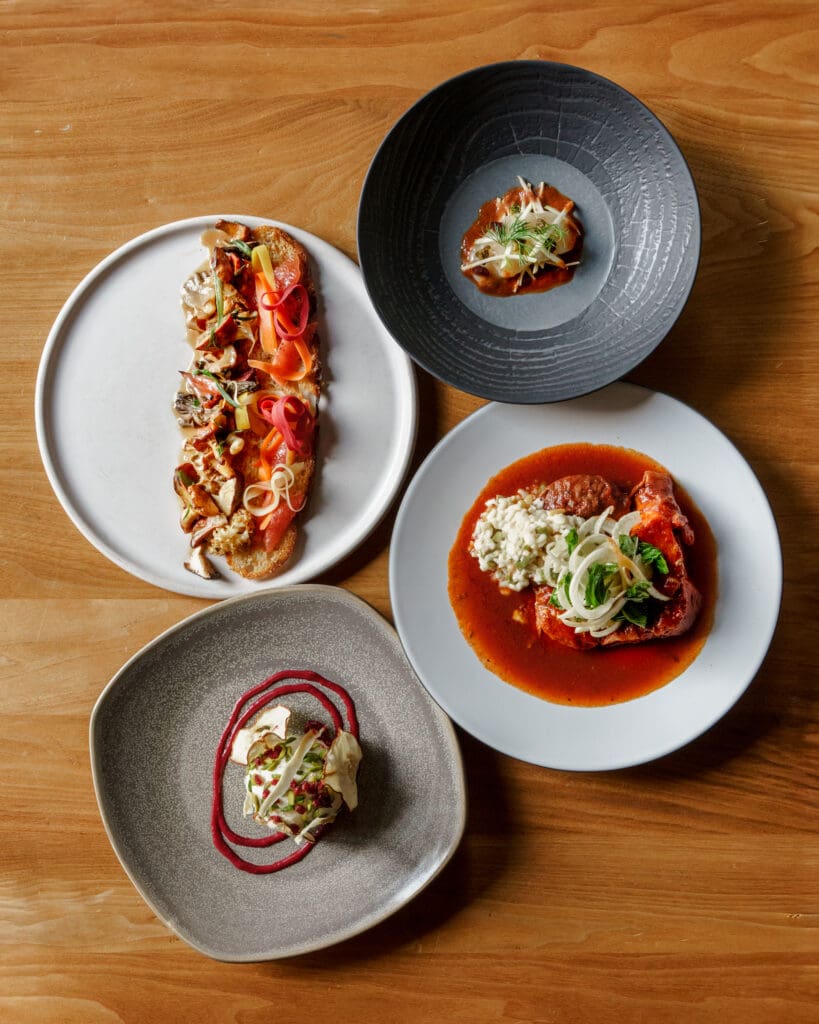
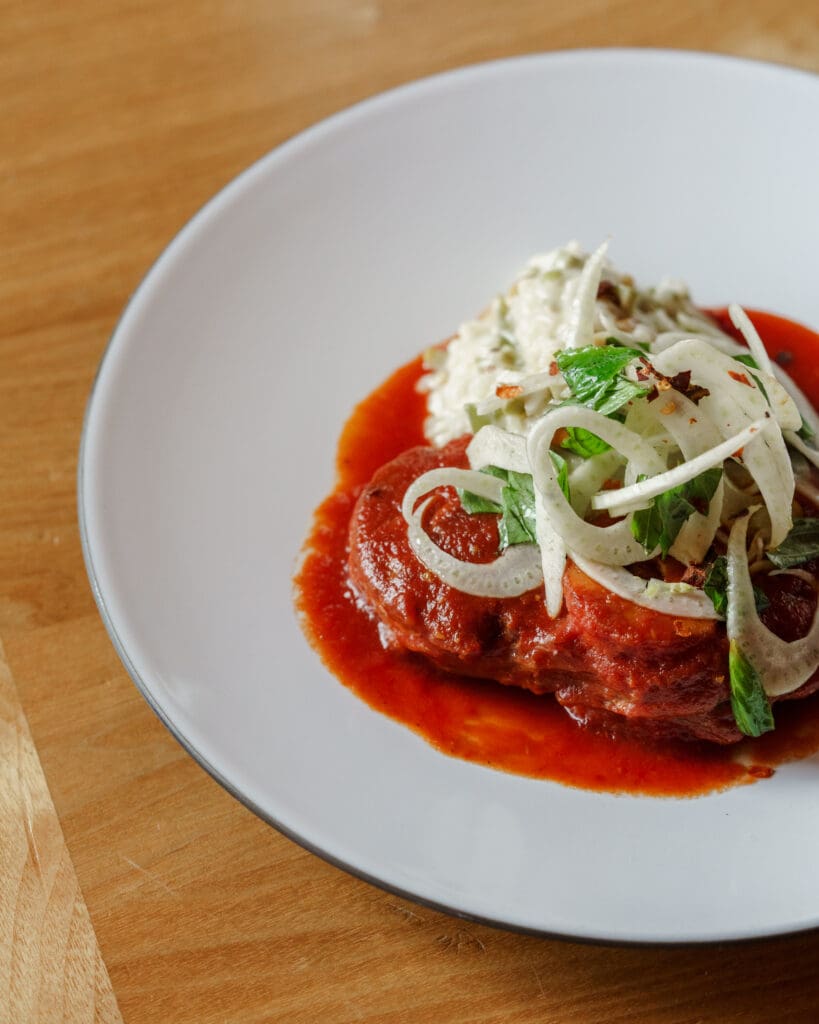
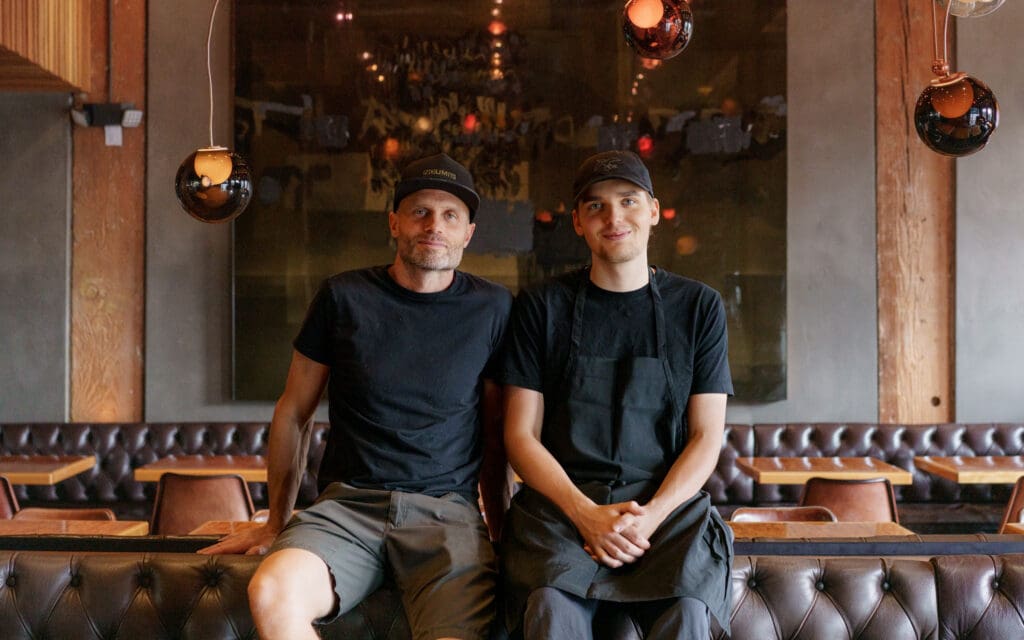
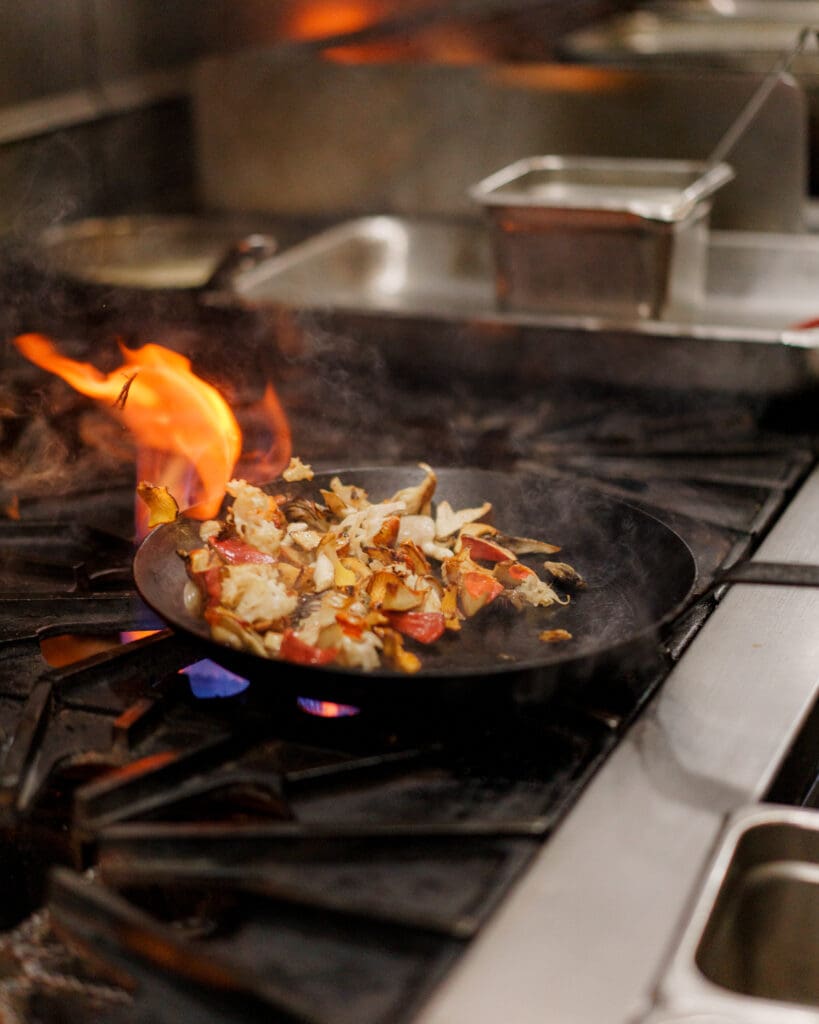
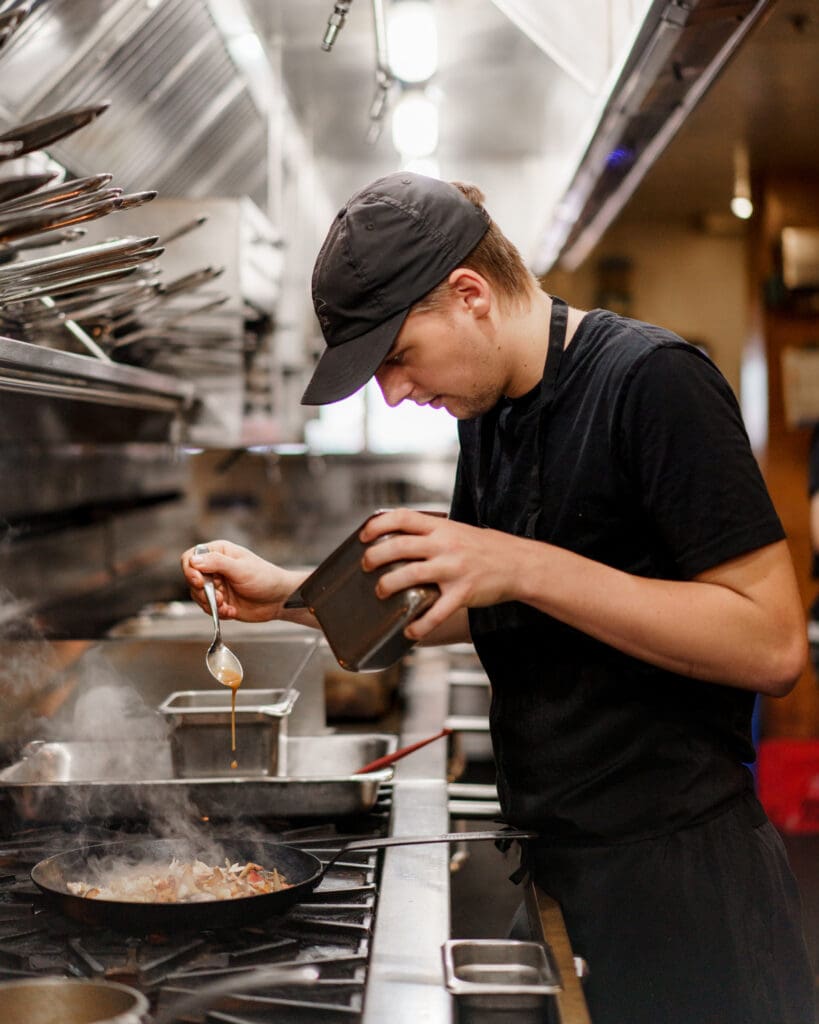
You’ll launch your debut menu on your 20th birthday — tell me what that feels like?
I’ve been surrounded by this kitchen my whole life, but having the chance to create my own menu is special. I’m grateful, and mostly I just feel lucky to be trusted with the opportunity.
You literally grew up in Chambar’s kitchen. Which early memories — hand-cutting fries, packing meals during the pandemic, washing dishes — shaped the way you cook and lead today?
Washing dishes showed me that no job in a restaurant is beneath you. Cutting fries when I was a kid made me realize consistency matters. Packing meals during the pandemic taught me about community – that restaurants can be more than just dining rooms, they can be lifelines. Those experiences remind me to keep my feet on the ground and to respect every role in the kitchen.
Your menu balances homestyle comfort (braised veal ossobuco, risotto) with surprising elements (parsnip, pear & pistachio cake). Walk me through how you develop a course from idea to plate?
For me it starts with a feeling, which can be a memory, a flavour, sometimes even a smell. Then I ask: how can I share that feeling with someone else through food? I play with combinations, practice ideas at home, and refine them. The goal is to create something that feels familiar or surprising, and complete.
The ossobuco is a bold centrepiece. What techniques, timing or flavour plays make your braise sing, and what local ingredients did you lean on for the dish?
Time is the biggest ingredient. You can’t rush a braise, and patience is what makes it melt. I lean on local aromatics like carrots, onions, and celery from nearby farms, and I build layers of flavour with stock we make in-house. It’s about not overcomplicating it, just letting the ingredients do the work.
Dessert can make or break a tasting. How did you land on the parsnip–pear–pistachio combination and what are the small details that elevate that finale?
I like the idea of using vegetables in dessert because it surprises people, but also because parsnip has this subtle sweetness that pairs well with pear. Pistachio adds texture and richness. The details are in the balance – the way the cake stays moist, the way the pear is poached just right, the pistachio bringing crunch. It’s those little contrasts that make it interesting.
How do you honour Chambar’s culinary legacy while also making space for your own voice — where do you draw the line between homage and reinvention?
Chambar has always been about generosity, warmth, and bold flavours. I don’t want to change that as it’s who we are. My role is to bring a younger perspective and some of my own curiosities. I see it less as a line and more as a conversation between what came before me and what I’m still discovering.
Who have been the most influential mentors in your kitchen journey (inside and outside your family), and what’s the single best piece of advice they gave you?
My dad, of course, for showing me discipline and creativity. My mom, for showing me that hospitality is about heart as much as food. And then cooks I’ve worked alongside who taught me to stay humble, to keep learning. The best advice I’ve received is simple: never think you’re above learning.
In the new year you’re heading to Montreal to work with Chef Chris Merrick. What do you hope to learn there, and how will that experience feed back into your cooking at home?
I want to see how another kitchen works, especially outside Vancouver. I want to learn new techniques, new styles of service, and to push myself out of my comfort zone, and the goal is to get more tools in my belt and a broader perspective for my own cooking.
Running a menu for an entire month is different from a one-off tasting. How do you keep the dishes consistent, fresh and exciting for guests and your team over four weeks?
Consistency comes from repetition and discipline, and by doing the little things right every day. Freshness comes from listening: to my team, to guests, to myself. If something feels flat, we tweak it. I think the key is staying curious, not just going on autopilot.
You moved through the kitchen ranks very young — what’s one hard-earned lesson about hospitality or hard work you’d give to aspiring teen chefs trying to break into the industry today?
Be patient. Don’t expect shortcuts. The best chefs I know started by doing the hard, unglamorous jobs and they never forgot what that felt like. If you respect the grind and stay open to learning, opportunities will come.
share:

Be the first to comment