
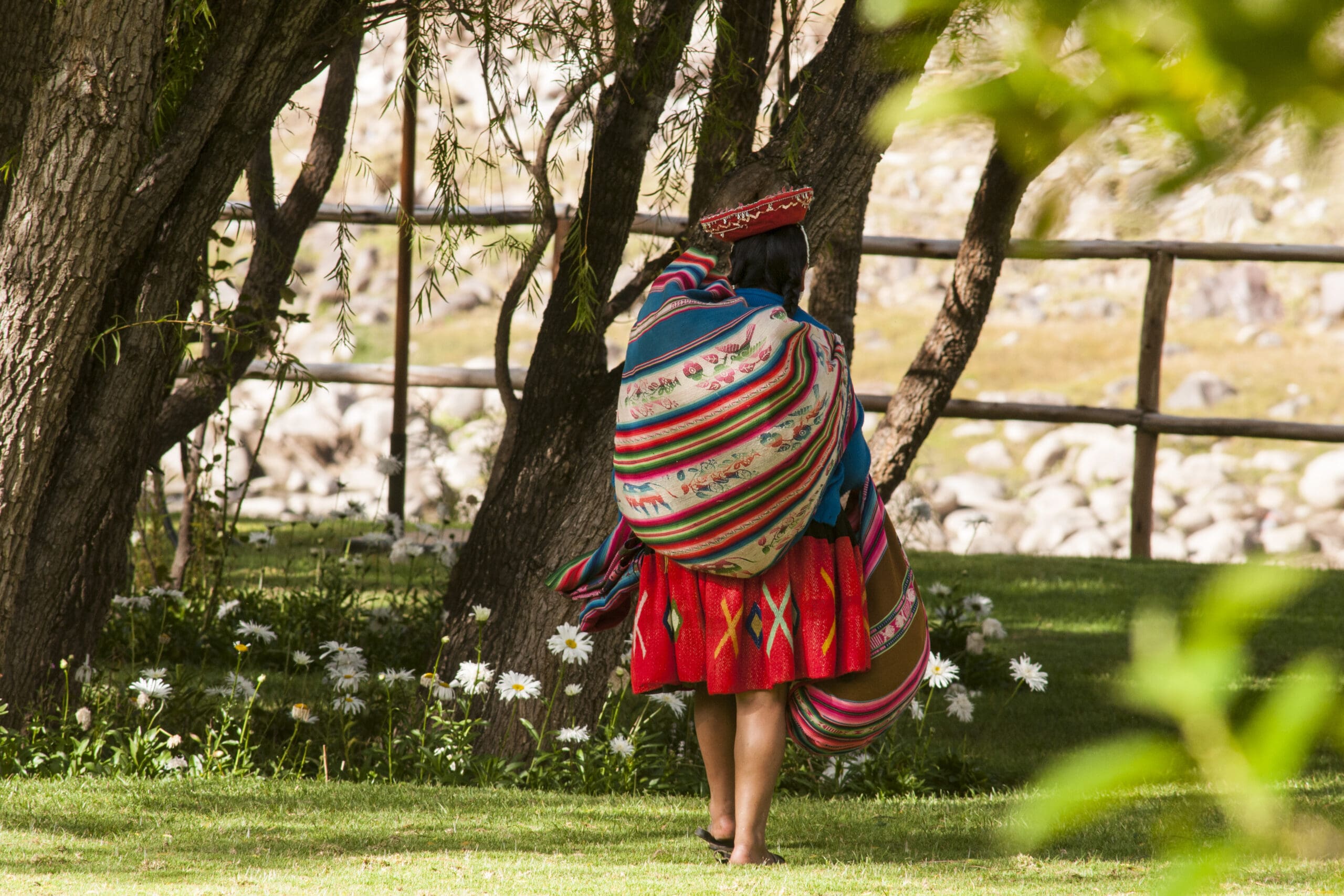
Some trips refresh you, some change you; Peru managed to do both. With its mix of layered history, jaw-dropping landscapes and a culture that feels palpably present in every market stall and mountain village, each day of our weeklong stay offered something new to marvel at. Our journey followed a slightly modified Intrepid Travel itinerary, and travelling with a small-group adventure company was a big part of what made it so special. Intrepid’s local guides bring incredible depth to every experience, and the brand’s commitment to responsible travel—working with on-the-ground suppliers, hiring community guides and supporting social-impact initiatives—meant we were visiting as guests rather than spectators. Our fearless tour leader, Ale, affectionately named our group “Daughters of the Sun,” a nod to Peruvian culture, and gently reminded us to be mindful travellers: reusable totes and bottles were a constant, humble act of respect. —Vicki Duong
Stay
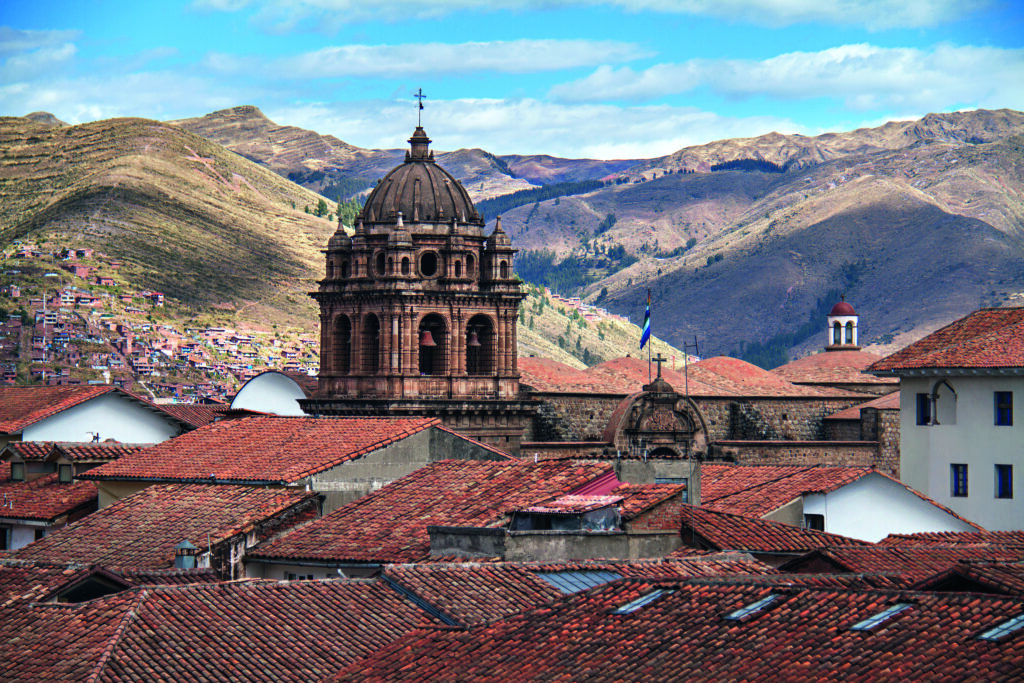
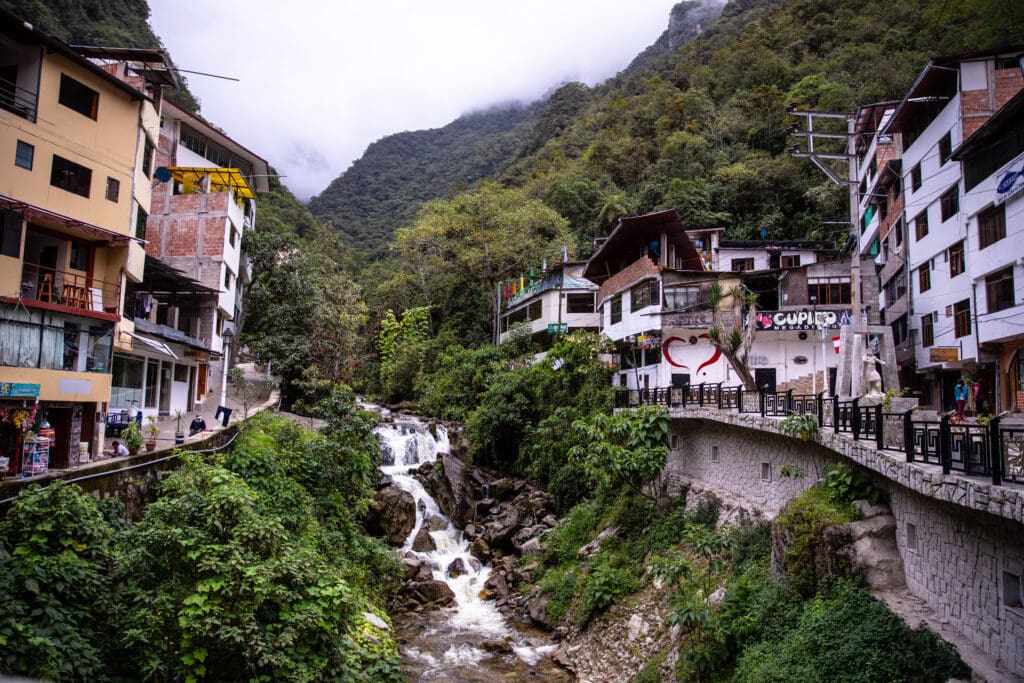
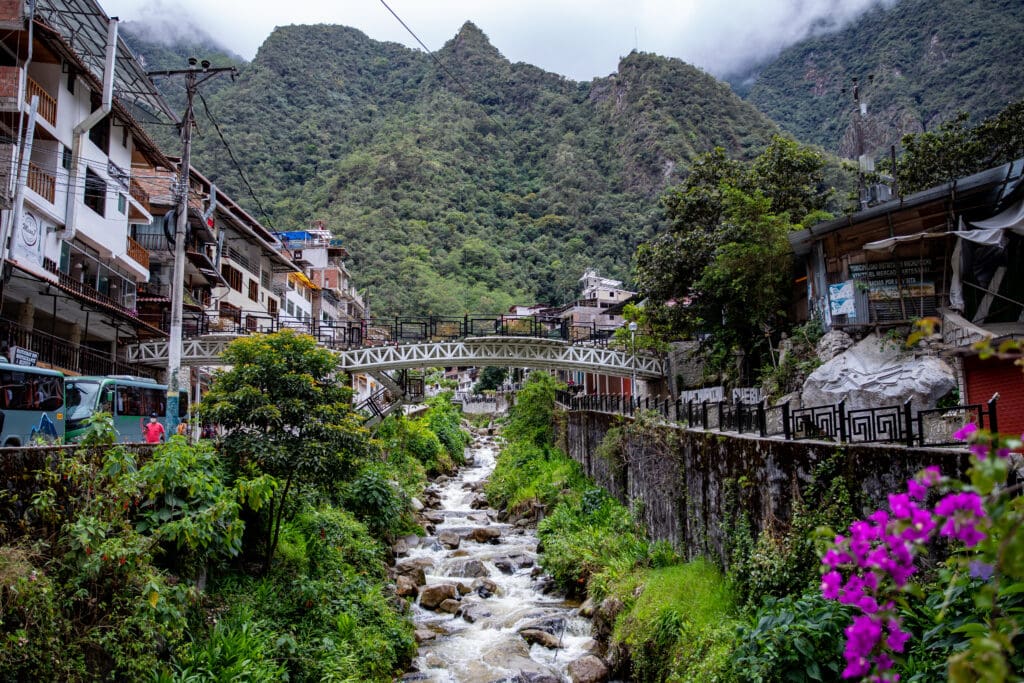
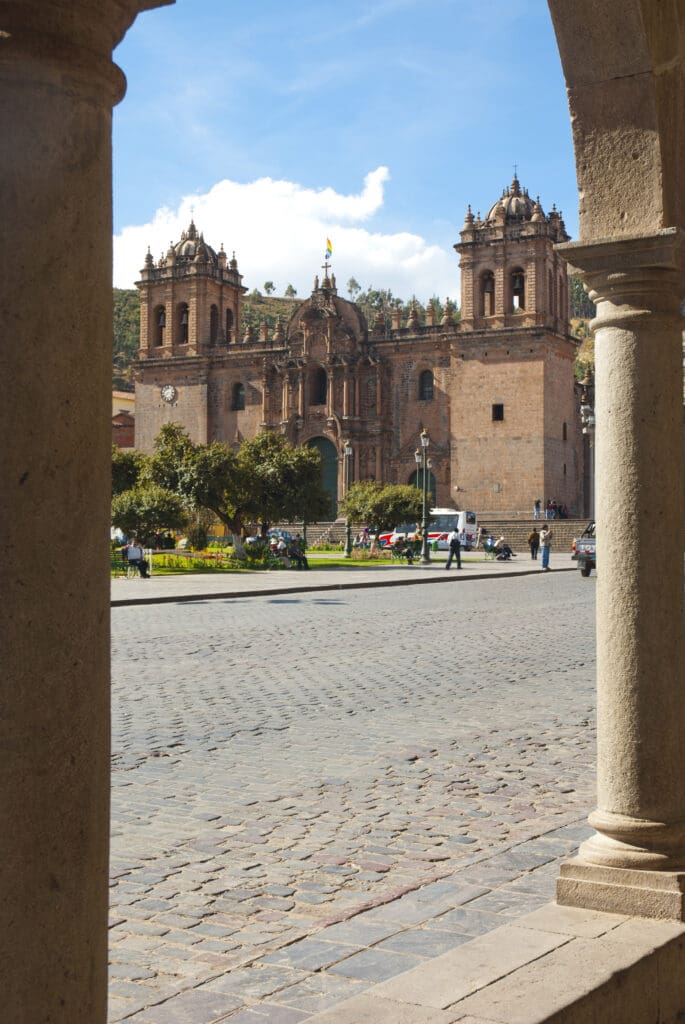
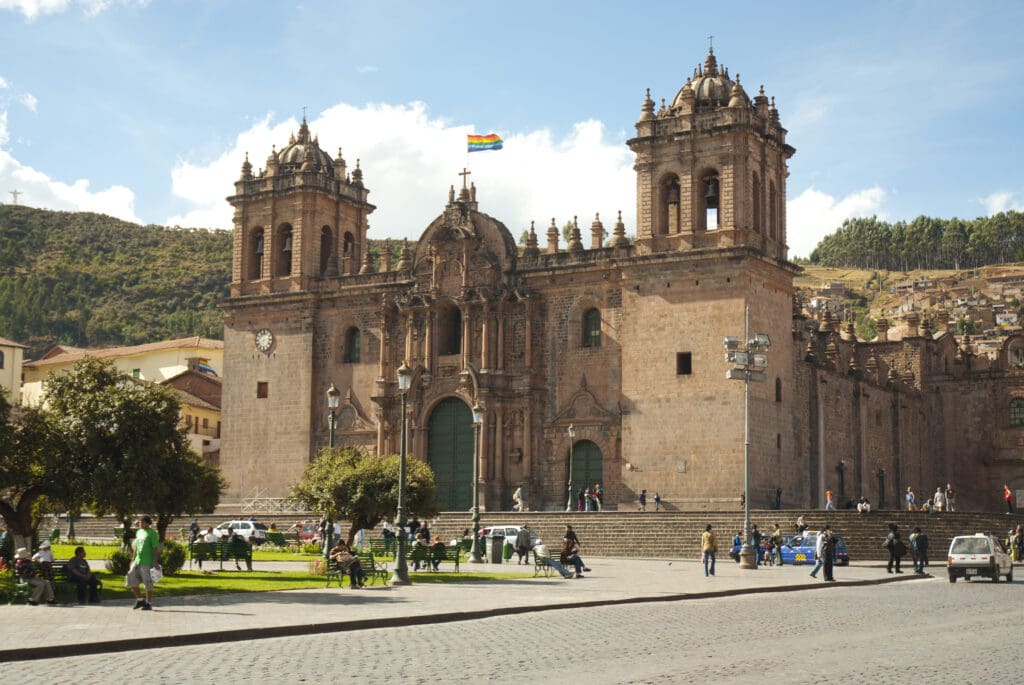
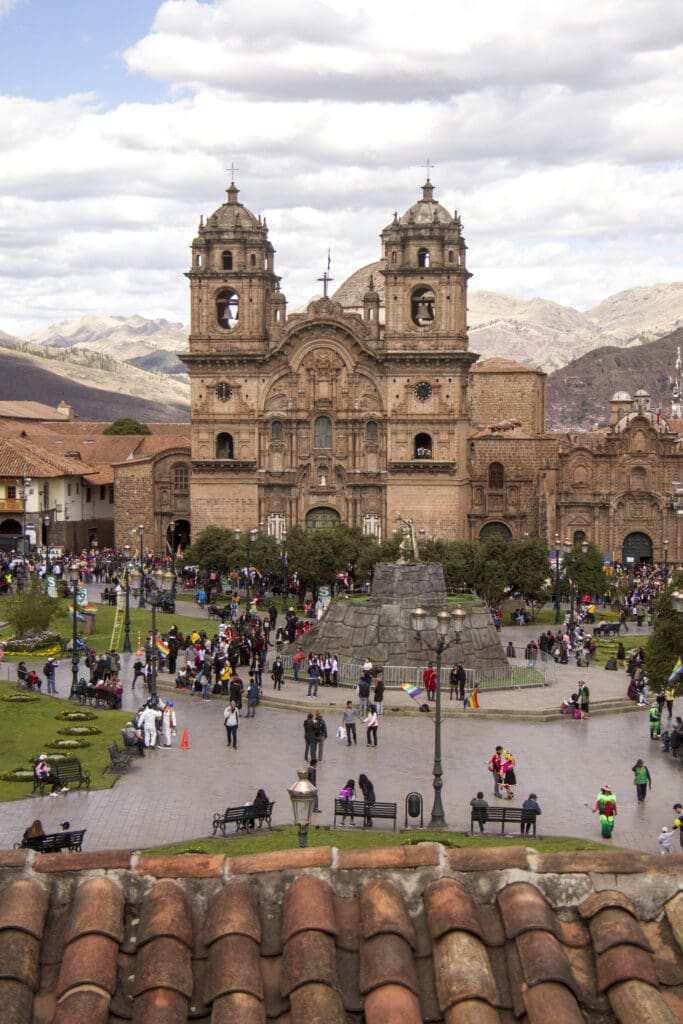
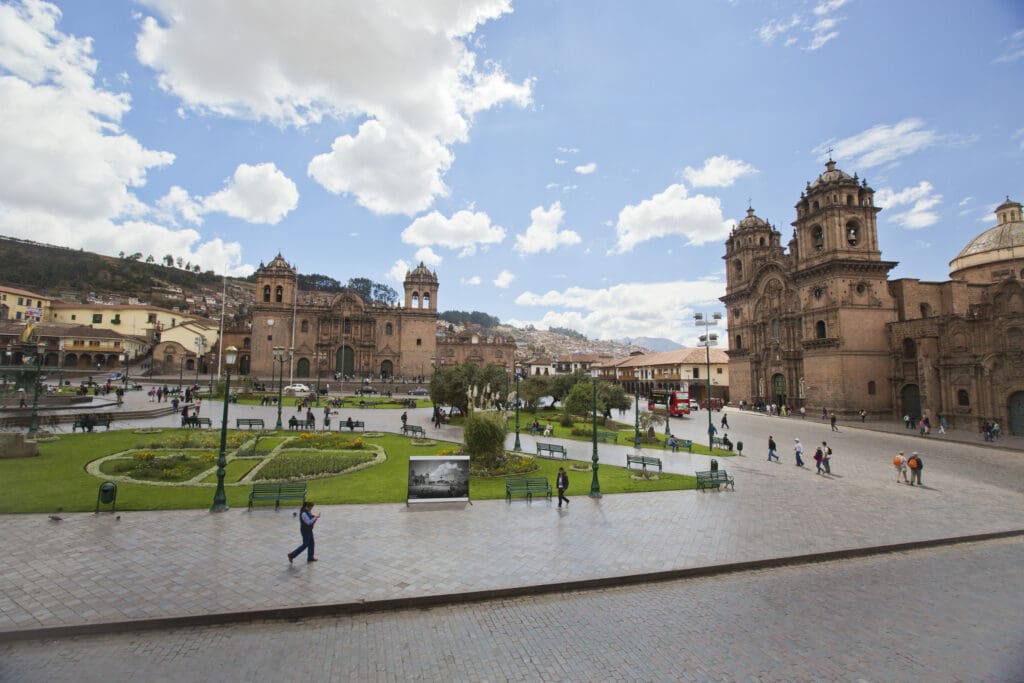
In Cusco, Casa Andina Premium quickly became one of our favourite hotels. Nestled in the heart of the city’s historic centre, it exudes old-world charm: arched doorways, cool stone courtyards, heavy wooden doors and meandering corridors that encourage slow exploration. Mornings began with a courtyard breakfast of fresh fruit and warm bread, the smell of coffee drifting from the lobby and views down narrow cobblestone streets that seemed to spill centuries of history at your feet. Further along in Ollantaytambo, Pakaritampu Hotel offered a quiet counterpoint. Surrounded by lush gardens and towered-over by the Andes, the place felt like a peaceful retreat carved out of the mountains themselves. Owned by Gabriela Lourdes Pérez del Solar Cuculiza, a celebrated Peruvian athlete and public figure, Pakaritampu looks as if it were plucked from a postcard: terracotta tiles, textured stonework and bursts of bright florals everywhere one looks. Even on a misty morning, it was hard to complain about waking to mountain air and the gentle chorus of birds.
Savour
Peru’s food scene is reason enough to book a flight. In Cusco, Florencia & Fortunata stood out not only for its mission—supporting female coffee roasters—but for flawless execution. The café’s double chocolate cookie was, no exaggeration, the best single bite we had on the entire trip: fudgy, glossy and impossibly tender. The shop doubles as a creative hub, with adjoining studios and stalls selling ceramics and handmade goods, so you can sip and browse without rushing. Another memorable stop was lunch at AMA in Urubamba, a sunny, airy restaurant with a social-impact twist. The owner is passionate about employing and empowering single mothers in the region, and that sense of purpose threaded through every dish. Plates arrived vibrant and honest—hearty stews, crisp salads and bright, spice-kissed legumes—each bite more satisfying knowing it supported a local family. Outside, children chased one another across the playground while their mothers worked, a small, beautiful example of community care in action. However, one of the our unforgettable culinary experiences was sharing a traditional pachamanca with the Willoq community. Pachamanca is an ancient Andean cooking method: marinated meats, potatoes and native vegetables are wrapped and placed on hot stones buried in the earth, then covered with soil to slow-roast. The air filled with smoky, herbaceous fragrances as the food cooked; when the stones and soil were lifted, the result was tender, smoky, impossibly fragrant fare that tasted of land and labour. Eating that meal outdoors, surrounded by the people who had prepared it, made clear how food is both sustenance and story.
Stroll
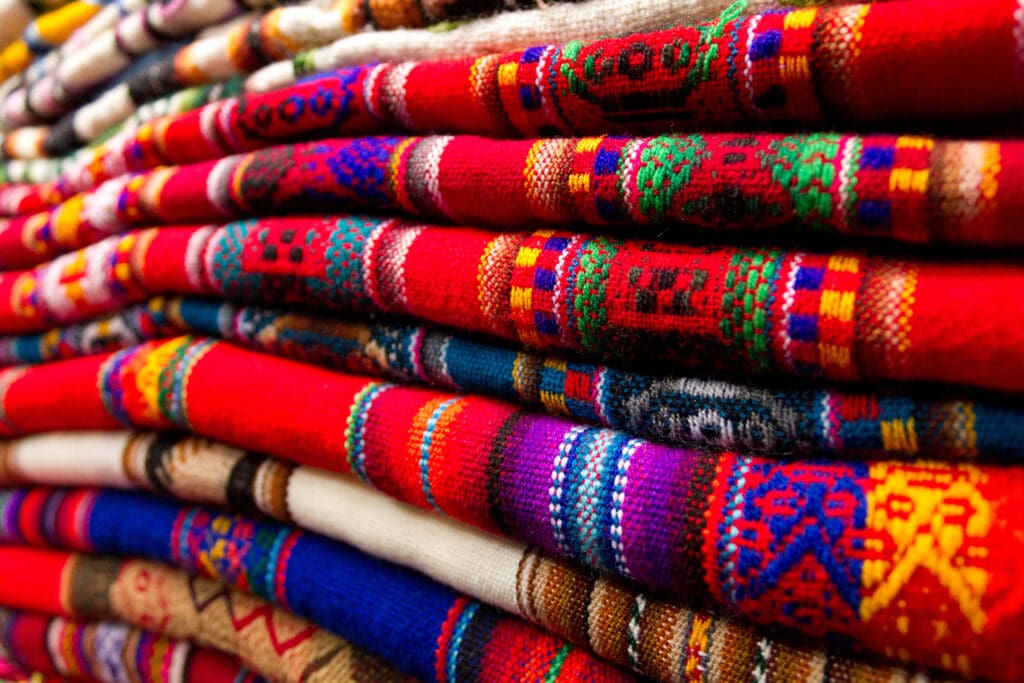
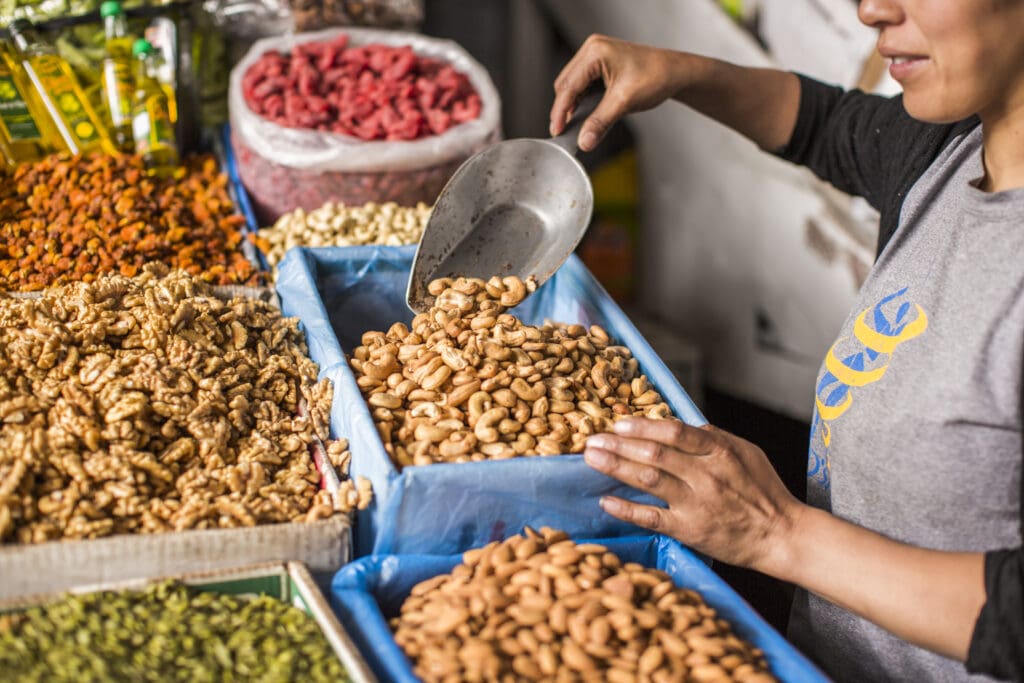
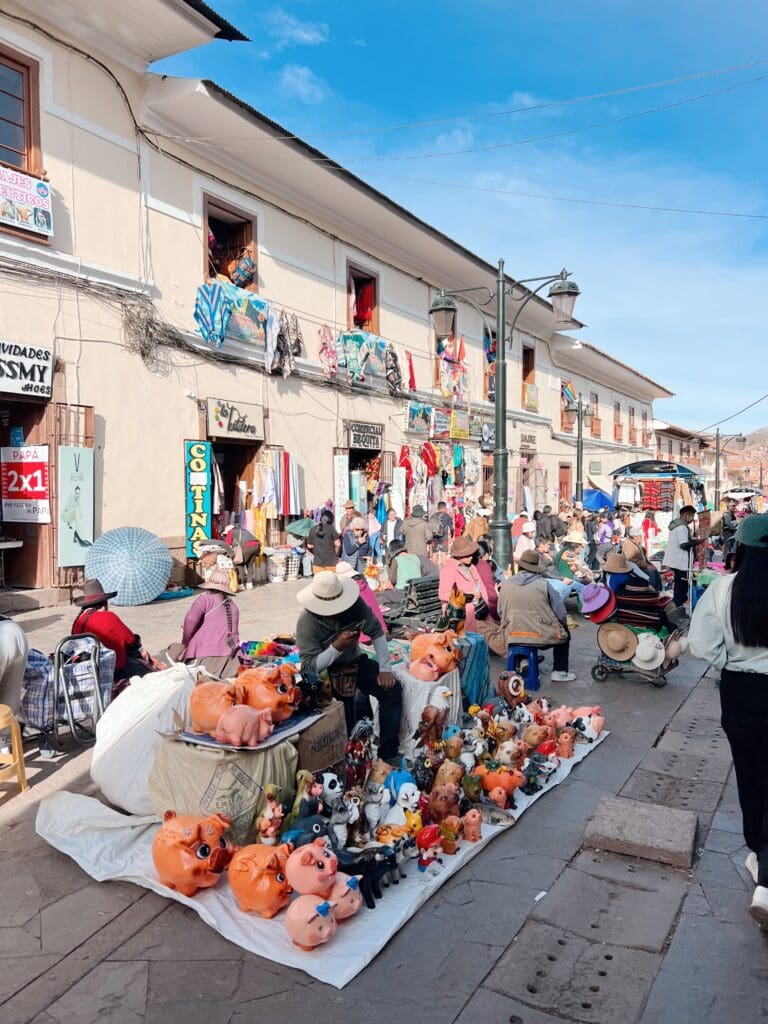
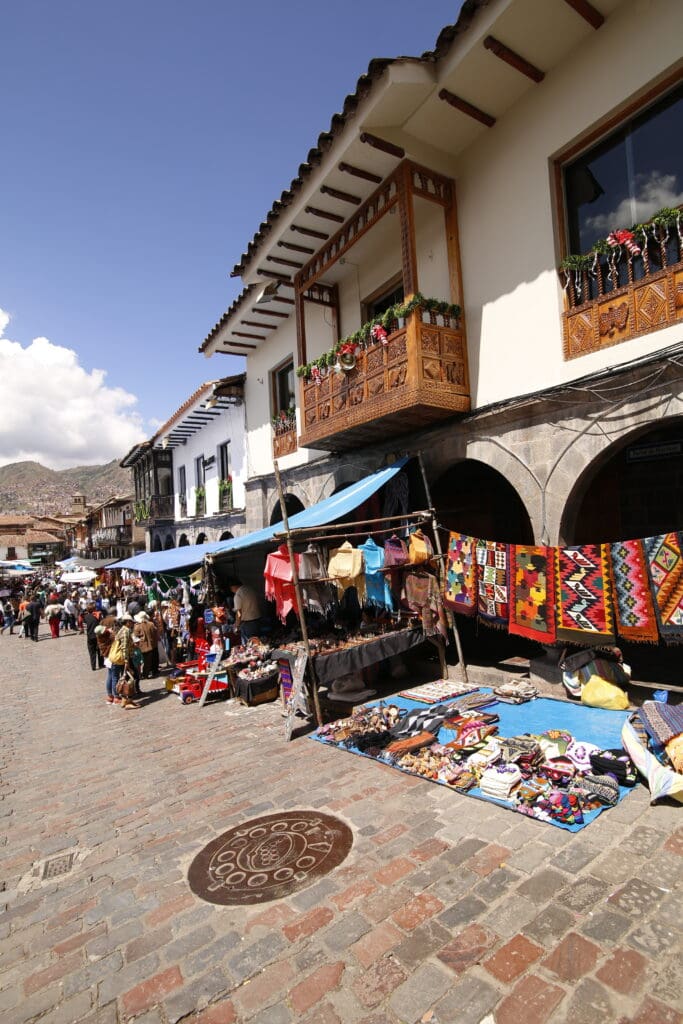
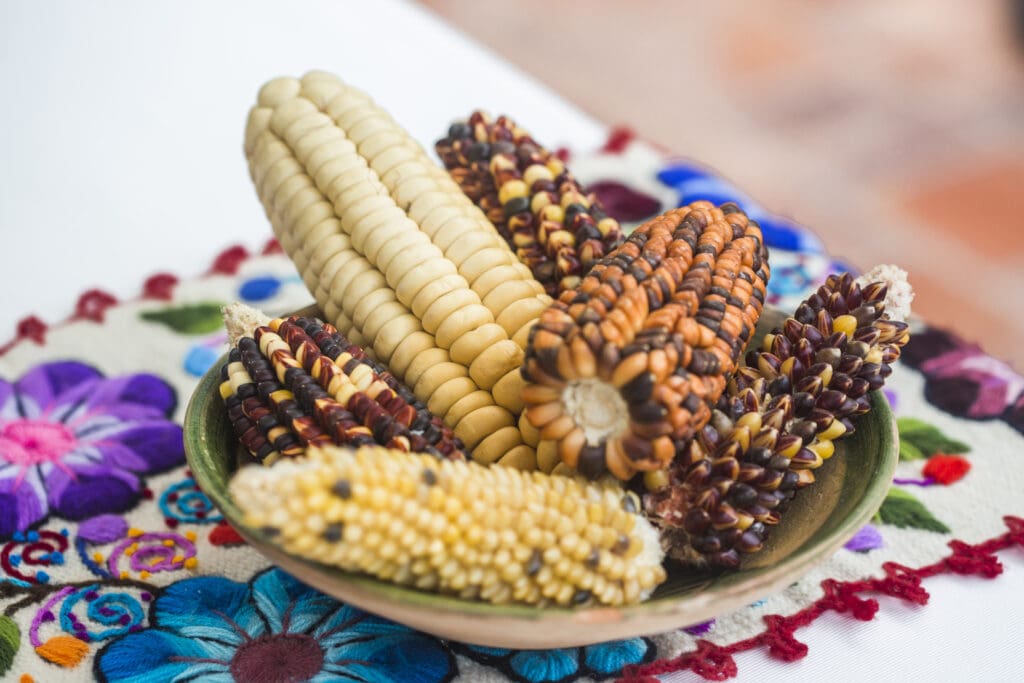
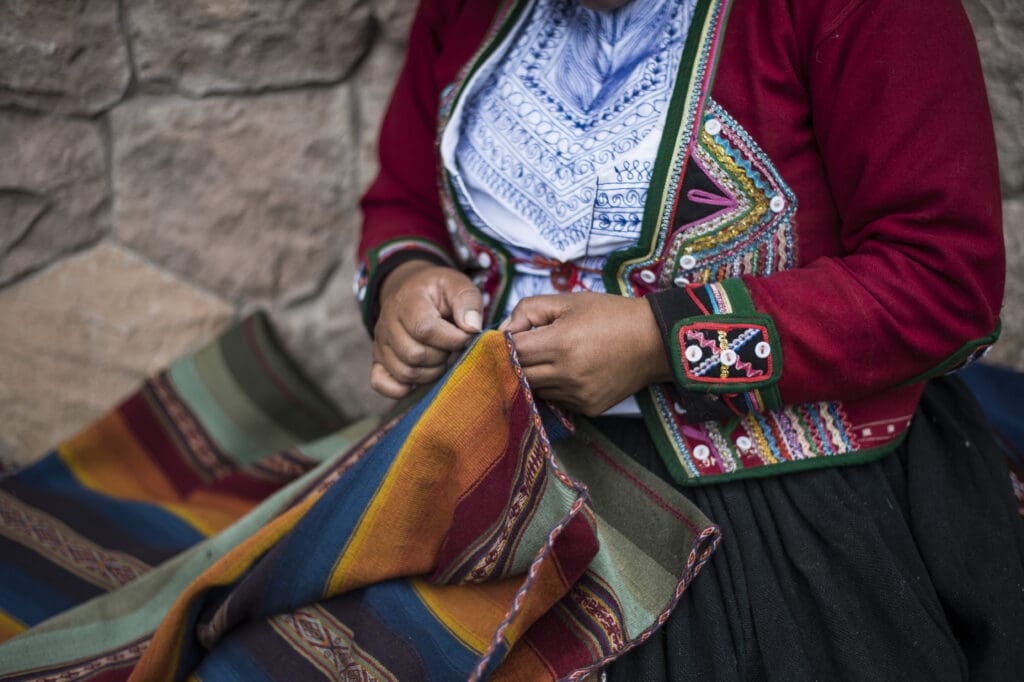
Cusco’s San Pedro Market is a sensory feast—an organized chaos of colour and sound. Weaving between stalls piled high with handwoven textiles, bright pottery and bowls of native spices, we tasted slices of local life. Vendors called out with practised rhythm, accordion music bubbled up from a corner and the scent of roasting corn and empanadas followed us. We sipped coca tea—a mild, slightly grassy brew locals use for altitude acclimatisation—and kept our jackets handy for the market’s microclimates as we browsed. But the moment that stayed with us most happened in the Sacred Valley, during our visit to the Willoq community. We spent the day with Quechua-speaking women in traditional dress, watching them dye wool with natural pigments—cochineal producing a rich crimson, indigo a deep ocean blue—and learning to weave our own bracelets. The women’s hands moved with patient economy, and their stories poured out in quiet, steady streams. Sitting beside them, listening and learning, felt like an invitation rather than a performance: culture offered as hospitality, not exhibition.
Sweat
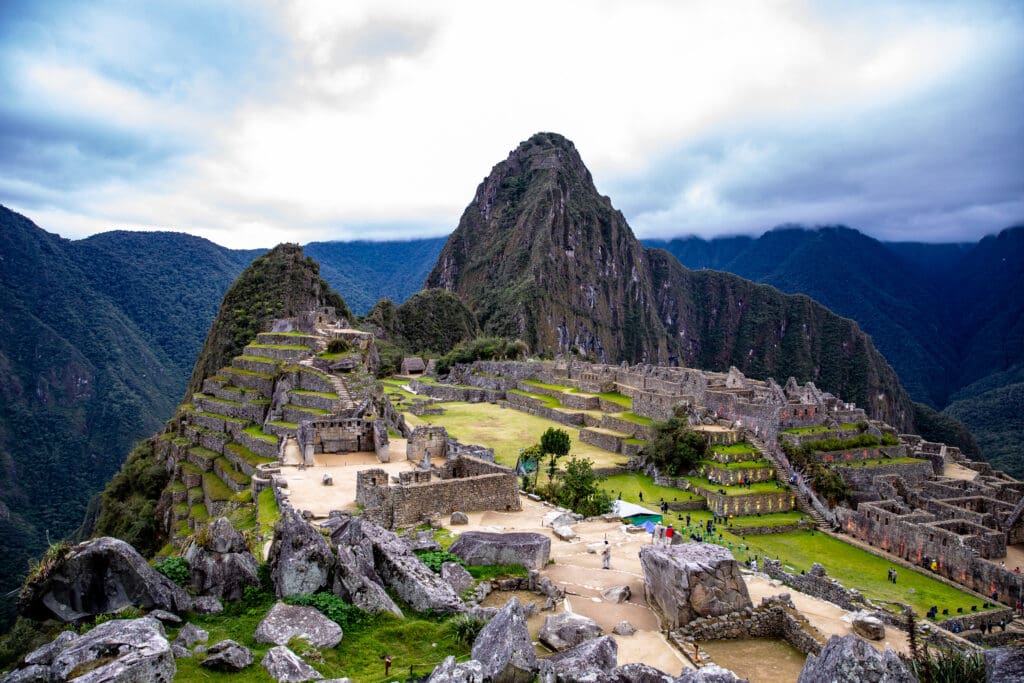
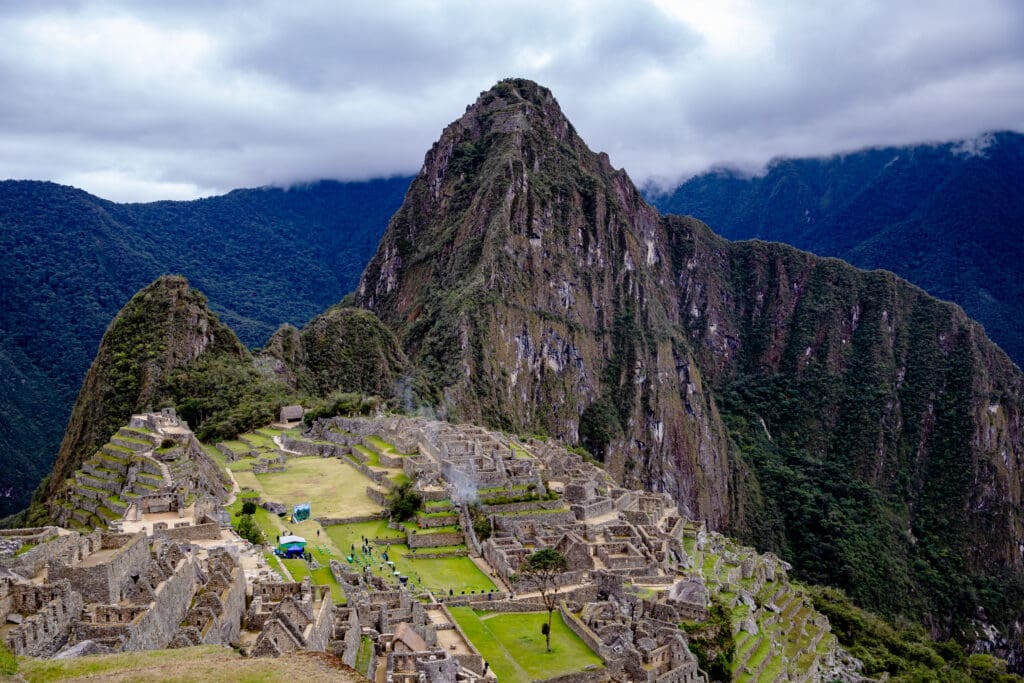
If you like your adventure with a side of adrenaline, Peru delivers. At Piuray Lagoon we paddle-boarded across glassy water beneath a wide Andean sky, the reflections of distant peaks like watercolour strokes on a still pool. The real thrill, though, was on the Urubamba River. Strapped into life jackets and helmets, we tackled Class II and III rapids—laughing, sometimes screaming—as the current threw us through waves and whitewater. The river runs parallel to the train line, so between splashes we had cinematic views of terraced fields and mountain faces—a reminder that even adrenaline can be scenic. Then came the Inca Trail—deep, breathless exhale. With day packs cinched tight and encouragement from our guides, we climbed steep stone stairs and pushed through altitude and fatigue. Local porters—sinewy and smiling—moved past us with impossible speed, carrying loads that seemed to mock our slow, careful steps. Humbling is the only word that fits. When Intipunku (the Sun Gate) finally opened and Machu Picchu revealed itself in the distance, it felt like the landscape had been holding its breath just for that reveal. The hike, a bucket-list inevitability, delivers not just scenery but a dramatic, earned arrival.
Summing Up
Peru is a land of contrasts: modern cities and ancient temples, high-altitude treks and riverside feasts, Andean mythologies and surprising contemporary touches. Yet what lingered longest was not a single vista but the human connections—small conversations with guide Ale about local customs, the laughter shared with women at Willoq, the warm hospitality at family-run eateries. When travel is done with intention—respecting place, supporting people and returning a little changed—it becomes more than a checklist; it becomes a story you carry home. Peru gave me both the reset of a postcard-perfect escape and the slow, substantive change that seeds a different kind of curiosity. If you go, bring an open heart, sturdy shoes and a reusable bottle. The rest will present itself, in the best possible ways.
share:

March 10th, 2026 at 1:29 am
Während eines regnerischen Wochenendes in Deutschland suchte ich im Internet nach etwas Unterhaltung. Nach einigen enttäuschenden Seiten fand ich schließlich ninlay. Die Oberfläche ist übersichtlich und alles lädt ohne lange Wartezeiten. Für Spieler aus Deutschland passt die Struktur der Seite gut, deshalb bleibe ich dort aktiv.