
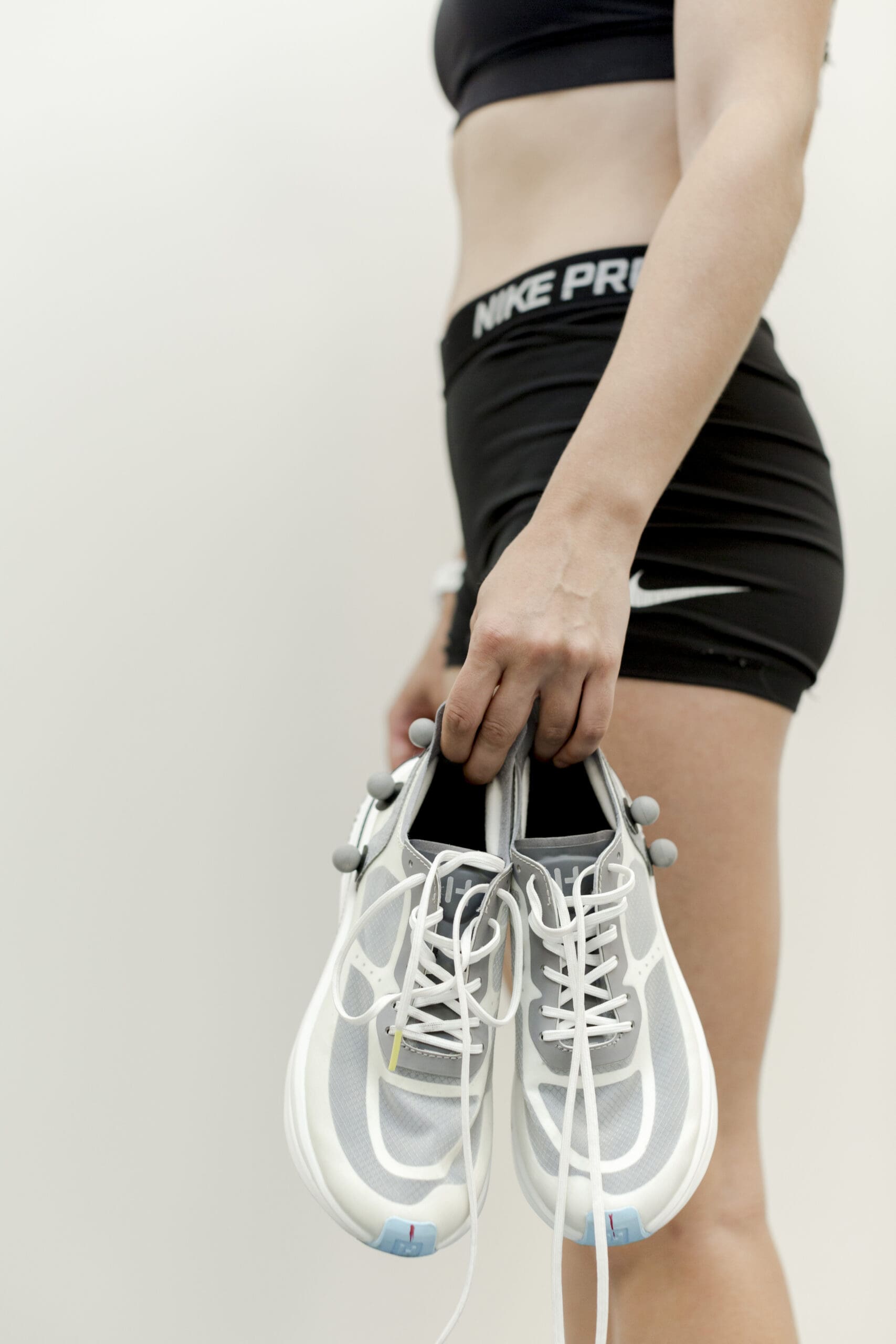
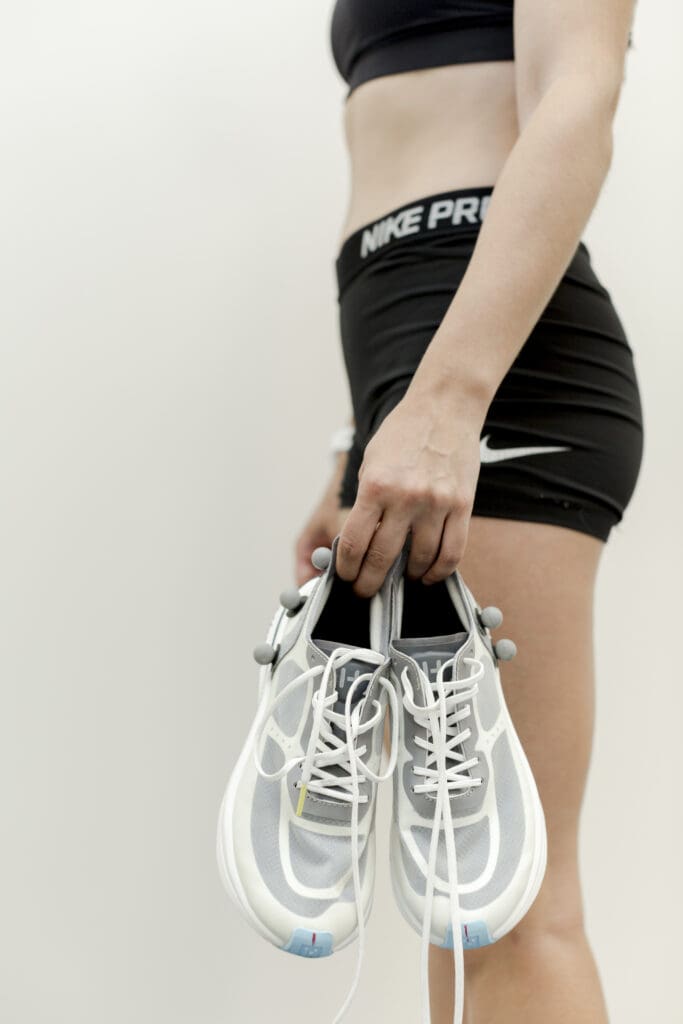
A new Simon Fraser University study confirms what many women runners have long suspected: most running shoes are designed for men, then simply shrunk and recoloured for women. The result is poor fit, uncomfortable compromises and—potentially—more injuries. We spoke with Christopher Napier, assistant professor of biomedical physiology and kinesiology and director of the SFU Run Lab, to unpack the findings and what comes next.
“This problem isn’t the individual runner—it’s the shoe,” Napier says bluntly. “The most telling part of our research for me was that many of the women taking part in the study thought that they were alone in their struggles to find a running shoe that met their needs. When participants started talking to each other, they realised just how common their issues are and how difficult it is to find a running shoe that fits them properly.”
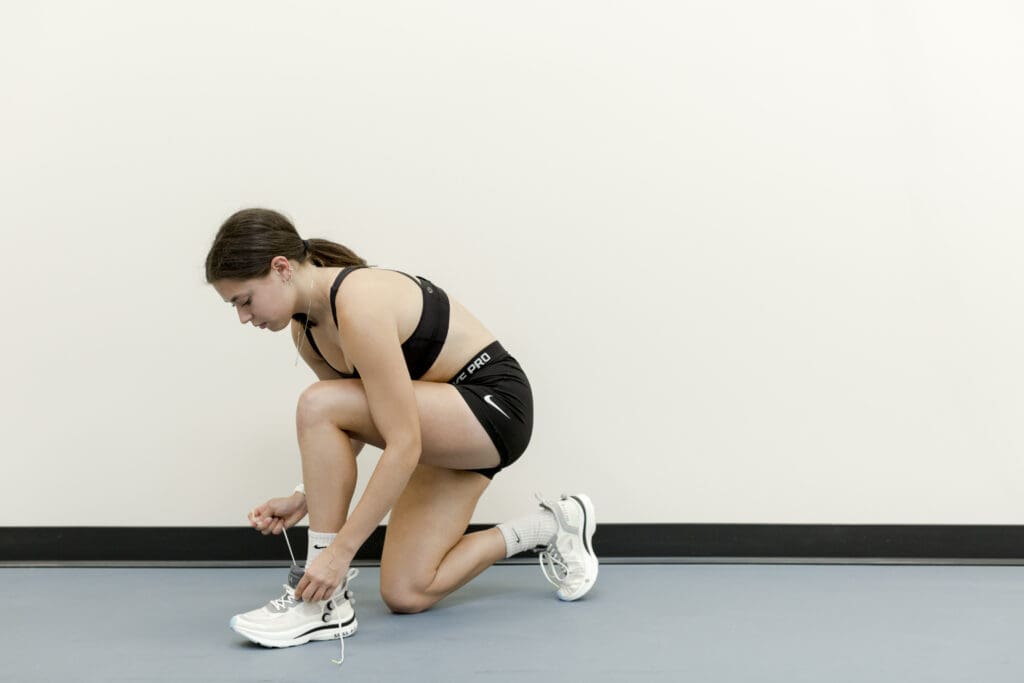
What the study looked at
The qualitative study invited 21 female runners—ages 20 to 70, with 6–58 years of running experience—to two focus groups (recreational and competitive runners). Researchers asked what women want in a shoe, what doesn’t work and how their needs change across life stages such as pregnancy and ageing. The results, published in BMJ Open Sport & Exercise Medicine, showed consistent themes: women prioritise comfort, fit and injury prevention; many want wider toe boxes, narrower heels and appropriate cushioning; and needs shift across the lifespan.
“To classify women as a single entity didn’t make sense,” Napier explains. “Their preferences and needs evolve based on many factors.” He adds that some competitive runners still want performance elements like carbon plates but won’t sacrifice comfort for tech that wasn’t tested on female biomechanics.
Why “shrink it and pink it” fails
Allison Ezzat, senior author and implementation scientist at the B.C. Injury Research and Prevention Unit, calls the industry’s default approach—design once for men, then scale down—outdated. “Across so many areas of sport, the research has all been done on men and boys. The ‘shrink it and pink it’ approach is the way it’s always been done,” she says. That mindset overlooks anatomical differences: Napier notes women often have a wider forefoot, narrower heel and higher instep, which change how the foot loads and pushes off.
Simple fixes become risky workarounds
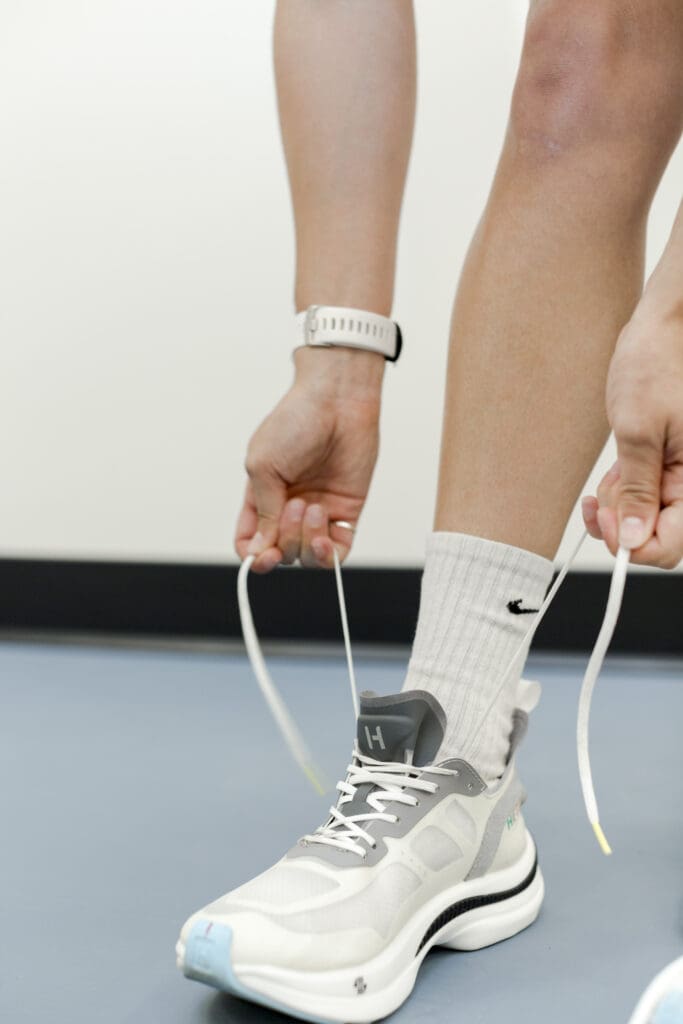
Many runners resort to sizing up or creative lacing to solve fit problems. But Napier warns these hacks have trade-offs. “When women size up to get width, they often end up with excess length and a heel cup that is too wide, which can cause heel slip. Tight lacing can secure the heel but may compress the midfoot,” he says. Over time, these compensations can alter gait and loading patterns—and possibly increase injury risk.
What brands should do now
Napier urges immediate changes that don’t require decades of R&D: adopt women-specific lasts, offer wider toe boxes with secure heel designs, and expand width options. “In the longer term, we need materials and plate designs calibrated to women’s biomechanics—that requires investment in research and testing,” he says. Vancouver-based Hettas, which conceived the study to inform a female shoe design, is already pursuing that path.
Research next steps—and what runners can do now
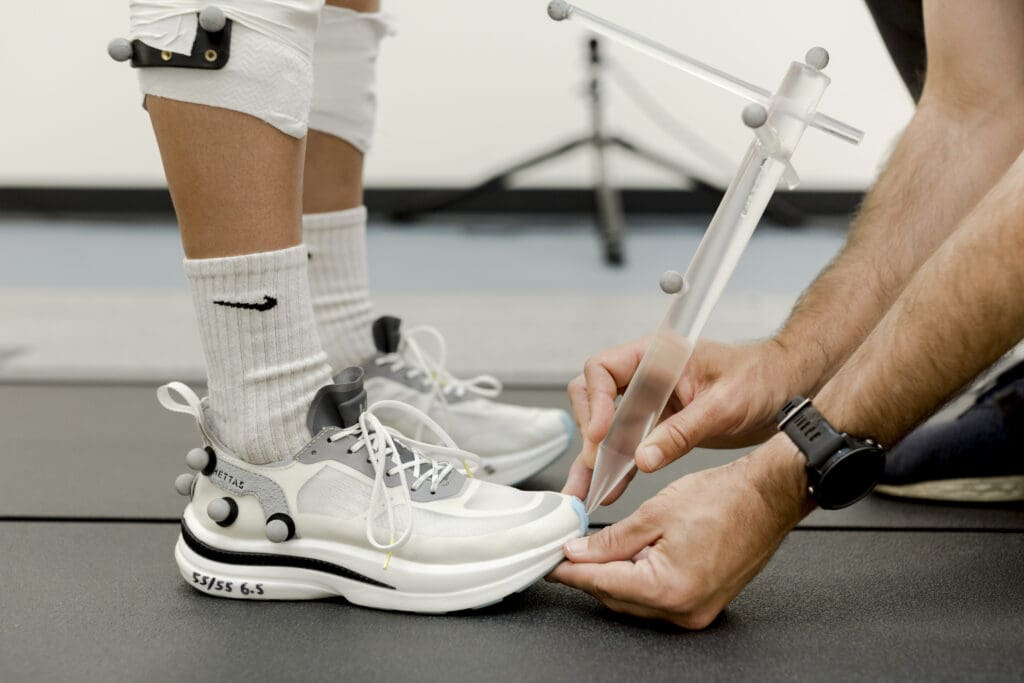
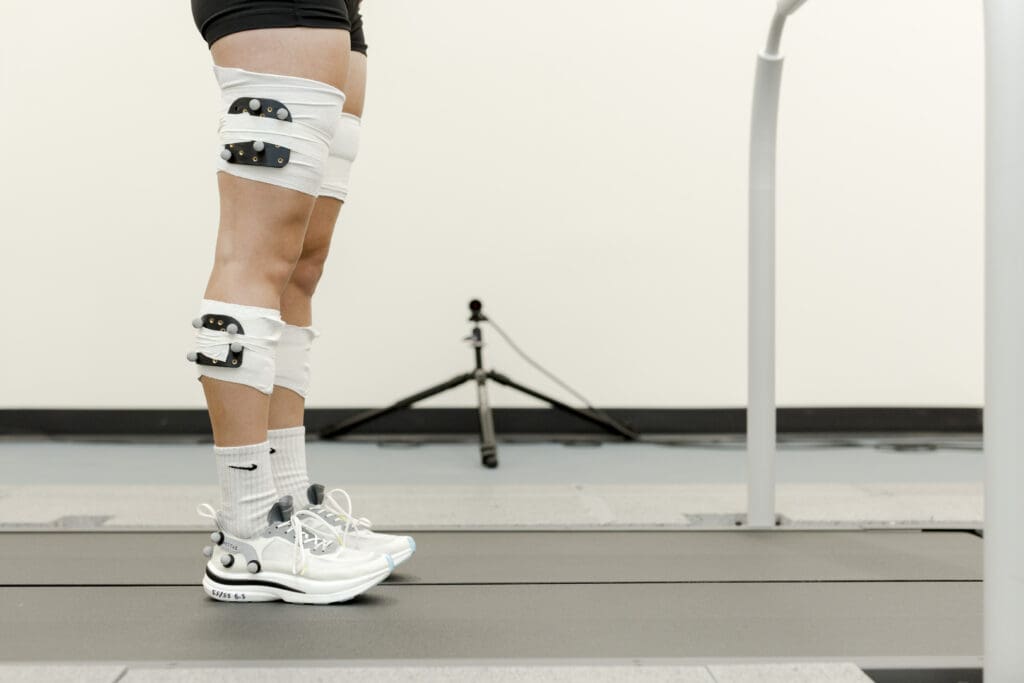
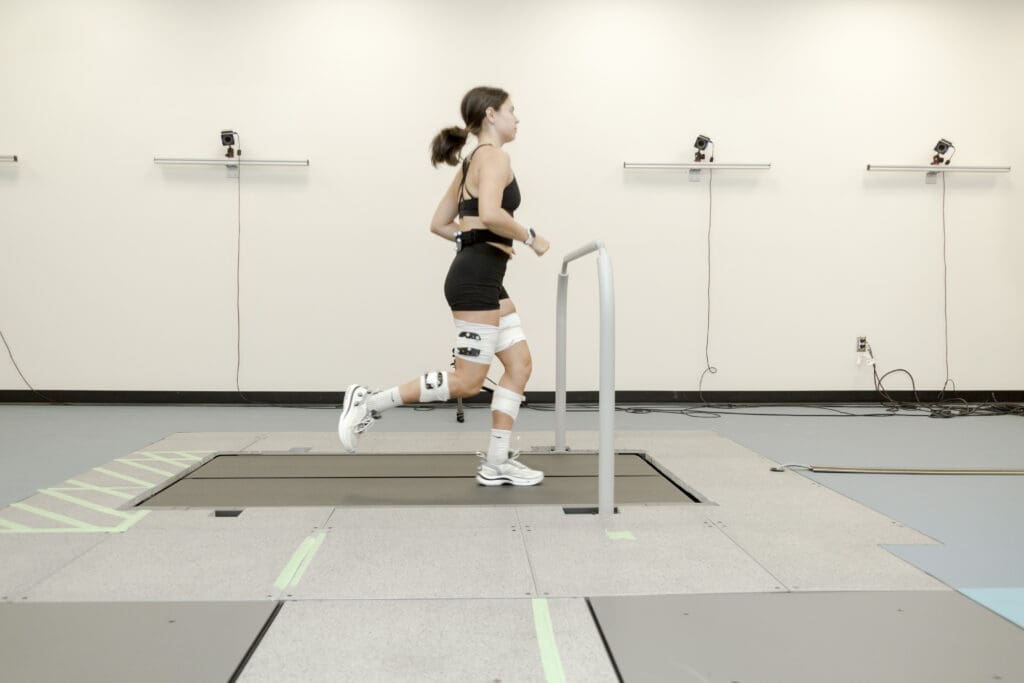
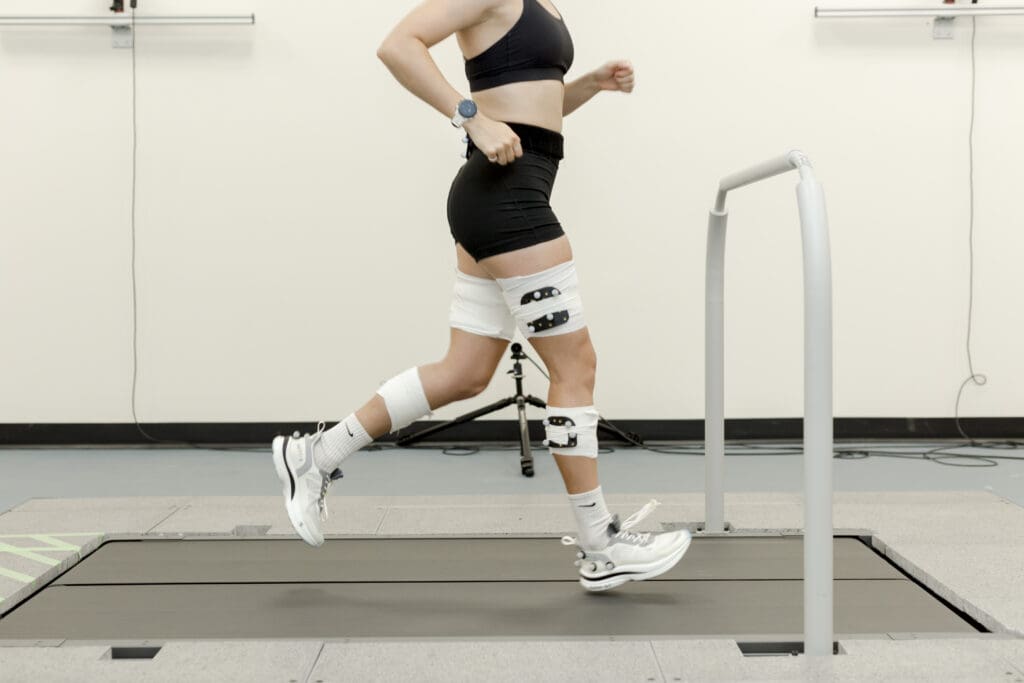
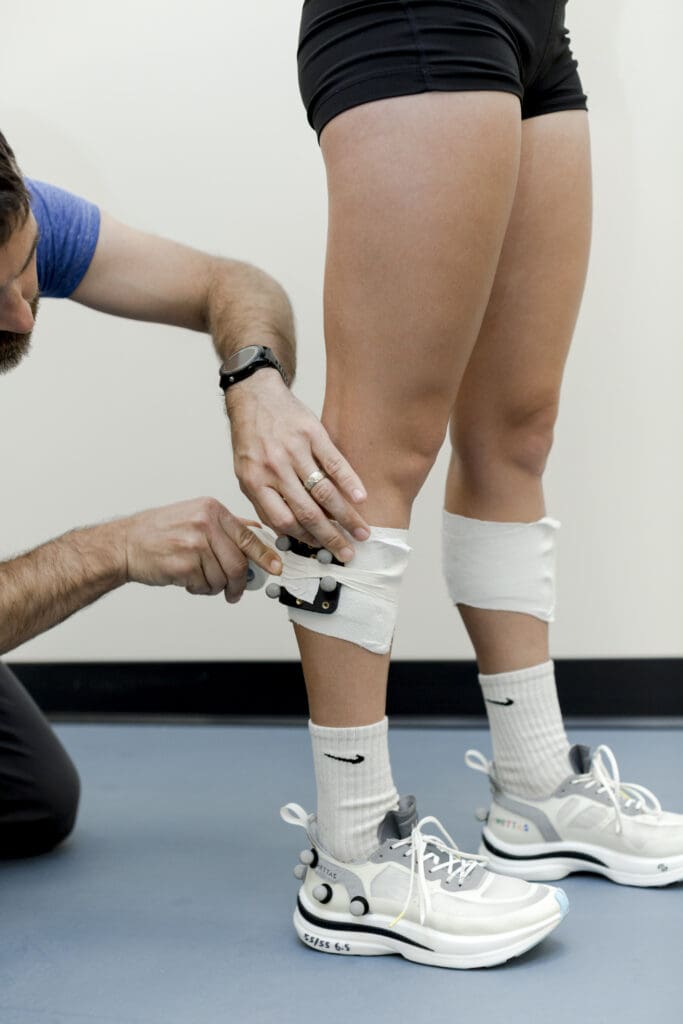
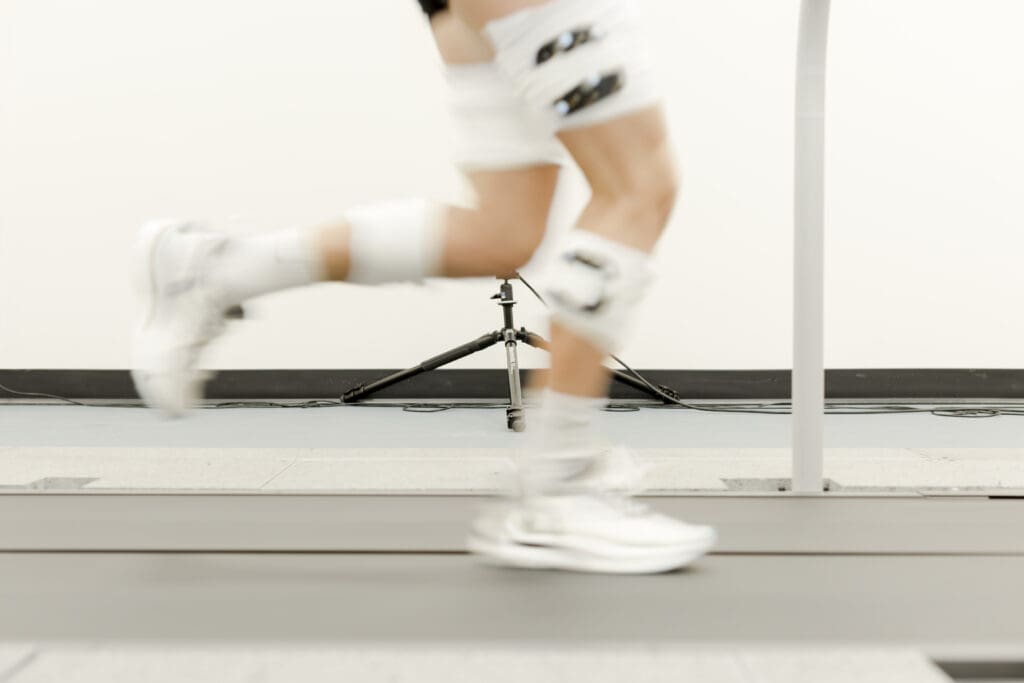
The SFU team plans quantitative follow-ups using motion capture, force plates and wearable sensors to measure whether women-specific shoes improve performance or reduce injuries. Meanwhile, Napier offers practical shopping advice: “Start with comfort—there’s no other evidence-based predictor of injury-free running. Look for a shoe that hugs your heel without slipping, gives your toes space to move, and feels stable underfoot.”
A vision for the future
If footwear makers take these findings seriously, Napier imagines an industry where women aren’t an afterthought: “We’ll see footwear lines designed from the ground up for women—not as an afterthought. We’ll see biomechanical testing that includes women at every stage, and marketing that reflects performance and comfort rather than colour and style. Ideally, we’ll see women represented in the design labs, not just in the ads. That’s when we’ll know the industry has evolved.”
Bottom line: better-fitting shoes aren’t a luxury—they’re a performance and equity issue. As Napier puts it, “When an entire demographic has to ‘make do’ with footwear that doesn’t fit their anatomy or performance needs, that’s systemic design bias—and it’s time for a change.”
Photos courtesy of Hettas
share:

October 16th, 2025 at 11:18 pm
Artikel ini menambah wawasan banget. Saya pribadi sudah lama bergabung di EZ338 https://ez.micropasts.org/ situs game online populer, dan puas dengan pelayanan support-nya.
October 30th, 2025 at 7:59 am
I can’t stand running. I once tried to run on a regular basis, and I even prepared for a marathon, but I never finished the training, because it’s just too much for me. Not a single drop of enjoyment.
October 30th, 2025 at 9:20 am
I think you did the right thing when you stopped running. I try to live in a way that I get pleasure and something enjoyable from everything, otherwise what’s even the point? Same with sport. Right now I want to try training through https://madmuscles.com/ , where I can get a workout plan made just for me. The reviews are good, and I like that I don’t have to come up with anything myself.
November 1st, 2025 at 12:14 am
취향 가득 담은 공간, 69티비
한 곳에서 다양한 재미를 찾을 수 있다면 얼마나 좋을까요.
69티비는 무료웹툰부터 명품레플리카, 해외골프여행까지
여자라면 누구나 좋아할 콘텐츠로 가득해요.
감성 있는 구성이 하루를 더 특별하게 만들어줘요.
https://69intv.com