
One day it’s hyaluronic acid, the next it’s ceramides or—God help us—beef tallow. The new skincare ingredient on the block? Exosomes. But what are they, and are they all they’re cracked up to be?
For starters, they aren’t really an ingredient in the way that something like retinoids would be, where it’s a specific type of chemical (albeit one that can be formulated in a number of different ways) and has a defined action on skin. “Exosomes are vesicles, so little packets that exist in our bodies, and they’re part of internal signalling,” explains dermatologist Dr. Shannon Humphrey. “There are exosomes in so many different tissues in our body and the messages are different depending on what our body needs in those particular areas and what are the functions of the body in those areas.”
Dermatologists and beauty industry insiders are starting to use exosomes that can “tell” the body’s cells to heal and regenerate, for example, by starting to produce more collagen. But that doesn’t mean the therapies out there are some kind of beauty potion, à la Death Becomes Her (we all know how that ends). “We are still at the early stage of understanding and harnessing the potential of exosomes in human medicine and aesthetic medicine,” Dr. Humphrey explains.
Exosomes, which can be derived either from plants, human stem cells or the cells of other animals, or can be synthetically bio-engineered, were first identified in the 1980s, but their therapeutic possibilities only became apparent in the 2000s. They were first used for aesthetic medicine from the 2010s onwards, says Dermalogica’s director of education Nadia Paglia. They’re often used to amplify the effects of procedures like microneedling and lasers, which are designed to create targeted damage to skin that then promotes healing.
“Microneedling alone typically involves one to three days of redness and sensitivity—a mild sunburn-like feel,” Paglia says. “When combined with exosomes you get faster recovery by enhancing cell repair, less inflammation and quicker resolution of redness, and improved results due to better penetration and skin regeneration.” The exosomes that Dermalogica uses in its microneedling with exo booster and dermaplaning with exo booster treatments are derived from a good bacteria called lactobacillus.
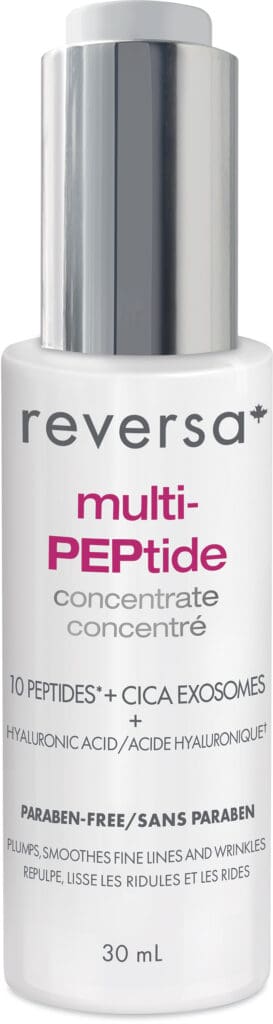
Some brands are also integrating exosomes into products you can try at home rather than in clinics. Reversa’s Multi-PEPtide Concentrate contains exosomes derived from centella asiatica (cica) plant. In combination with hyaluronic acid and 10 different peptides, the brand claims it can help regenerate the skin barrier, firm and tighten skin, hydrat, and promote skin healing.
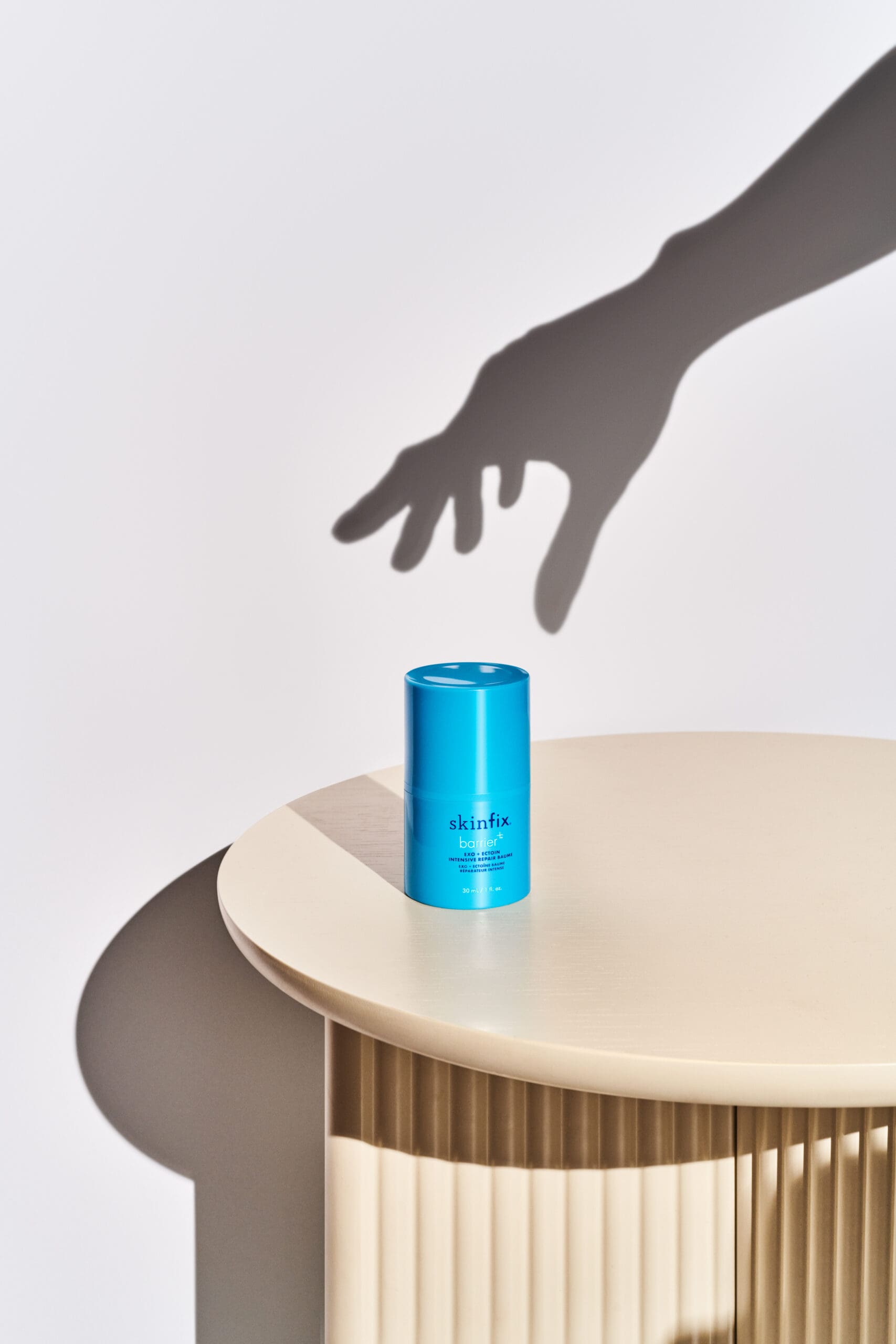
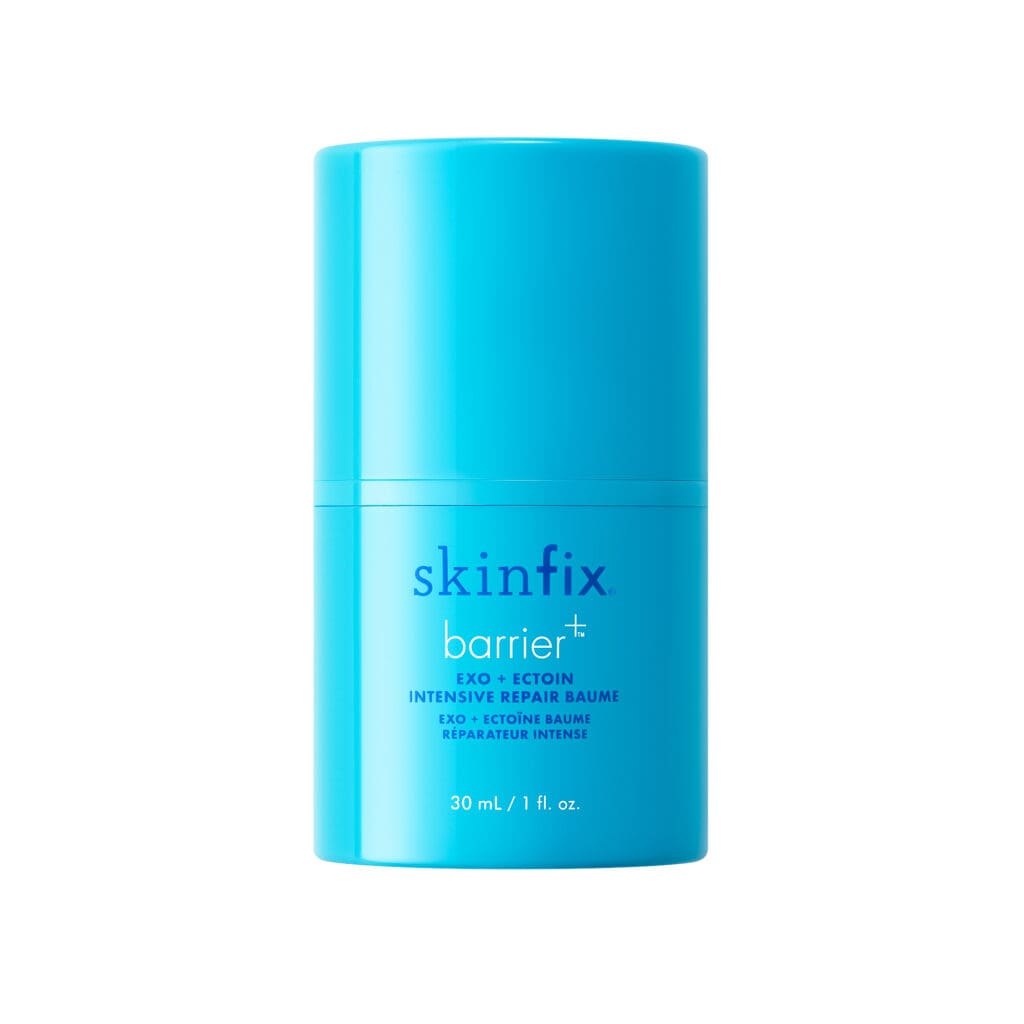
Skinfix, which specializes in sensitive skin products, uses exosomes from bitter melon as well as peptides and soothing ingredients such as ectoin, allantoin and arnica in its vegan Exo Baume intensive treatment. “The intent with this product was to develop something gentle enough for post-procedure skin that could help the recovery process—similar to how exosome treatments are used in derm offices,” says Amy Gordinier, the brand’s founder and CEO. She adds that the treatment to be a great option for people whose skin can’t tolerate retinol. “The formula uses plant-derived exosomes and vegan growth factor peptides, both of which help promote firmer, smoother skin by encouraging repair,” she explains. “So we learned that, just by supporting the skin in that way, Exo Baume could really be a retinoid alternative, helping visibly improve fine lines and overall skin texture without the irritation commonly associated with retinoids.”
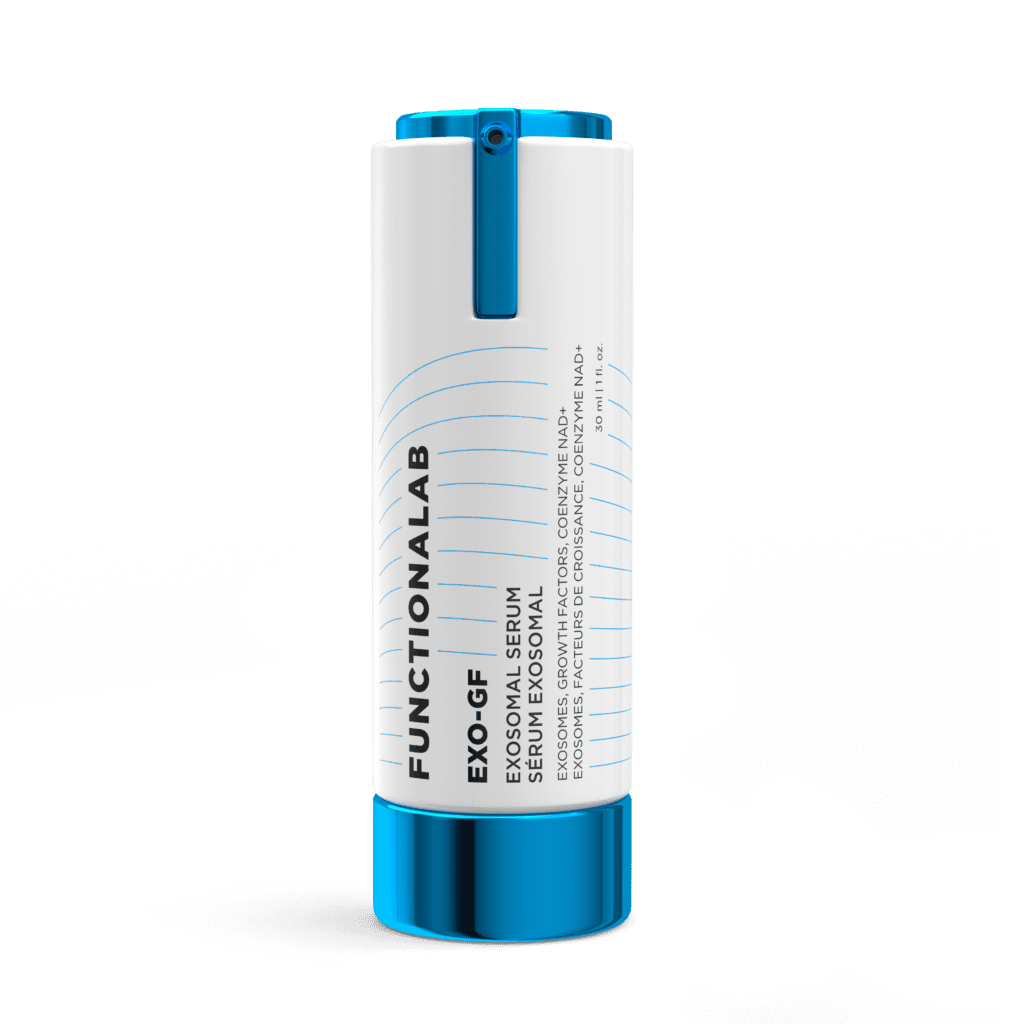
Another Canadian brand delving into the exo-sphere is Functionalab, which has created both an in-clinic treatment, Exo-GF Booster, and one for at-home use, Exo-GF Pro-rejuvenating regenerating serum. The latter combines exosomes derived from plant sources with growth factors, coenzyme NAD+ (which provides energy to cells) and other ingredients like hyaluronic acid. Nathalie Pelletier, the brand’s scientific director, is excited for multiple reasons—one of which is the serum’s universal appeal.
“You can combine it with retinol or brightening serums or acids, and it has no added fragrance, so it is great for sensitive skin,” she says. “Use it when you’re young and it protects; and, when you’re older, it replenishes.” With many years in the beauty industry, she likens the new exosome technology to ingredients like peptides or retinoids that completely transformed cosmetics when they arrived on the scene.
The most exciting frontier of exosome treatments is the possibility of using your own exosomes to create a personalized treatment. Dr. Humphrey points to Acorn Bio Labs—a Canadian company that, in addition to allowing clients to bank their stem cells for future cell-based therapies, offers a product, Secretome, for topical application. “It’s exosomes that come from your own body [and] the mixture also contains growth factors and cytokines, also generated from your own body,” she explains. “It’s a topical preparation, an autologous and regenerative preparation that can be micro-needled in or applied after another laser treatment like fractionated laser or Tixel. The fact that this is personalized and regenerative is very attractive and innovative.”
Google Trends indicates that interest in exosomes really began to pop at the end of 2024, when research papers were published about their use in dermatology and as a part of cancer treatment. If, as Dr. Humphrey says, it’s still early days, this kind of technology could transform many aspects of medicine. Call us exo-cited. —Aileen Lalor
share:

October 31st, 2025 at 9:26 pm
Okay, “exo-cited,” I see what you did there, haha! I’m always wary of the next big thing in skincare, but the idea of using *my own* exosomes is kinda wild and cool. Like, personalized medicine for your face? Sign me up (when I can afford it, lol).
October 31st, 2025 at 11:49 pm
예쁜 걸 좋아하는 당신에게, 69티비 추천
예쁜 걸 보면 기분이 좋아지잖아요.
69티비는 디자인부터 콘텐츠까지 감각적이에요.
무료웹툰, 명품레플리카, 해외골프여행까지 한눈에 즐길 수 있어요.
여성 취향을 제대로 반영한 구성이 마음에 쏙 들어요.
https://69intv.com