
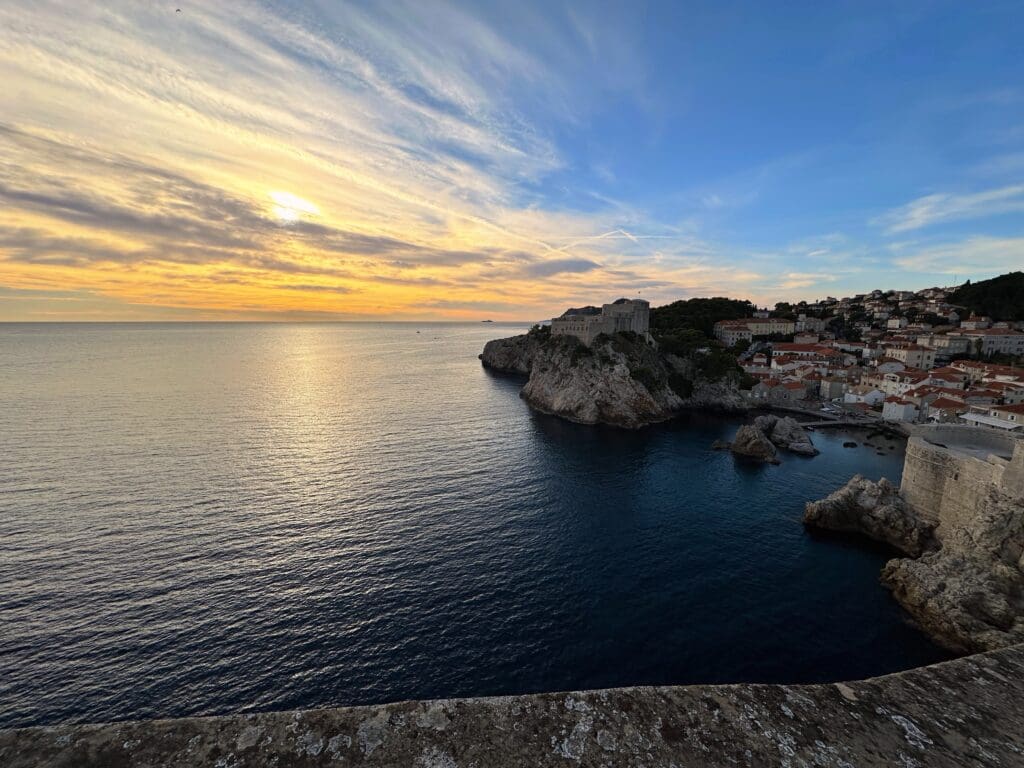
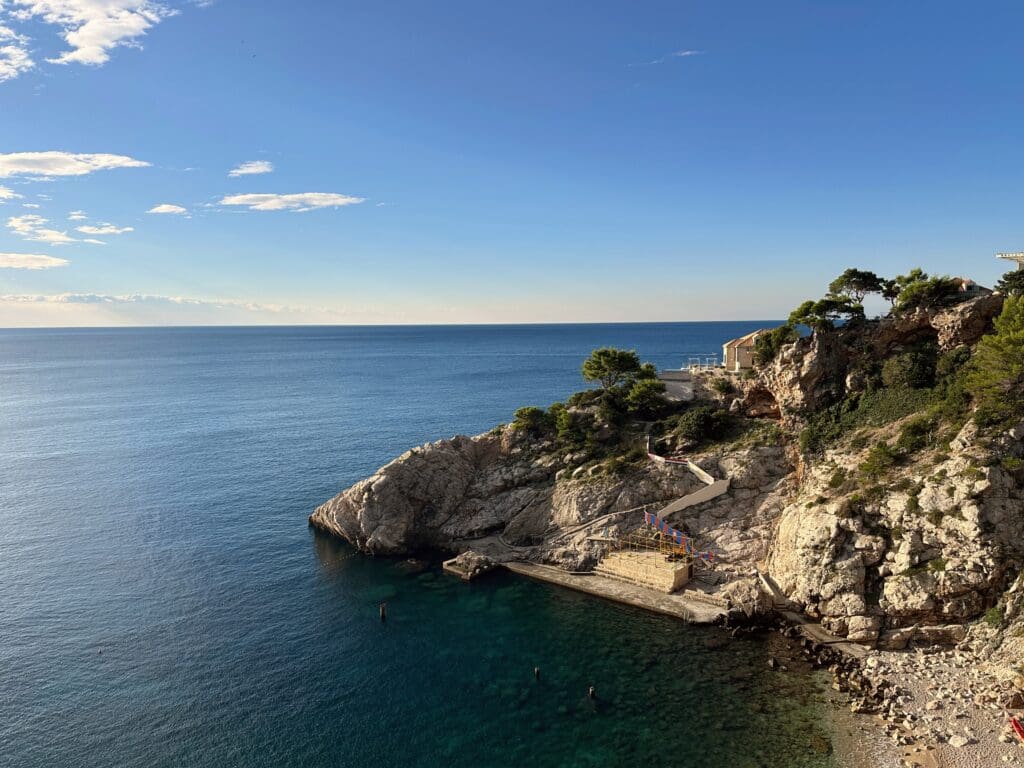
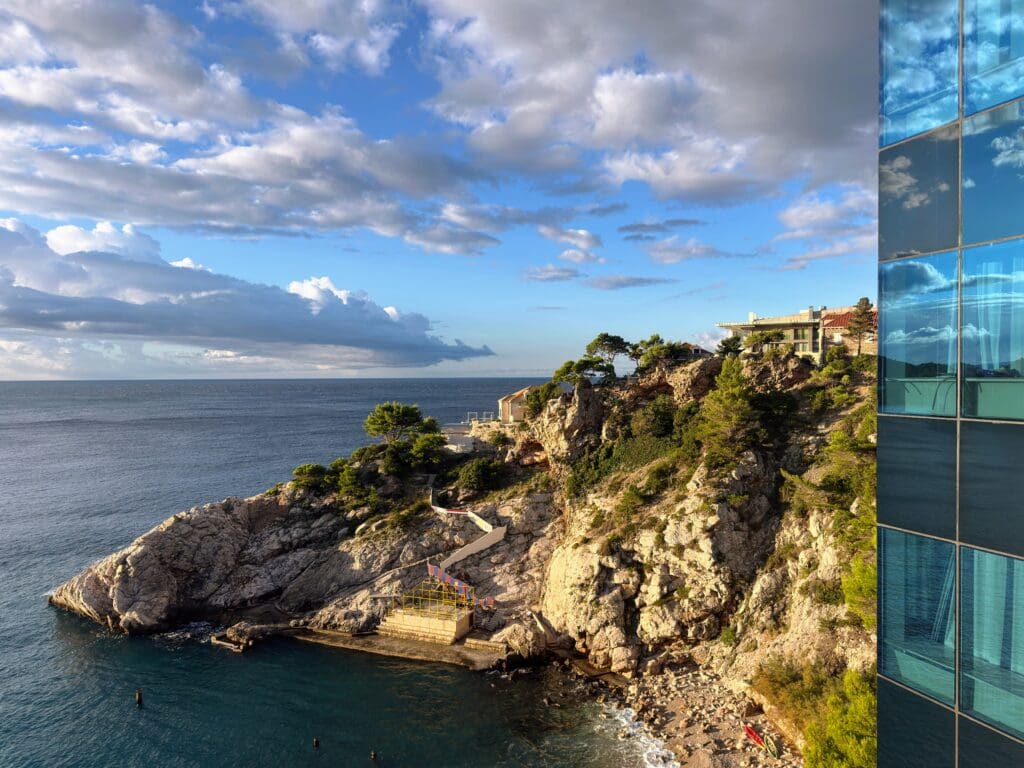
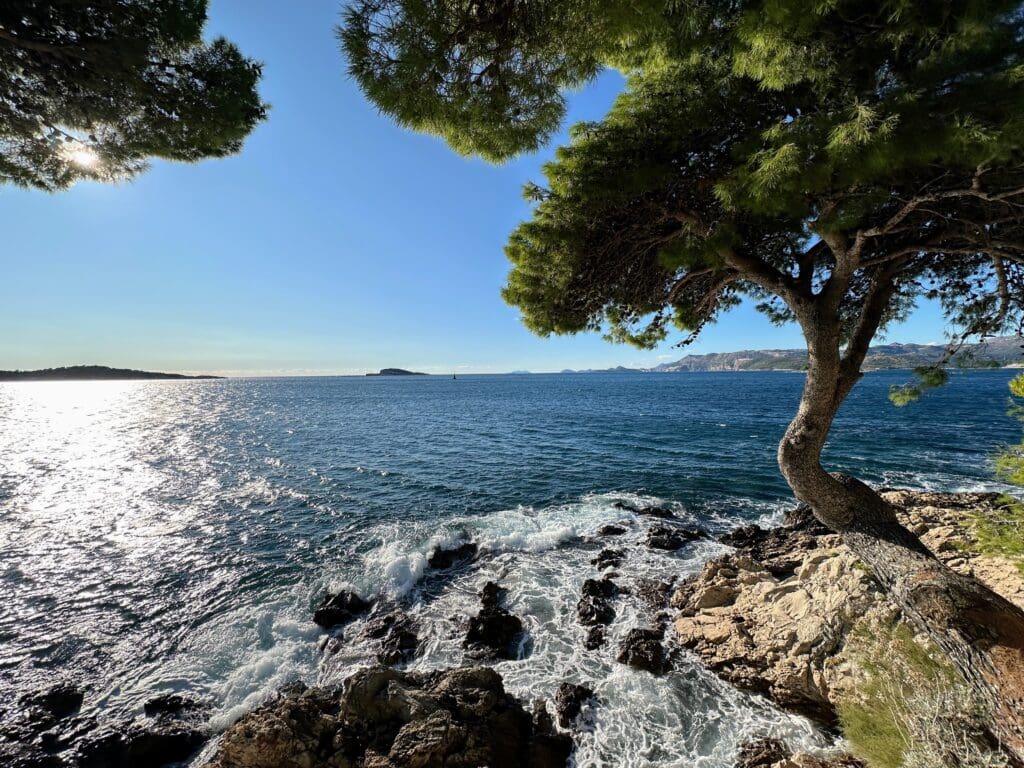
Morning at Hotel Bellevue Dubrovnik begins quietly. The first sound isn’t traffic or conversation—it’s the Adriatic, waves bouncing off the limestone cliffs below in a steady, familiar rhythm. From the glass-walled freshwater pool, the sea feels close enough to touch.
A few guests drift between loungers and the Finnish sauna, pausing to take in the view as water brushes the rocks below. It’s the same relaxed tempo found all along Croatia’s southern coast—life guided more by the sea and sun than by any schedule.
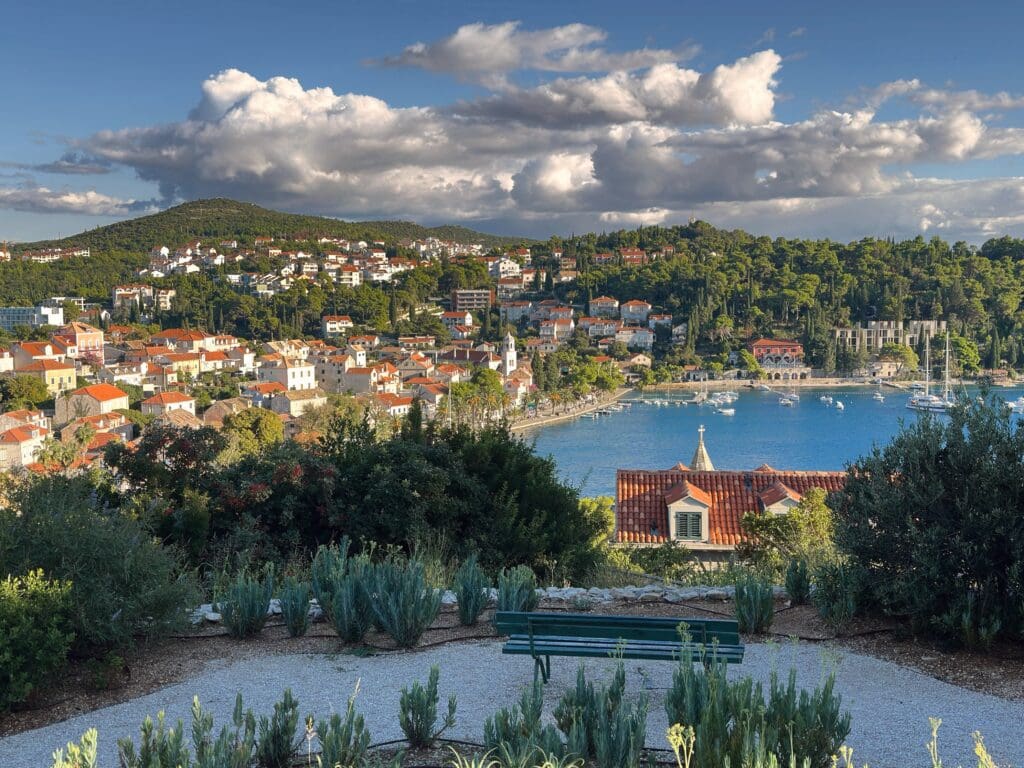
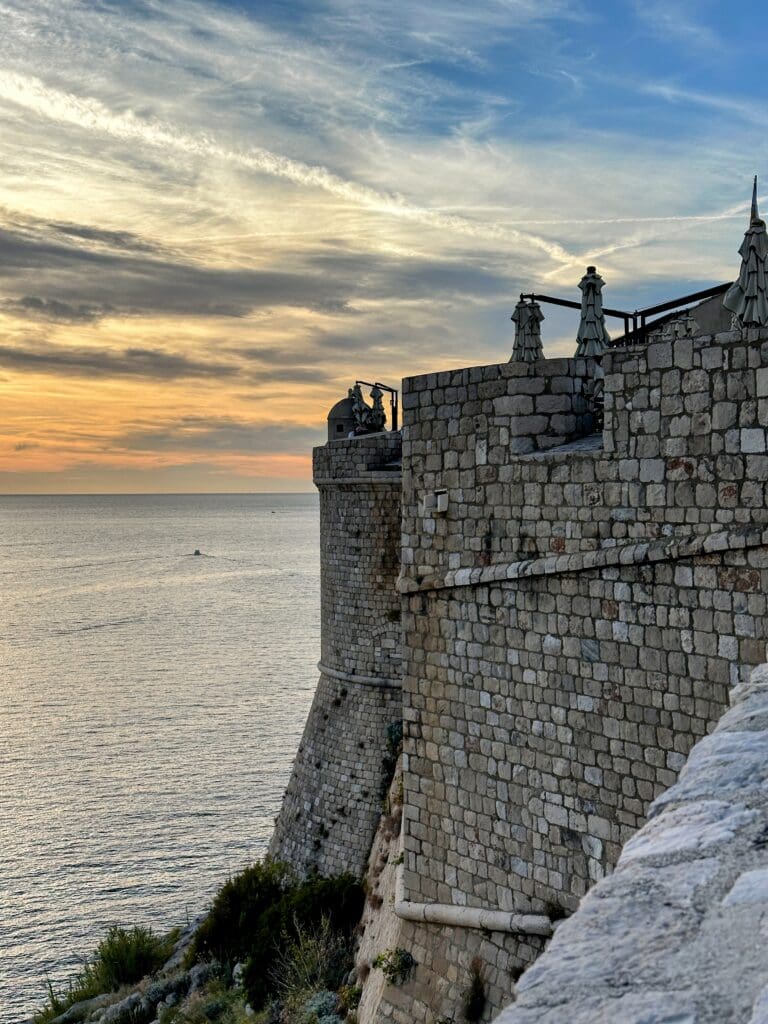
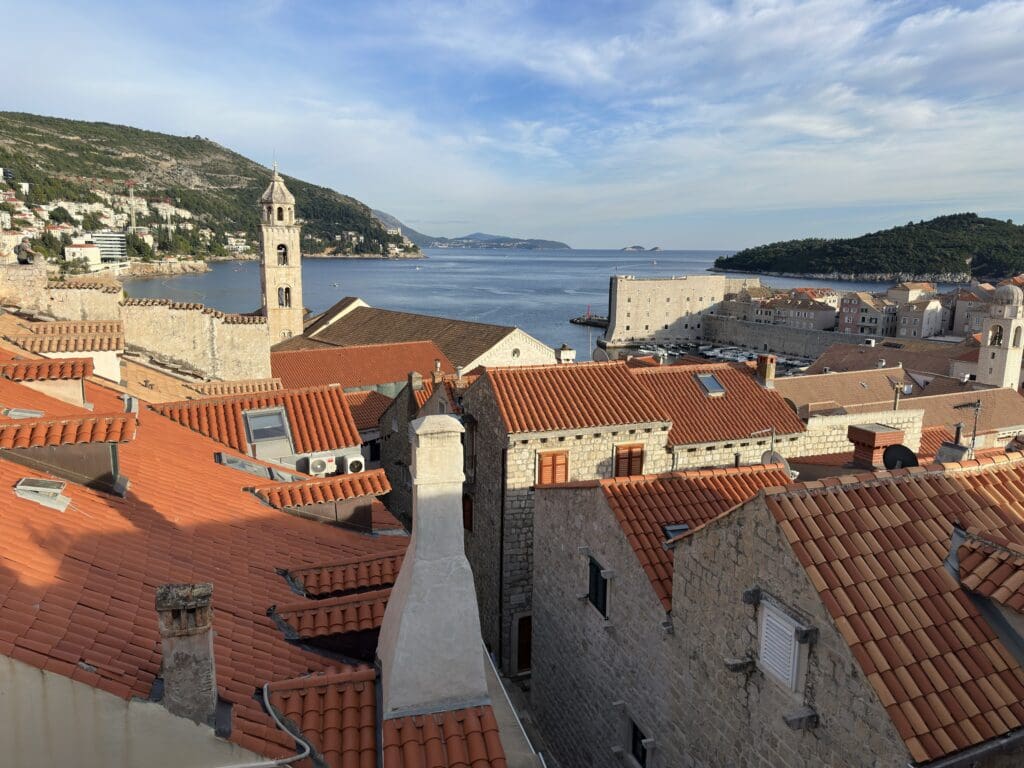
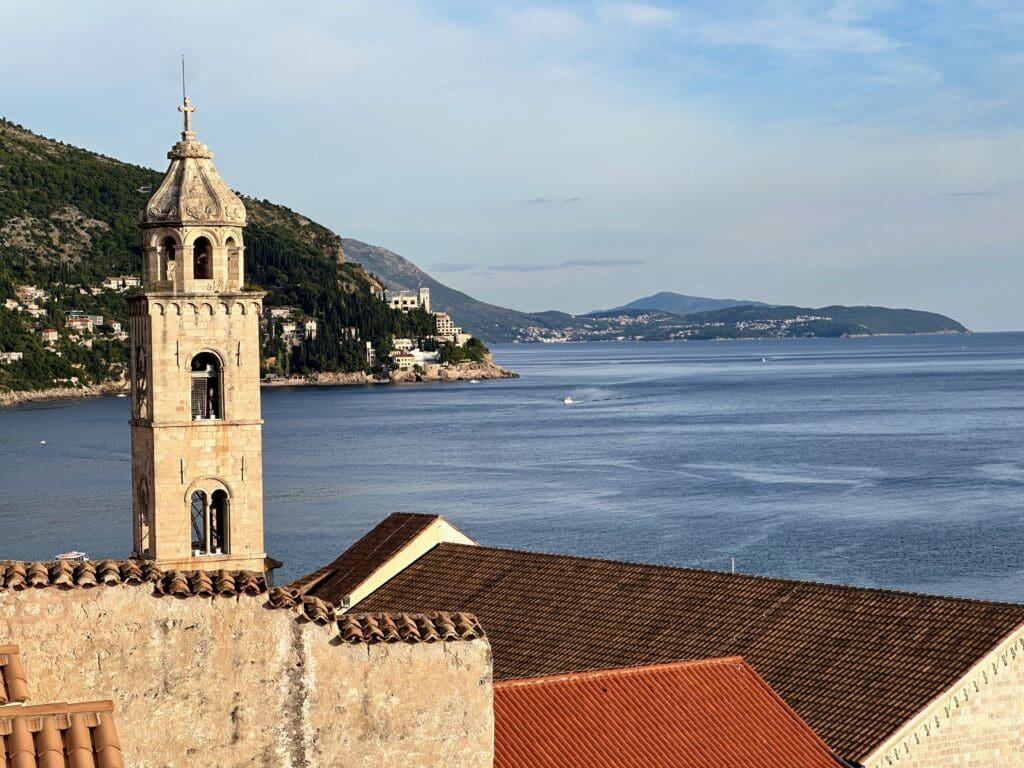
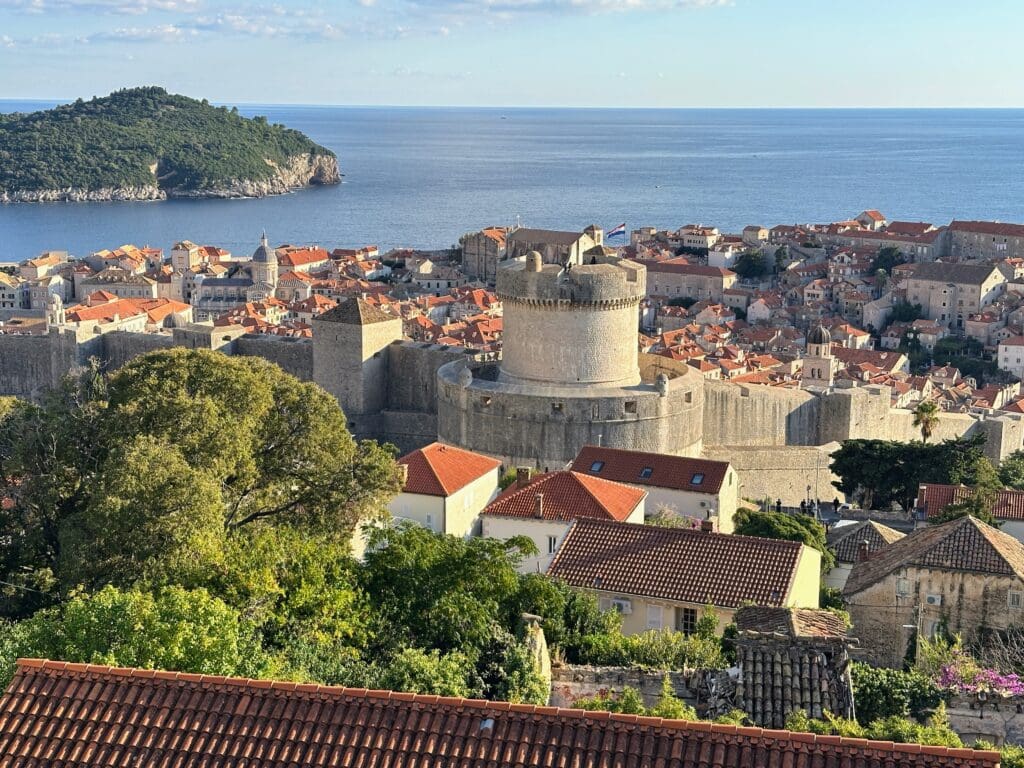
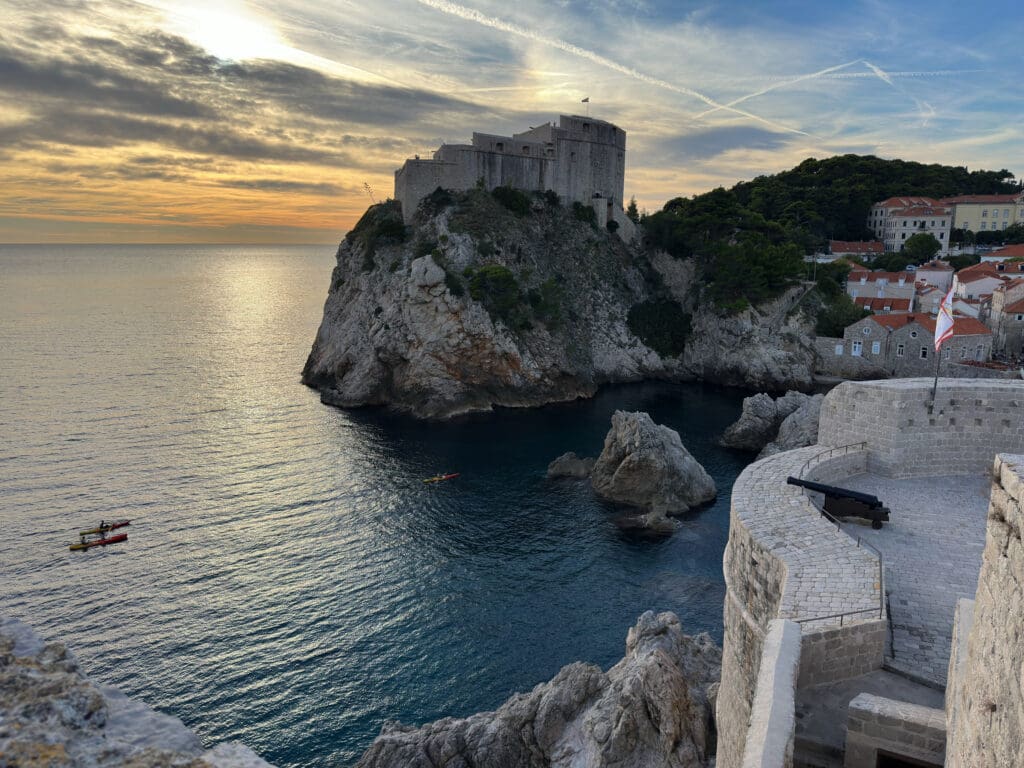
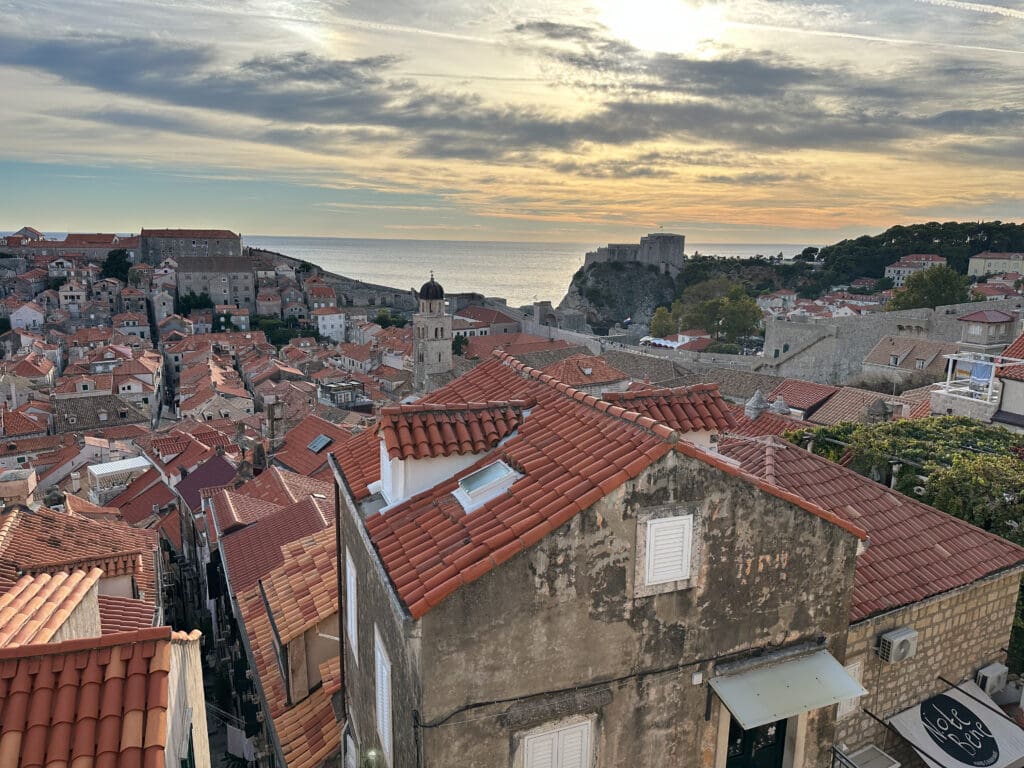
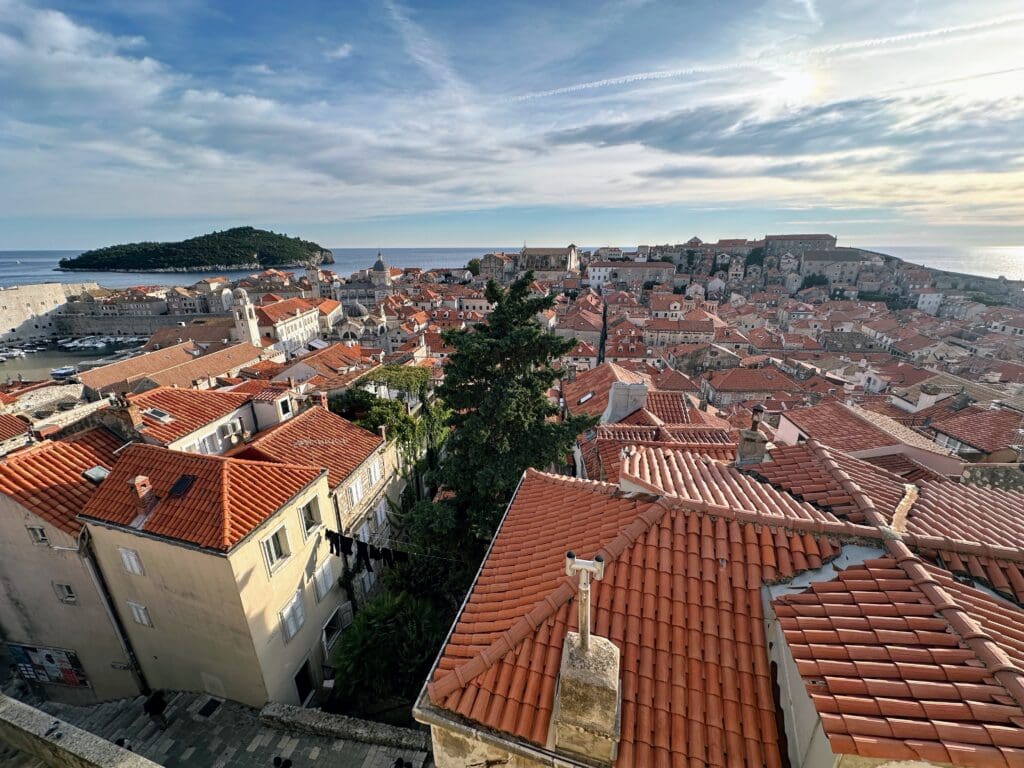
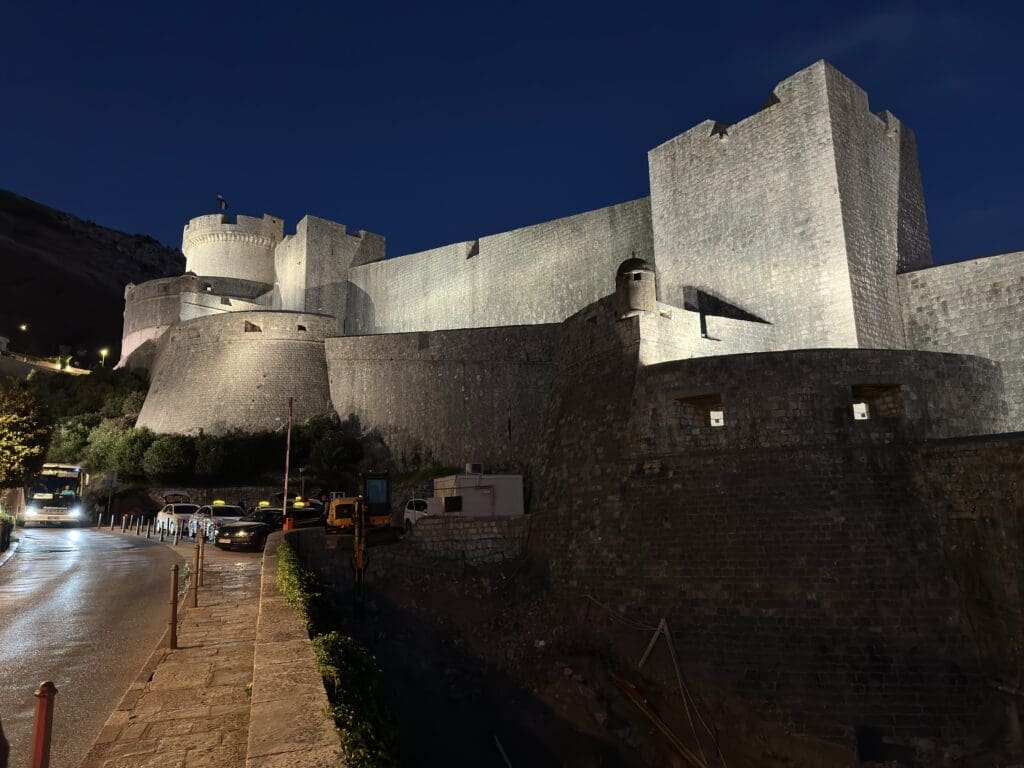
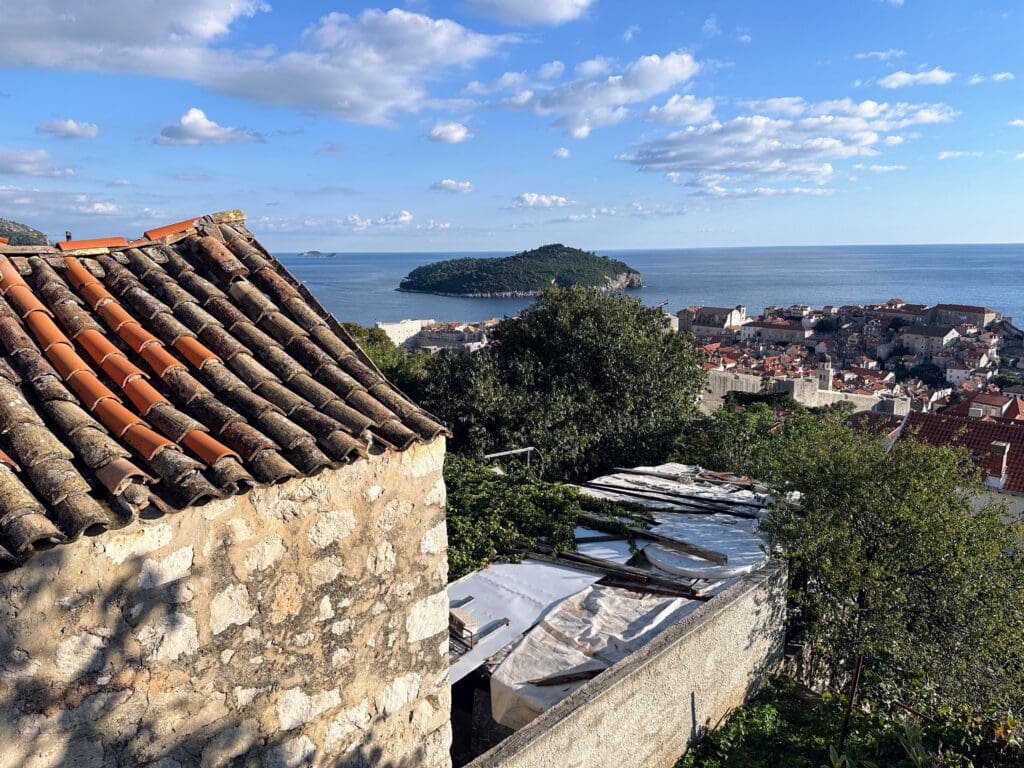
In a region better known for its medieval walls and Game of Thrones fame, wellness here isn’t packaged as a ritual or routine. It rises naturally from the landscape—salt air, fresh food, and a pace that resists hurry. The Bellevue, part of Adriatic Luxury Hotels’ collection of five properties in and around Dubrovnik, sits high above Miramare Bay, close enough to Old Town for easy wandering yet removed from the cruise-ship crowds.
A Natural Spa
The Bellevue’s approach to wellness is rooted in the terrain it overlooks. Spa treatments draw on olive oil from Konavle and sea salt from the centuries-old pans in Ston. The hydrotherapy pool faces Miramare Bay, where waves strike the rocks in a calming pulse. The design is pared back—stone, tinted glass, and filtered light—allowing the view to do most of the work. Guests drift between sauna, steam room, and cold plunge before lingering over lunch on the sunny patio.
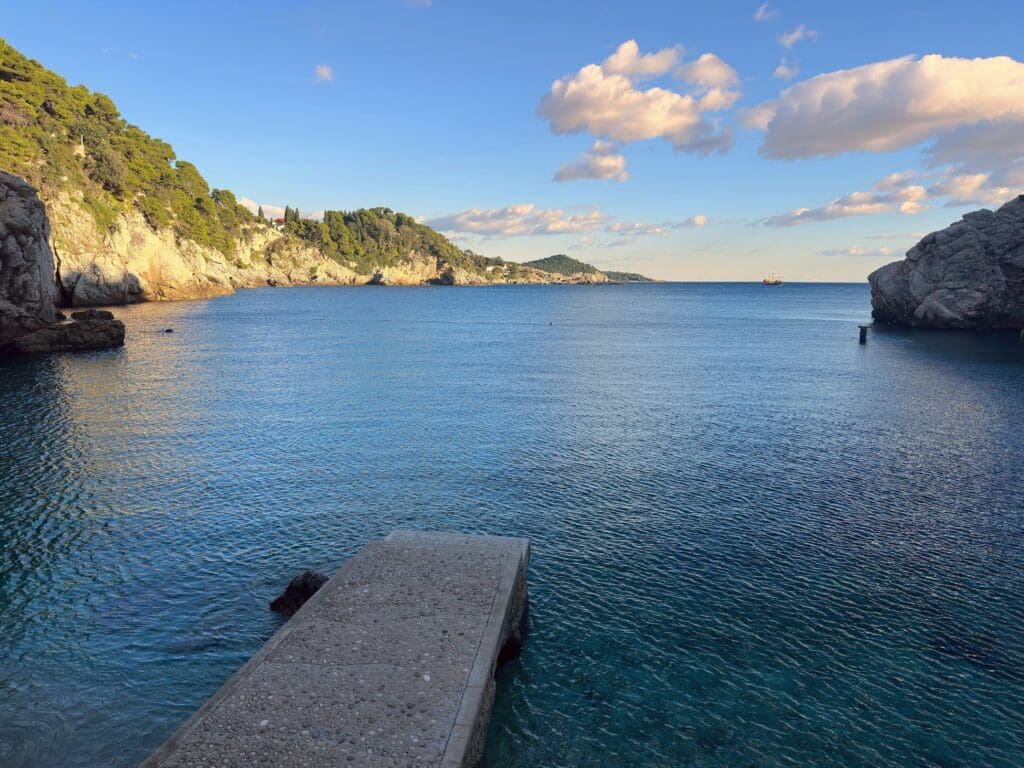
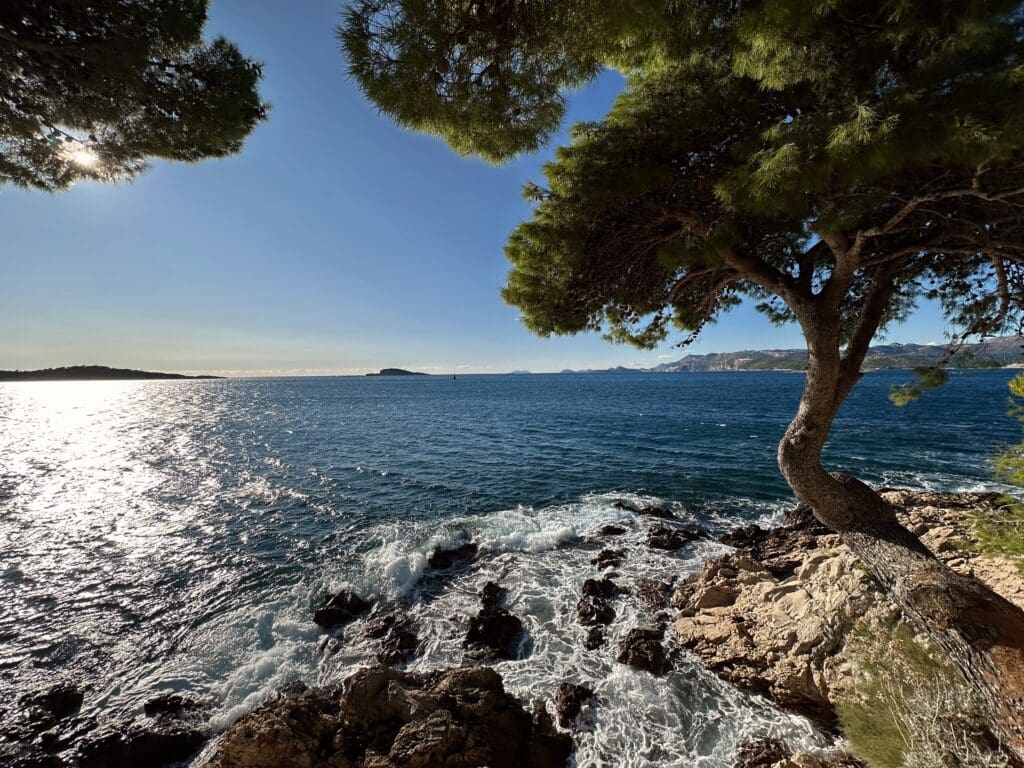
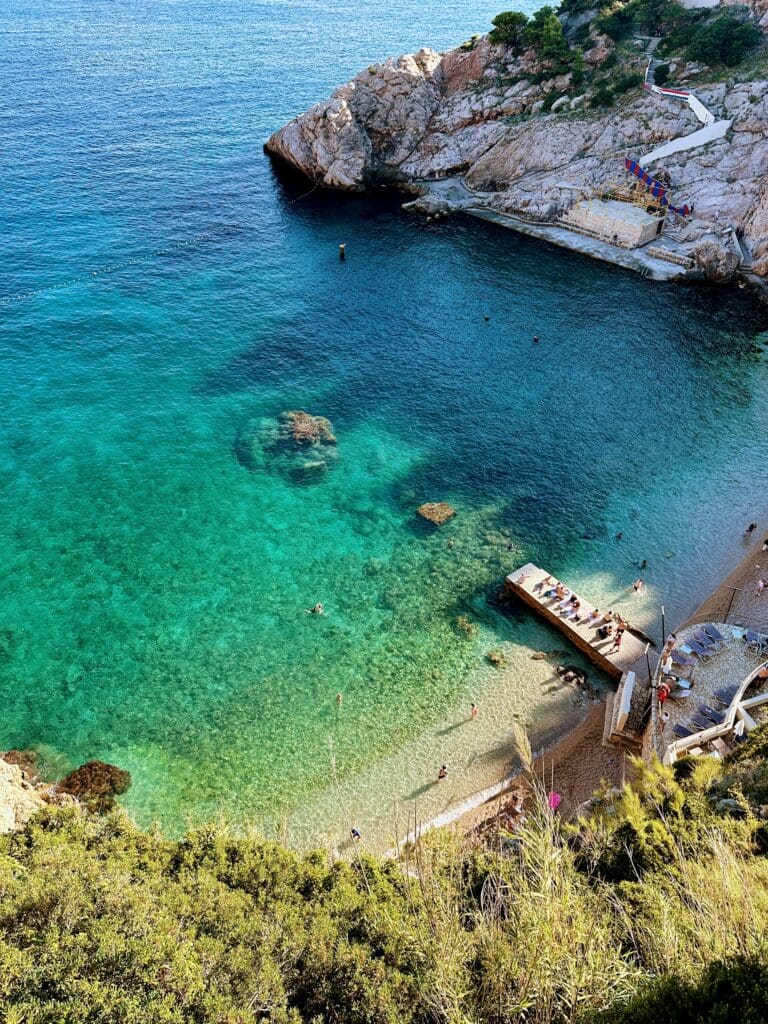
Much of what makes the spa restorative lies beyond its walls. The Dalmatian coast sees around 250 days of sunshine each year. Even in early autumn, temperatures often linger in the high teens to low twenties °C—warm enough for morning swims and long walks along the coastal paths.
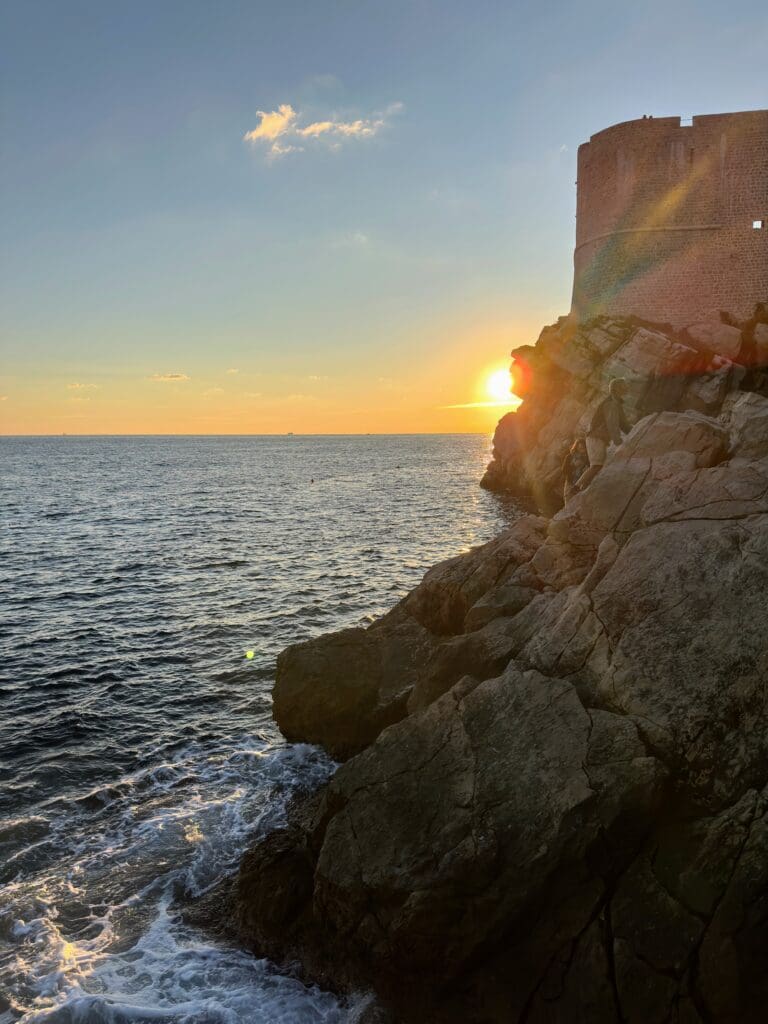
Each afternoon, the maestral wind arrives from the northwest, cooling the warmest hours before fading by sunset. The air carries salt from the sea and the scent of pine from the hillsides. The light is crisp and bright, bouncing off pale stone and water so clear you can see the seabed.
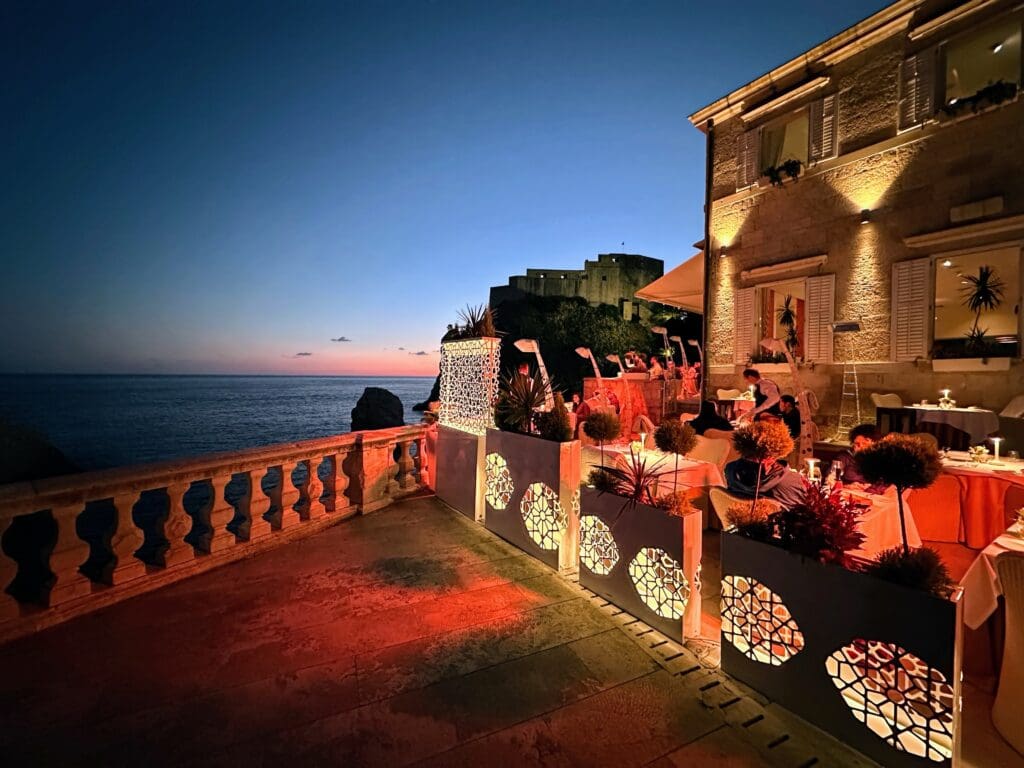
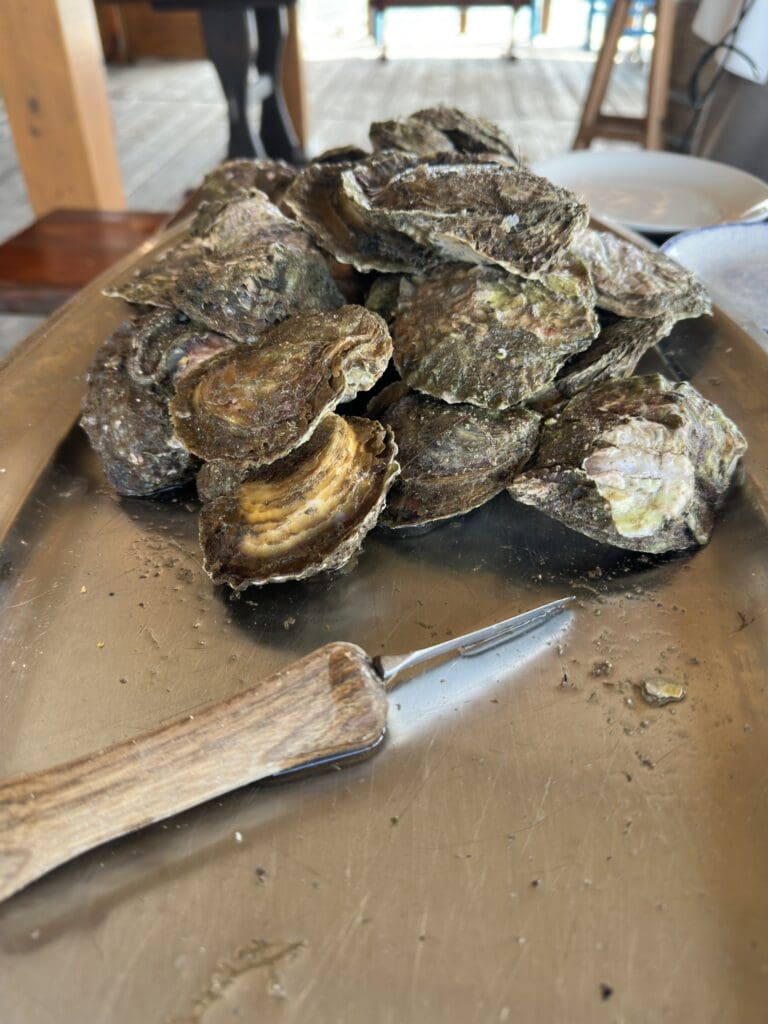
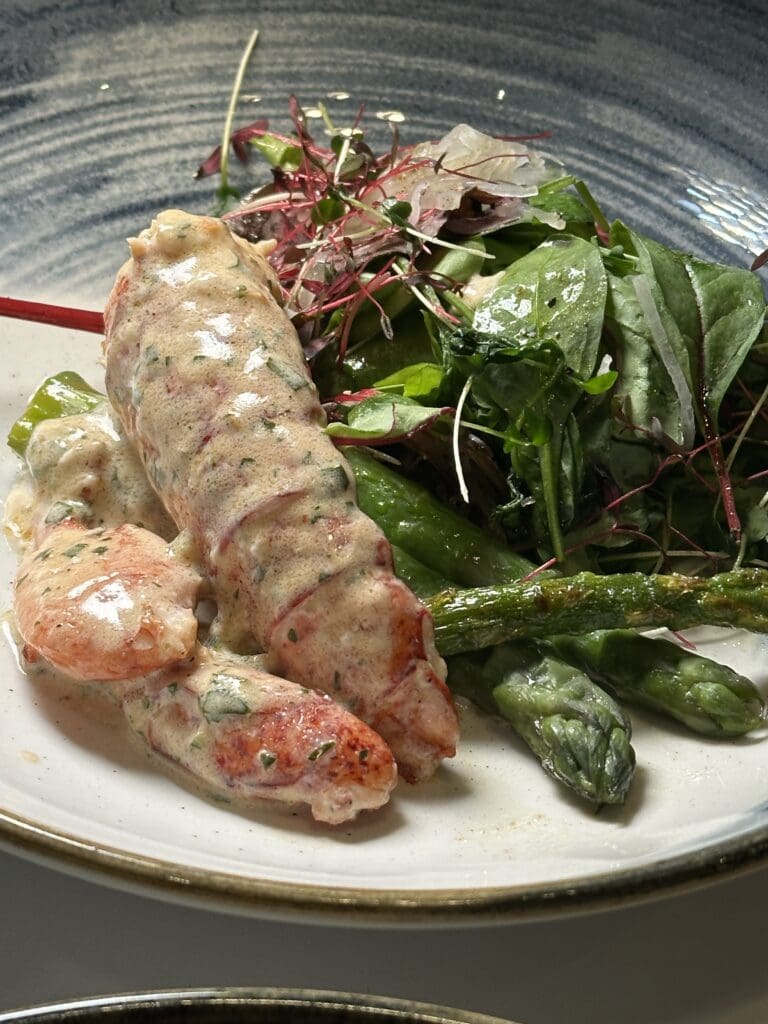
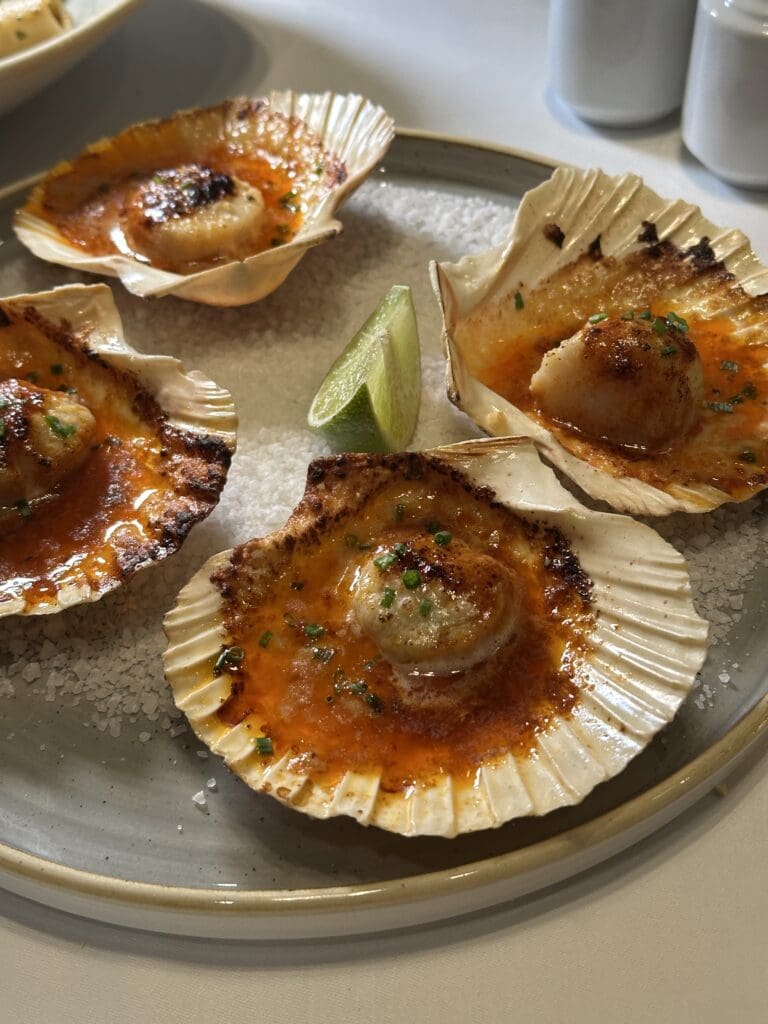
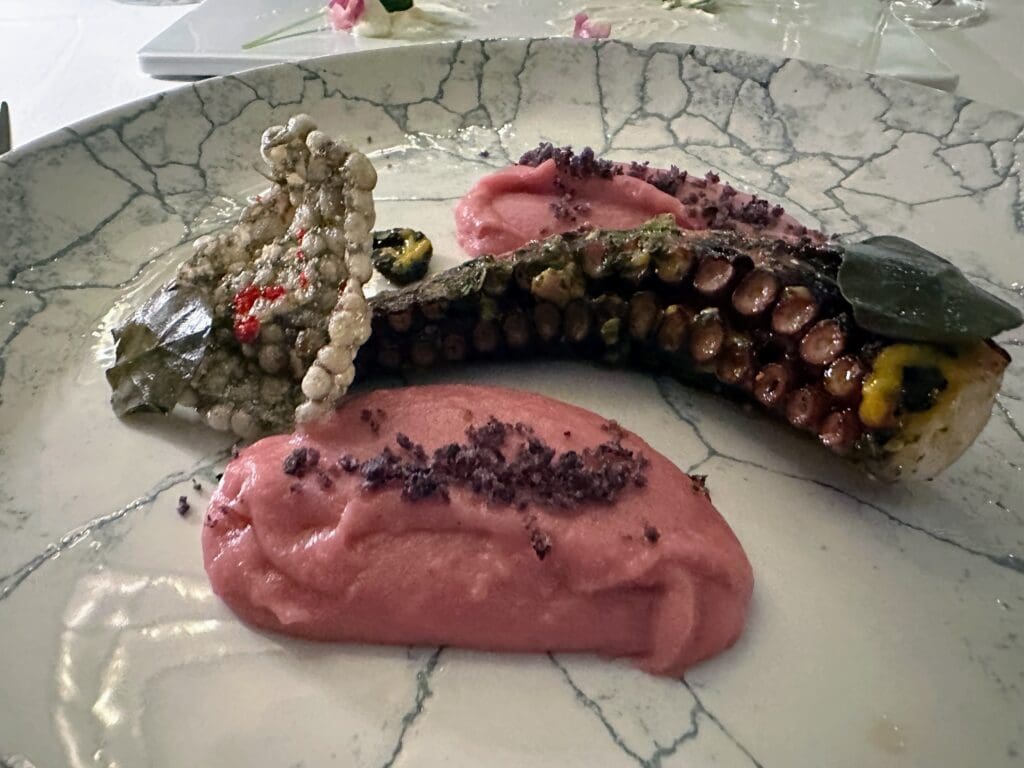
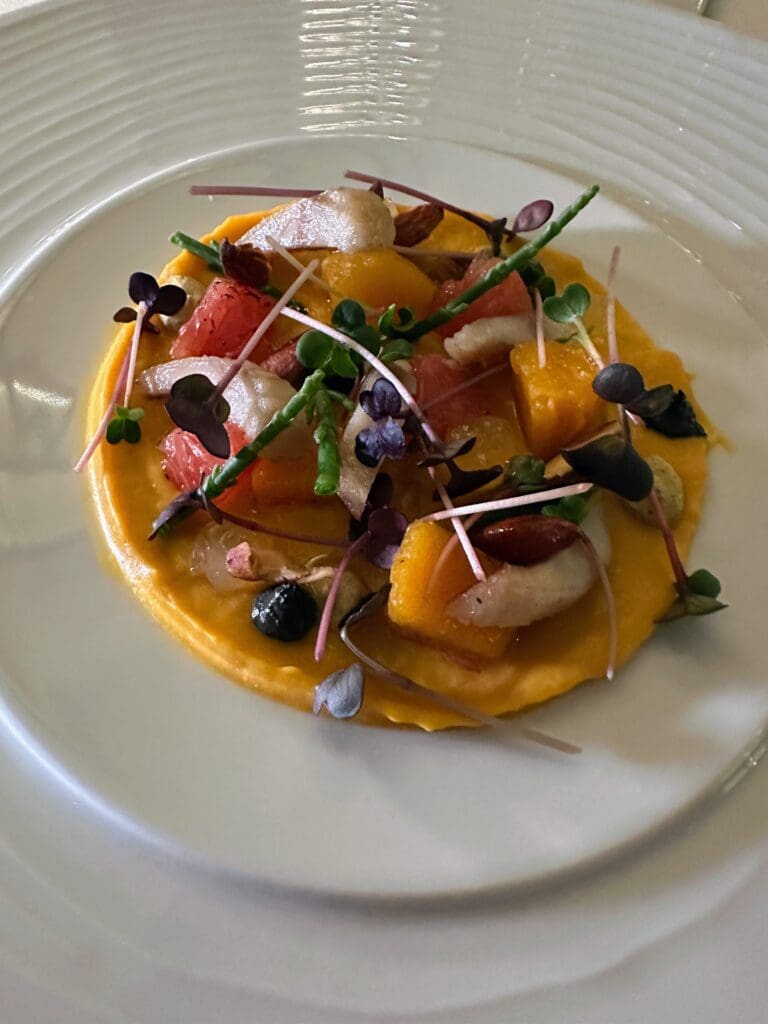
That same sense of place defines the kitchen, where Executive Chef Mate Matić curates a menu that reflects the southern Dalmatian landscape. At Restaurant Vapor—recognized in the 2025 Michelin Guide—he sources ingredients close to home: seafood from Cavtat, olive oil from Konavle, vegetables from valley farms, and wine from Pelješac. His dishes echo the region’s character, from tuna with fig compote to scampi with wild herbs and veal finished in prošek.
Slow Living, Adriatic-Style
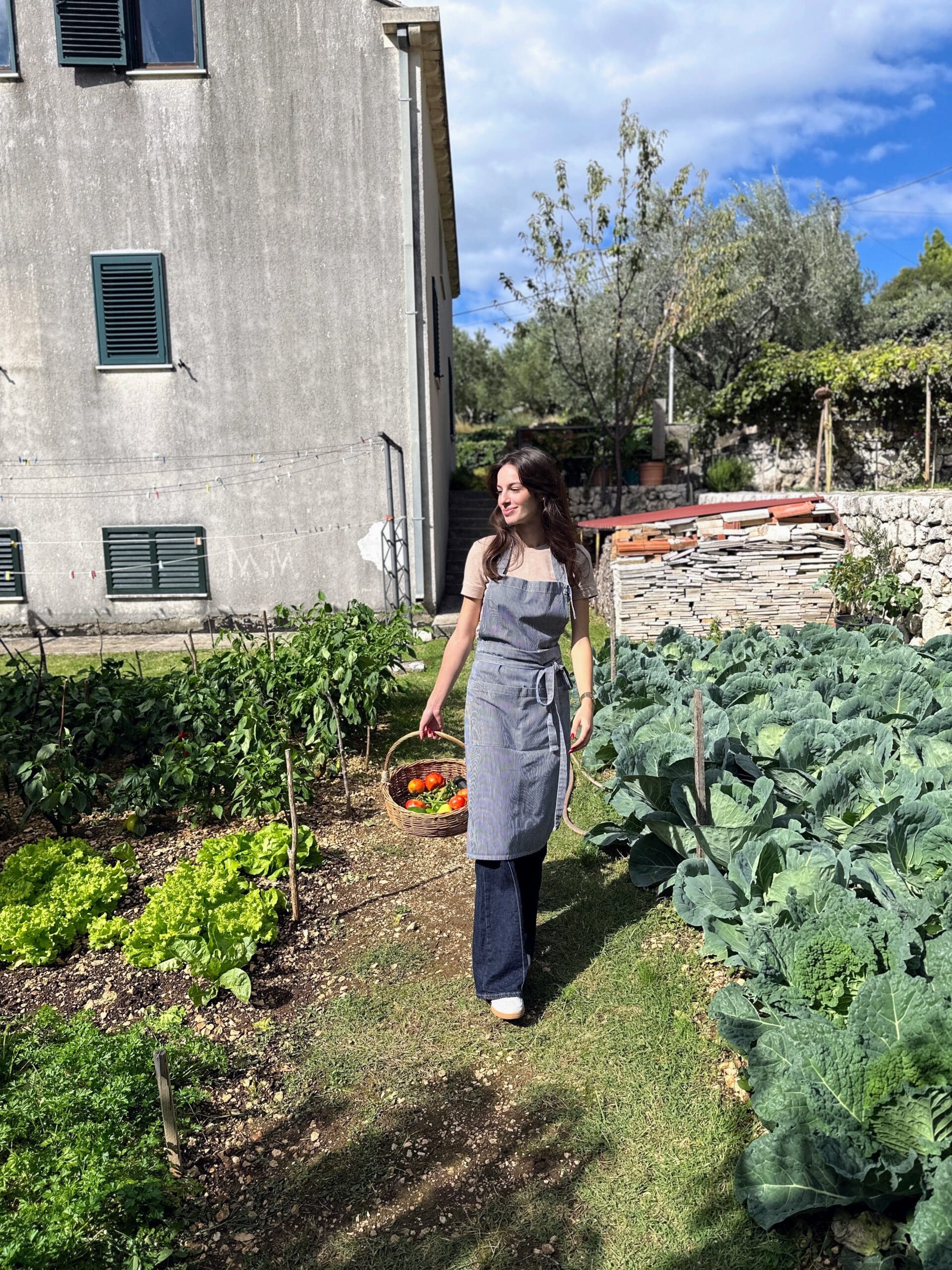
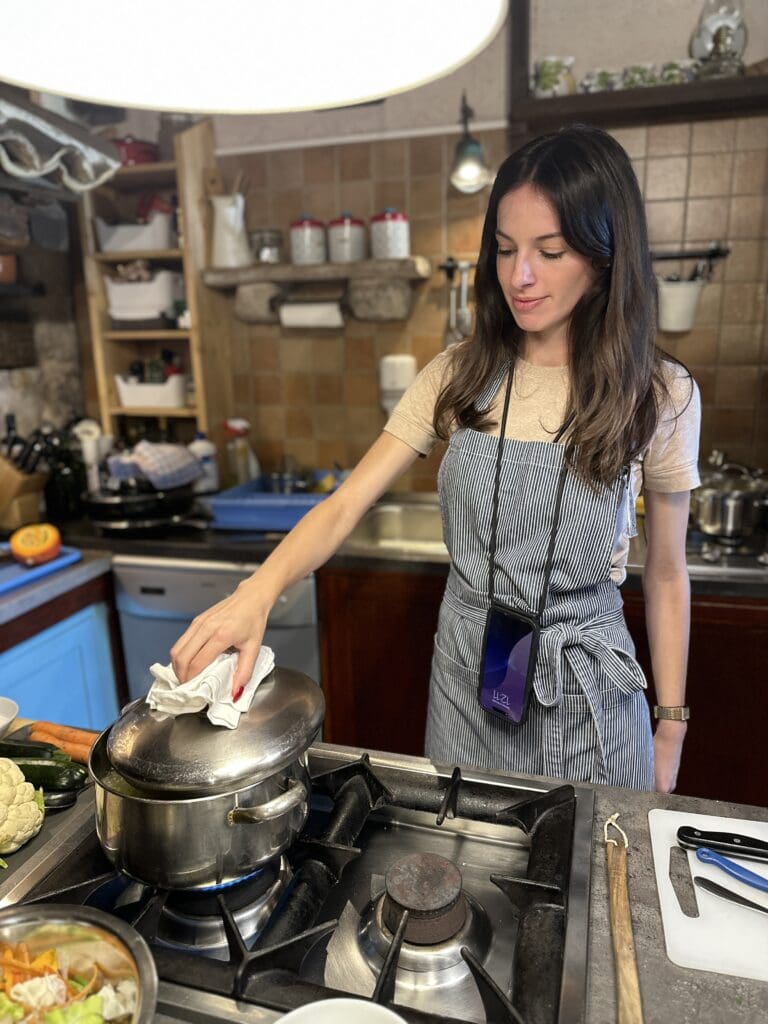
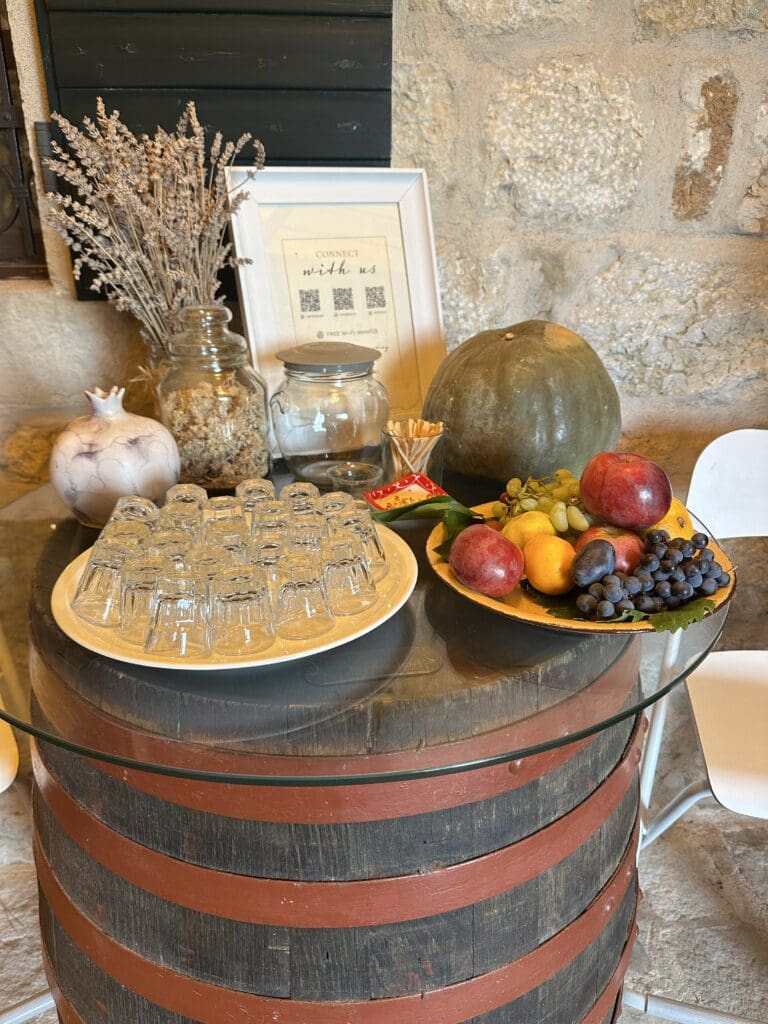
That connection between land and table extends south into the Konavle Valley, which stretches between the mountains and the coast. Small farms maintain a patchwork of olive groves and citrus trees that supply much of the region’s produce. At Kameni Dvori Agrotourism, a family-run farm in the village of Gruda, visitors learn to bake bread under the bell-shaped peka lid, pick herbs from the garden, and grill veal over bay-leaf branches. The family pours its own Malvasija wine and serves lunch under a grape arbour, the afternoon heat softened by shade and the occasional sea breeze. The hosts explain how the property has remained in their family for fifteen generations.
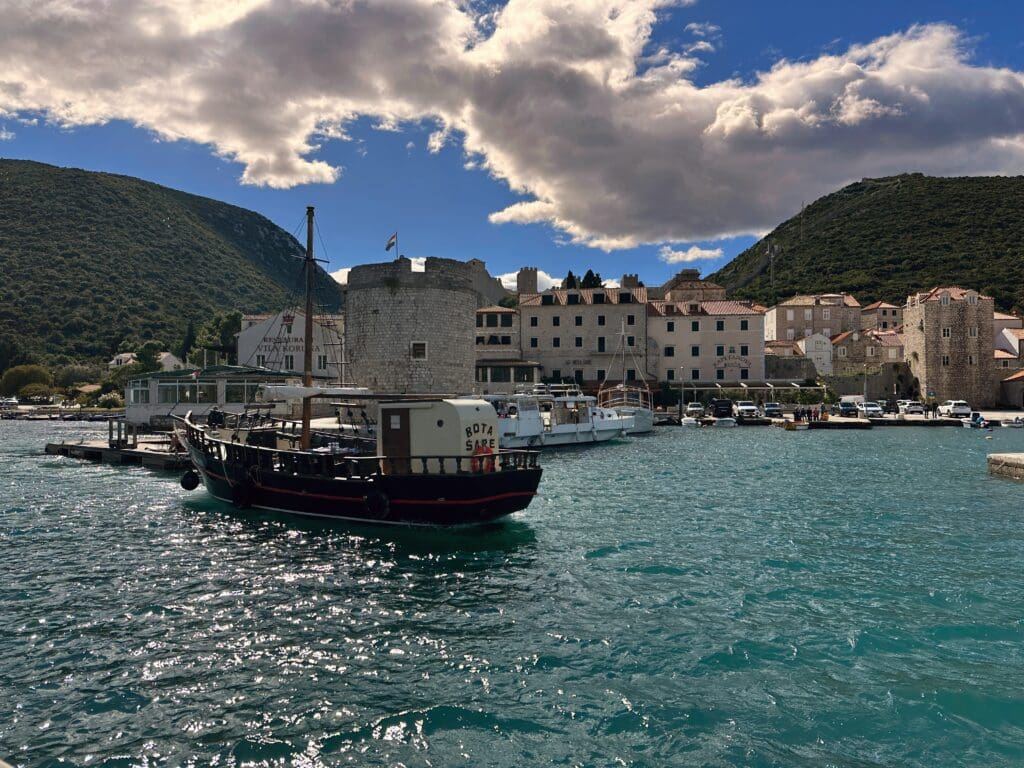
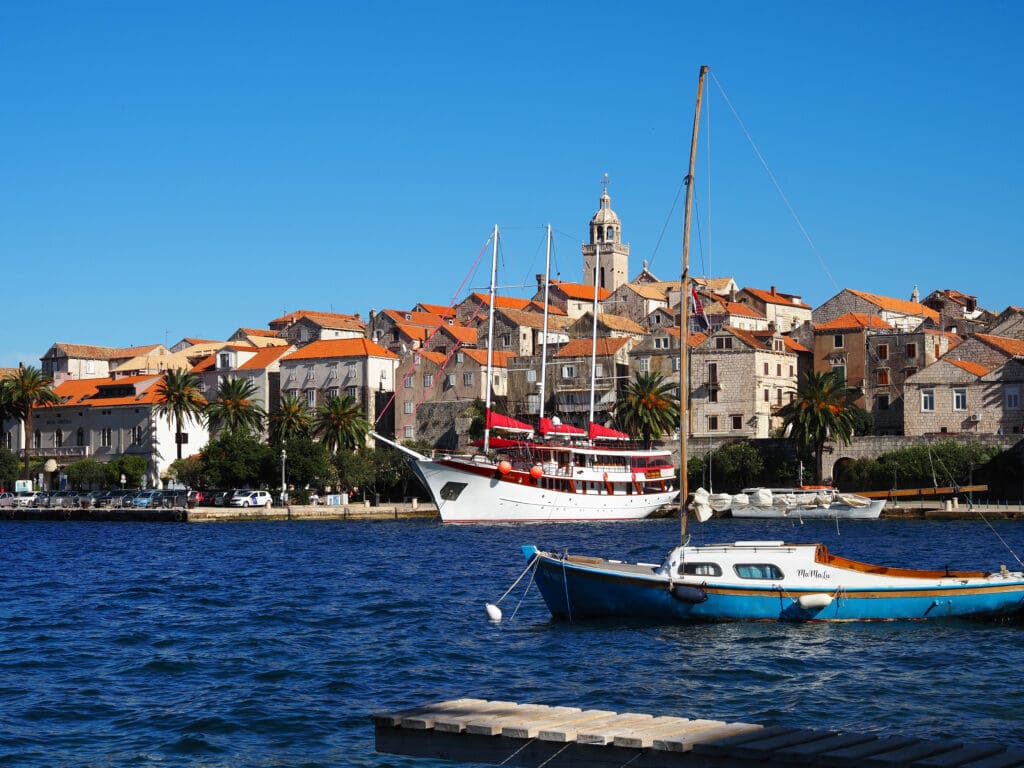
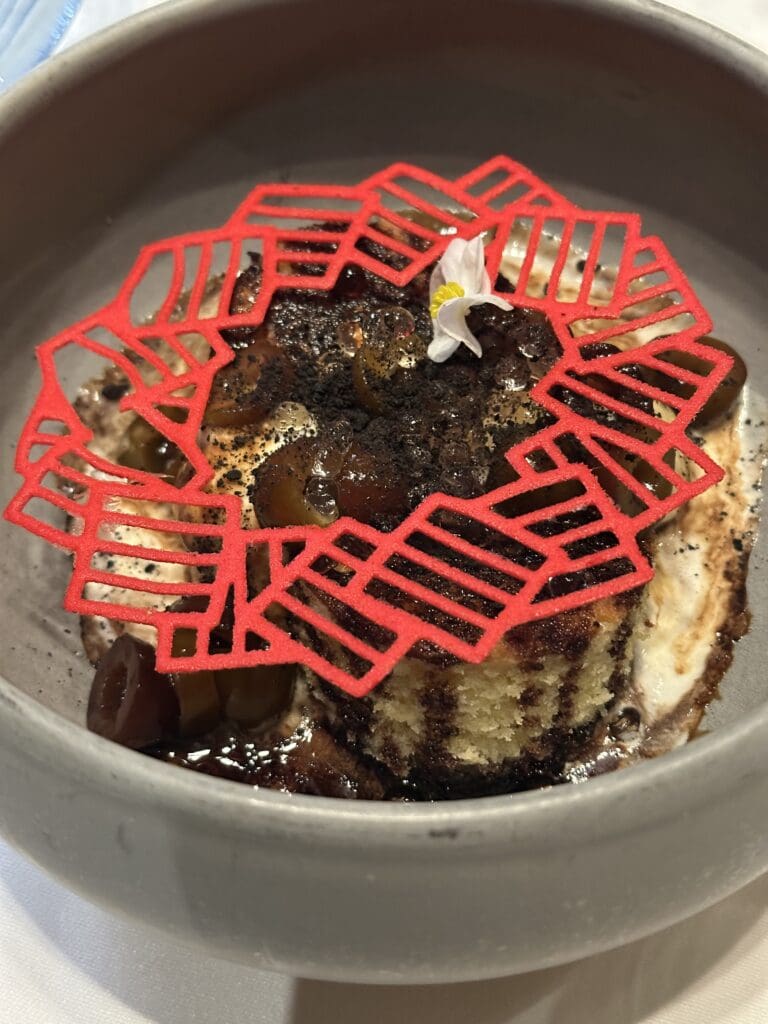
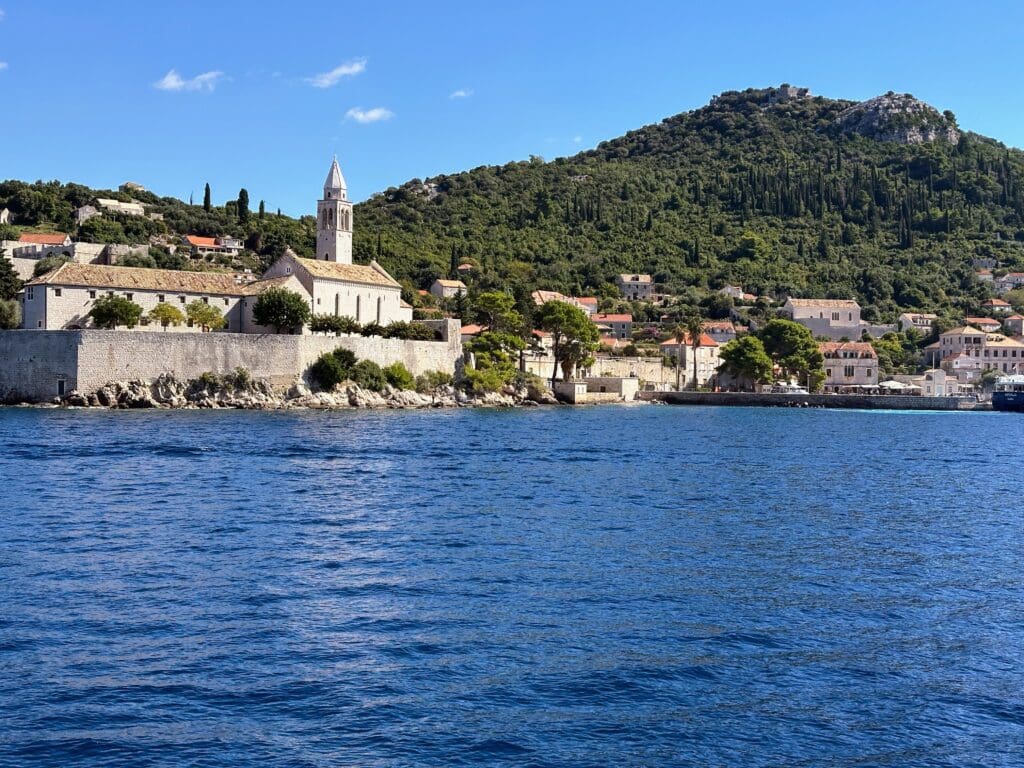
Further down the coast, Cavtat retains the feel of a working harbour rather than a polished resort. Fishing boats still moor beside cafés, and in late afternoon, locals swim off the seawall before heading home. The restored Hotel Supetar, also part of Adriatic Luxury Hotels, matches that easygoing rhythm. With just sixteen elegant rooms and a small shaded courtyard, it feels more like a family villa than a hotel. Executive Chef Renato Mrakić, a Dubrovnik native, cooks with what’s close at hand—octopus with wild greens, veal with seasonal vegetables, olive-oil cake for dessert. Most ingredients come from nearby farms or the morning market in Dubrovnik.
Wine and Balance
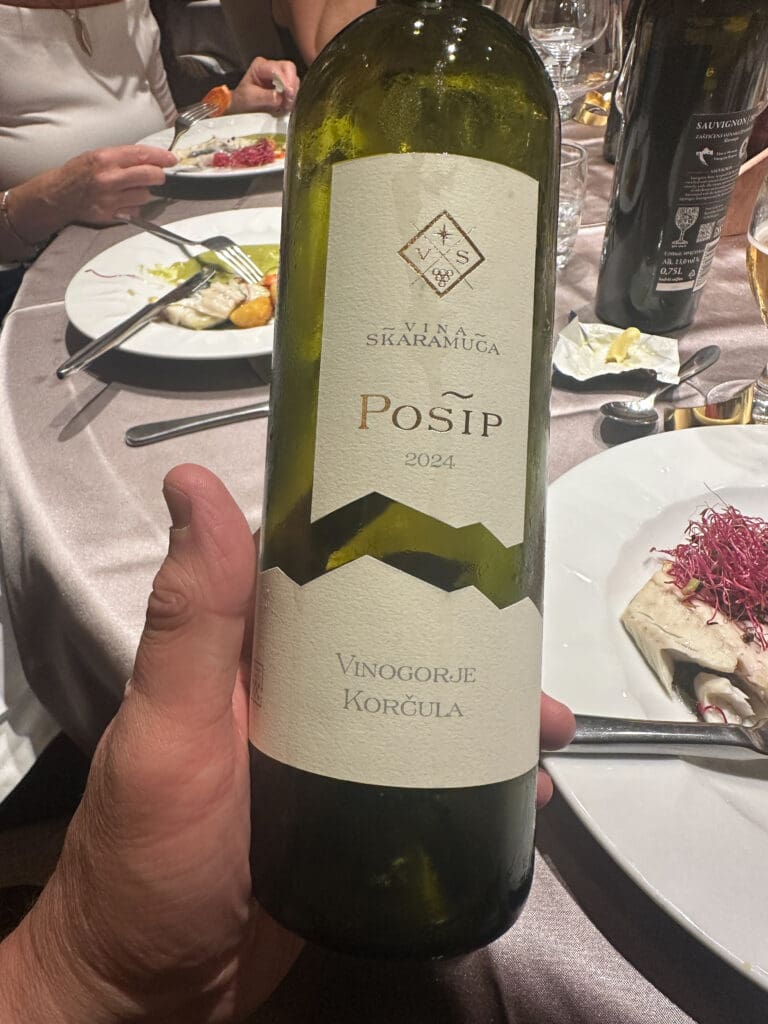
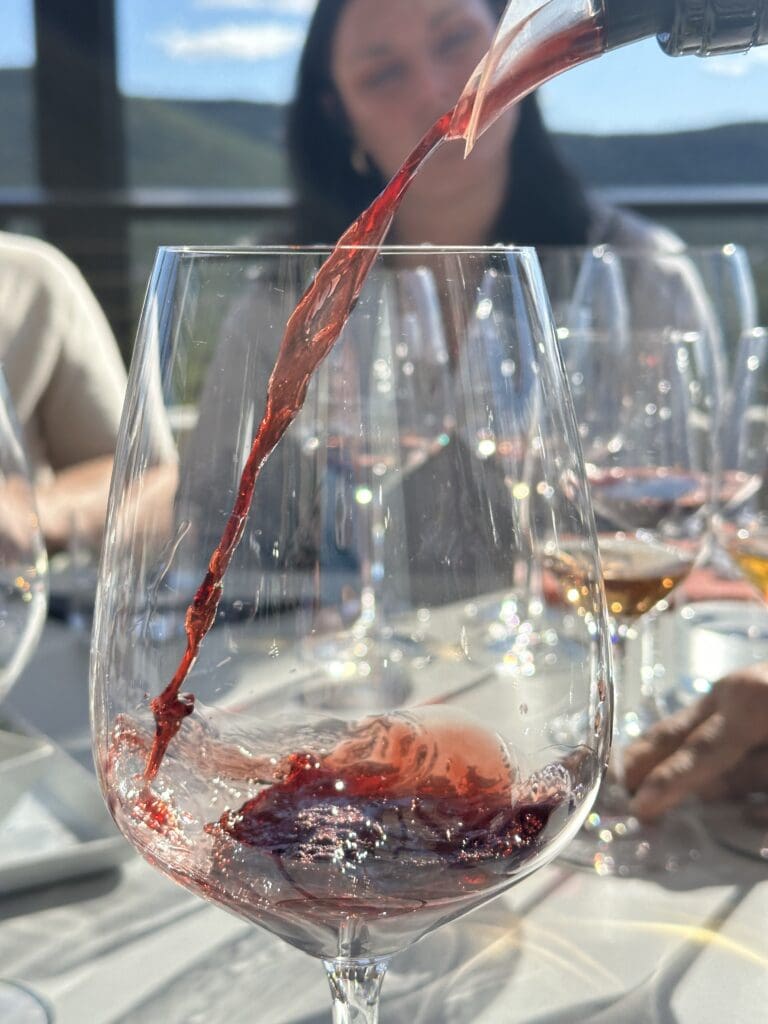
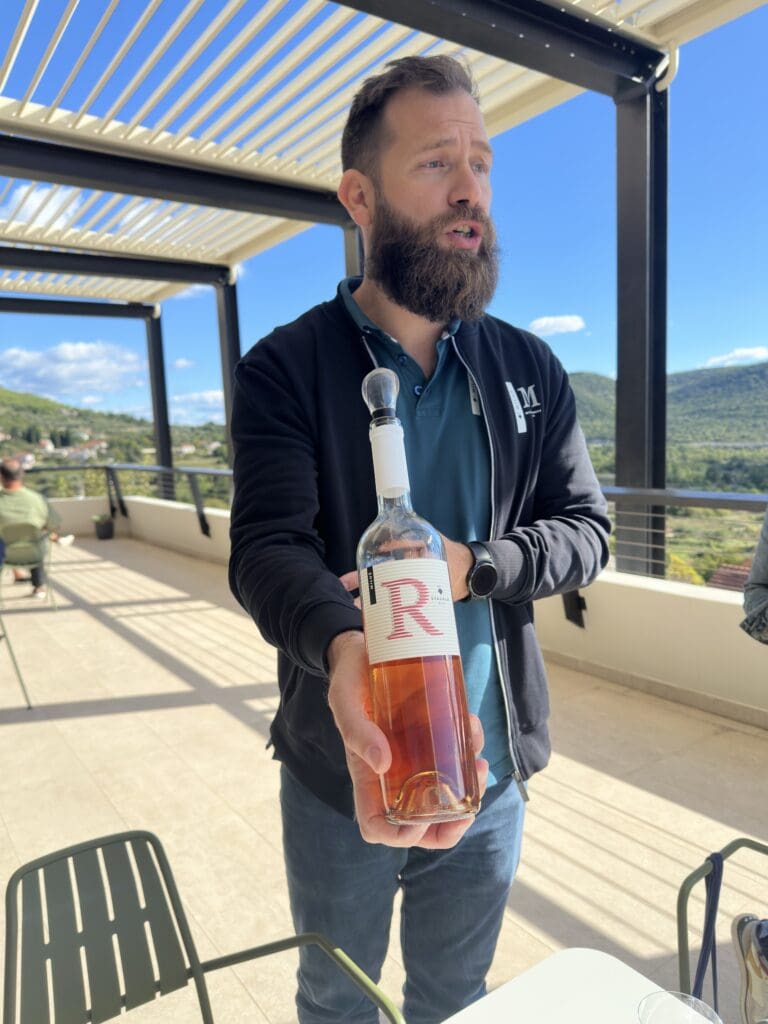
That same devotion to regional sourcing defines the area’s wine culture. About an hour north of Dubrovnik, on the Pelješac Peninsula, steep terraces of Plavac Mali vines face long days of wind and sun. At Miloš Winery in Ponikve, owner Ivan Miloš explains how quality improved once family growers regained control of their land after socialism. “The best promotion,” he says, “is when visitors taste it here.” His organic Plavac Mali, fermented with native yeast and aged in large Slavonian oak barrels, tastes of heat, salt, and stone. The pattern repeats across the region—wine, food, even the rhythm of daily life shaped by what’s close at hand. Along the Dalmatian coast, wellness isn’t added on. It’s built in, already present in the daily routine: local ingredients, open water, time spent outdoors, and meals that travel only a few kilometres from source to plate. —Mark Sissons
share:

November 17th, 2025 at 12:13 am
Thank you for the information in this article. Excellent work!
November 23rd, 2025 at 11:39 pm
Good article and useful information