
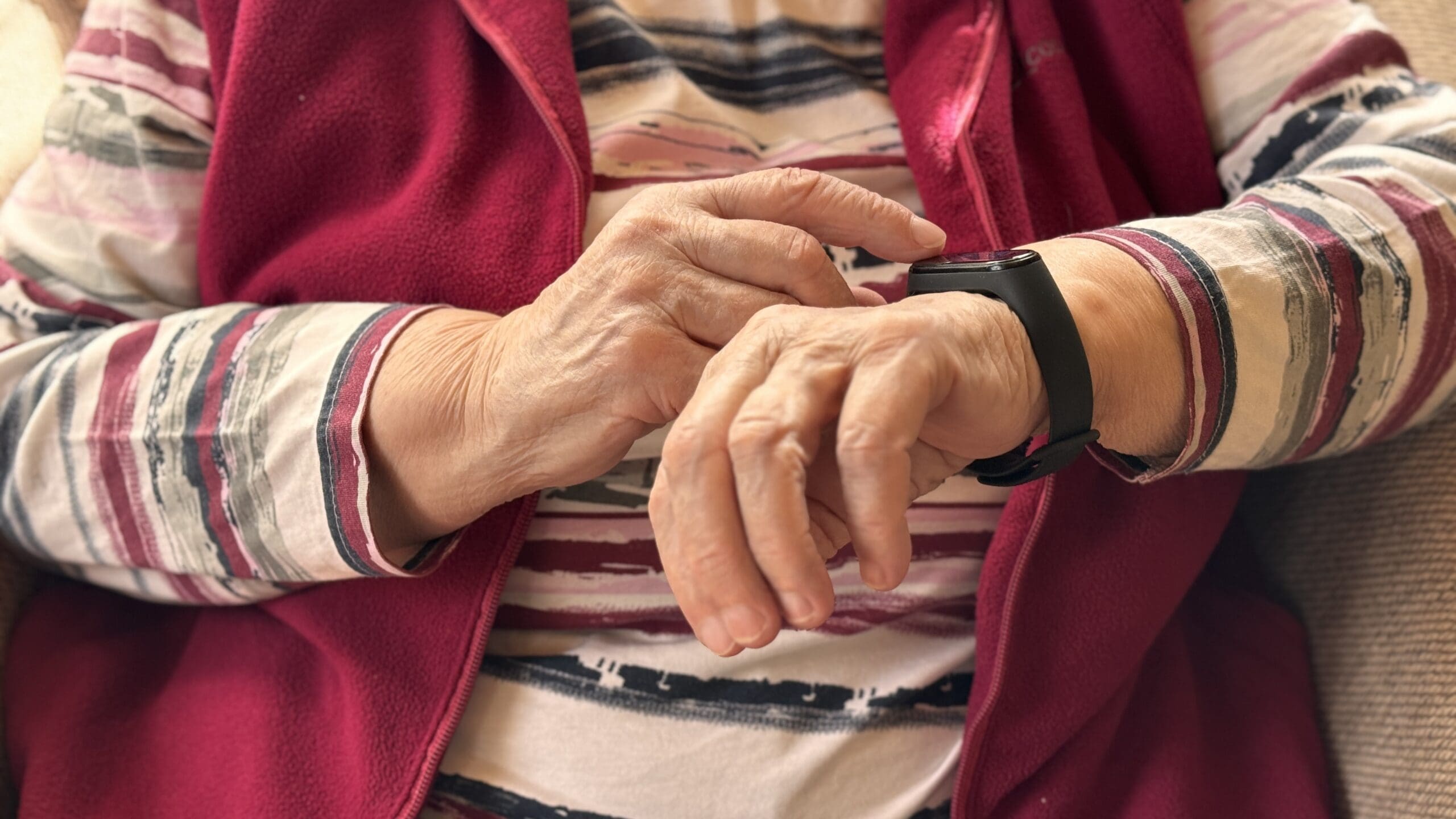
As we age, it becomes essential to maintain independence while also ensuring personal safety. Emergency buttons, or medical alert systems, are a lifeline because they provide immediate access to help.
These devices are available as pendants and wristbands, providing reassurance to older adults and their families. However, not every emergency button is fitted with the fall detection feature, which notifies emergency responders in case of a fall.
The elderly and care providers should consider the compatibility of a machine in daily life, the circumstances it serves, and its dependability in case of unforeseen events. It is critical to be aware of which devices contain fall detection technology to save time and lives in critical cases.
This article discusses the types of emergency buttons in the market, how fall detection works, and how to choose the right system that is safe yet does not limit independence.
Understanding Emergency Buttons for Seniors
Emergency buttons are made to allow seniors to seek help in case of a medical emergency, accident, or unexpected health problem. These systems come in two basic types: in-home and mobile systems.
The in-home systems are linked to a base unit at the home, usually through landline or Wi-Fi, but the mobile systems rely on a cellular network, enabling an indoor and outdoor connection.
Most of the devices have two-way communication, which means that users can talk directly to trained emergency responders, who can evaluate the circumstances and send assistance.
Moreover, you should always ensure the medical alert system works in your residential area before deciding on the device. As an example, the emergency button for the Canadian elderly by Life Assure has been proven to provide rapid emergency response and broad coverage, offering additional peace of mind to seniors and their caregivers.
Although the goal of all emergency buttons is to enhance safety, the distinction in functionality, especially fall detection, can significantly influence their performance with selected users.
The Role Of Fall Detection
Fall detection technology can automatically detect whether a user has fallen and send an alert to a monitoring center. This technology is especially advantageous for the elderly who might become immobile, unconscious, or disoriented following a fall.
For many older adults, falls remain a major cause of injury, and early intervention may prevent the development of complications, including fractures, long-term immobility, or more severe medical outcomes.
Fall detection is not available in all emergency buttons. There are gadgets where one must press the button manually to seek help, and this can be a problem in case the person is incapacitated.
It is important to know whether a device has fall detection and what kind of technology is to be used when choosing a system to meet particular safety requirements.
Types of Fall Detection Technology
There are three general approaches that fall detection systems rely on:
1. Wearable Devices
Pendants, wristbands, and smartwatches are gadgets equipped with accelerometers and gyroscopes to analyze falls when movement or orientation suddenly changes. Although convenient and portable, a wrist-worn device can be less precise because arm movements during daily tasks can trigger false alarms.
2. Ambient Sensors
Ambient sensors are gadgets installed in the household to track movement and identify falls within a particular space. The devices are best suited for the elderly who spend most of their time at home. Usually, ambient sensors are used in combination with motion sensors or a pressure-sensitive mat.
3. Smart Home Devices
Many smart homes feature advanced devices, such as some home security cameras, which identify falls and notify caregivers or ambulances in real-time. These devices can also give extra monitoring to the user without necessarily wearing a device at all times.
All types have their strengths and weaknesses, and selecting the appropriate technology depends on the senior’s daily routine, mobility, and living conditions.
Factors To Consider When Choosing an Emergency Button
The choice of the most appropriate emergency button among the elderly should be carried out based on several factors:
- Fall Detection Capability: Determine whether automatic fall detection is present and assess its dependability. The gadgets based on advanced sensors are more precise.
- Range and Coverage: The device should be capable of covering all those areas where the senior spends time, whether at home or outside. Mobile systems are more flexible for seniors.
- Battery Life: Test to ensure the device has a long battery life and low battery notifications to prevent issues when it is not in use.
- Water Resistance: Bathrooms and kitchens are dangerous places for falls, and this feature provides the added protection of water-resistant products.
- User-friendly: Devices must be comfortable, easy to use, and should not require complicated operations to enable alerts.
- Price: Weigh the initial equipment prices and the monthly surveillance expenditures, and balance expenditure with preferred features.
- Additional Features: GPS can also be used to track senior citizens who are independent enough, remind them to take their medication, or send messages to their relatives.
A careful evaluation would ensure that elderly people can get the most out of their emergency alert system, especially when it comes to fall detection.
Bottomline
Emergency buttons are a critical protection system for the elderly, providing quick access to help during a medical crisis or an accident. Nevertheless, not every device has fall detection features, as it can be automatic, which is why it is necessary to consider the distinctions and assess personal requirements.
Fall detection features of devices used by seniors who live alone, have limited mobility, or are at a greater risk of falling can be of great help. By focusing on aspects like coverage, type of technology, usability, and battery capacity, families will be able to choose a system that embraces both safety and autonomy.
Making the correct choice regarding the emergency button can ensure peace of mind, as it allows seniors to remain autonomous while staying safe in unforeseen events.
share:

November 16th, 2025 at 4:40 am
Thank you for the information in this article. Excellent work!
November 24th, 2025 at 12:22 am
I benefited greatly from the information in this post. Thank you