
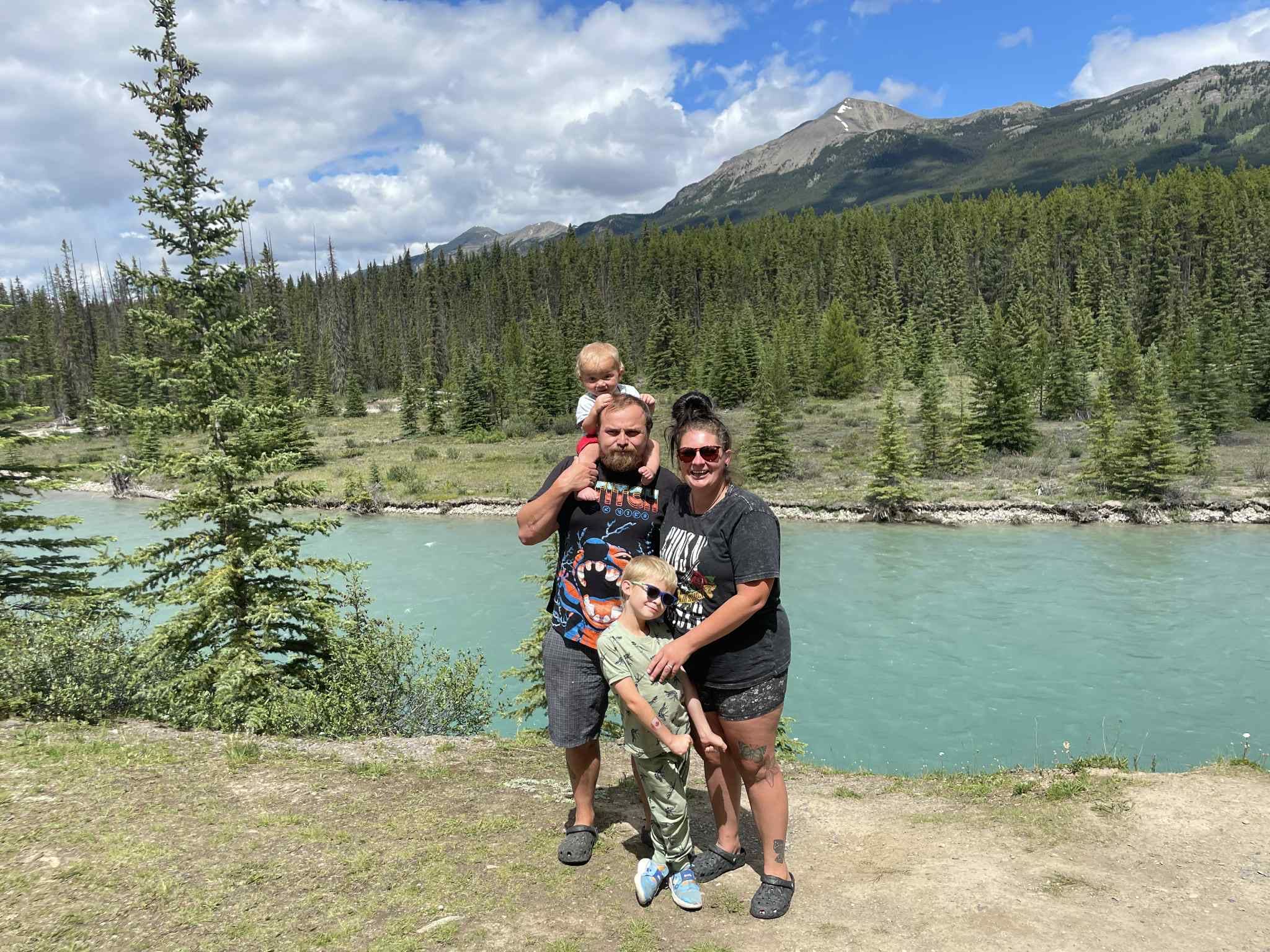
As World Children’s Day approaches on November 20—a day dedicated to protecting and celebrating children’s rights—we’re turning our spotlight to one Lumby, B.C., family whose advocacy is reshaping what support for kids with sight loss can look like.
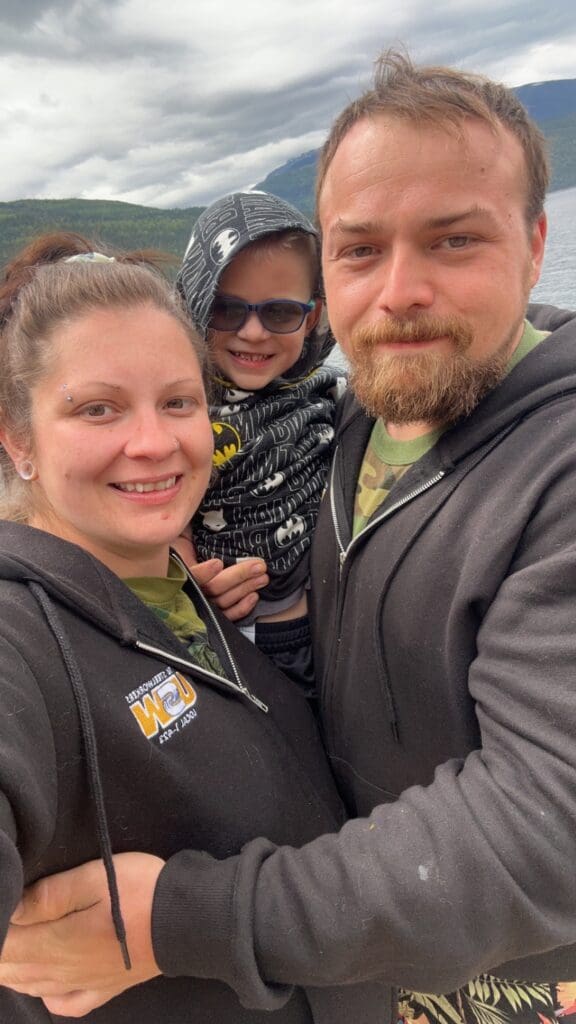
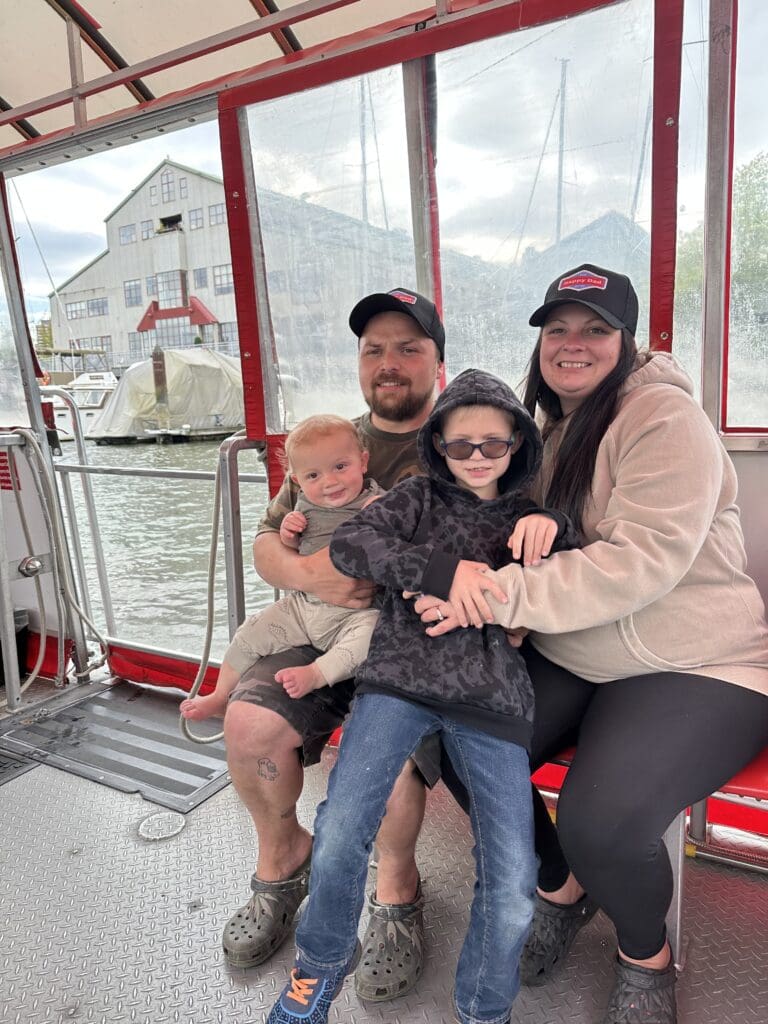
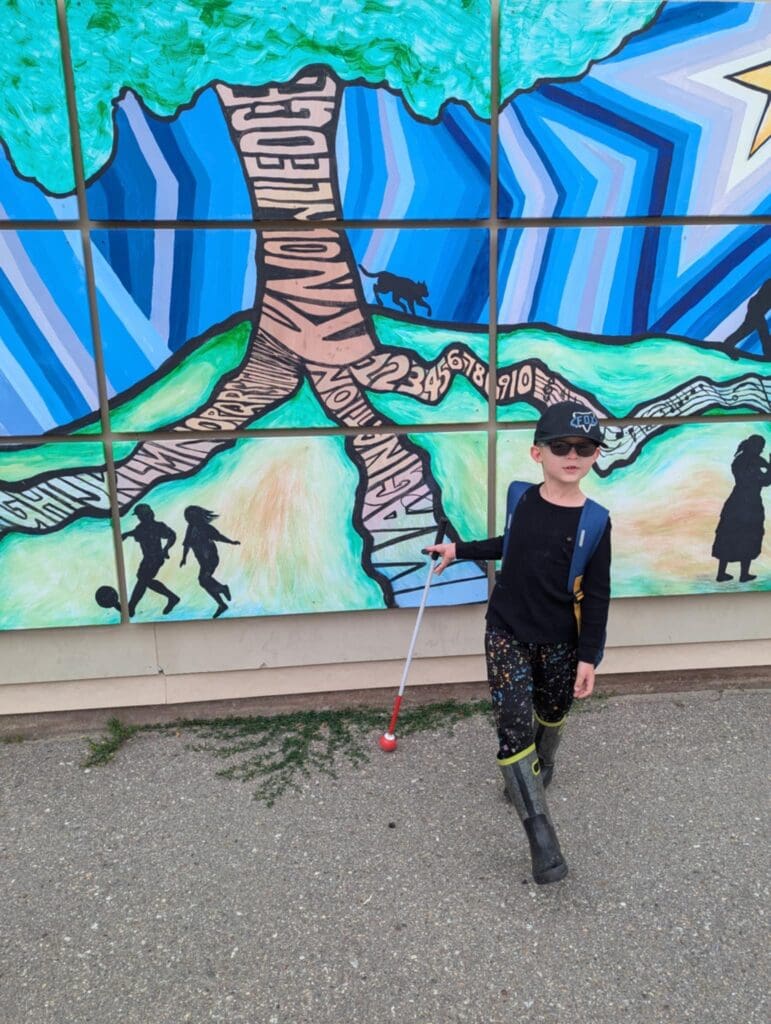
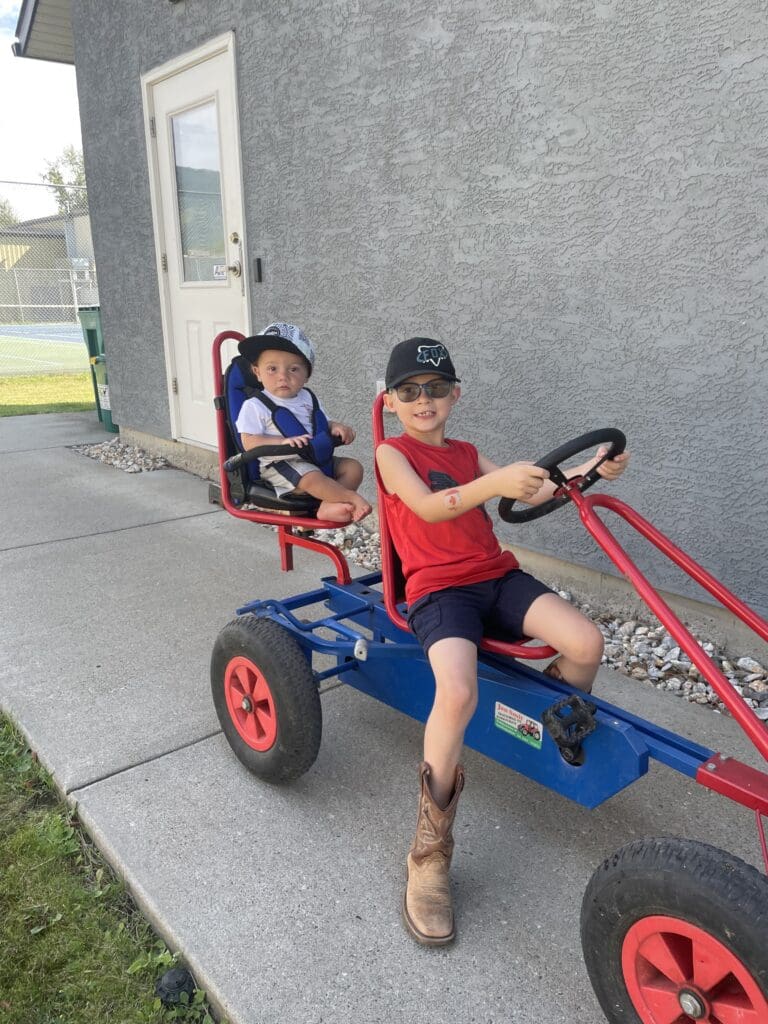
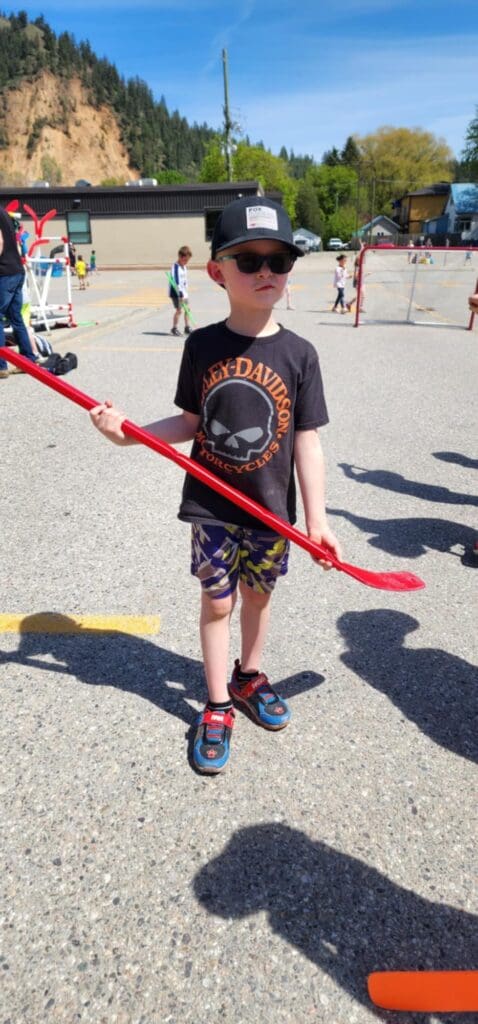
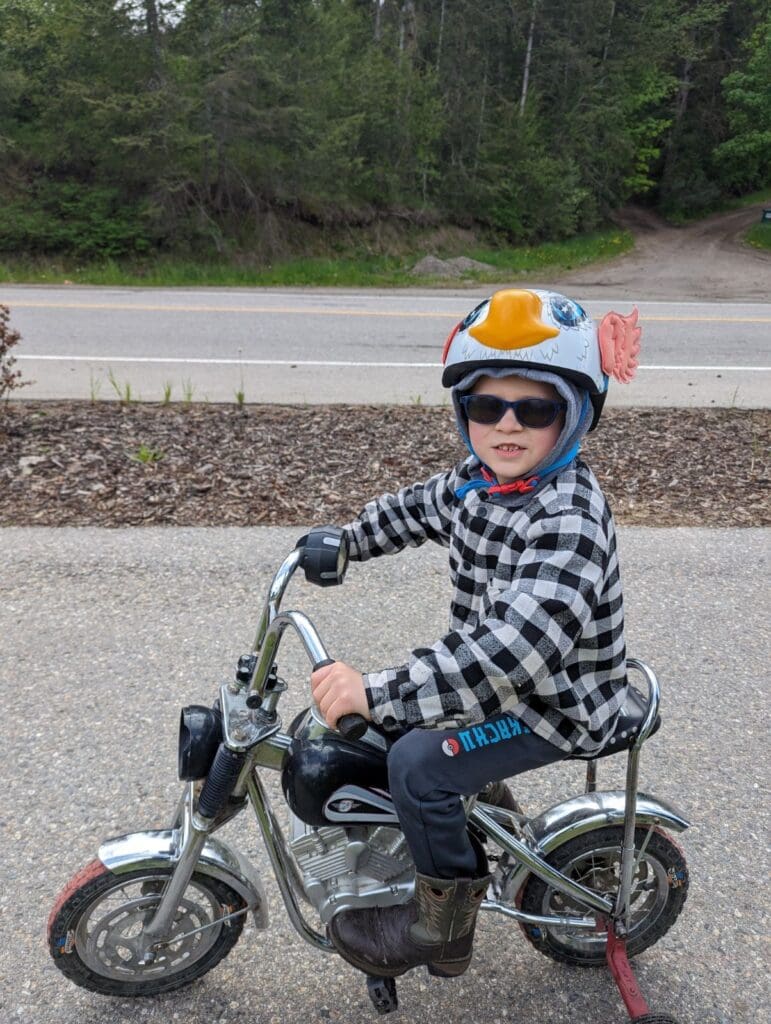
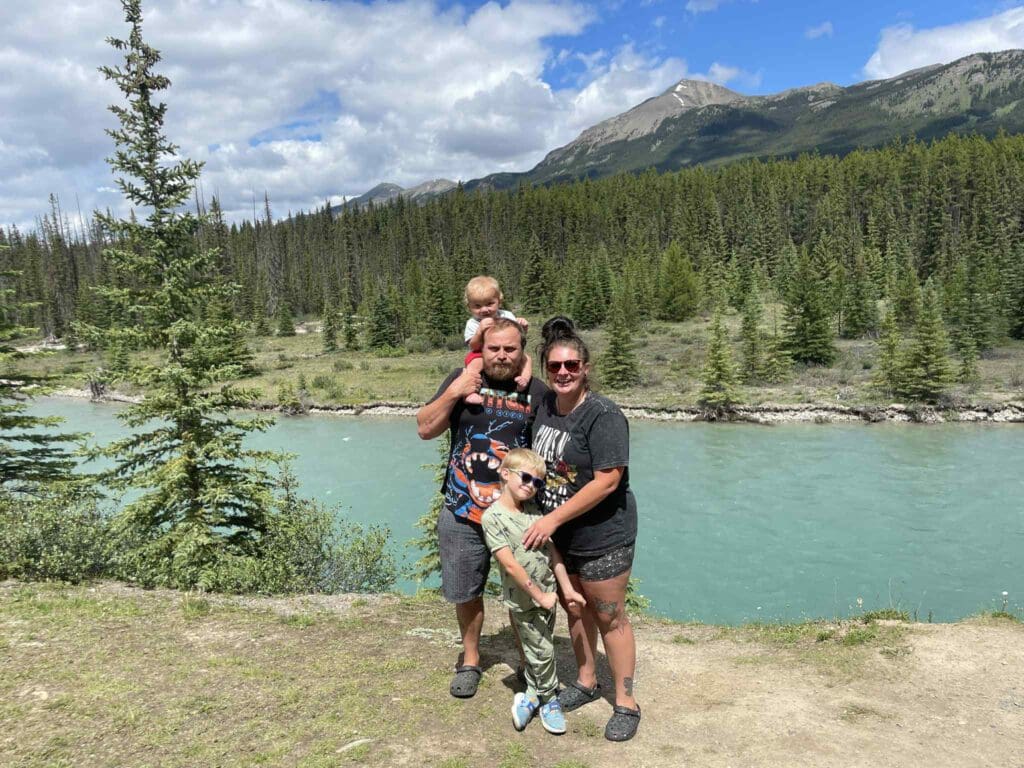
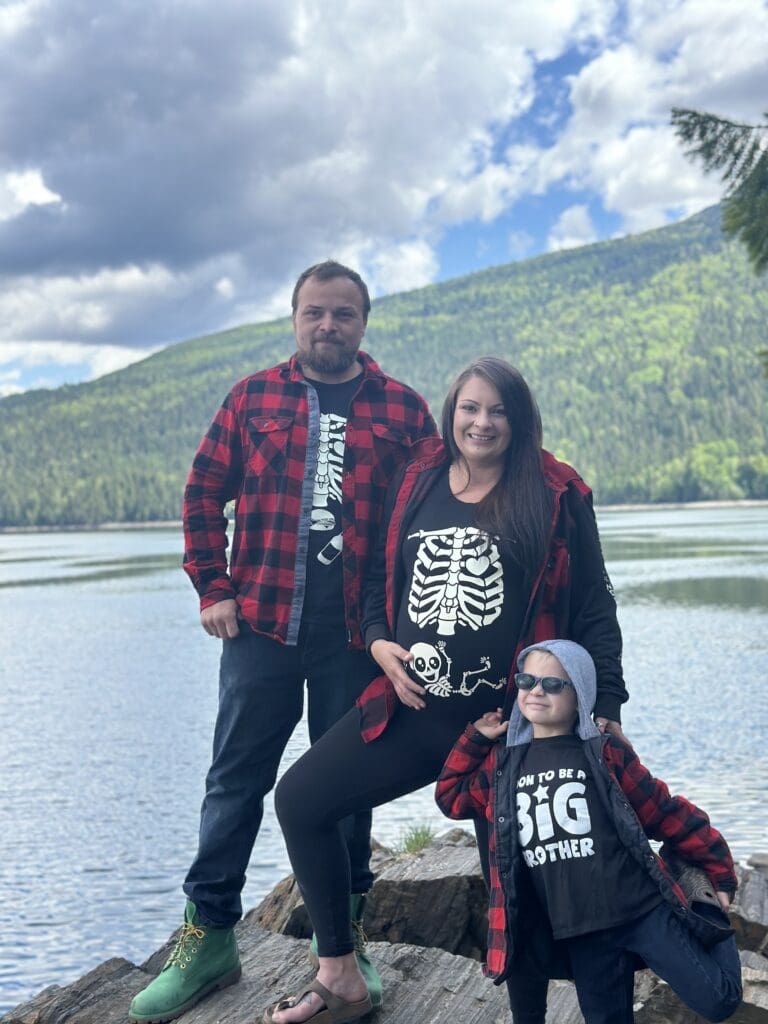
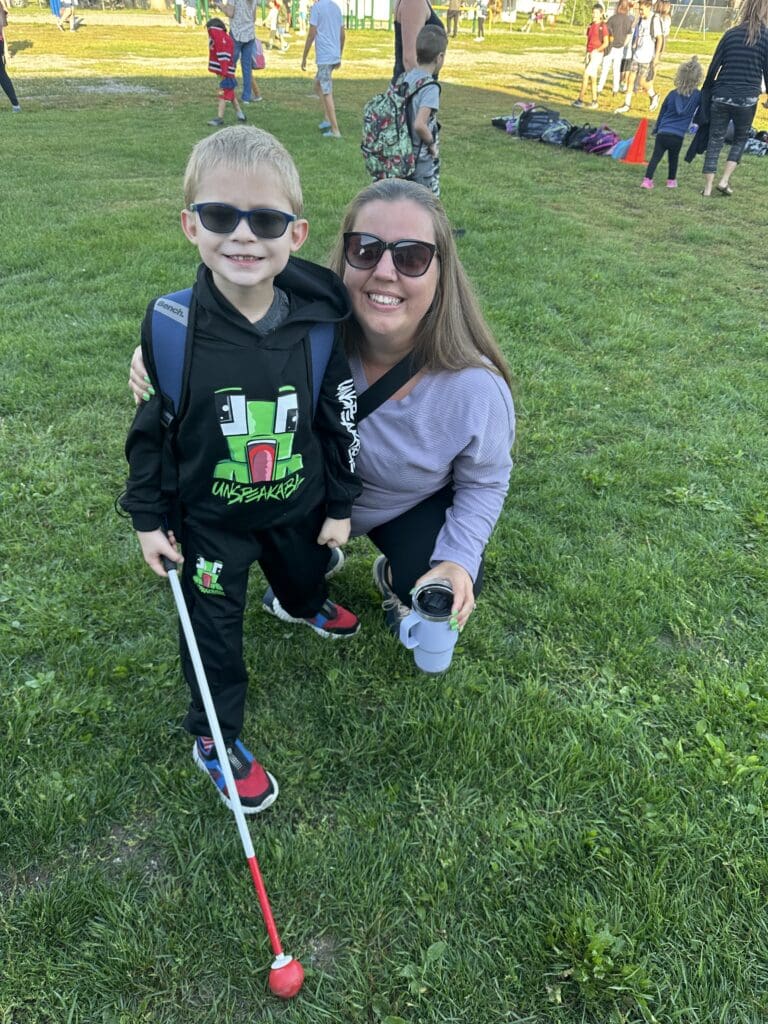
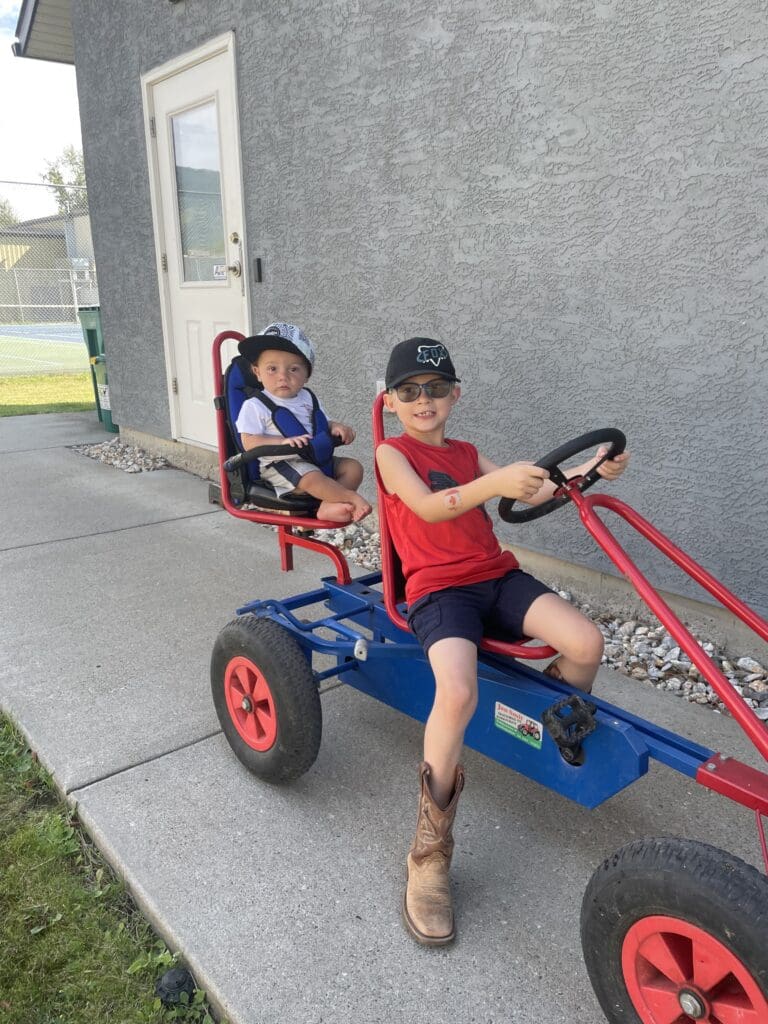
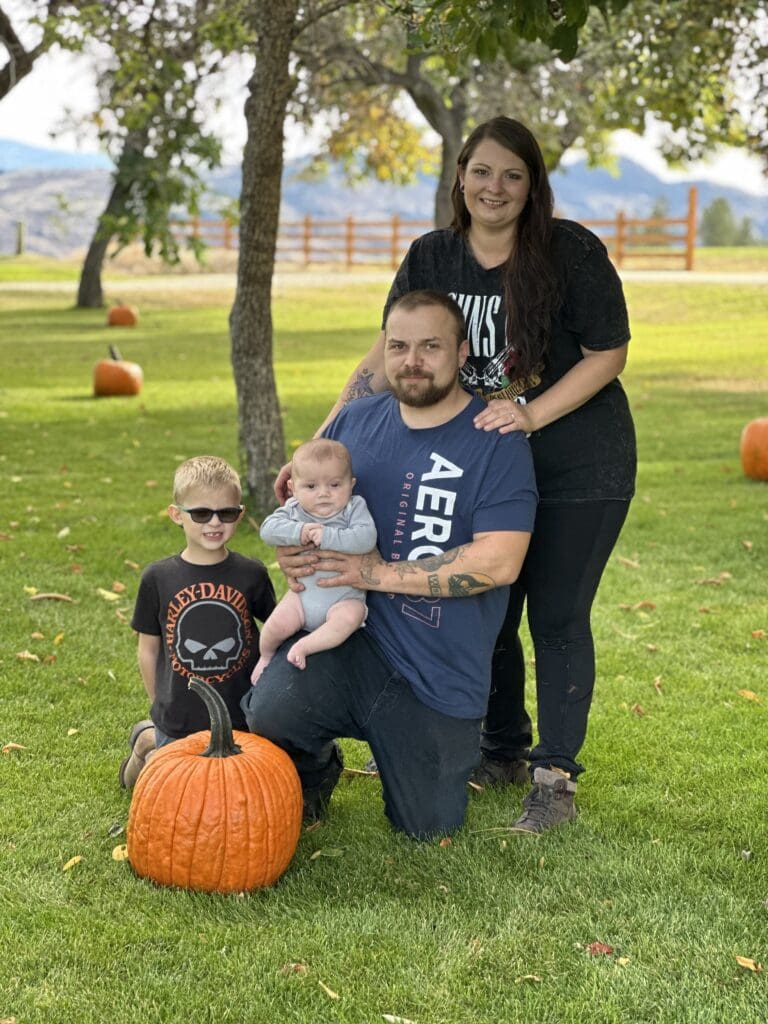
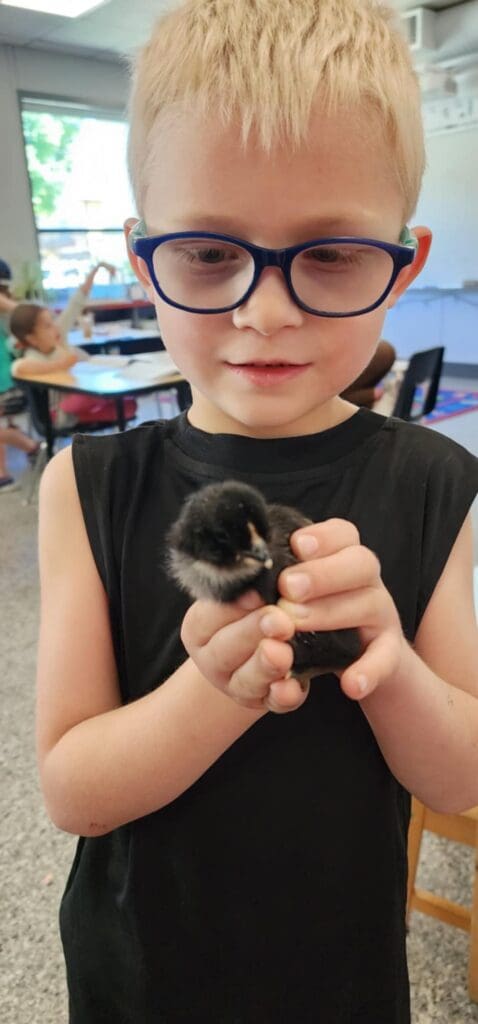
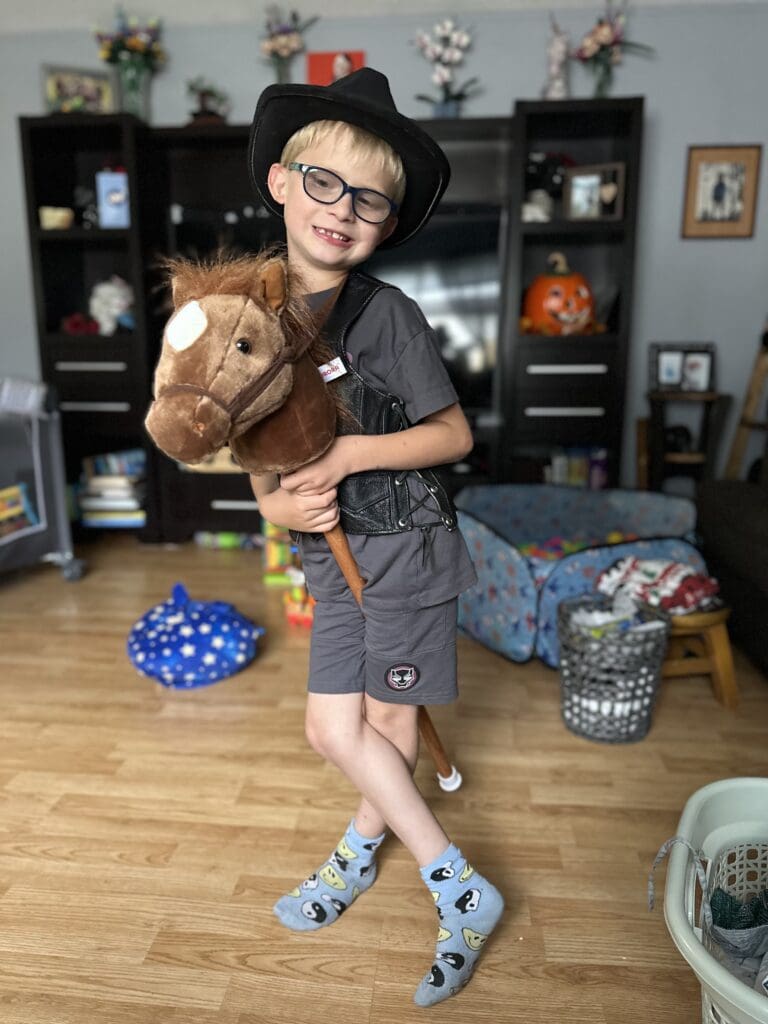
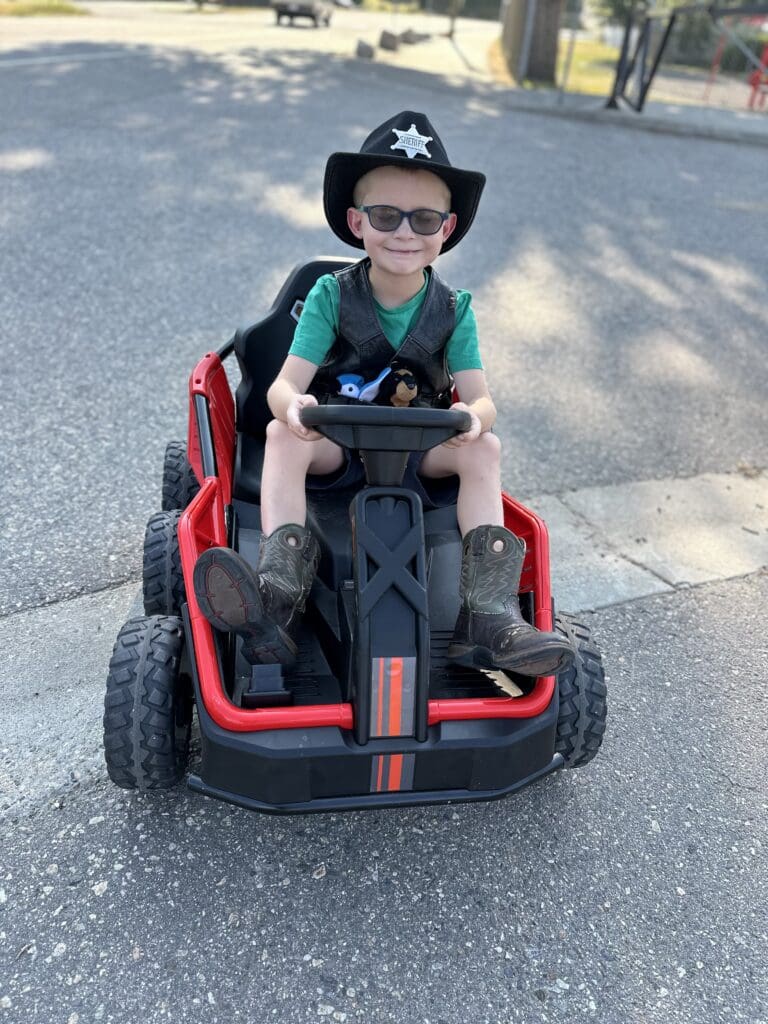
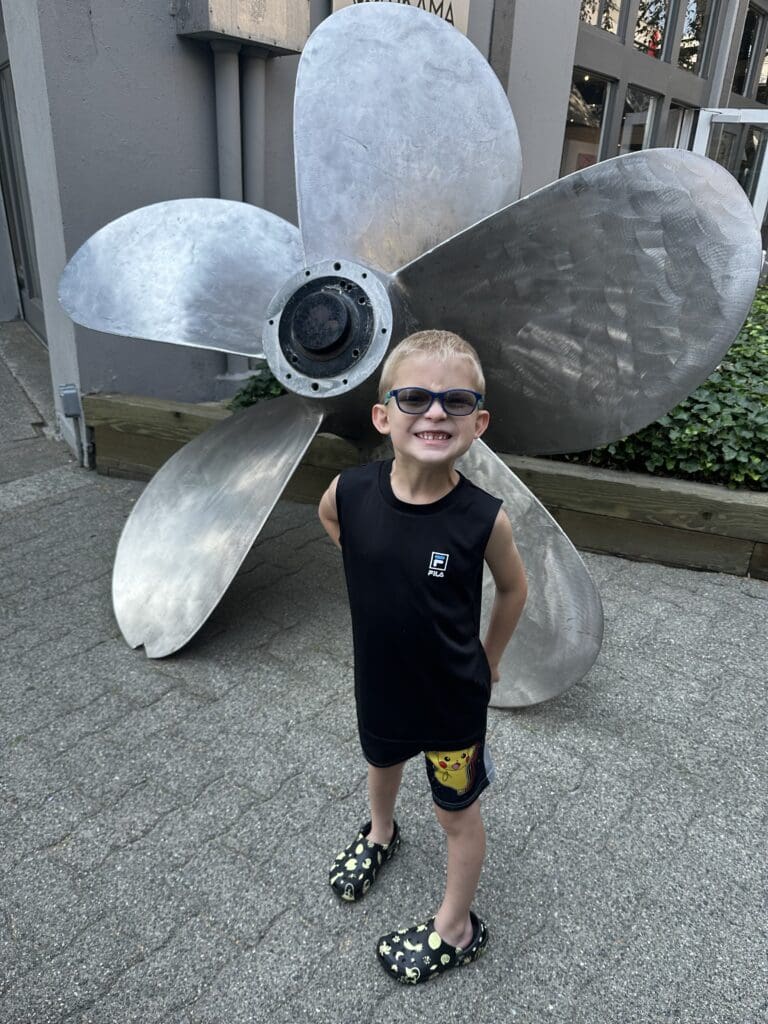
Six-year-old Tripp Campen, diagnosed with nystagmus and cone rod dystrophy, is navigating childhood with courage, curiosity, and the support of the CNIB community. Yet his family’s experience highlights a larger national issue: many children who are blind or have low vision still struggle to access the classroom tools, medical referrals, and awareness they need to thrive.
In this Q&A, Tripp’s family opens up about their journey, CNIB’s newly launched Children’s Charter, and how communities can help ensure every child—no matter their level of sight—has the opportunity to learn, grow, and live fully. —Noa Nichol
Can you tell us a bit about Tripp — his personality, what he loves to do, and how he approaches the world around him?
Tripp is very positive and bubbly, he can make anybody smile and will cheer them on. He loves to read, learn new facts and use his creativity to build with his toys and blocks. Tripp approaches the world around him being a positive shining light, motivating his peers around him to do the same. We love that Tripp always has a smile on his face.
When did you first learn about Tripp’s diagnoses and what were those early days like as you began to understand his needs?
When Tripp was 2 months old, his eyes began to shake – up and down, side to side, and in circles. I didn’t realize anything was wrong at first and thought he only needed glasses.
Tripp saw a paediatrician when he was 5 months old. She was very concerned about his eye movements and tested him for eye cancer, which was very scary. As he got older, we saw several doctors and had several electroretinography (ERG) and genetic tests done. It’s taken years to learn what is going on with his eyes, but we eventually discovered that Tripp has nystagmus and cone dystrophy.
How has CNIB supported Tripp and your family since he started school? Are there specific programs, tools, or people that have made a meaningful difference in his learning and confidence?
CNIB has helped Tripp transition into school by providing the tools and resources needed to make his learning time at school and home easier. They’ve also supported him by advancing his mobility, helping him choose the right white cane for his needs. From the moment he received his first cane and all throughout his Orientation and Mobility training (O&M), CNIB has been such an important part of Tripps’ journey, ensuring he can navigate life safely, confidently and independently.
Thanks to CNIB, he has also been involved in sports days and activities, which has allowed Tripp the opportunity for greater social connection in an environment that understands the importance of accessibility for children with vision loss. Everyone we have met and worked with through CNIB has been very welcoming, positive and supportive.
What are some of the biggest challenges families like yours face when it comes to accessing resources, medical guidance, or classroom support for children who are blind or have low vision?
One of the biggest challenges we have faced in accessing medical resources is distance to the appointments and the length of time it takes to receive results or answers to questions we may have. That is why the classroom support Tripp receives through CNIB has meant so much. CNIB has opened doors for Tripp and provided guidance in so many areas. While we don’t always know the perfect way to help Tripp navigate life with vision loss, CNIB has been a constant source of strength and direction. The organizations’ support has become a cornerstone for our family, and we trust them to help Tripp build the skills and confidence he needs to thrive.
Tripp also has a wonderful educational assistant (EA) and a dedicated low vision teacher at school that supports him, so we feel grateful that he has them. They have really helped boost his confidence and build his independence.
How do you talk to other parents, teachers, or community members about sight loss — and what do you wish more people understood about children who are blind or partially sighted?
When Tripp was a toddler his eyes were a lot shakier than they are now. People would notice and ask lots of questions. I realized a lot of people don’t know there’s a difference between being legally blind with low vision and being fully blind. Tripp has low vision and has been able to live a happy, healthy life thanks to the wonderful support we’ve received through CNIB and the community.
The CNIB Children’s Charter is a powerful initiative. What does it mean to you personally, and how do you think it could change the experience of children like Tripp across Canada?
The Charter of Rights for Children Who are Blind or Low Vision was created by consulting families across Canada about their unique wants and needs for improved accessibility. This means its core goals and principles truly reflect real-life concerns. The Charter is important because it represents CNIB’s commitment to advocating for meaningful change in society, changes that directly impact children like Tripp, particularly in areas like healthcare and education. It gives us hope that, with these efforts, children with vision loss across Canada will have better, more inclusive experiences growing up. In the very least, the Charter will ensure that families’ voices are heard and uplifted across the country.
We love seeing support for Tripp. As I mentioned, one of the biggest challenges we’ve faced is the long wait for healthcare services. The Children’s Charter helps address this by advocating for a child’s right to timely referrals to community supports at the time of diagnosis. It helps families identify issues early and encourages institutions to review their structures to ensure children with vision loss are fully included in their plans moving forward.
Tripp has needed lots of support in school and will continue to need access to equitable resources for the rest of his life, even out of school. Through the Children’s Charter, we hope to see ongoing improvements in how education systems support families of children who are blind or have low vision, and raise awareness among educators about the services and supports needed to ensure that every child can live a normal, healthy life.
With World Children’s Day approaching, what message would you want to share with other families, educators, and communities about inclusion, awareness, and the potential of every child?
Even though children who are blind or have low vision have different limitations in their life, they all just want to be included, feel like a normal child and have the same opportunities to thrive in life as other children do. If you see someone struggling in the field, ask questions and help before being too quick to judge – they may just need a little extra guidance or a friend to play with, but they are just as capable with the right support. If you want to help ensure that all children have the opportunity to live independently, I encourage you to sign the Charter of Rights of Children Who Are Blind or Low Vision.
share:

November 24th, 2025 at 12:18 am
Thank You
November 24th, 2025 at 10:51 am
Perfect for bathroom windows! I used the White Frost film on my ground-floor loo. It gives complete privacy but keeps the room feeling bright and clean, not dark and closed-in. The install was a simple DIY job with a squeegee. Highly recommend browsing the options at https://www.tintfit.com/shop/reflective-window-film for any privacy project.