

As World AIDS Day approaches on December 1, two powerful voices are stepping forward to help Canadians understand a reality too often overlooked. New data from the Canadian Foundation for AIDS Research (CANFAR) and Gilead Sciences reveals that while many Canadians see HIV as a public health concern, most don’t realize rates have actually risen over the past five years.
Fashion icon and HIV advocate Myles Sexton, alongside lifelong activist Ashley Murphy, who has lived with HIV since birth, are using their stories to challenge misconceptions, fight stigma, and spark conversations that matter. In this candid Q&A, they share what the latest numbers mean, why awareness still matters, and how personal truth can become a force for change. —Noa Nichol
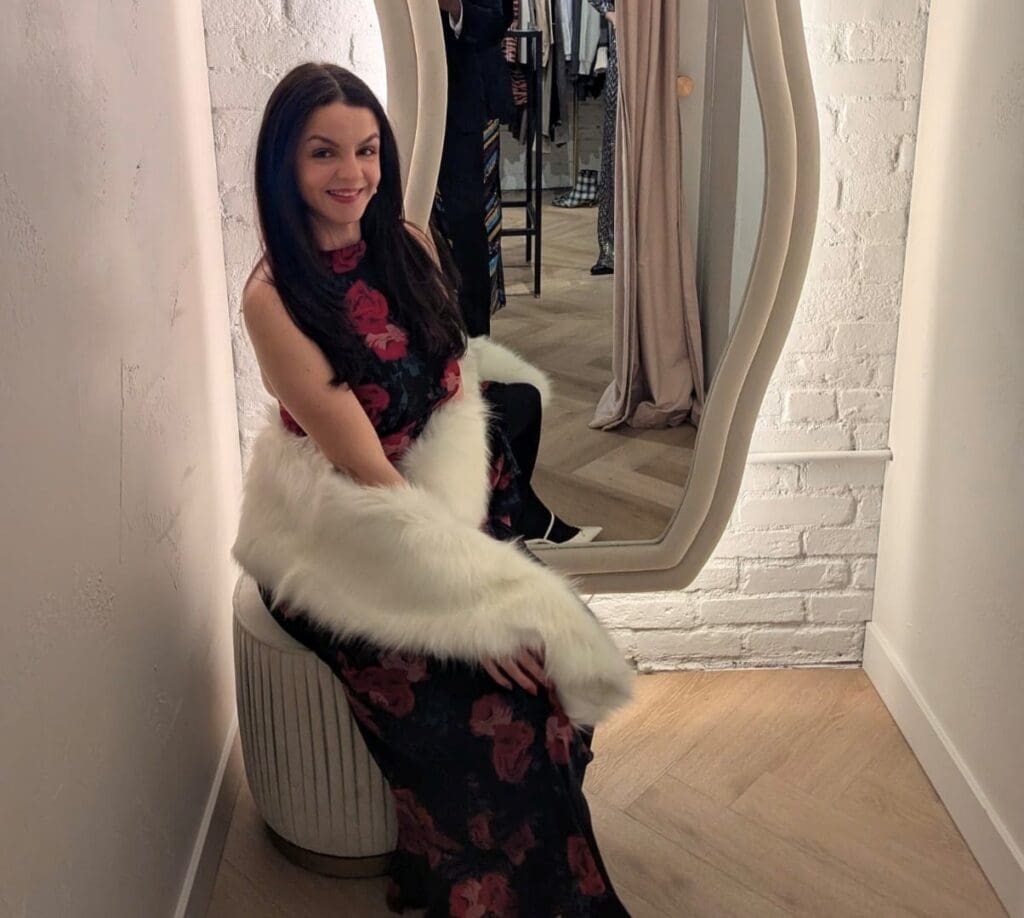
Ashley Rose Murphy
You’ve lived your entire life with HIV in a world that still struggles to speak about it openly. How have the narrative and people’s reactions changed from your childhood to now—and what hasn’t changed at all?
As a person who was born with HIV, I have seen the conversation around HIV take many different forms in my 27 years. I would like to think we are now having more productive conversations around HIV, especially with youth, which is not something I experienced growing up. There was a lot of stigma present in the narrative that HIV was this shameful topic to talk about. Thankfully, a lot more people are open minded, however I still see the lack of education and understanding of those living with HIV. Being on treatment is lifesaving, and the fact that 25% of people living with HIV are not on treatment is a frightening statistic. It’s a reminder that we need to do better in the way we share information.
Growing up HIV-positive comes with emotional, social, and medical challenges many can’t imagine. What’s a misconception about being born with HIV that you wish people would finally let go of?
Growing up HIV positive had its benefits and of course its challenges. I knew exactly who I was as a kid, but at the same time the negative comments of others did weigh on me at times. One misconception I am no stranger to is when people find out my HIV status and ask if I’m allowed to share food and drinks with others. That’s a common misconception I have heard and when I do, I make sure to debunk that right away. You cannot get HIV through sharing drinks and food, hugging or kissing. This goes to show the lack of education in our society around STIs, especially HIV. I have heard the jokes unfortunately, and it seems to me like HIV is seen as this “big bad” that no one wants to talk about. HIV does not discriminate, HIV can affect any one of us in this world and I wish people were more empathetic to the fact that we’re all humans, HIV positive or not.
When you think about the weight of stigma across your lifetime, is there a moment when it shaped your sense of self—and another moment when you redefined who you were, outside of HIV?
I found out about my HIV status at 7 years old and when my parents told me, they told me to not share this news with anyone, in fear I would get rejected by my peers. At 7 years old you don’t understand what any of this means, so I took it upon myself to share my story with my friends at school and even random strangers sometimes. I did not want to hide who I was.
A moment that shaped me was when I was 16 years old, and it was the first time I told my story in front of a large audience. I shared with 16,000 young people at once that I was born with HIV. I was absolutely terrified going into my speech, but when I spoke, I was met was dead silence from the crowd. That was until I finished and the crowd erupted with applause, and it was at that moment I truly felt like I could do anything, despite the fact I had faced so many challenges growing up with HIV. In that moment, it all felt worth it, and getting to hug my mom right after that speech was the cherry on top of that experience.
This year’s campaign is powerful and deeply personal. What part of your story was hardest to share publicly, and what made you decide that speaking out was necessary right now?
Something I don’t share or others don’t see often, is the constant grief I carry about certain parts of my story. I would say the hardest part about sharing my life and my HIV status is also keeping my birth mother’s memory alive and making sure I make her proud. I was adopted as a baby, but thanks to my adopted parents who raised me, they made the conscious effort to make sure I always had a relationship with my birth family. I have kept in touch with my birth family my whole life. I still speak with my birth dad and have a good relationship with him, but my birth mother passed away when I was 12 years old. I contracted HIV at birth from my birth mother who had a troubled past, but I never judged her for it. Learning about her journey and knowing that while I battled my HIV journey, she got inspired to take care of her own health. It’s a grief I carry, but it’s necessary I show the humanity to HIV, a side that tends to get disregarded. I wear my heart on my sleeve, and I am an open book. I want others to see who I am.
The new data shows younger generations are still largely uninformed about HIV realities. What conversations do we need to have with teens, students, and young adults that we’re not having—and why is silence so dangerous?
In my day-to-day when I am not doing advocacy, I have a job where I work with university students and I see just how important it is we educate our youth. I am pretty open with my students and occasionally they ask me questions pertaining to my HIV and I actually find it quite refreshing. They will tell me when they’re studying HIV in class, and they get excited about it. Young people need to know the facts in order to protect themselves and others, and if they don’t, it can be very dangerous. I truly believe that knowledge is power and in this day and age where teens and university students are INCREDIBLY tapped into social media, there is no excuse why we should not be teaching our children the importance of learning about STIs and the stigma that is associated with it. We know stigma is a silent killer and the reason those with HIV prefer not to speak up. No one should live in fear to be themselves.
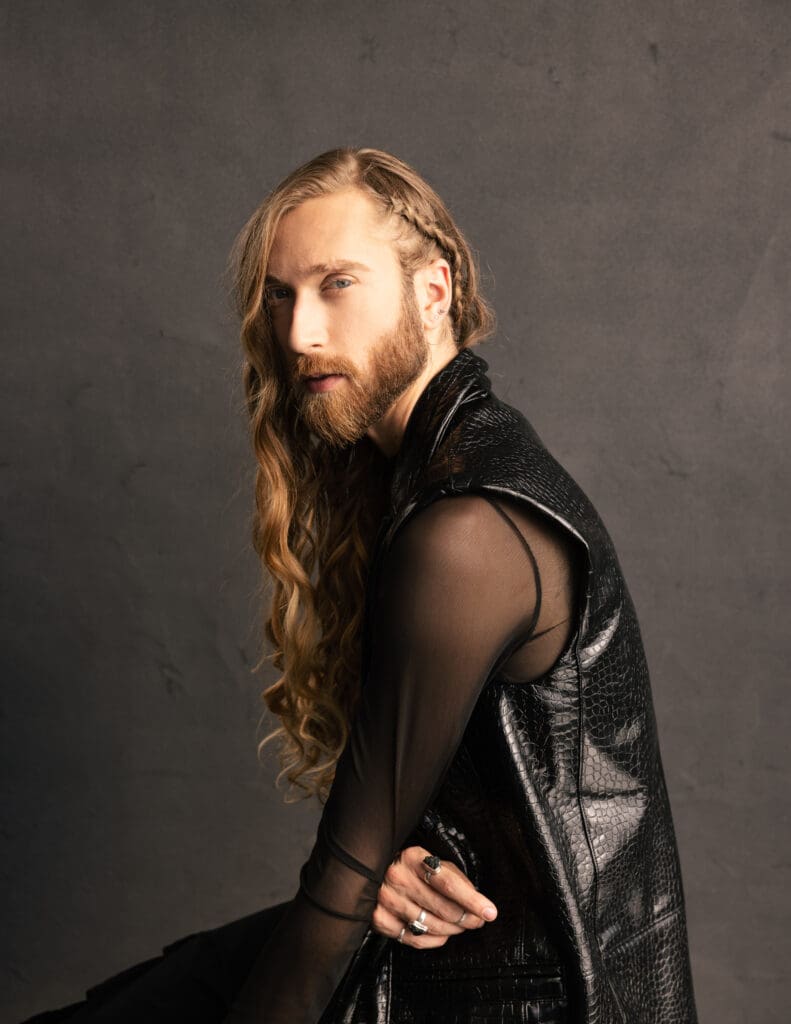
Myles Sexton
You’ve reclaimed your diagnosis with incredible visibility and style. What was the turning point that shifted you from living quietly with HIV to living boldly—and publicly—with it?
I was two-years into being diagnosed and was still struggling accepting my HIV status, which made me realize how much internalized stigma and shame I still had inside myself around my status. I didn’t want to live under the weight of shame anymore. I filmed a YouTube video publicly coming out about my status as a way to try and free myself from shame and in turn become an advocate for people living with HIV.
Fashion has always been a tool for self-expression. How has your relationship with your body, beauty, and identity evolved since your diagnosis, and what role has fashion played in rewriting that narrative?
Fashion has always been my therapy and the method I use to help myself heal. When I style a great outfit for myself, I feels confident and empowered which has helped me a lot over the years to help me navigate some hard times when I didn’t feel that way on the inside. Fashion gave me grace and the armour I needed so I could do the internal work.
Canada’s new data shows most people don’t even know HIV rates are rising. From your vantage point in the media and fashion worlds, what is still holding society back from confronting HIV with honesty and urgency?
People don’t concern themselves with what they believe does not impact them and unfortunately when it comes to HIV most people don’t realize that it’s no longer impacting men who have sex with men the way it did in the 80s. Now heterosexual people are the largest demographic of newly diagnosed people. For so long people have been taught about sexual health through the lens of shame and fear, so it’s easier for them to avoid getting tested properly then to actually educate themselves and this also goes for medical professionals who are only testing their patients who fit a stereotype when it comes to HIV.
You’ve talked about shame and stigma being more damaging than the virus itself. What’s one moment—big or small—when you felt that stigma most sharply, and how did you push back against it?
One example was when I modelled for one of Canada’s primary consumer health retailers and people could talk about that I was HIV positive and that someone like me should not be representing a major brand like that. The amount of uneducated stigma I experienced was outrageous. Unfortunately, in that moment, I needed to protect my peace and couldn’t take it upon myself to try and educate these people. In many ways, this campaign with CANFAR and Gilead Sciences Canada was my way to reclaim my power and help educate others on what HIV looks like today.
If you could speak directly to someone newly diagnosed—someone terrified of what comes next—what truth do you wish they could absorb instantly, without the pain or fear that many go through?
That they will live a long, healthy life thanks to the medical science. All their feelings of being less than and that no one will ever love them could not be further from the truth. Despite being HIV positive, I have learned to love myself and still get married and start a life with someone! Everything you once dreamed of can still come true regardless of your status!
share:

Be the first to comment