
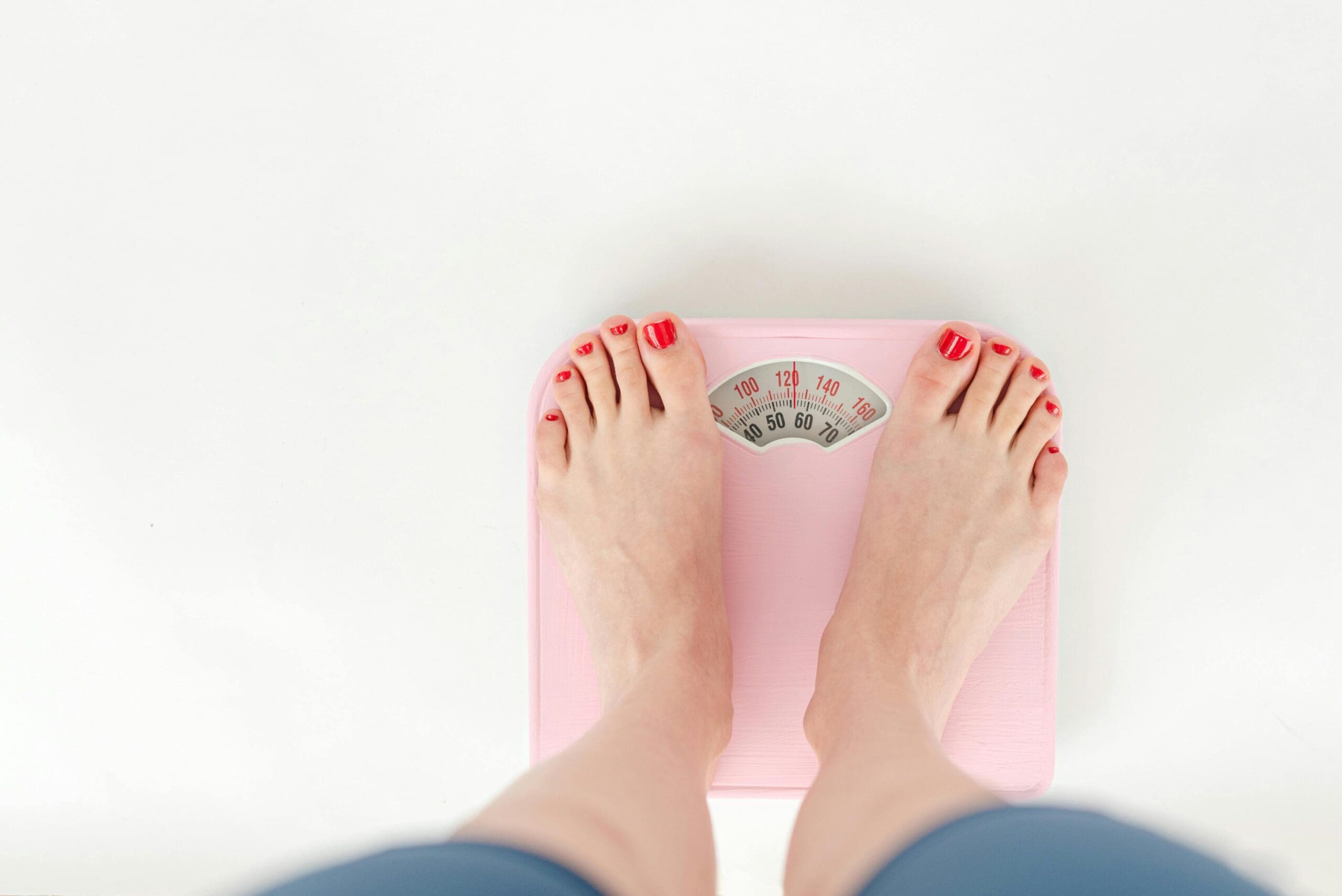
We’ve all seen the headlines. A female celebrity loses weight and suddenly her body becomes the story—analysed, dissected, praised one day and criticised the next. New research from Numan’s State of Obesity Report 2025 confirms what many women already feel in their bones: women’s bodies are still treated as public property—far more than men’s.
In fact, nearly 97 per cent of tabloid uses of the word “flaunt” in reference to weight loss apply to women, and 62 per cent of women say they feel negative about their body image most of the time. Even more troubling, over half (55 per cent) report feeling judged by a healthcare professional because of their weight—proof that stigma doesn’t stop at the newsstand.
To better understand how this plays out in pop culture, Numan analysed over 350,000 online and print articles about celebrities who have lost weight. The result? A stark gender divide in both how often weight is discussed—and how negatively it’s framed.
The Numbers Tell a Blunt Story
Across all coverage analysed:
- Articles about female celebrities’ weight loss were more likely to be negative than those about men
- Women’s weight was mentioned 2.5 times more often than men’s
- 11 per cent of all coverage about female celebrities referenced their weight, compared with just 4 per cent for men
- Stories about women’s weight generated over 30 per cent more engagement than those about men
In other words, women’s bodies aren’t just scrutinized more—they’re also more profitable as clickbait.
And tone matters. Nearly half of all coverage about women’s weight carried a negative sentiment, compared to 41 per cent for men. That gap may seem small on paper—but in a media ecosystem driven by repetition, it adds up fast.
It’s no wonder that 83 per cent of Brits believe the media sets unattainable body standards for women, and 43 per cent of women say media portrayals of weight have directly harmed their body image.
When Achievement Gets Replaced by Appearance
The study also looked at individual celebrities—and the findings are uncomfortable.
One of the UK’s most beloved TV personalities saw 5 per cent of her entire media coverage focus on her weight, with nearly half of that coverage framed negatively. Another Oscar-winning actress had over half of her weight-related coverage skew negative. For a major comedian, 10 per cent of all her press references her size, with descriptors that reduce her to a body type rather than celebrating her career.
And then there’s the global pop star whose name now accounts for over a third of all “weight loss” mentions in the dataset. Of more than 41,000 articles written about her, 18 per cent referenced her weight, and 40 per cent carried a negative tone—a volume of attention that dwarfs the coverage of nearly every man in the same analysis.
By contrast, male celebrities who lost weight were far less likely to be reduced to their bodies. When weight was mentioned, it was often framed as a “fitness journey,” “lifestyle change,” or “health transformation”—not a spectacle.
Even men with massive media presence saw only 5–7 per cent of their coverage reference weight, and much of it landed as positive or neutral. The obsession simply isn’t symmetrical.
Why This Matters Beyond Celebrity Culture
Zoe Griffiths, VP of Behavioural Medicine at Numan, puts it plainly: “The data is clear—women, and female celebrities in particular, are subject to far greater scrutiny in the media over their bodies than men. While men’s weight changes are often framed positively as lifestyle improvements, coverage of women’s weight loss is disproportionately negative. Nearly half of all articles about women’s weight carry a critical tone.”
She adds: “This reflects a broader issue in society, where women are often judged on appearance rather than accomplishments, values or personality. For female celebrities, the pressure is even more intense. They’re navigating unrealistic expectations and relentless public commentary.”
And that pressure doesn’t stay on red carpets. It leaks into clinics, workplaces, friendships—and mirrors back to everyday women trying to exist in their own bodies without apology: “We need to celebrate healthier choices and accomplishments for everyone, regardless of sex, and shift the focus away from looks alone. Everyone deserves to feel proud of their health without being publicly monitored or criticized.”
The Bottom Line
This isn’t just about celebrities. It’s about the cultural permission structure we’ve built—one that still rewards tearing women down under the guise of “coverage,” while applauding men for the same physical changes.
Until women’s bodies stop being treated as narratives before their talents, the double standard will keep shaping how worth is measured—both on screen and off. —Vita Daily
share:

December 10th, 2025 at 12:15 am
Thanks for this usefull article, waiting for this article like this again.
December 10th, 2025 at 9:20 am
The audience develops deeper emotional investment, allowing the story to feel more meaningful and unforgettable poison names, and this applies not only to heroes but also to villains, mentors, side characters, mythical creatures, kingdoms, guilds, clans, species, and even magical items, because every element in a story has an identity that deserves recognition.
December 29th, 2025 at 8:14 am
Alvin Kamara names are perfect for fans who want their team identity to feel bold, creative, and unforgettable. Known for his smooth moves, quick vision, and explosive playmaking, Kamara inspires names that sound confident and energetic. Whether you prefer something fun, clever, or powerful, his name fits naturally into many creative styles. A Kamara-inspired name adds personality and excitement to your team while showing true appreciation for elite talent.
December 31st, 2025 at 1:09 am
Leg puns are a clever and lighthearted way to add humor to everyday conversations, jokes, or creative content. They often play on words related to legs, movement, or walking, making them easy to understand and fun to share. Because leg puns are simple and relatable, they work well in casual writing, social media posts, and playful blog content.
March 30th, 2026 at 2:38 am
Japanese silicone dolls are admired for their lifelike design, realistic textures, and exceptional flexibility. Premium craftsmanship allows for detailed facial features and natural movements. For those interested in exploring available models, you can find guides and options right here to help select the perfect doll that matches your preferences. These dolls offer enhanced comfort and aesthetic appeal, making them stand out from typical alternatives. Quality materials combined with careful attention to details ensure longevity and enjoyment. Owning a Japanese silicone doll adds both elegance and satisfaction to the collection while offering a realistic, immersive experience.
April 29th, 2026 at 9:19 am
This is such a vital read. The data doesn’t lie—women’s bodies are treated like public headlines, while men’s weight changes get framed as “fitness journeys.” The fact that 62% of women feel negative about their body image most of the time tells you this isn’t just celebrity gossip; it’s a quiet daily weight millions carry.
And that’s part of why I’ve thought about this before in a different context: a realistic love doll isn’t for everyone, but what strikes me is how she never gets judged for her body. No headlines, no “flaunting” analysis, no double standard about weight or age or knees or chests. She just exists—and you can dress her, talk to her, or simply leave her be. In a world that constantly monitors, critiques, and monetizes women’s appearances, there’s something quietly peaceful about a presence that asks for nothing but gives you the space to stop performing. That’s not an escape from reality. It’s a break from being a story.