
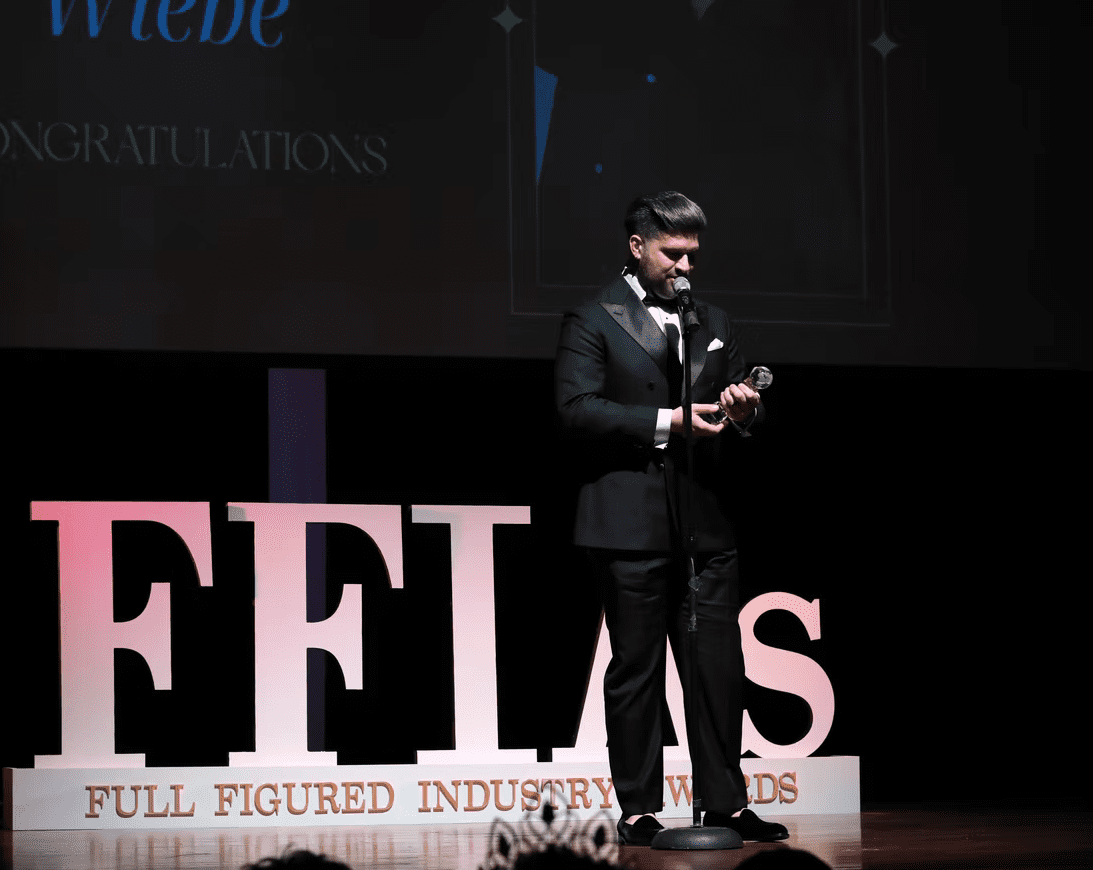
A major industry for Vancouver content creator Jon Wiebe at November’s Full Figured Industry Awards win is shining a spotlight on big and tall representation like never before. In this exclusive Q&A, Jon talks about visibility, self-belief, and why fashion finally has room for every body. —Noa Nichol
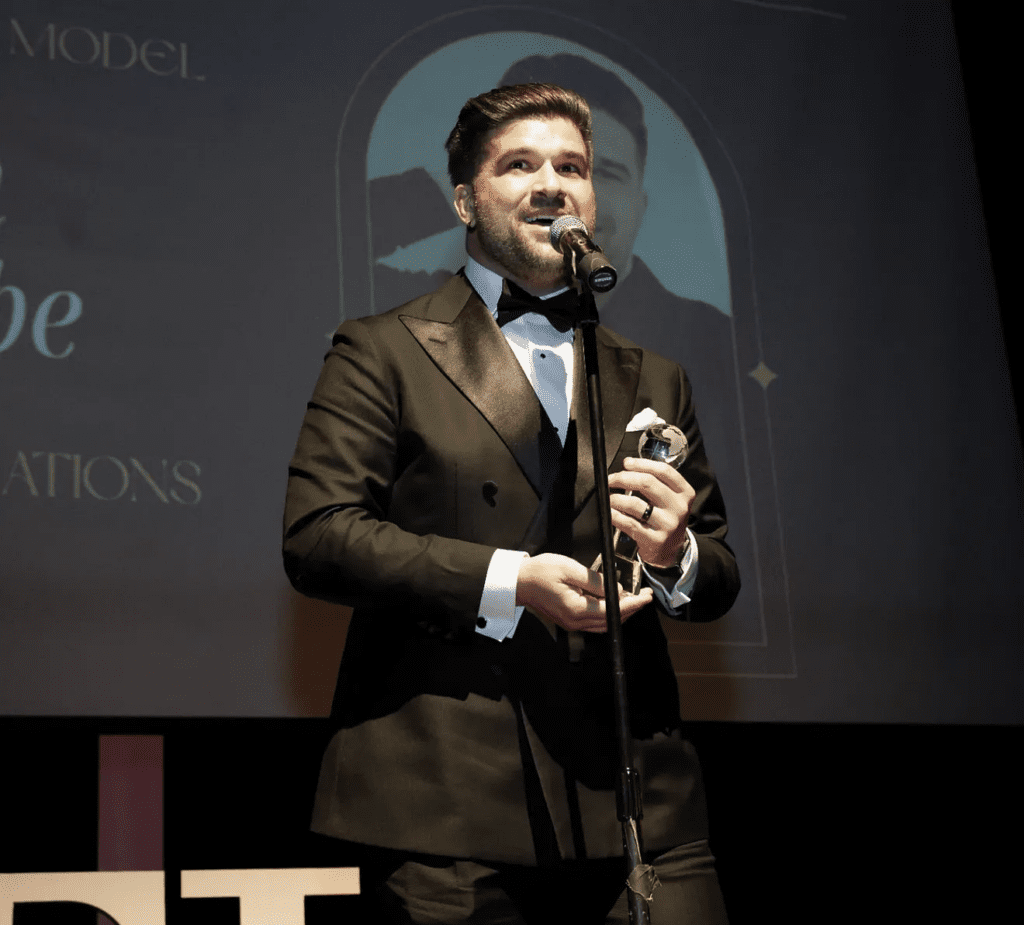
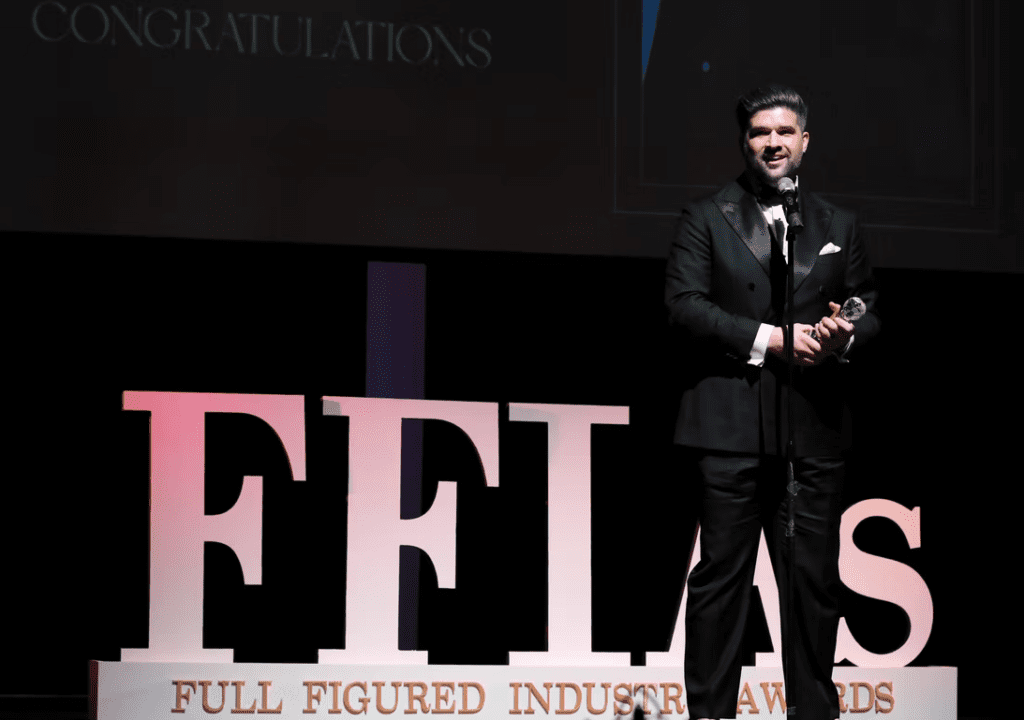
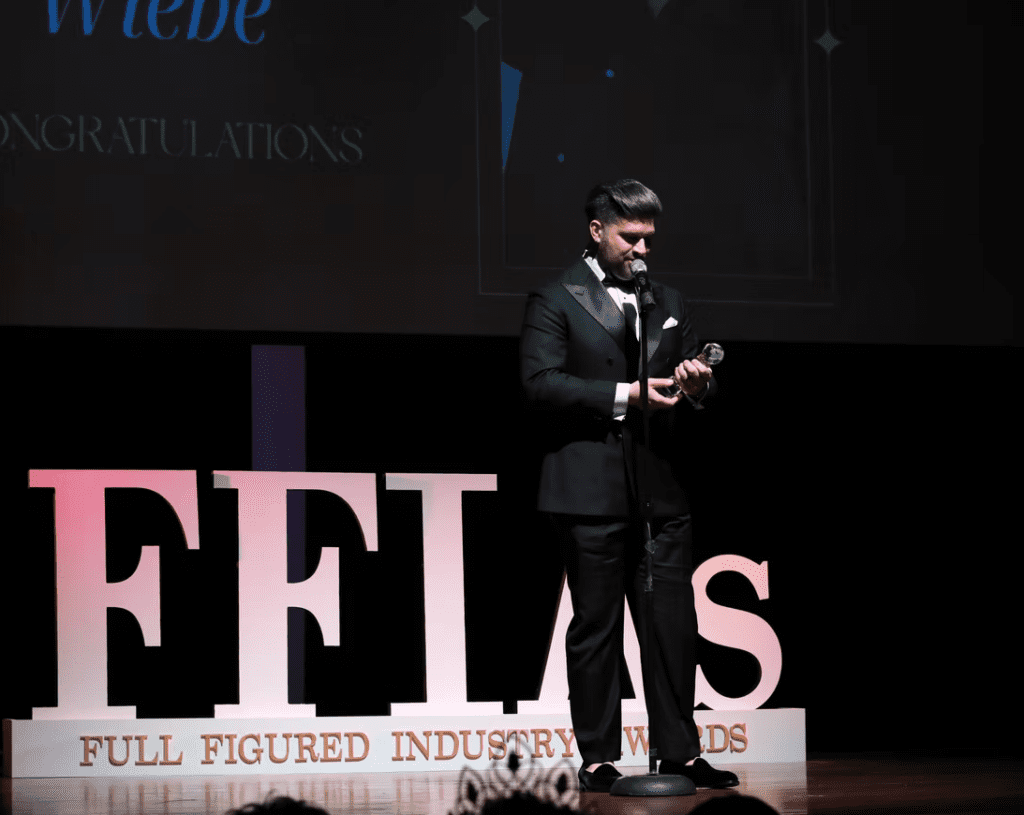
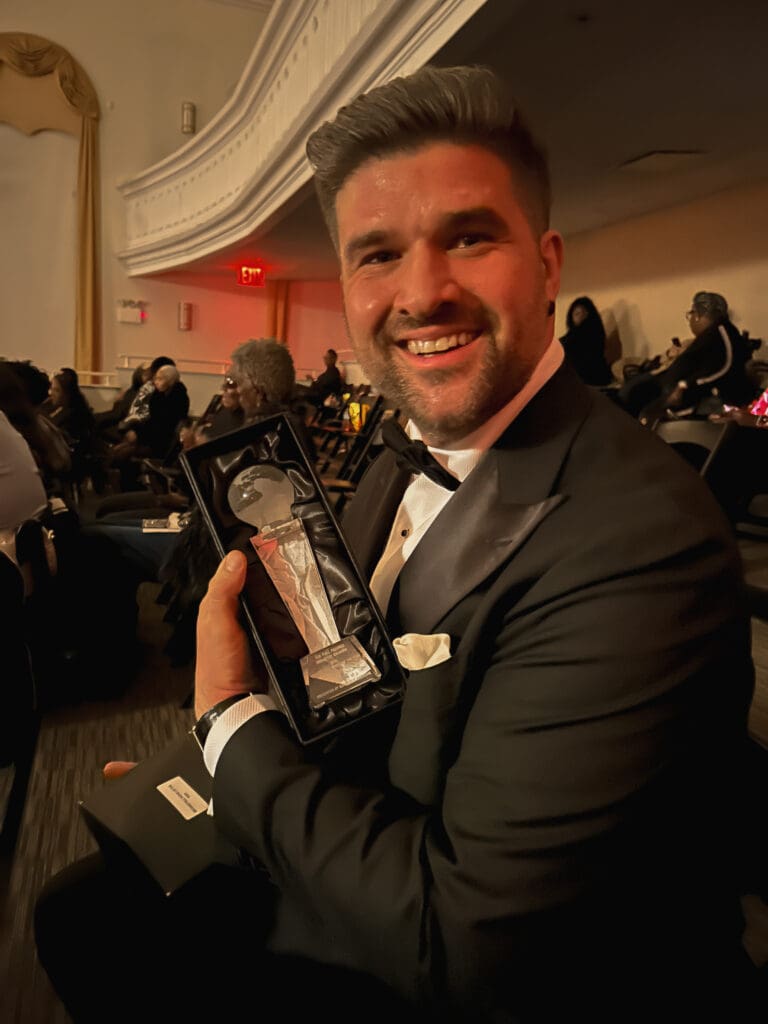
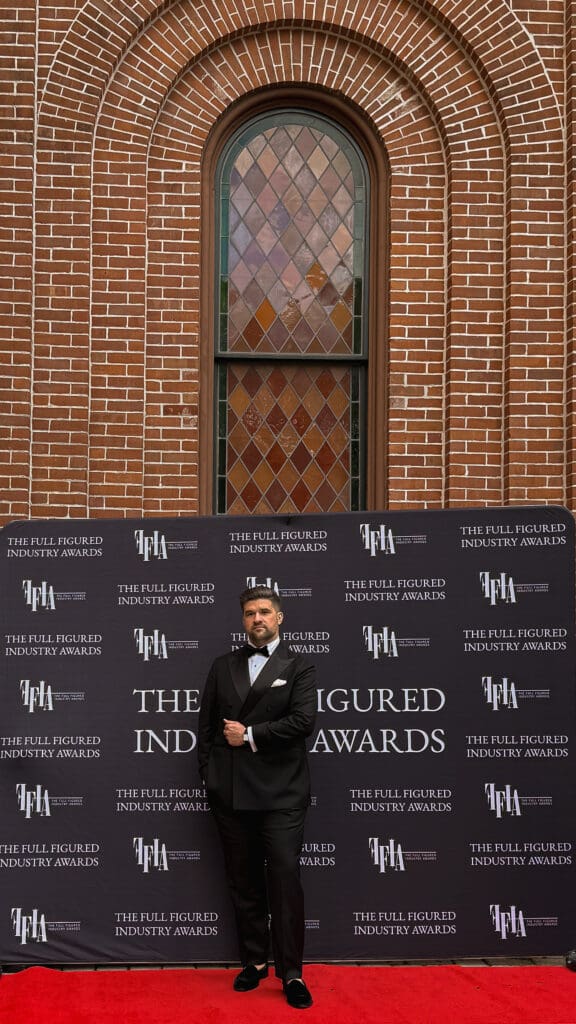
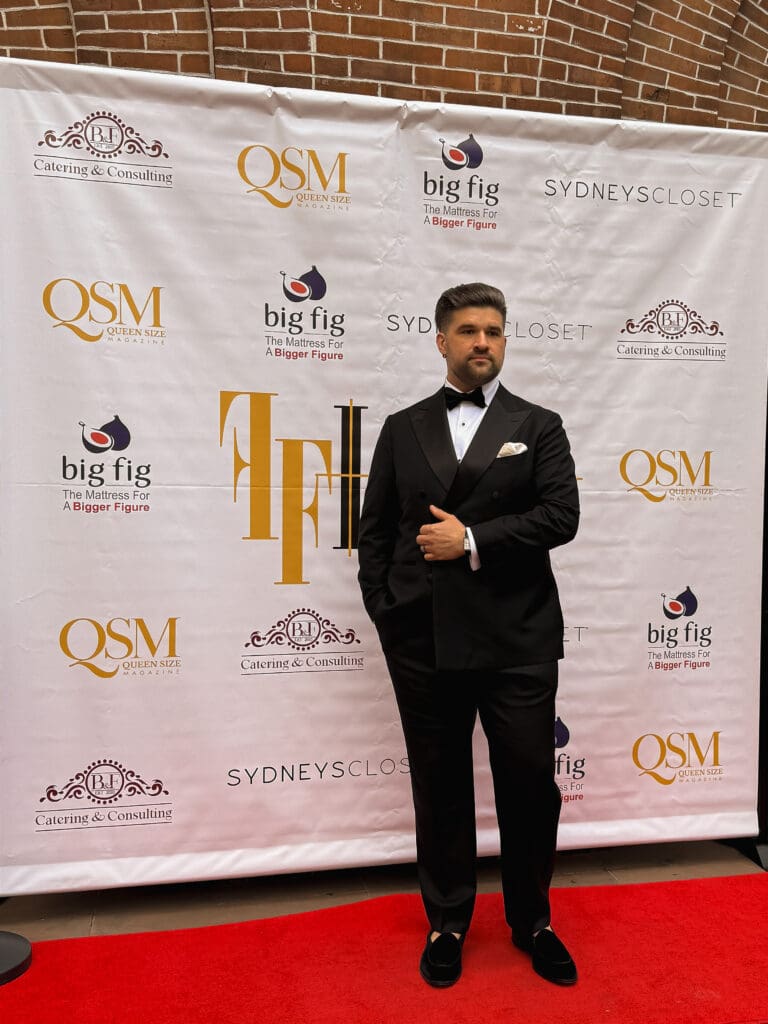
First off, congratulations on your win! How did it feel to hear your name called at the Full Figured Industry Awards—and what does this recognition mean to you personally after years of advocating for size inclusivity in men’s fashion?
Thank you so much. It was truly surreal hearing my name called as the winner. Even being nominated felt like such an honour—I genuinely didn’t expect to win. This recognition feels like validation for the years of work I’ve put in and confirms that I’m moving in the right direction.
In your acceptance speech, you mentioned that being called “Big Jon” once crushed you, but now it’s a title of pride. Can you talk about that transformation—how you turned something painful into a point of empowerment?
This award really was a full-circle healing moment for me. I was able to take something that once felt painful and turn it into a badge of honour. A big part of that shift has simply come with getting older—the older I get, the less power I give to what other people think. It didn’t happen overnight. It’s been a slow journey over decades. Connecting online with other guys in the industry was also instrumental. I often borrowed their confidence before I truly had my own.
The Road to Dapper has become a trusted space for XL and Big & Tall men looking for confidence and style advice. What inspired you to start it, and how has it evolved over time?
I initially started The Road to Dapper as a way to share my personal style and join the menswear community online. About three years ago, I made a conscious shift to start talking openly about my size—my struggles, challenges, and wins as a bigger guy navigating fashion. I became what I wished I had seen when I was younger.
There’s often a lack of representation for bigger bodies in mainstream menswear. What are some of the biggest misconceptions about Big & Tall fashion—and how are you helping change that narrative?
A major misconception is that bigger guys don’t care about fashion or just want to wear sweats and baggy T-shirts. That couldn’t be further from the truth. My DMs are filled with guys asking where to shop and how certain pieces will look on a bigger body. When people see a big guy dressed well and feeling confident, it challenges the idea that fashion is only for certain sizes.
Another misconception is that the Big & Tall market is niche or small, when studies actually show it represents a much larger portion of the population than people think.
As both a model and a content creator, you’ve built a following through authenticity. What’s your philosophy on personal style, and how do you help others discover confidence through clothing?
I’m a big believer in trial and error. I’ve caught myself in the past saying, “I could never pull that off,” about certain looks. But you don’t truly know what works until you try. Style is a way to express who you are—or who you want to be. I always encourage guys to wear what they want and what makes them feel confident. When you feel good in what you’re wearing, that confidence spills into the rest of your life.
This award highlights both inclusivity and a growing shift in fashion. How have you seen the industry evolve when it comes to casting, sizing, and representation for men of all body types?
There’s still a long way to go, but there has been steady progress. It’s always exciting to browse a retailer’s site and finally see men who aren’t sample sizes represented. Men’s size representation still lags behind women’s, though. You’ll see brands offer extended sizing for women, but in-store men’s sizing might stop at a 36. I’m hopeful that we’ll eventually reach the same level of inclusivity.
You’re based in Vancouver, but your message resonates worldwide. How has the Canadian fashion scene supported—or challenged—your mission?
There are definitely supportive pockets, but overall the Canadian fashion scene is still catching up. Many of the brands leading size inclusivity are based in the U.S. or Europe. That said, I’ve noticed that Canadian brands selling to a global market have started to be more inclusive. Brands that focus only on the Canadian market tend to be much further behind.
From your experience in front of the camera, what advice would you give aspiring Big & Tall models hoping to enter an industry that’s still learning to embrace them?
We need you. The industry needs more of us taking up space. The biggest piece of advice I can give is to be unapologetically yourself. Own who you are. There’s room for everyone—but you also need to be prepared for rejection. There will be a lot of “no’s,” and you can’t let that stop you.
Confidence is clearly at the heart of your work. Was there a moment when you realized your impact was truly helping others see themselves differently?
It hasn’t been one single moment—it’s been dozens. The biggest realization comes from DMs from guys who tried something new, stopped hiding behind oversized clothes, or walked into a store with more confidence than they had before. Those messages constantly remind me that what I’m doing goes far beyond outfits.
Looking ahead, what’s next for The Road to Dapper now that you’ve reached this milestone?
I’m using this momentum to keep building. I want to continue working with brands that are genuinely serious about inclusivity and push for better sizing in mainstream menswear. This win isn’t the finish line—it feels like the start of the next lap. I’d love to walk in a runway show one day and be featured in an in-store print or poster campaign. There are a few brands on my vision board, including lululemon, who shoots a lot locally.
share:

June 13th, 2026 at 5:18 am
I think this shift represents an important step forward for men’s fashion. For a long time, many style conversations seemed focused on a narrow image of what men should look like. Today, there is much more recognition that good style can be achieved by anyone. While reading about this topic on https://happygentleman.com/, I appreciated the emphasis on finding clothing that fits well and reflects individual preferences. Fashion becomes more meaningful when it helps people feel comfortable and confident instead of trying to fit into unrealistic expectations. The idea that style has no size limit encourages creativity and reminds people that personal expression matters more than arbitrary rules.