
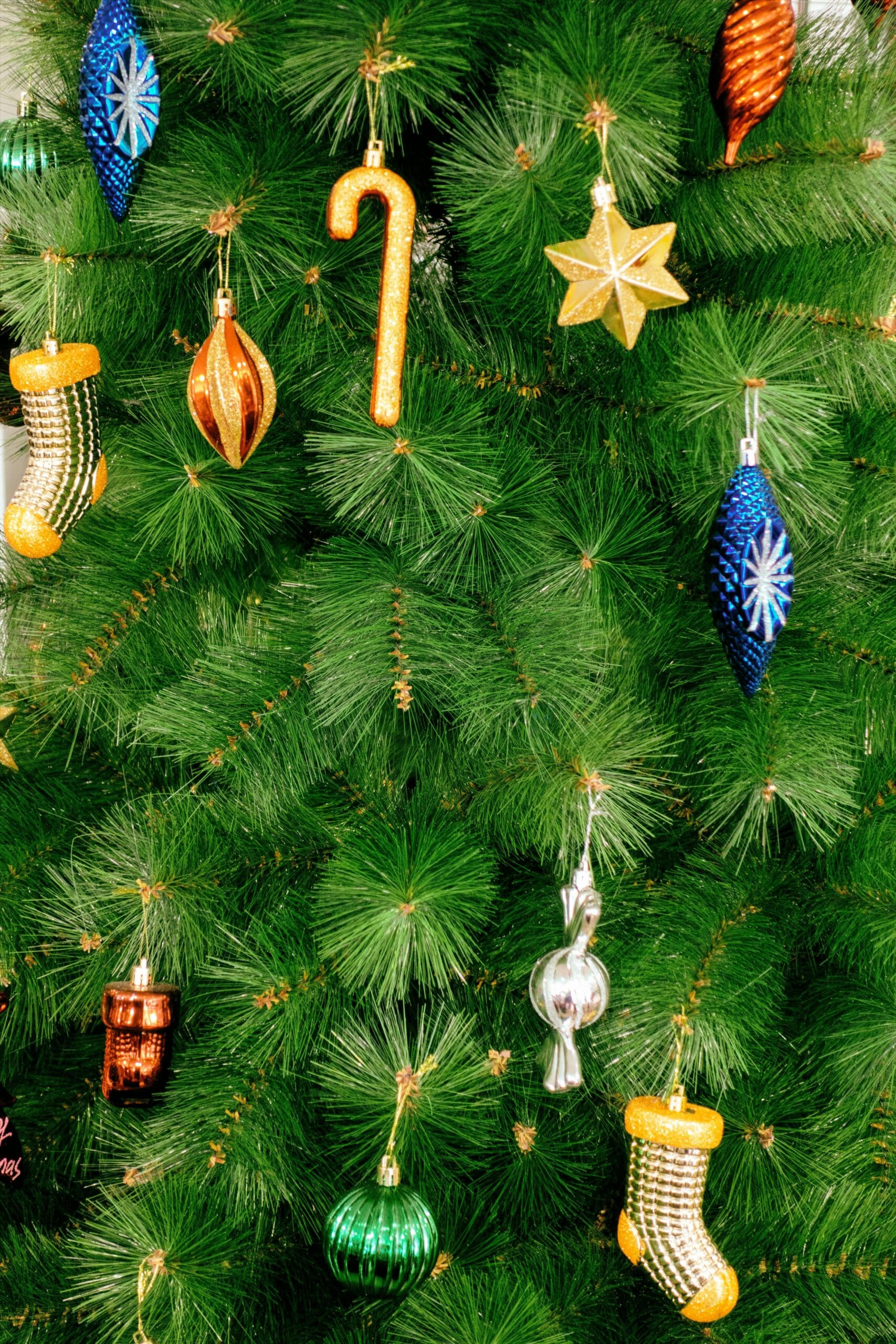
If you’ve found yourself Googling “do Christmas lights cause fires?” you’re not alone. Searches for the phrase have surged by more than 5,000% in the past month as homes across the country light up for the holidays. Festive décor may bring the magic, but experts warn that a few common mistakes can quickly turn Christmas cheer into a serious safety risk.
To help households stay safe, UK house clearance specialists Clear It Waste are sharing the biggest Christmas tree fire hazards—plus what to do with your tree once the season wraps.
The most common Christmas tree fire risks
Too close to heat sources
Real and artificial trees should be kept at least three feet away from fireplaces, radiators, heaters, and candles. Heat dries out real trees—making them highly flammable—and can cause artificial trees to melt or ignite.
Old or faulty lights
Frayed wires, cracked insulation, or outdated bulbs can spark easily. Avoid decorations that emit heat and always replace damaged or aging light strings rather than “making them work one more year.”
Overloaded sockets
The holidays are prime time for overloaded outlets. Use only one extension cord per socket, never exceed the rated load, and avoid running cords under rugs, where heat can build up and lead to melting or sparks.
Dusty décor
Dust buildup on artificial trees and decorations can increase flammability. Even flame-retardant materials aren’t fireproof when coated in debris—so give your tree a clean before decorating and again before storing.
Dehydrated real trees
A dry tree is a dangerous tree. Keep your stand filled with water and take the tree down shortly after the holidays, before it dries out and becomes a fire hazard.
How to safely dispose of your Christmas tree
Around eight million real Christmas trees are disposed of each year in the UK alone, with thousands ending up improperly dumped. Clear It Waste spokesperson Josh Clarke stresses that proper disposal matters—for both safety and sustainability.
Always remove all decorations before disposal, even small plastic hooks or tinsel, which can contaminate recycling. Check your local council for tree recycling programs, including drop-off points or curbside pickup.
For artificial trees, donation is a great option if the tree is still in good condition. If it’s beyond repair, take it to a household waste and recycling centre. Artificial trees made with fibre-optic lights should be treated as electronic waste (WEEE) to ensure wiring and LEDs are disposed of responsibly.
A little extra care goes a long way—keeping your home safe, your holidays bright, and your post-Christmas cleanup stress-free.
share:

Be the first to comment