

World-renowned Canadian artist Marian Bantjes has brought her intricate lettering, pattern-driven fine art, and global design perspective to an unexpected place—Lunenburg, Nova Scotia. In this Q&A, Marian shares why she chose the UNESCO World Heritage town for her newly opened Design Art Gallery, how the space blurs the lines between fine art and design, and what it means to create an international creative hub rooted in one of Canada’s most historic coastal communities. —Noa Nichol
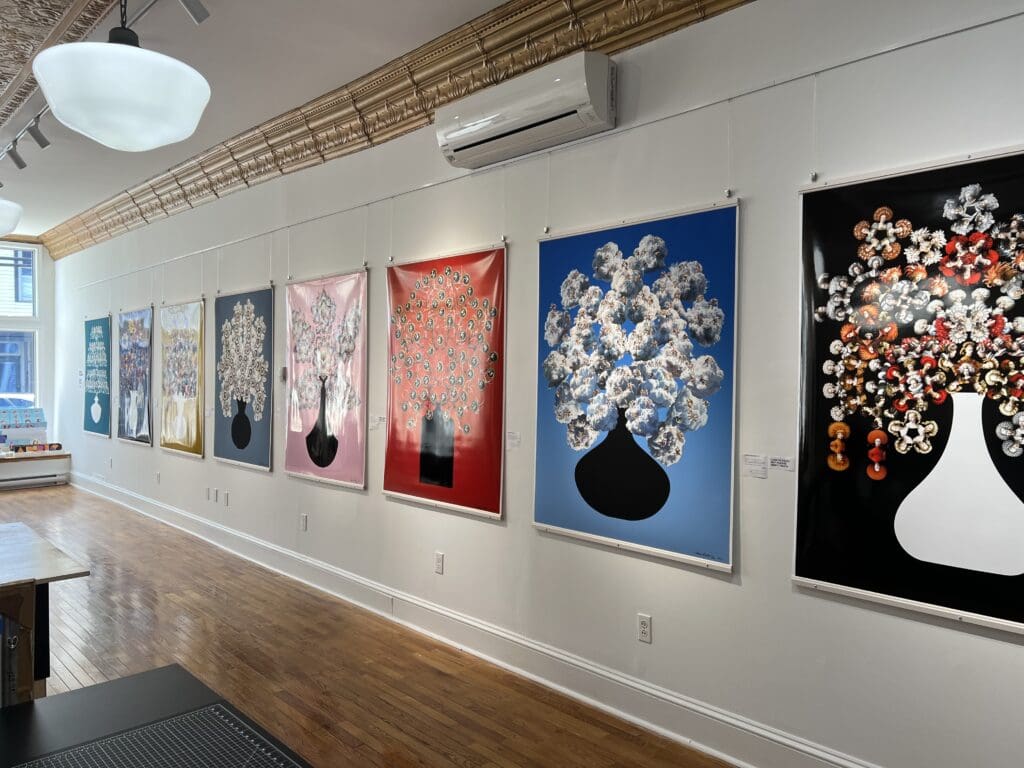
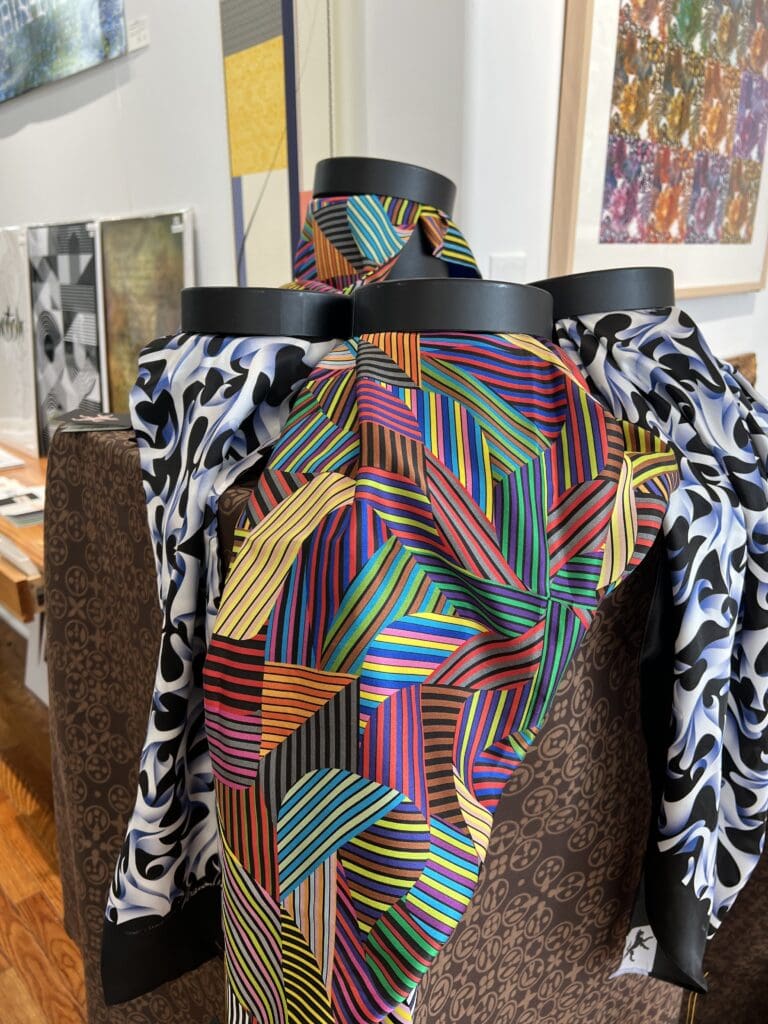
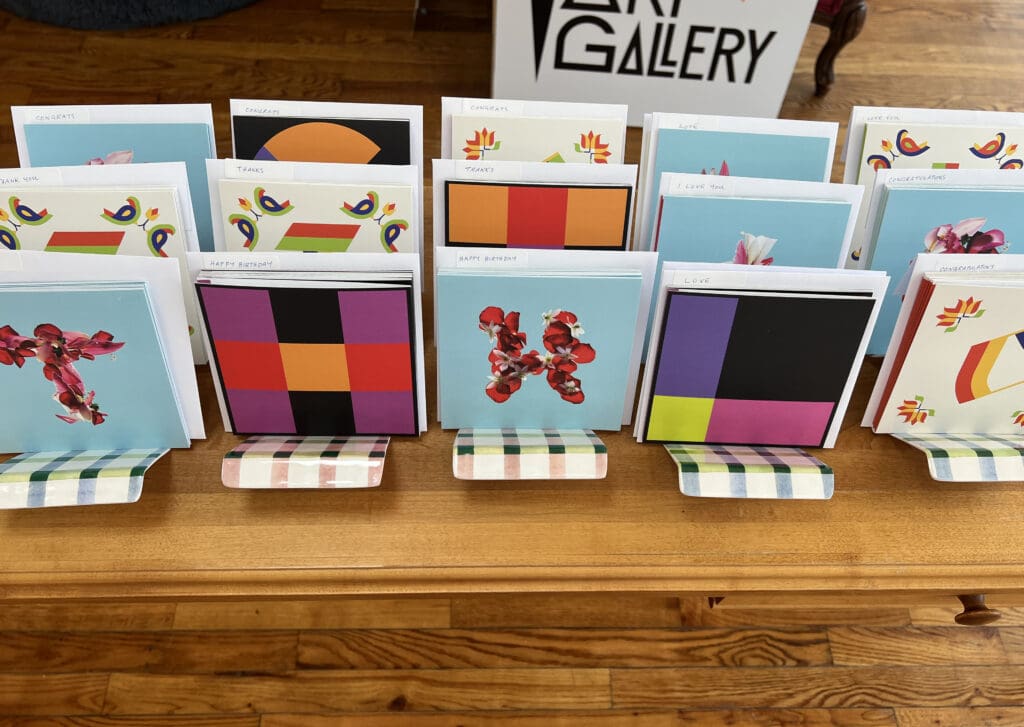
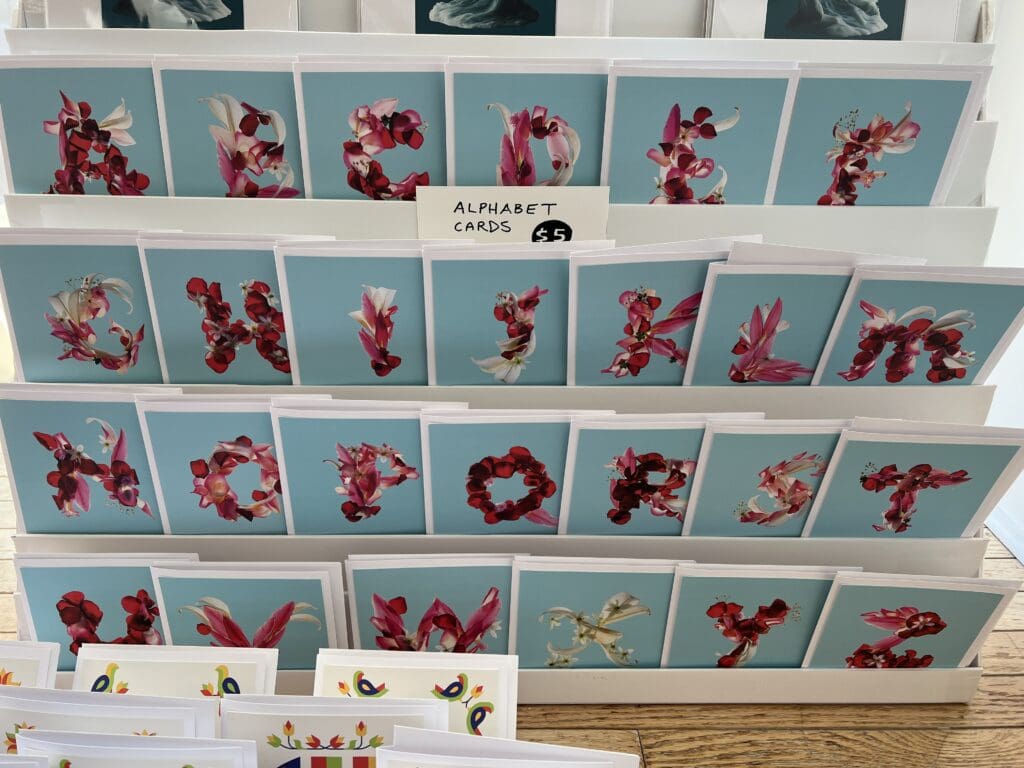
You’ve spent decades operating at the intersection of design and fine art—a line many creatives still feel pressured to choose between. Why has it been important for you to resist that divide, and how does Design Art Gallery embody that philosophy?
I fully believe that great visual graphic design is as good as Art as any fine art out there. While design that reaches that height is not common, it exists in both the past and present. The word “visual” is in there for a reason, because a huge amount of the process of graphic design is not visual (but extremely important in the process) and the results are often more practical (also very important) than visually artistic. I also know quite a few graphic designers who create fantastic fine art separate from or adjacent to their design practice. Very little of this work is appreciated as fine art, but I believe it should be. That’s what Design Art Gallery is meant to do—as well as to showcase my own work.
Lunenburg is a living, breathing UNESCO Heritage Site with a very specific visual language. What drew you to this particular town, and how did its history and architecture shape your vision for the gallery?
How I got here is more or less by accident, in that I moved to the area. But a friend (Jon) and I both had a desire for a storefront business (he’s a fine art giclée printer), and we found this gorgeous space, so we rented it together. Lunenburg’s specific visual language is, if anything, at odds with my gallery but I hope that entices people to check it out.
Your work is known for its intensity—ornament, pattern, meaning, and meticulous detail. How does scale and physical space change the way your work is experienced when it’s shown in a gallery versus printed or commissioned formats?
For a long time I have been working with materials that can only be fully appreciated in person, not in books or on the web. I like shiny materials, and things that change as you move around them. For my most recent work, the AI vase series, I make large-format prints that change as you get closer and closer to see the incredible detail in them. I’ve always liked making work that you don’t look at once, but again and again, noticing new things.
You’ve lived and worked across Canada, from Saskatoon to the West Coast and now Nova Scotia. How has this eastward move shifted your creative energy or sense of purpose at this stage of your career?
To be clear, I never actually worked in Saskatoon. The majority of my working life took place from Vancouver and then, for 23 years, Bowen Island off the coast of Vancouver. I’ve been in NovaScotia for a year now, but a place has never been very influential on my work, I would not say anything has changed in that regard. Although it’s so beautiful here, I can see why people paint endless landscape paintings.
The upcoming “Tolerance Project” brings together global designers interpreting a single word across languages and cultures. Why does this project feel particularly urgent—or resonant—right now?
It is always relevant, but especially with everything going on in the World it does seem particularly needed at the moment.
Your Valentine projects span 15 years and explore intimacy, mystery, and personal expression. What does it mean to share such private work publicly, and how do you think audiences will respond to its emotional vulnerability?
My Valentines project was always the most well-received of anything I’ve ever done—to the point that it began to overshadow the rest of my career. Very little of the work was deeply personal (except The Last Valentine, which was personal letters written to about 150 individuals to whom I had something to say), and most of it was designed with a kind of universality in mind. Certainly in the later years mystery was a large component, and some of them were very conceptual in their approach.
You’ve achieved international recognition, with your work held in major museum collections worldwide. What does success look like to you now, and how has that definition evolved over time?
I most definitely have had success in the sense that I had a very fortunate period in my life where I was paid to do exactly what I wanted to do and it was highly appreciated by both clients and others who saw it. I have boxes of fan mail (actual, paper fan mail), and two books to my name, one of which is a large monograph of my work. If I had died in 2013 after the monograph was published I would have died successful and happy. I would like to have a second run at that level of success, ideally in the art world, but I don’t know if that’s going to happen for me.
Design Art Gallery sits in a town known for tradition and preservation. How do you see contemporary design and experimental art coexisting with heritage—and what role can art play in keeping historic places culturally alive?
Well it happens in Europe all the time. Major and minor cities—and even towns have contemporary art and spaces mixed in with the traditional. A truly great place is somewhere you can visit over and over again and see new things each time. Purely “historical towns” are places you go to once and, having seen it, you cross it off your list. Furthermore people live in these places, and they deserve to have new and interesting things to do in their own home town.
After a career that includes teaching, commercial work, fine art, and now gallery ownership, what feels most vital to you creatively right now—and what are you still curious to explore?
Fine art, for sure. I have hundreds of ideas backed up, waiting to be executed. I’m keen to start painting in oils again, I have some sculptures I want to make, I’m working in stained glass, I want to re-hone my drawing skills, and all of this on a wide variety of subjects. The world is an endless source of inspiration: the problems are time and making a living.
share:

Be the first to comment