
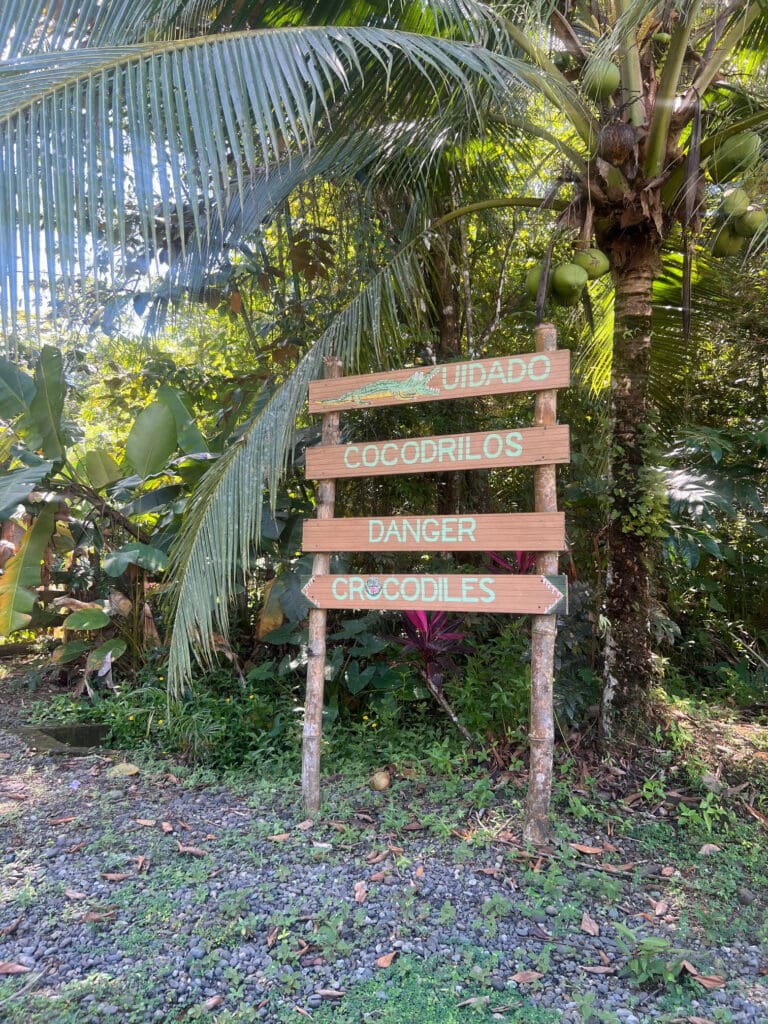
“There’s a 14-foot crocodile in the jungle river by the house you’re renting, but it shouldn’t bother you,” our groundskeeper Adrian says casually as we arrive for our annual stay in Costa Rica.
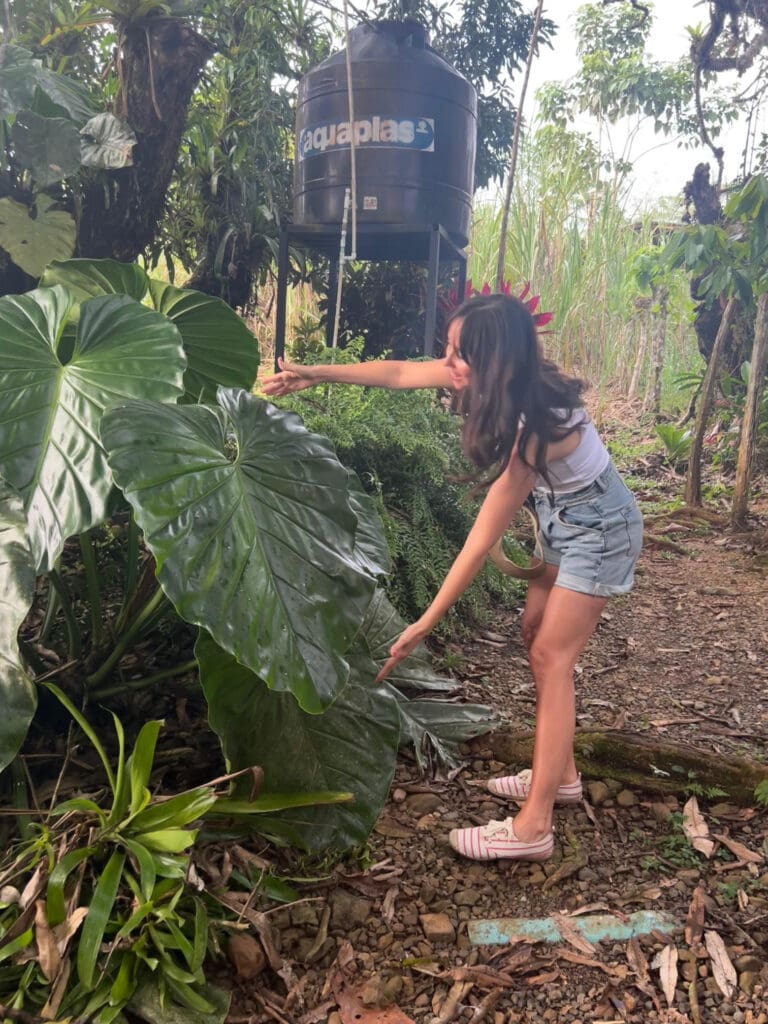
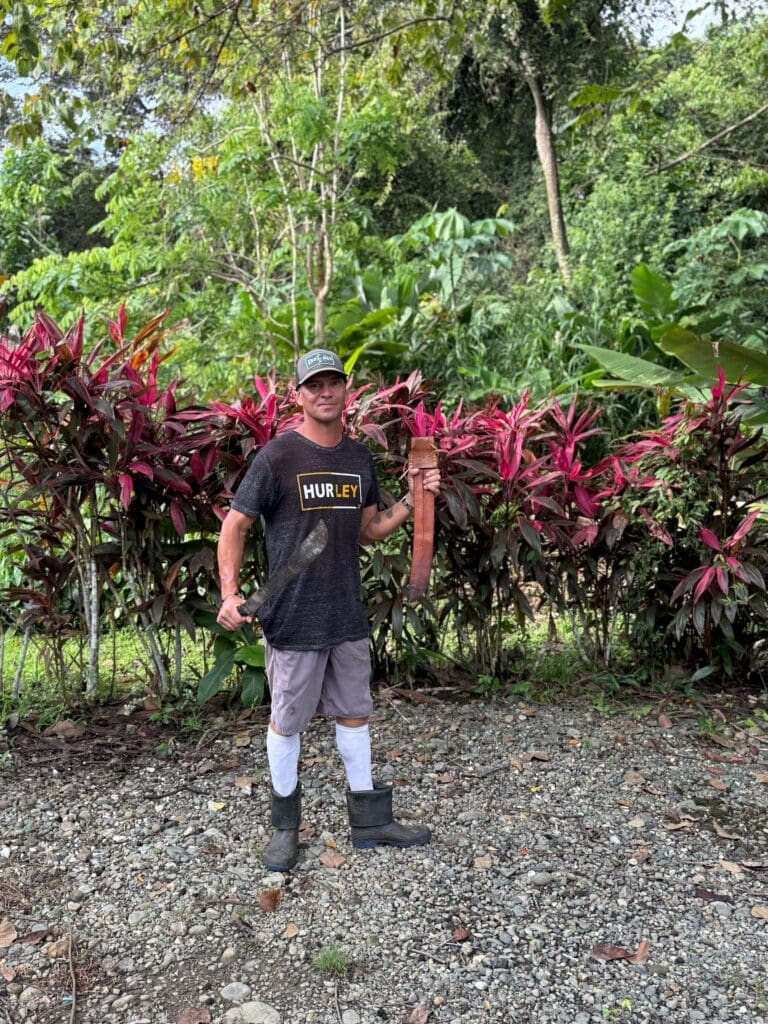
He’s a Tico (native Costa Rican man) sun-kissed and calm, with kind eyes, excellent English and tattoos that blur into old snake and spider bites winding up his arm—“an occupational hazard,” he explains with a shrug. This is Costa Rica beyond the glossy eco-resorts, where the wild isn’t curated and life can turn serious quickly. Plants sting. Insects bite. Animals demand awareness. Fight the jungle and you lose. Learn its rhythms and magic appears everywhere.
Adrian reminds us to stay alert, then returns to hacking back the jungle with his trusty machete so we can safely coexist.
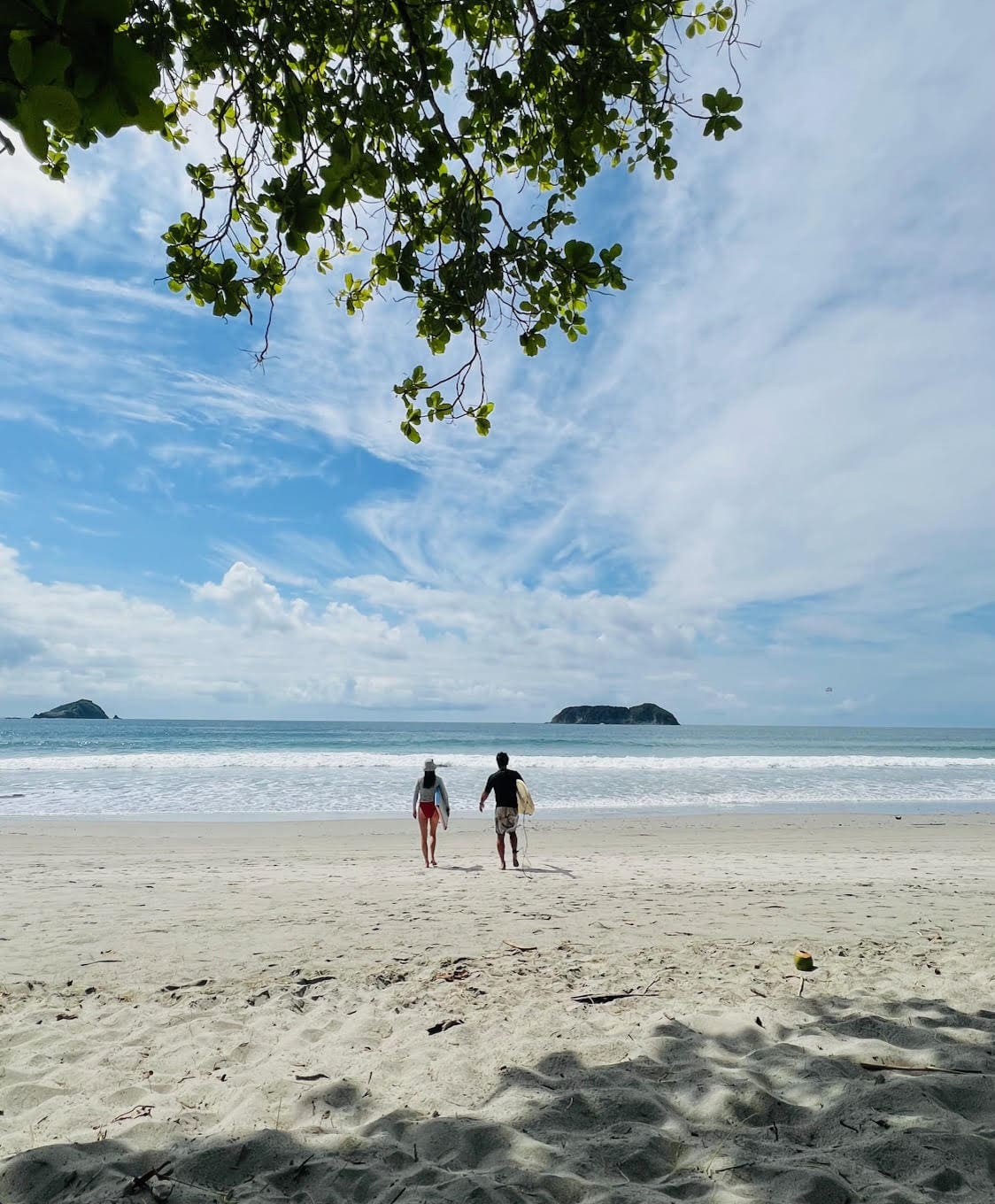
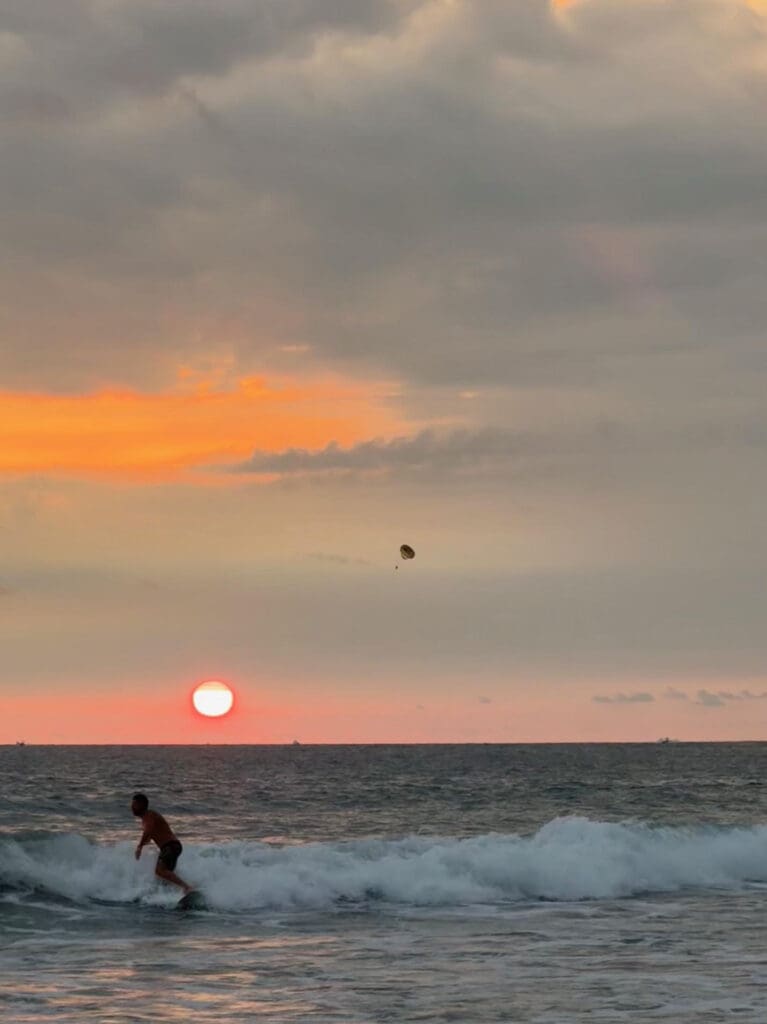
Every winter, our family of four disappears into Quepos, Puntarenas—a small Central American town that exists somewhere between hipster cool and willfully worn-down. At its centre sit two anchors of daily life: a massive soccer field and an equally imposing church, each treated with the same reverence. Nearby, a newly minted marina gleams with yachts and sports bars that briefly convinces you that you’ve landed in Florida. The area is charming, chaotic, and unapologetically real. We come to escape Canadian winters, ground ourselves in nature, and live—really live—and surf like locals.
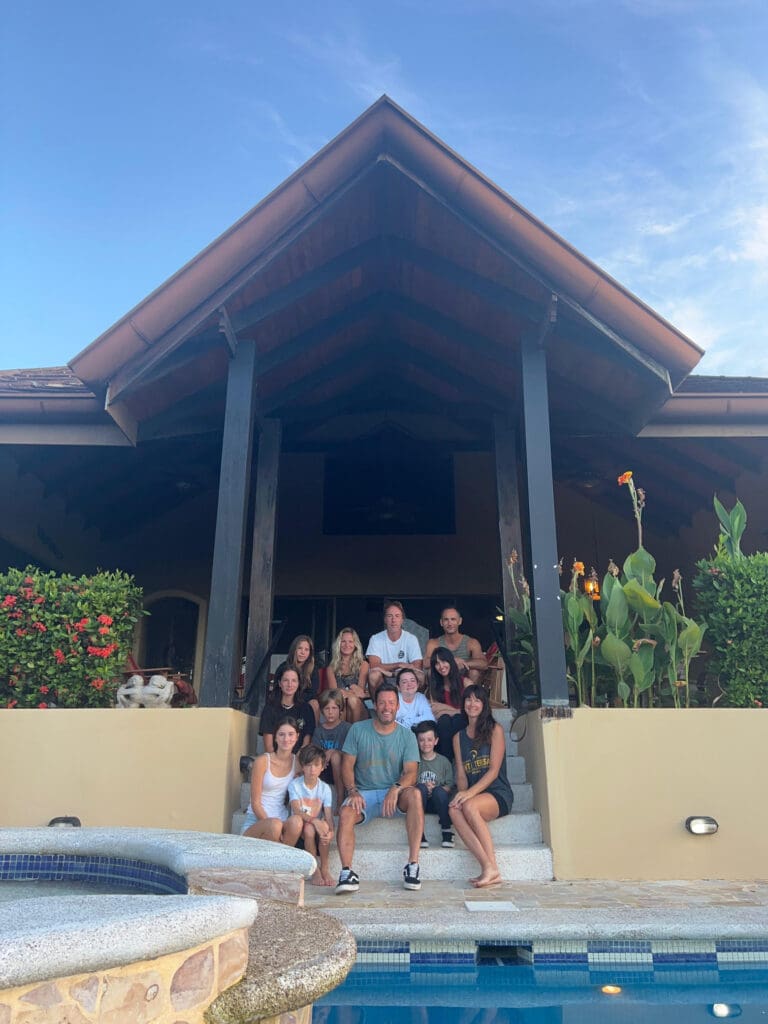
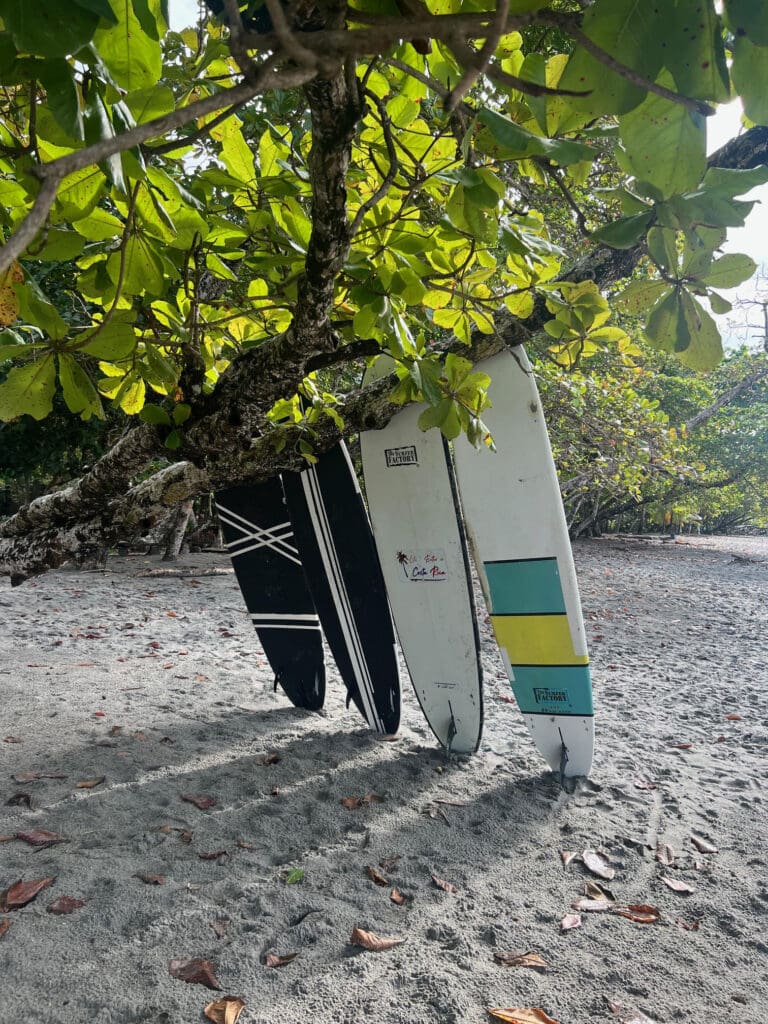
We’ve been “relocation-ing” (my word for a vacation that mirrors real life) since 2018. Sometimes it’s just us. More often, it’s a rotating cast of friends I’ve known since my teenage years, now grown with families of their own, kids in tow, surfboards stacked like carry-ons.
We call ourselves the Costa Crew. When you live side by side long enough, something beautiful happens friends become family. Core memories are made as you navigate new experiences together.
Our first trip to this exotic locale humbled us fast. No-see-um bites and ear infections requiring antibiotics. Dehydration-induced migraines from the intense heat. Lessons learned the hard way. Over the years there’s been a scorpion sting, trouble navigating unpaved terrain, ongoing wars with cleaner ants, tropical rains of Biblical proportions and a shed snakeskin so enormous it looked fake.
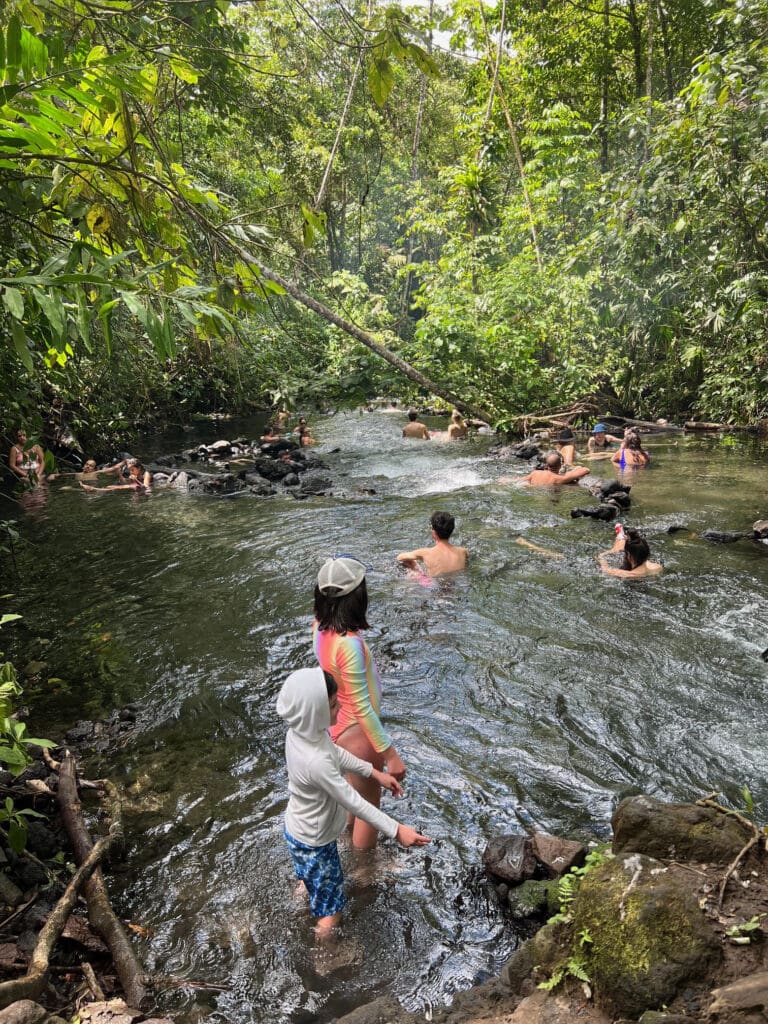
Once, hiking through dense foliage toward natural hot springs near the Arenal volcano, I slipped and instinctively braced myself against a tree—only to realize it was covered in spikes. One pierced my hand, and it throbbed for weeks. A reminder that this landscape isn’t decorative. It’s alive.
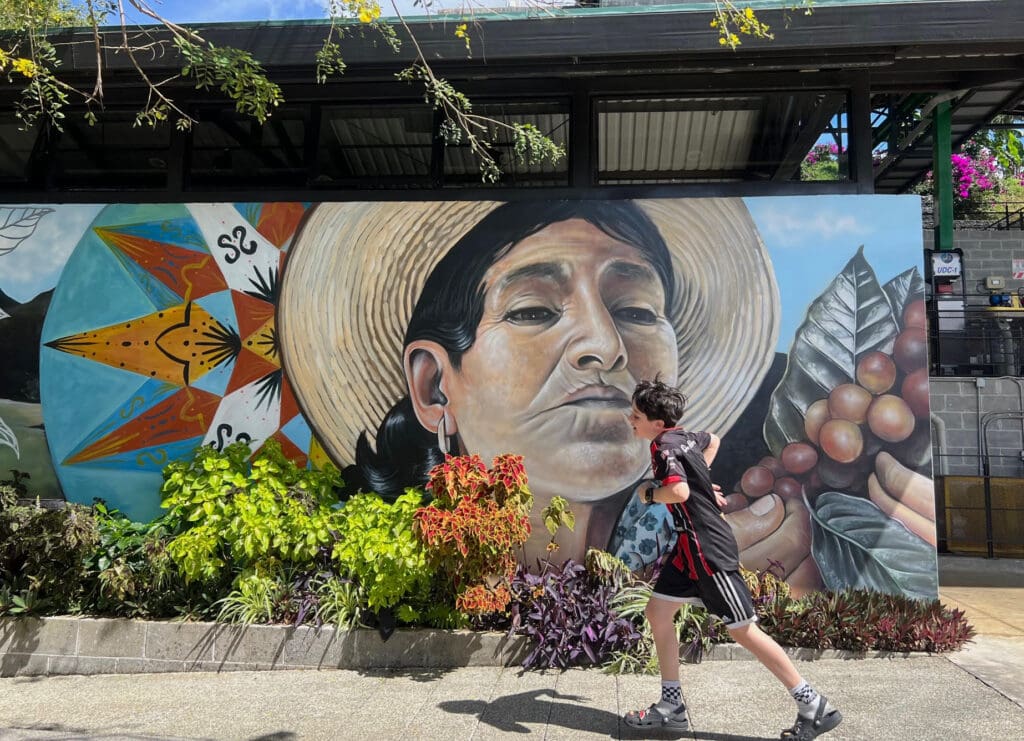
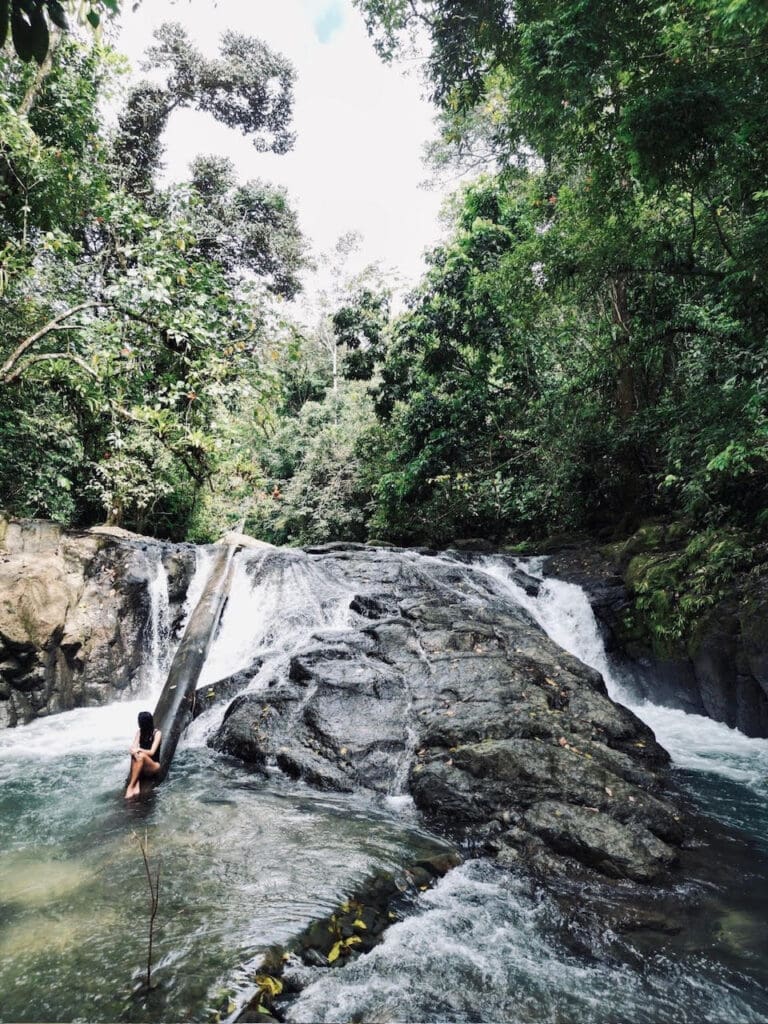
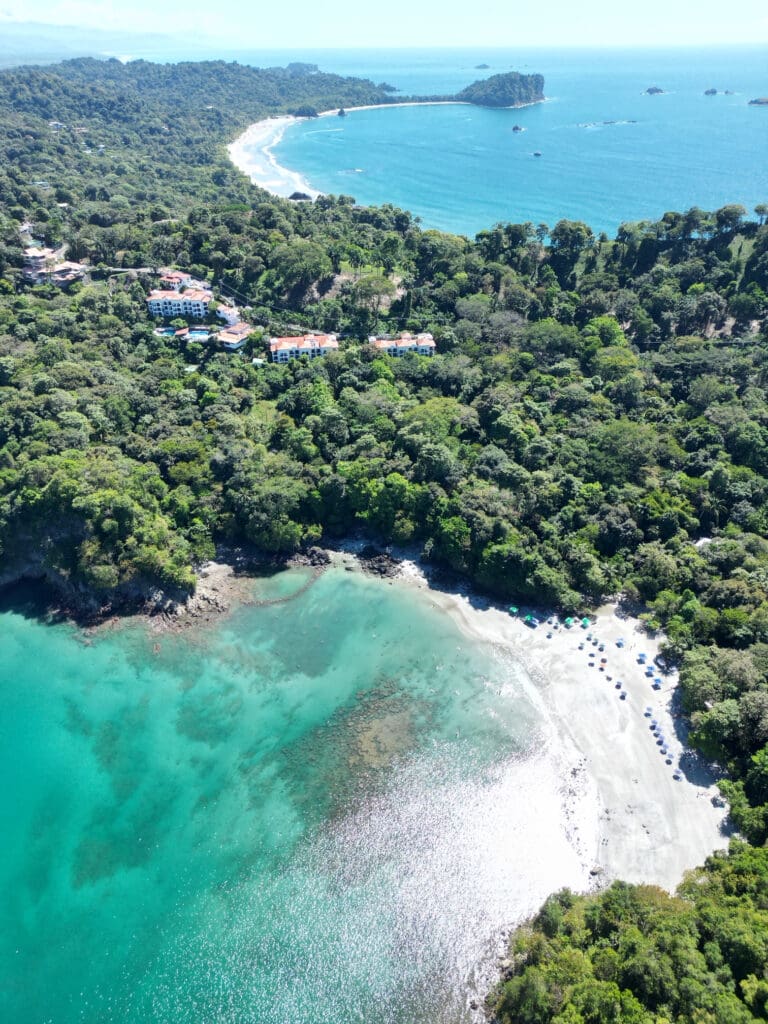
There are reasons we return, year after year. Clean drinking water. Excellent healthcare. A sense of safety—Costa Rica hasn’t had an army since 1948. The coffee —including an annual visit to the Starbucks hacienda high above San Jose. The palm lined beaches. Chocolate, some of the best I’ve ever tasted. Waterfalls tucked into unexpected corners. The fruit—especially the bananas. I don’t think I truly knew what one tasted like before coming here. And the wildlife, which more than lives up to its reputation.
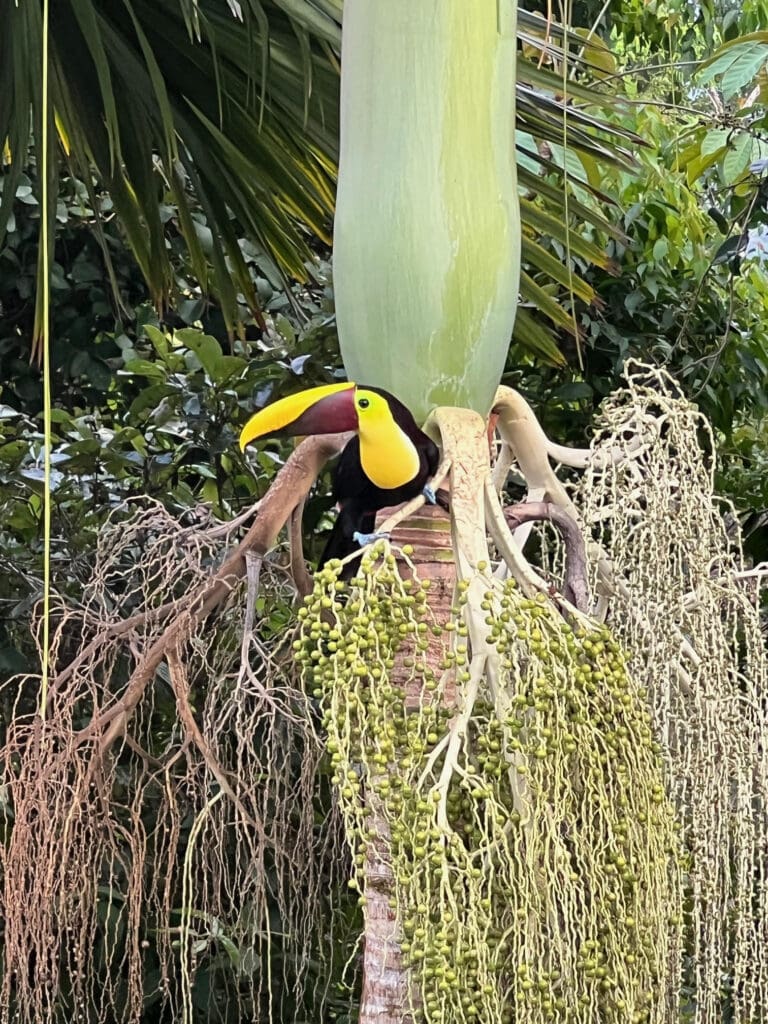
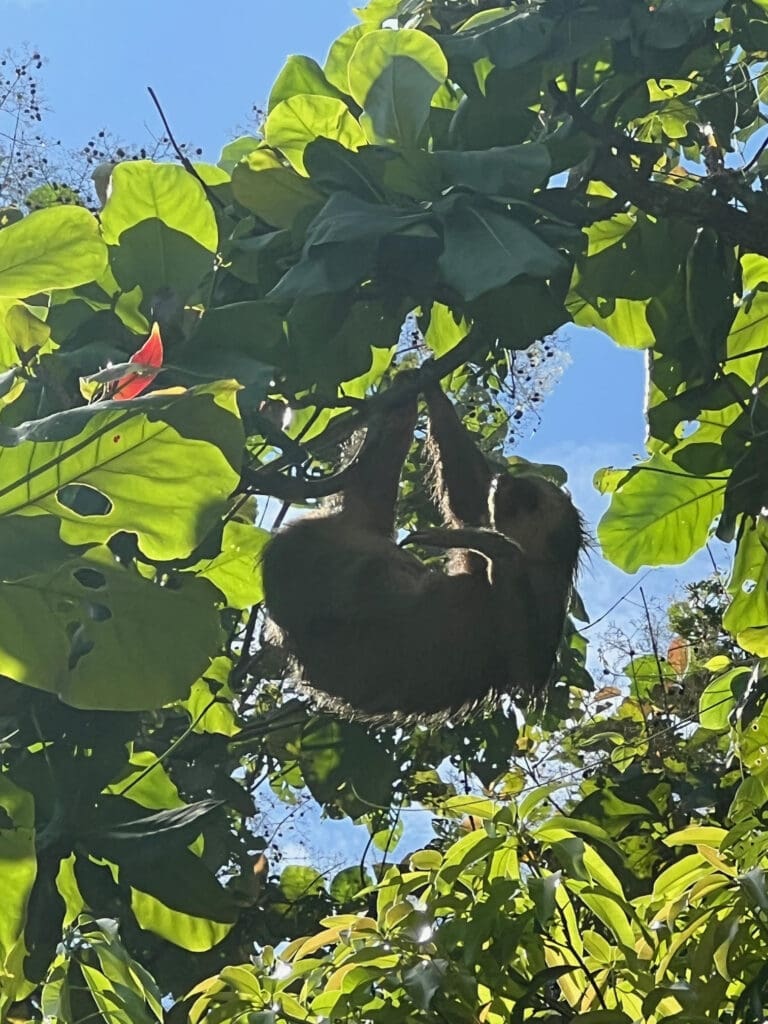
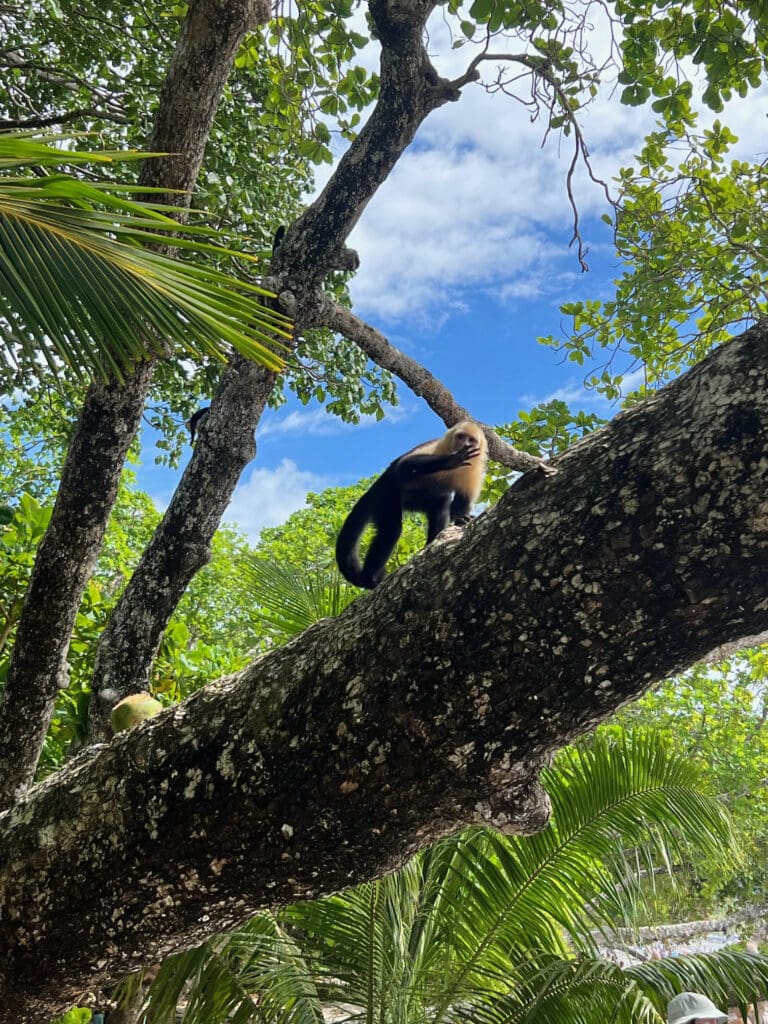
A sloth naps daily at Playitas, our local beach for sun and consistent surf. Scarlet macaws screech overhead at sunset. Monkeys swing above like unruly neighbours. Toucans whistle softly from cecropia trees. Iguanas dart across paths. Geckos move in like they’ve always belonged—because they have. At night, we wear earplugs. The jungle comes alive—birds chirp like alarms, howler monkeys roar in the distance, insects hum with intent. Silence isn’t part of the experience.
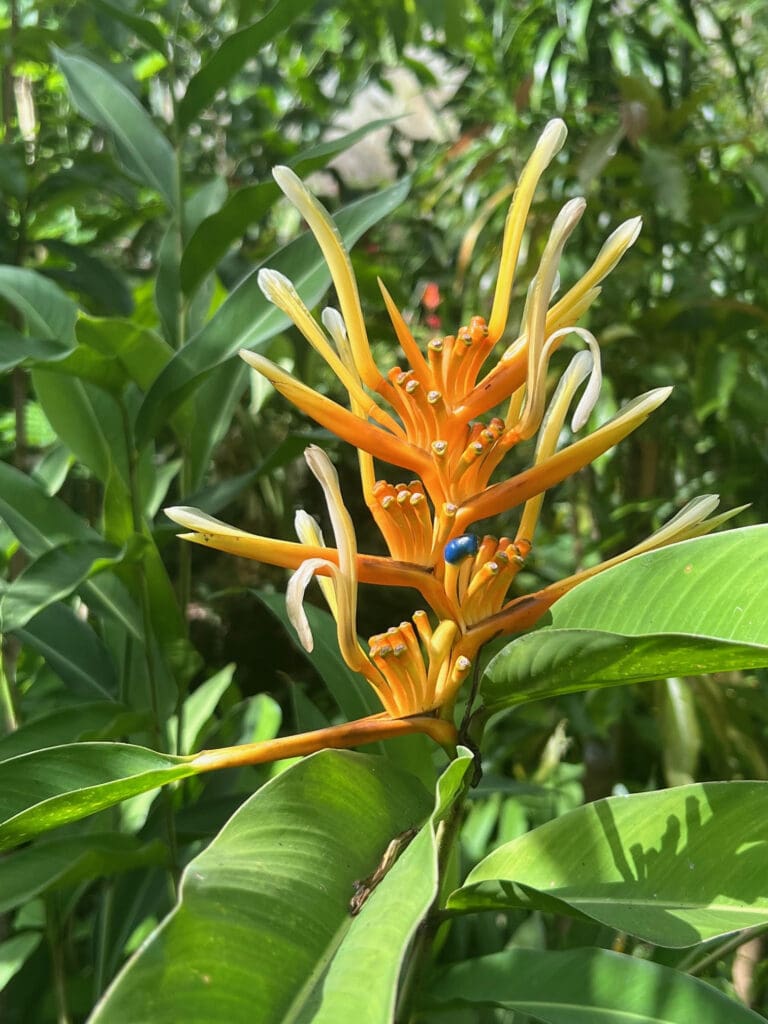
The flora feels almost imagined here it’s Dr. Seuss–level surreal. Greens vibrate against cerulean skies; fluorescent oranges and fuchsia pinks collide in shapes that seem superimposed. At times, your eyes can’t quite keep up. It’s abstract art, composed effortlessly by nature. To simply say that Costa Rica’s plant diversity is astounding is an understatement.
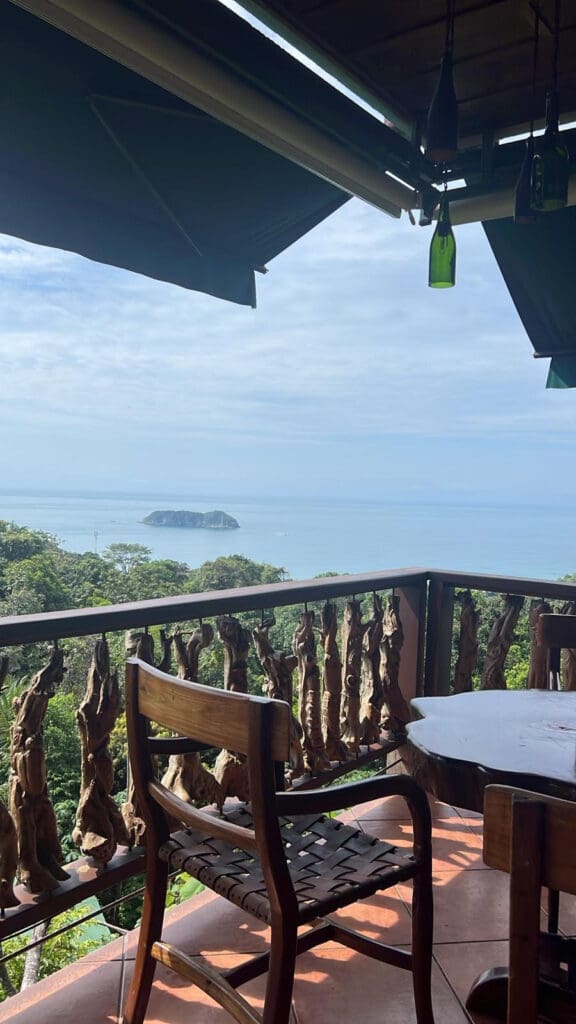
Life moves at a different tempo here which is a welcome change to Toronto’s constant hum. In recent years, the Canadian dollar has taken a hit, and it’s impossible not to feel the pinch during a month away. We’ve adapted. Fewer trips to the French bakery Bon Bonete or long lunches at El Avión a restaurant built around a retired Fairchild C-123 cargo plane with sweepingly dramatic views of the Pacific Ocean. And more meals at local Sodas—traditional Tico spots serving beans, salad, fried plantains, and a simple protein. Balanced, affordable, satisfying. And plenty of home cooking. Between grocery stores and open-air markets, everything is close at hand. Produce is plentiful and often surprising—like the Lima Mandarina—a naturally occurring citrus hybrid with vivid orange flesh—which quickly became essential, squeezed into morning water, folded into salads, or spritzed in a cerveza. Meat and fish arrive so fresh they barely need embellishment. A little salt, a hot pan, and dinner is done.
As our month winds down, there are no crocodile sightings. Not a single spider inside the house—a small but deeply satisfying victory. We hug Adrian goodbye, thanking him for the fresh coconuts dropped off each week and the quiet, steady care he brings to this place. He’s less a groundskeeper than an unassuming jungle guide, gently keeping the wild in balance and showing us how to live alongside it. When he smiles and says he hopes to see us again next year, it feels less like a farewell and more like a promise.
We leave grounded, vitamin D infused, and already counting the months until we return to our jungle life. —Sara Duck
share:

January 13th, 2026 at 5:08 pm
Amazing read!!