

The dog days of fashion are upon us. Not only do handsome hounds grace the cover of Vogue’s canine-centric issues of Dogue, but they also take walkies down runways for fashion houses Armani and Bode, steal the show in Louis Vuitton’s latest Pharrell-designed men’s collection, and inspire designers—like the top-handled “Hector” tote by Thom Browne.
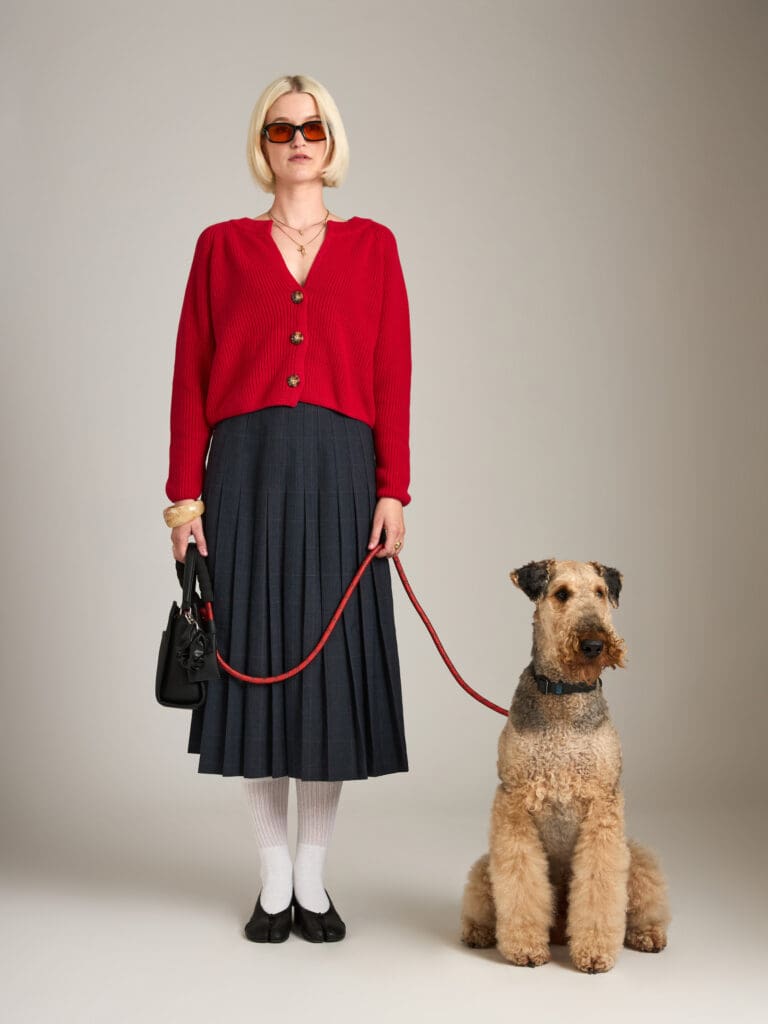
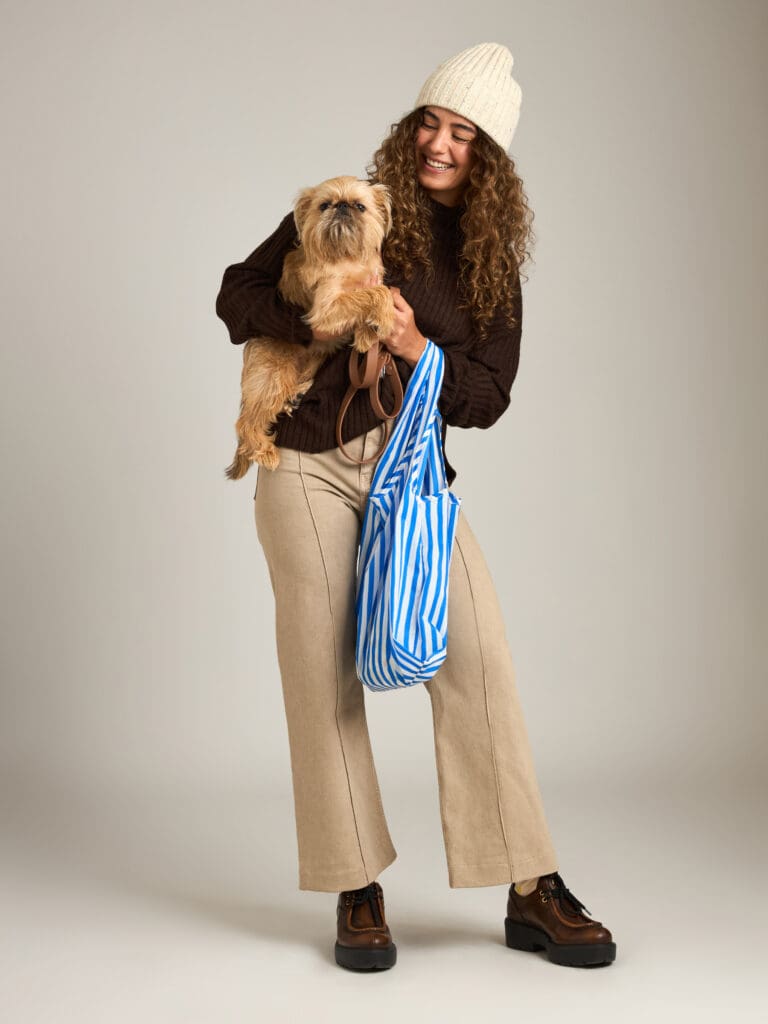
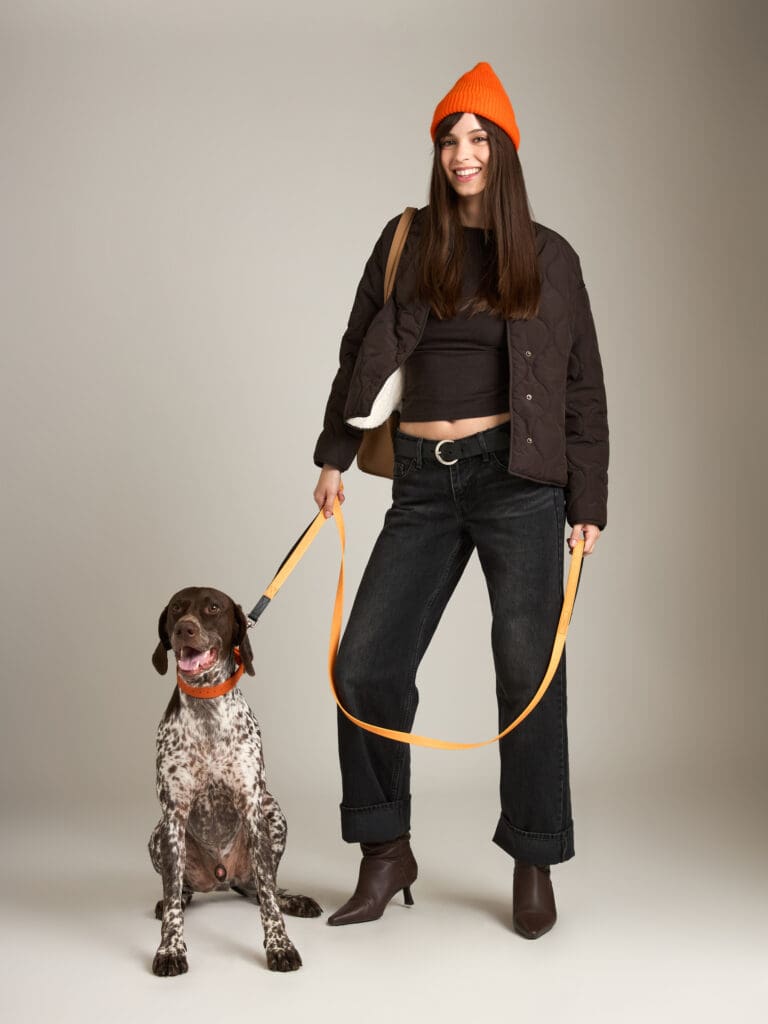
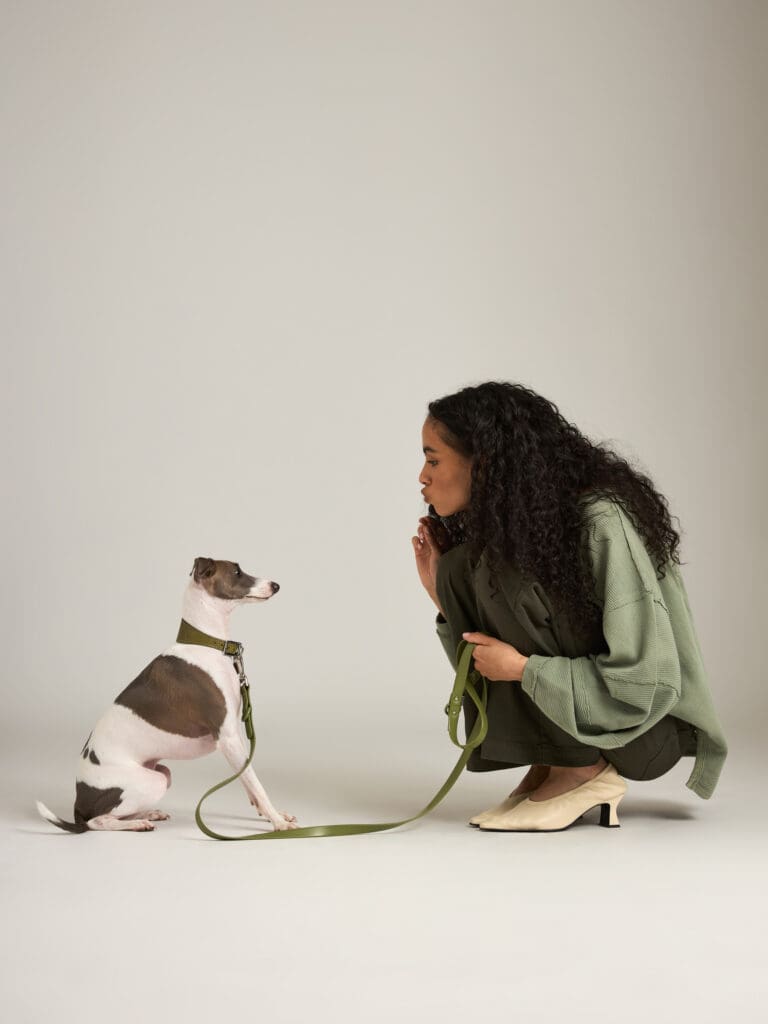
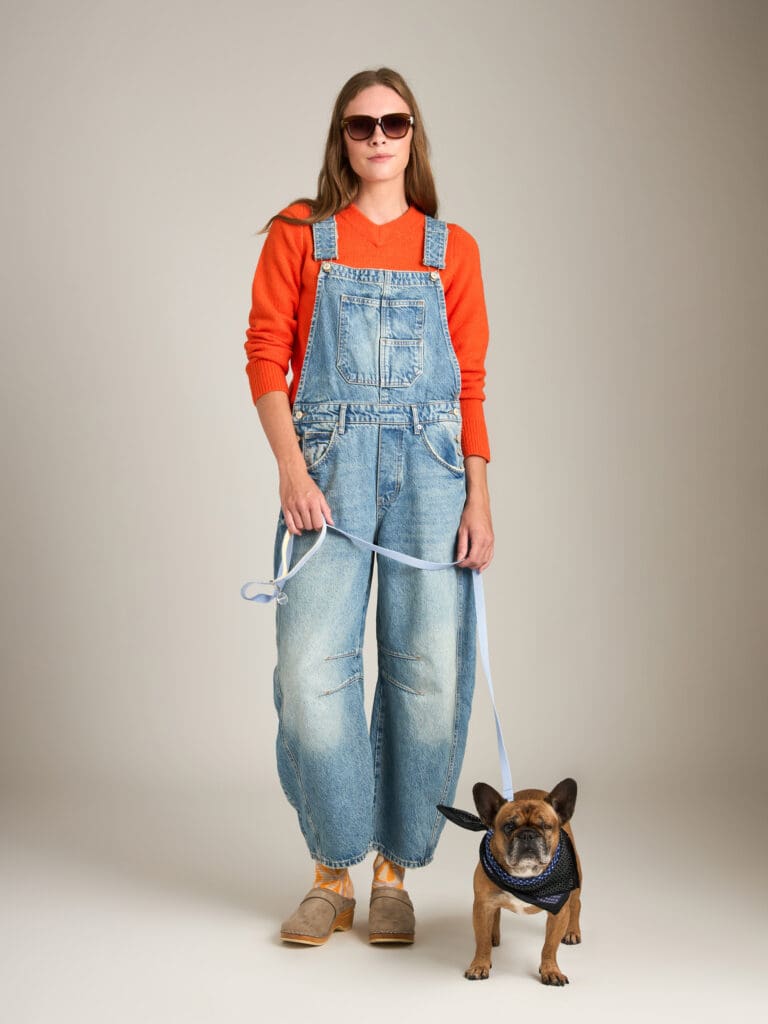
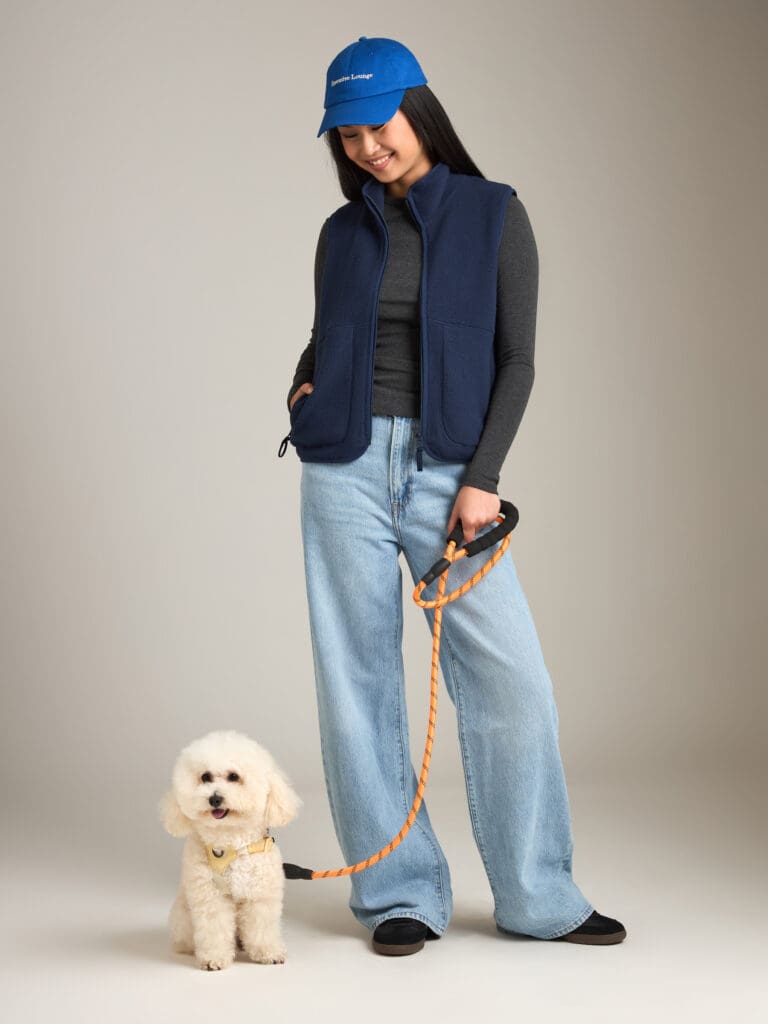
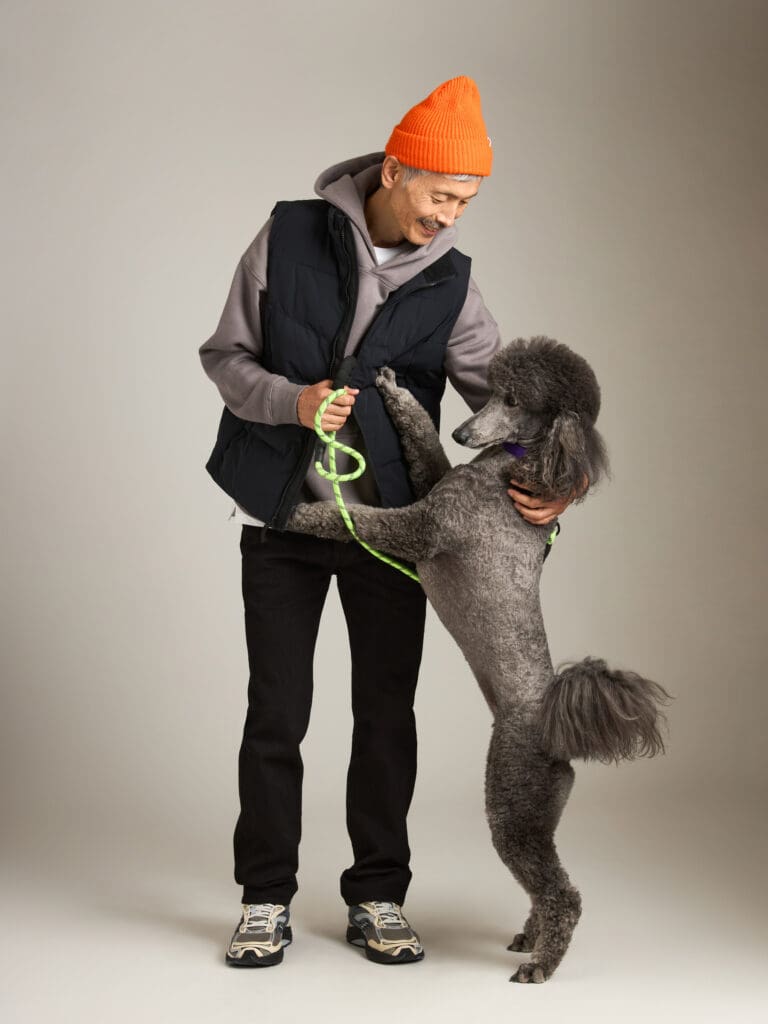
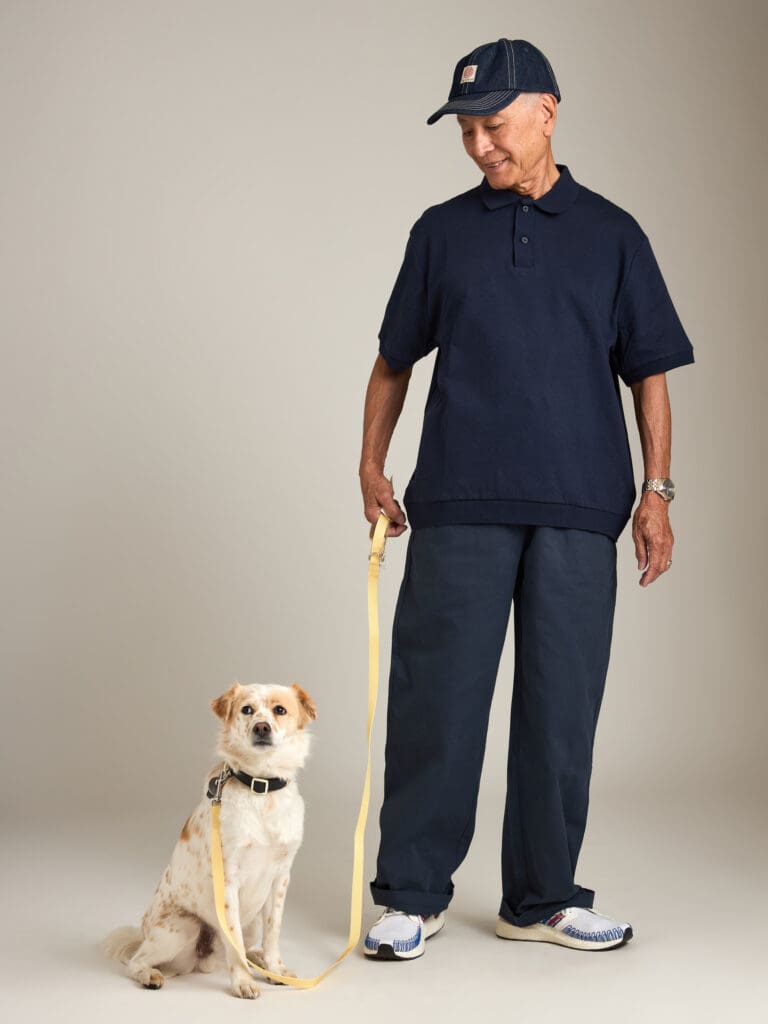
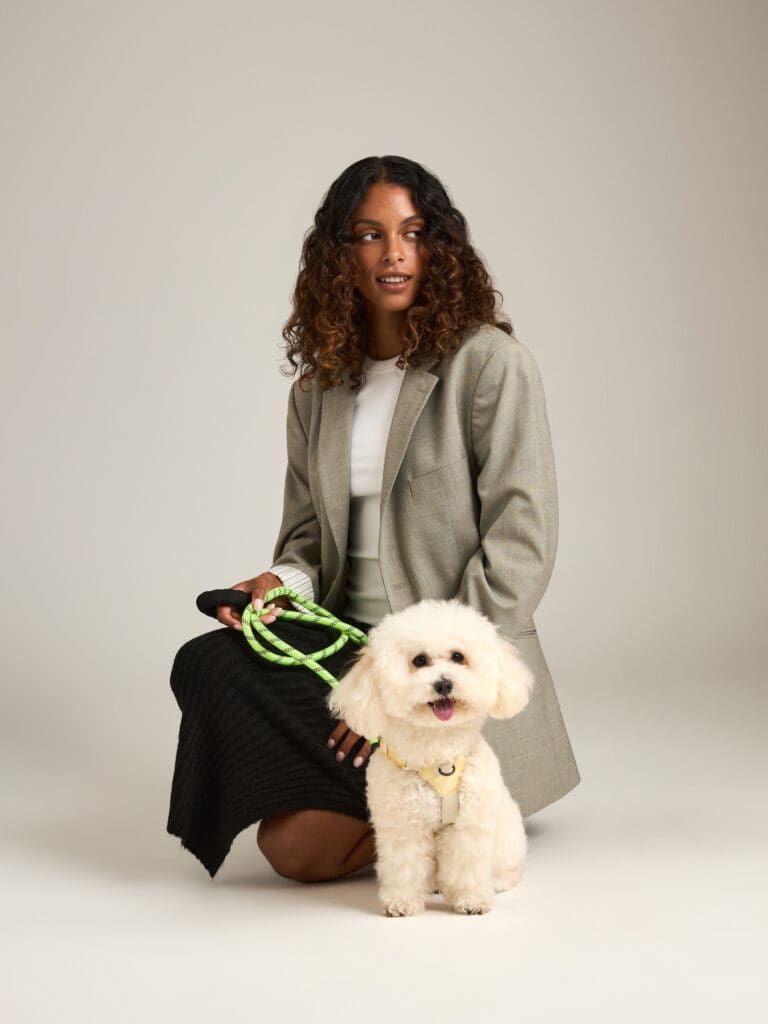
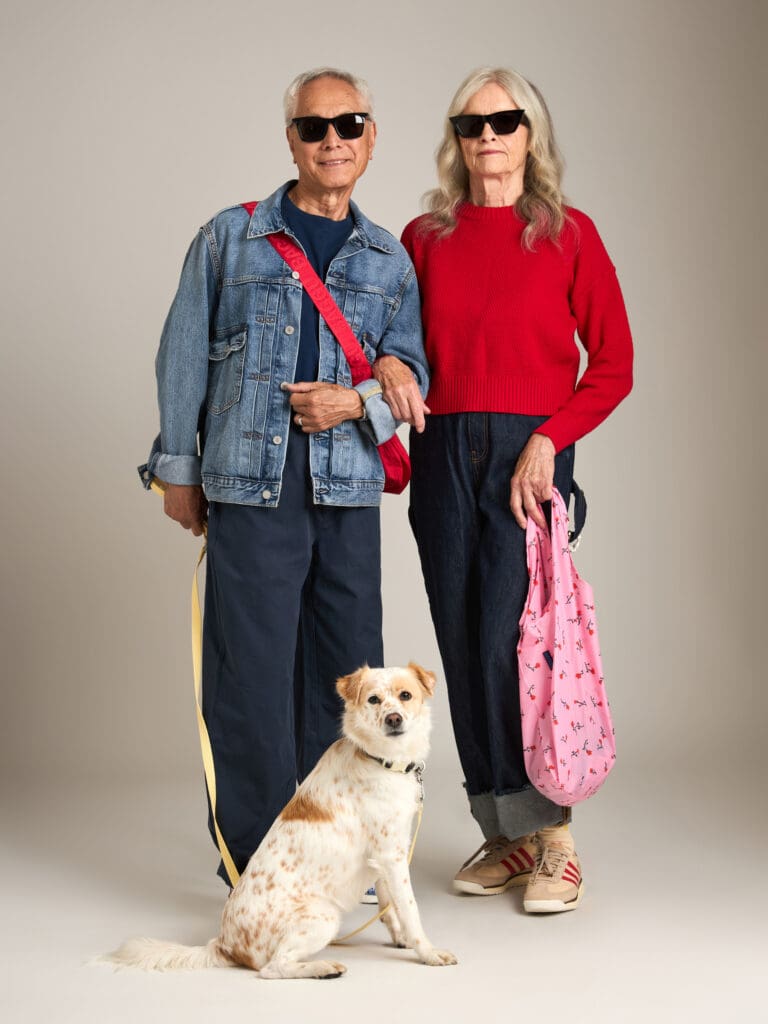
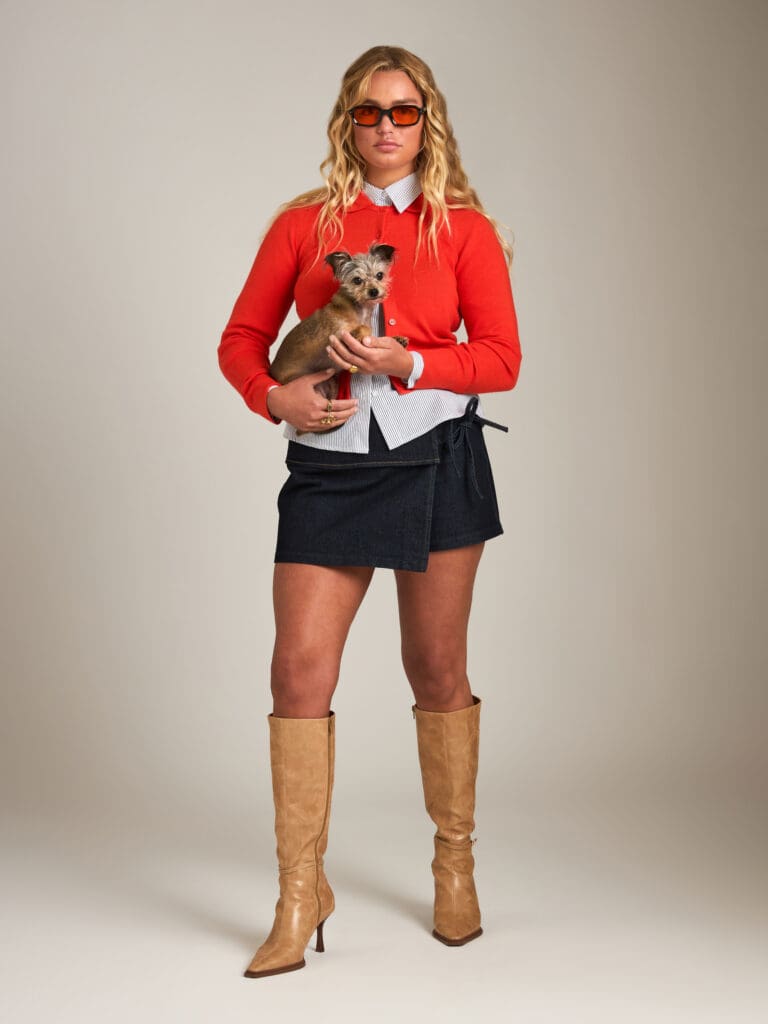
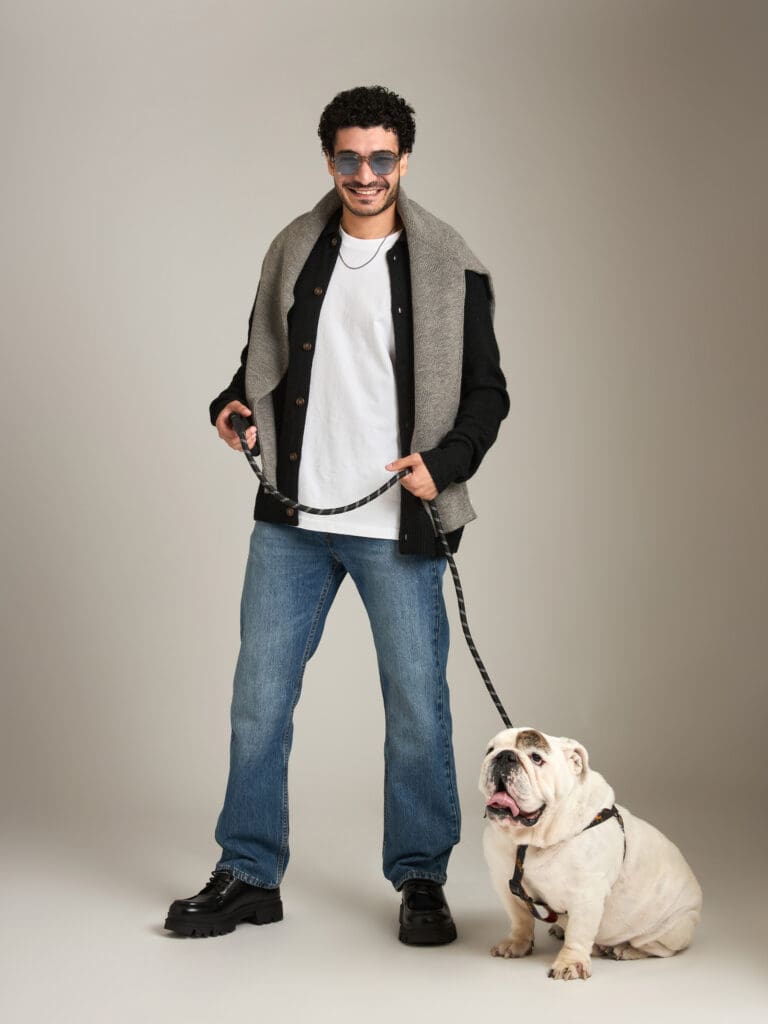
They also curl up and get comfy on social media. Influencers like Boobie Billie and Tika the Iggy (who sadly passed away at the end of 2025) are clotheshorses in their own right, and log more followers on Instagram than some human celebrities. Retailers are taking note, and charismatic canines make guest appearances on social media feeds that include Burberry and Valentino, and Canadian brands Aritzia and Plenty.
So why has marketing—and fashion marketing in particular—gone to the dogs?
“There’s so much competition in the retail landscape today, and especially with fashion, anything you can do to make your product seem more relatable, to give it that extra little edge; the cuteness factor,” says Emily Scarlett, a branding and communications consultant who has worked for brands like H&M and Knix. “But also that ability for people to see themselves in the product or see themselves in the advertising.”
It’s a solid strategy. Dog ownership is on the rise in Canada and the US, which means more people are able to visualize themselves lounging in style with a canine companion. So even if you don’t look like a Louis Vuitton model at the dog park, at least there’s something to aspire to.

It’s worth noting that the uptick in canine-saturated marketing is fuelled in part by the booming pet apparel industry, which can support a brand’s adjacent line of canine accessories. Take Aritzia’s Super Ruff Puff, a Rover-sized twist on the brand’s popular Super Puff jacket. It’s clever, it’s adorable, and an Instagram post featuring the Super Ruff got 500 percent more likes than an adjacent post with a human model.
“If you think about it, what performs well on Instagram?” points out Adele Tetangco, the fractional CFO at Plenty. “It’s babies and pets … I don’t even own a cat, and I’m just watching videos of kittens.” Plenty started featuring dogs in their marketing campaigns as a way of fulfilling the brand’s “for all of us” tagline. “So many customers that come into the store, especially Kitsilano or Robson, there’s so many dog lovers,” she says.
The trend isn’t just limited to fashion. Relating to canine-owning customers is also what inspired restaurant Honey Salt to launch a daily Yappy Hour on their dog-friendly patio, where there are deals for humans and treats for their companions. Jason Labahn, the director of food and beverage at Honey Salt, explains that the idea began when the restaurant’s co-owner, Kim Canteenwalla, went for a walk along the nearby seawall and noticed how many dogs were also out for a stroll. “People want to bring their dogs into their everyday life,” says Labahn. “A restaurant that can facilitate that is a great marketing tool, but also creates a really fun environment as well.”
Whether it’s dining at a stylish spot or coveting the latest style, Tatangco argues that it’s all about connection. “At the end of the day, it comes down to meeting your customer where they’re at and relating to them. The dog is such a common theme,” she says. “This is probably why even the luxury brands are leaning into it. Out of everything that’s so AI, it just feels more real at the end of the day.”
As AI proliferates, the desire for authenticity grows. Classic Americana brands like Ralph Lauren and the Gap are seeing a resurgence, and Scarlett suspects it’s in response to a vintage trend that’s already in full swing. “When you think about those classic Americana brands, you also think about the American dream,” she says. “And what does that mean? Status symbols.” For many, that may include a—fashionable or not—Spot or Rover in the family.
So what’s it like to work alongside man’s best friend? “We did this casting call, and I think we got 500 dogs,” says Tetangco of a recent campaign at Plenty. Sorting through hundreds of pictures of adorable pups sounds like a dream job to some, but Scarlett points out that a dog brings its own challenges and considerations—“what if the dog doesn’t like people on set?” she asks—plus a schedule of breaks for food and exercise. “There’s a lot that comes into play with that, that makes doing shoots more complicated.”
It seems to be worth the trouble. After all, as long as there are dogs, there will be those who love them and all the wet-nosed, tail-wagging antics. “I think this is just the beginning,” says Scarlett. We can only hope. —Jill Von Sprecken
share:

January 16th, 2026 at 3:31 am
nice
January 16th, 2026 at 3:34 am
Really interesting read. The way brands are using dogs to create emotional connection feels very similar to how sports marketing works today—especially in big events where fandom goes beyond just the product. Whether it’s fashion, food, or even sports leagues planning campaigns around key moments like the IPL 2026 schedule, it’s all about meeting audiences where their passions already are. That authenticity and relatability clearly matter more than ever, and this piece explains that shift beautifully.
January 19th, 2026 at 2:31 am
Thank you, I enjoyed
February 20th, 2026 at 2:43 am
I launched campaigns for my project myself and realized that without quality traffic and smart optimization, even the cutest creative won’t cut it. That’s why I switched to ROIads, where their AI bidding and premium pushes give stable results without constant manual piloting. The review there are real feedback from affiliates who have already tested it. Now my budget is working more efficiently, and I have time to just walk my dog and not think about every penny spent on advertising.
March 18th, 2026 at 3:32 am
Another major highlight of this season is the announcement of PSL 2026 squads, as teams have undergone significant changes. For the first time in PSL history, a player auction system has replaced the traditional draft, allowing franchises to build stronger and more competitive teams.
May 11th, 2026 at 5:02 am
Really interesting read. The way brands are using dogs to create emotional connections feels very similar to how sports marketing works today—especially during major global events. Whether it’s fashion, food, or international tournaments like the Rugby League World Cup 2026, it’s all about meeting audiences where their passions already exist. That authenticity and relatability clearly matter more than ever, and this piece explains that shift beautifully.