
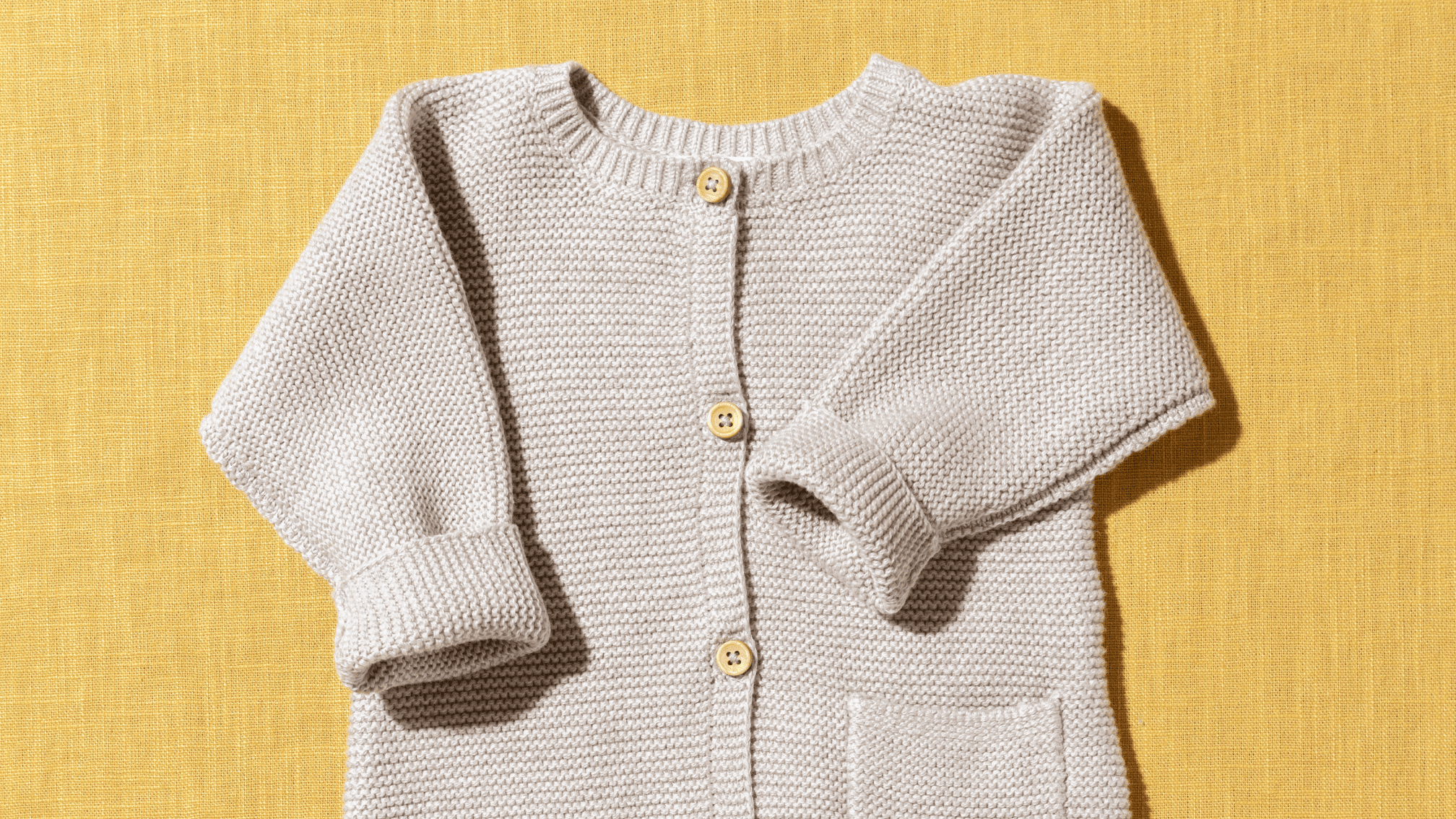
The modern nursery is undergoing a profound transformation—swapping solo scrolls for shared experiences as parents increasingly reject the digital hum in favor of more intentional, real-world connection. According to Pinterest’s first-ever Parenting Trend Report, caregivers are now curating childhoods rooted in “digital detox aesthetics” and experience-rich travel, turning everything from the daily commute into a cognitive classroom and the backyard into a nostalgic playground. To delve into this shift toward “slow motherhood,” psychological parenting, and the resurgence of the 90s-inspired “throwback kid,” we sat down with Sydney Stanback, Pinterest’s Global Head of Trends and Insights, to discuss how families are using the platform to plan a more grounded, screen-smart future. —Noa Nichol
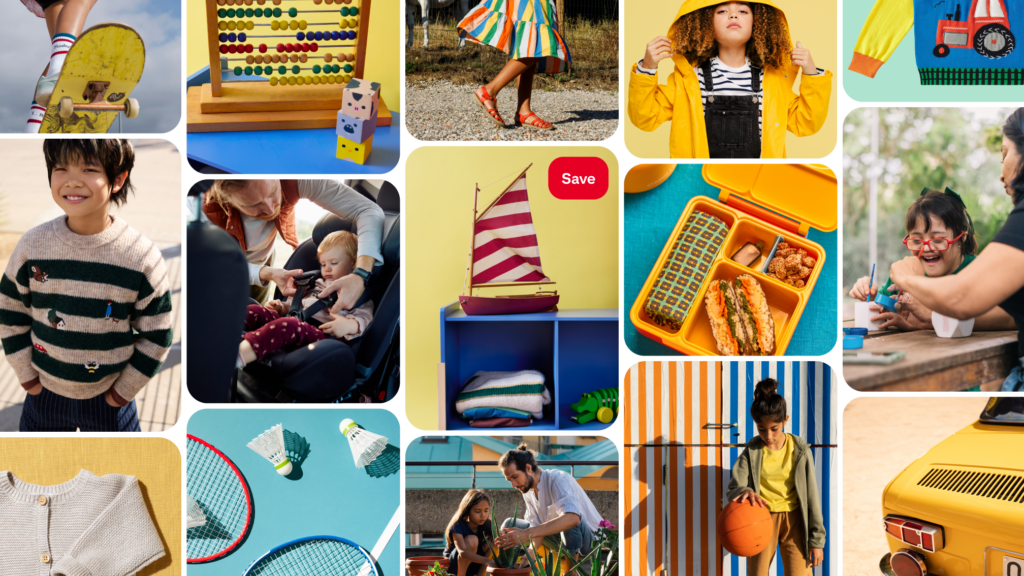
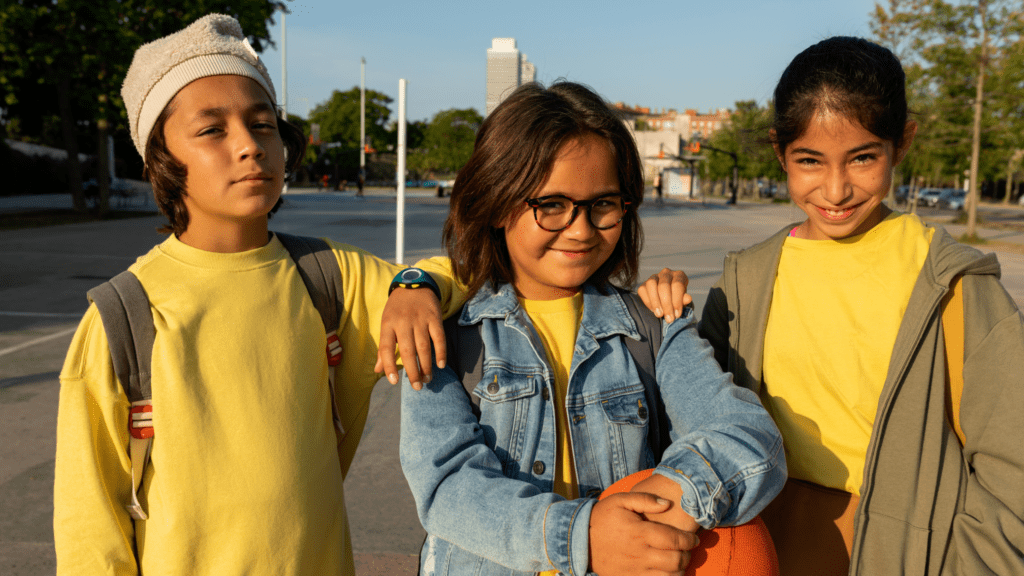

With a staggering 340% increase in “no phone summer” searches, are we seeing a permanent cultural shift away from the “iPad kid” era, or is this a seasonal reaction to digital burnout?
What we are seeing feels much more like a long-term mindset shift than a seasonal reaction. Parents are not necessarily rejecting technology, but they are becoming far more intentional about how and when it is used. The growth in “no-phone summer” alongside searches for screen-free activities and family traditions tells us families are actively planning offline time instead of just hoping it happens.
Parents want their kids to be comfortable with technology, but they also want them to build creativity, independence, and real-world confidence. The shift is toward raising screen-smart kids who can balance both.
Pinterest’s partnership with Volvo Canada highlights a 530% surge in “road trip car set up” pins. Beyond snacks and tablets, what are parents doing to turn the backseat into a “cozy,” screen-free sanctuary for long hauls?
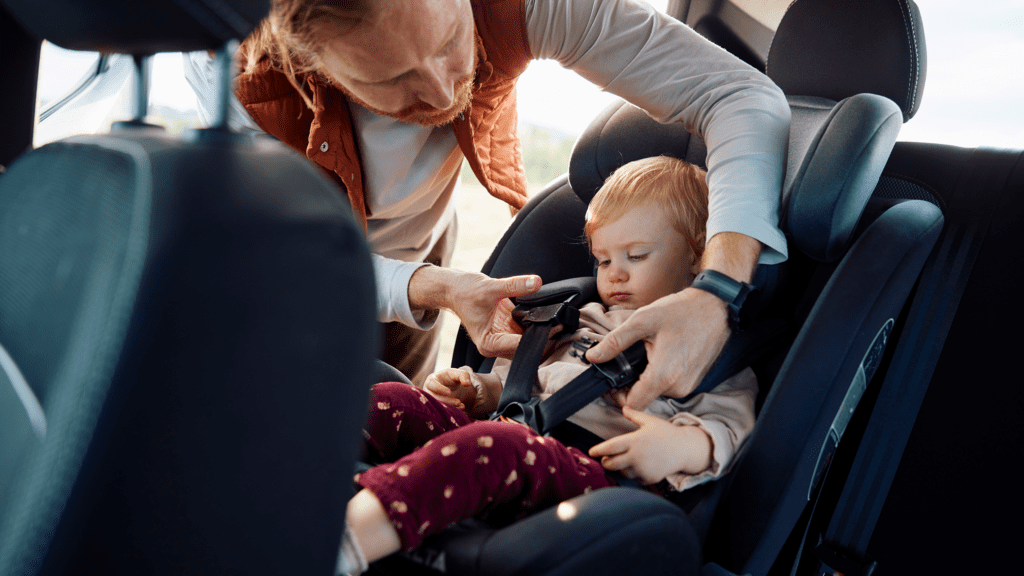
Parents are treating the journey itself as part of the experience. Instead of relying only on tablets, they are planning tactile backseat setups with printable games, books, journaling kits, drawing supplies, and small comfort items that make the car feel calm and organized. There is also more thought going into safety, layout, and how to keep kids engaged in ways that spark conversation.
That is exactly why the partnership with Volvo Canada made sense for us. Families want road trips to feel safe, intentional, and memory-rich from start to finish. The focus is on creating an environment where kids can stay curious and connected, even on a long drive.
We are seeing a massive 1,070% increase in “sensory play ideas.” How is the “Pinterest Parent” of 2026 moving away from perfect, curated playrooms toward “creativity labs” that embrace a little more mess?
Parents are prioritizing spaces that kids can truly use over spaces that simply look good. Sensory play, DIY activity zones, pretend kitchens, and craft stations are all about hands-on exploration. The focus is on encouraging movement, experimentation, and independence.
There is a growing comfort with the idea that a little mess often means meaningful learning. Families are designing homes that function as playgrounds, classrooms, and creativity labs all at once, and perfection is no longer the goal.
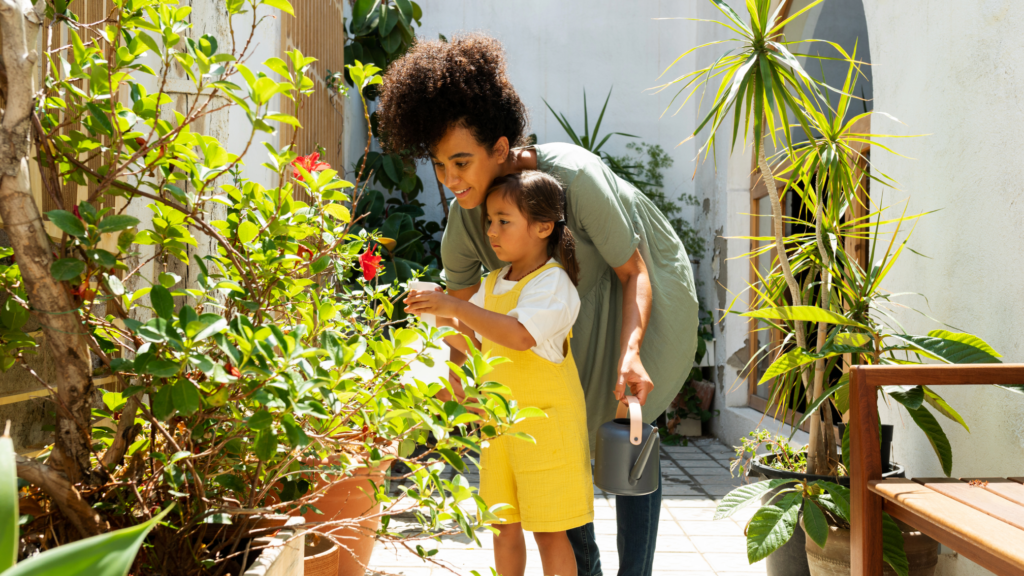
With searches for “life skills activities” doubling, it seems parents are rebranding chores as “confidence-building tasks.” What is the trick to making things like gardening or pretend “play food” prep feel like a win for the kids?
When gardening becomes a science experiment or pretend food prep becomes a way to practice sequencing and creativity, it feels empowering instead of obligatory. The key is giving kids ownership. Pinterest is full of ideas that break larger chores into age-appropriate steps so children can feel capable and involved.
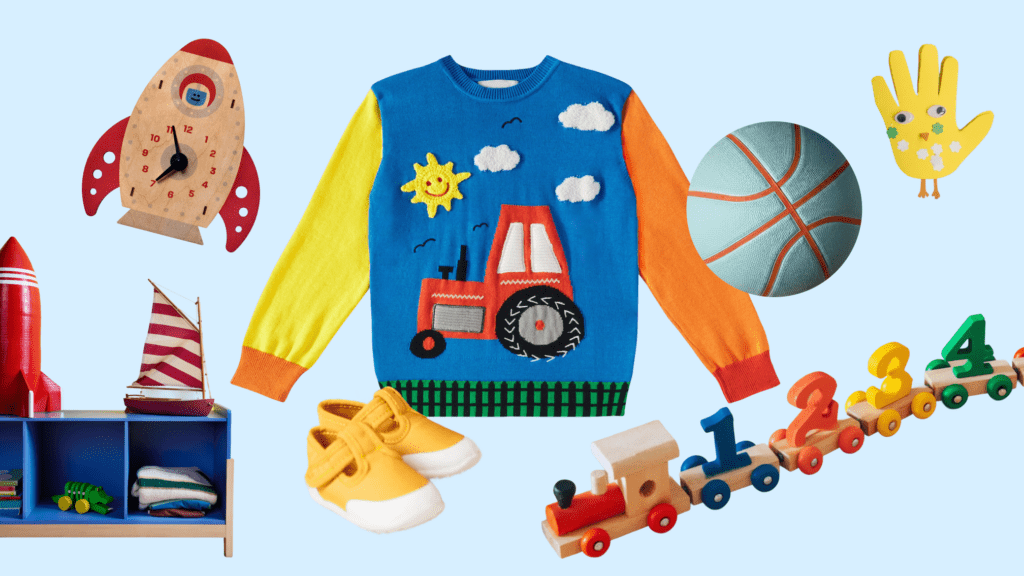
Nostalgia is huge, with 90s and 2000s kids’ toys surging over 600%. Are parents buying these because they are “better” toys, or is this about millennial and Gen X parents trying to recreate their own “analog” childhoods for their kids?
It is less about the toys being “better” and more about the kind of childhood parents want to create. In the report’s “Throwback Kid” trend, we see nostalgia redefining what childhood looks and feels like. Parents are intentionally bringing back 70s, 90s, and 2000s-inspired toys because they represent slower, more tactile, screen-light experiences.
For many millennial and Gen X parents, it is about recreating the creativity, imagination, and simplicity they remember from their own analog childhoods.
“Psychology-informed parenting” and “positive discipline” are trending over flashy gear. How is Pinterest helping parents build a “hybrid playbook” that balances expert research with the reality of a toddler meltdown?
The rise in slow motherhood, positive discipline, and authoritative parenting shows parents are focused on how they parent, not just what they buy. They are looking for approaches rooted in child development and emotional health.
Pinterest helps by turning those principles into practical, everyday tools. Parents can find routines, scripts, charts, and activity ideas that make research-backed parenting feel realistic and doable, even on hard days.
share:

June 24th, 2026 at 8:37 am
Thanks for sharing