
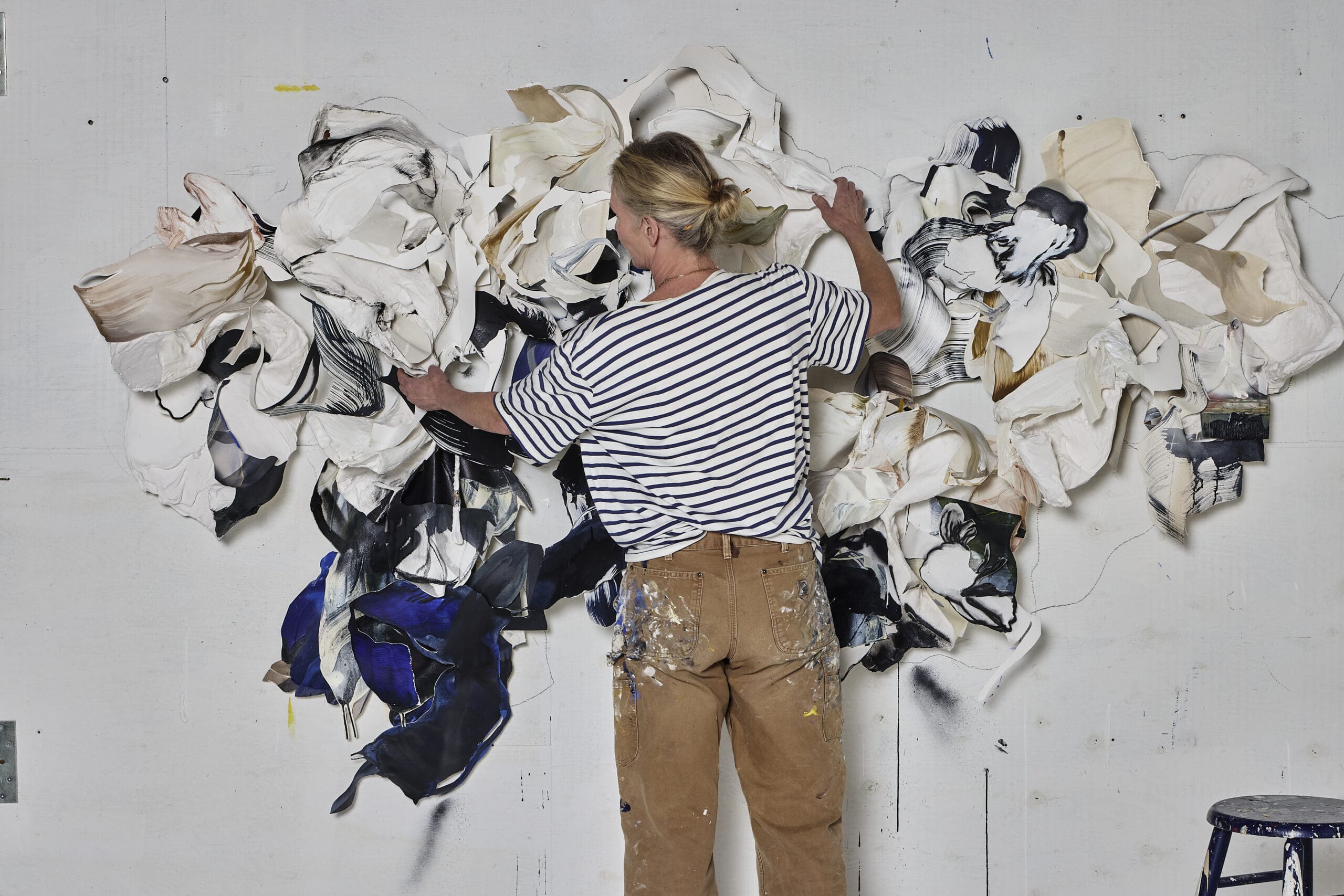
In the world of Canadian art, few legacies are as enduring or as intentional as the Gordon and Marion Smith Foundation’s Artists for Kids program. Founded by the legendary Gordon A. Smith alongside icons Bill Reid and Jack Shadbolt, this non-profit has spent decades fostering a rare, artist-led ecosystem where the sale of significant works directly secures the future of arts education for young people across British Columbia.
As the Foundation’s annual gala auction goes live online, it features an extraordinary collection of “blue-chip” works from a roster of heavyweights including Ross Penhall, Jan Wade, Guido Molinari, and Ian Wallace. We sat down with esteemed Vancouver artist Bobbie Burgers to discuss the profound importance of keeping arts education accessible and why the community continues to unite behind this mission to fund meaningful opportunities for students province-wide. —Noa Nichol
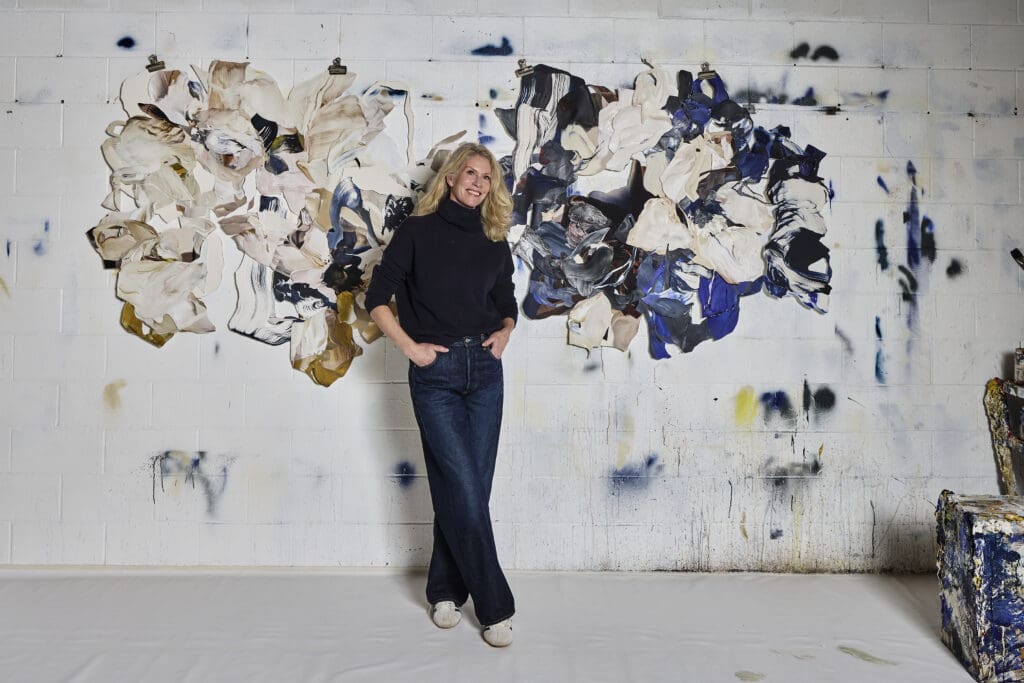
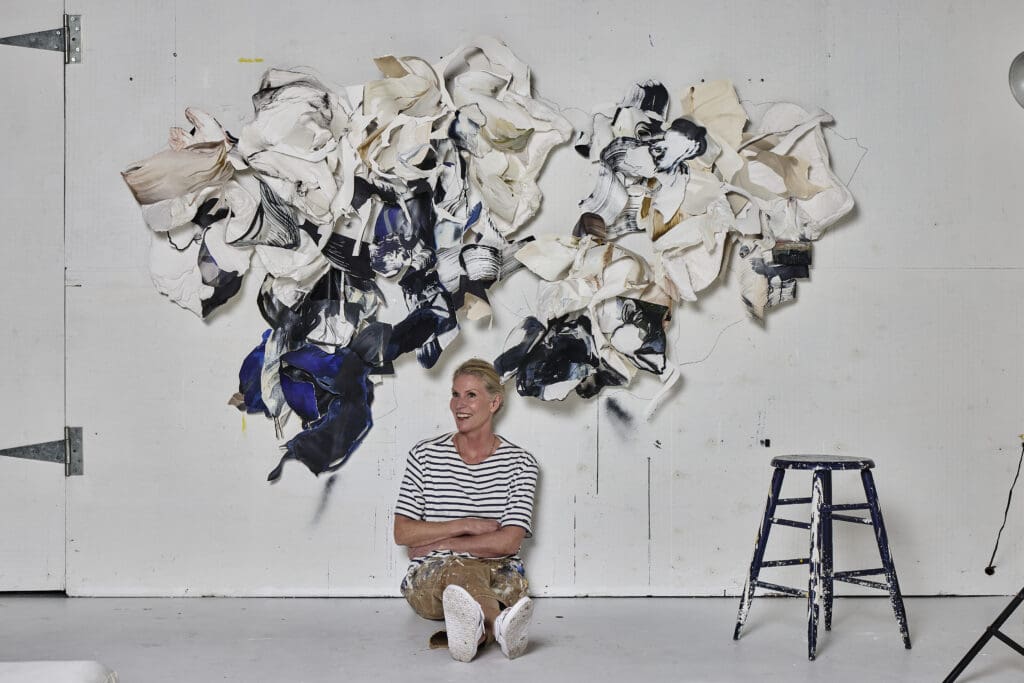
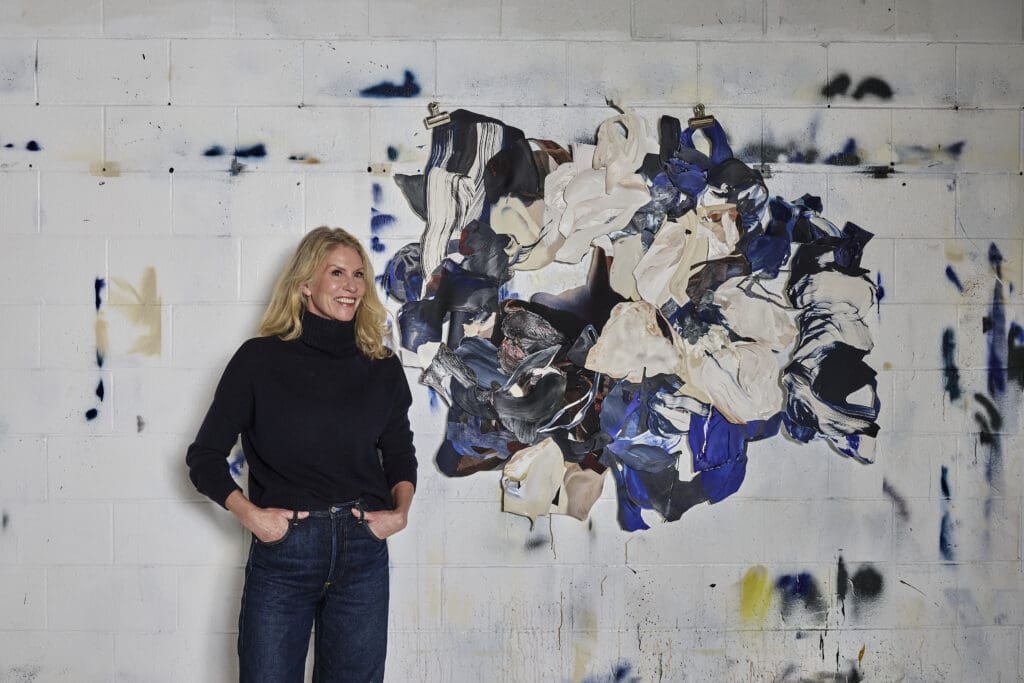
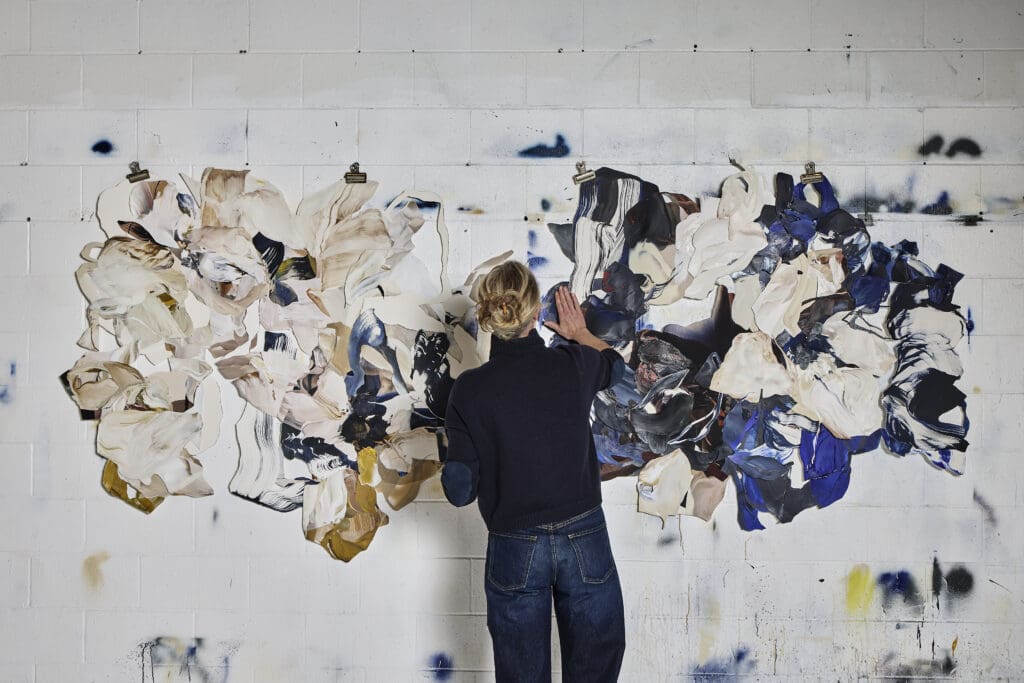
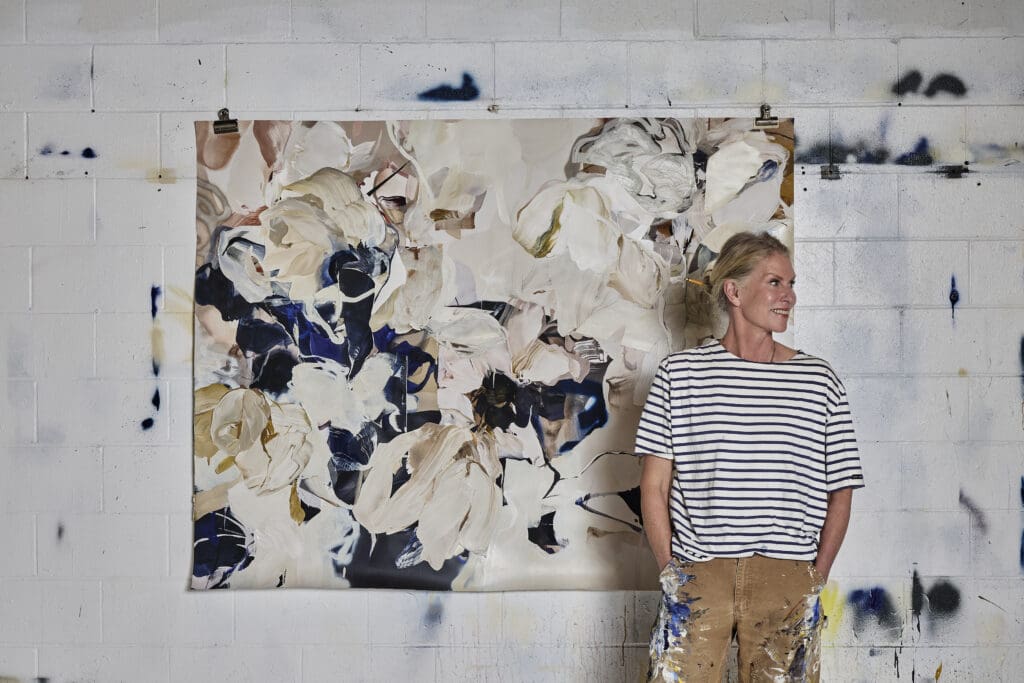
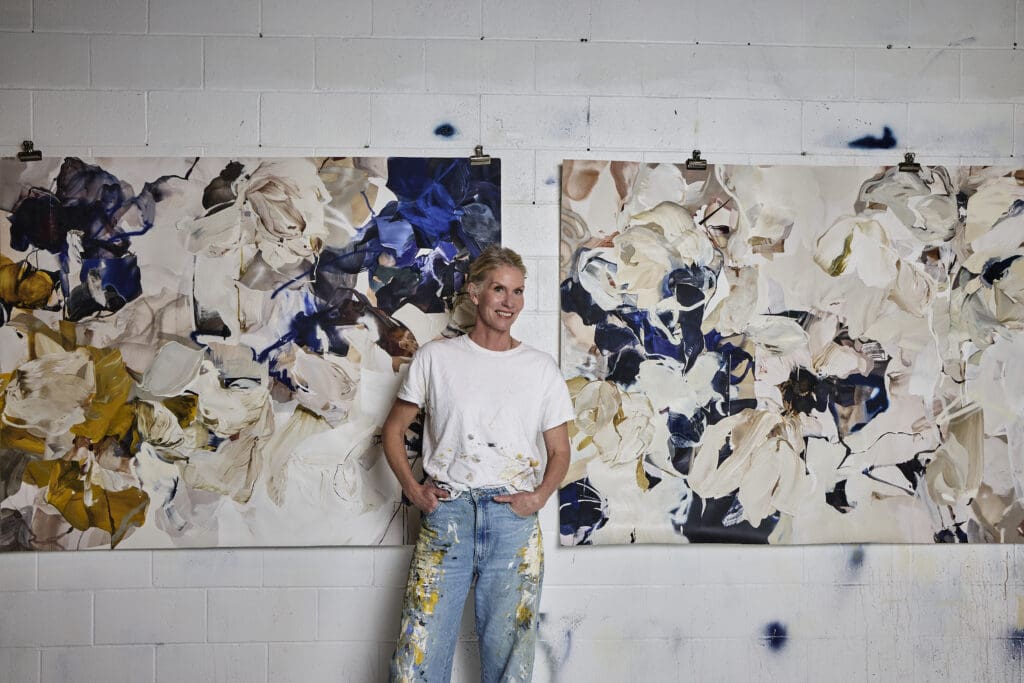
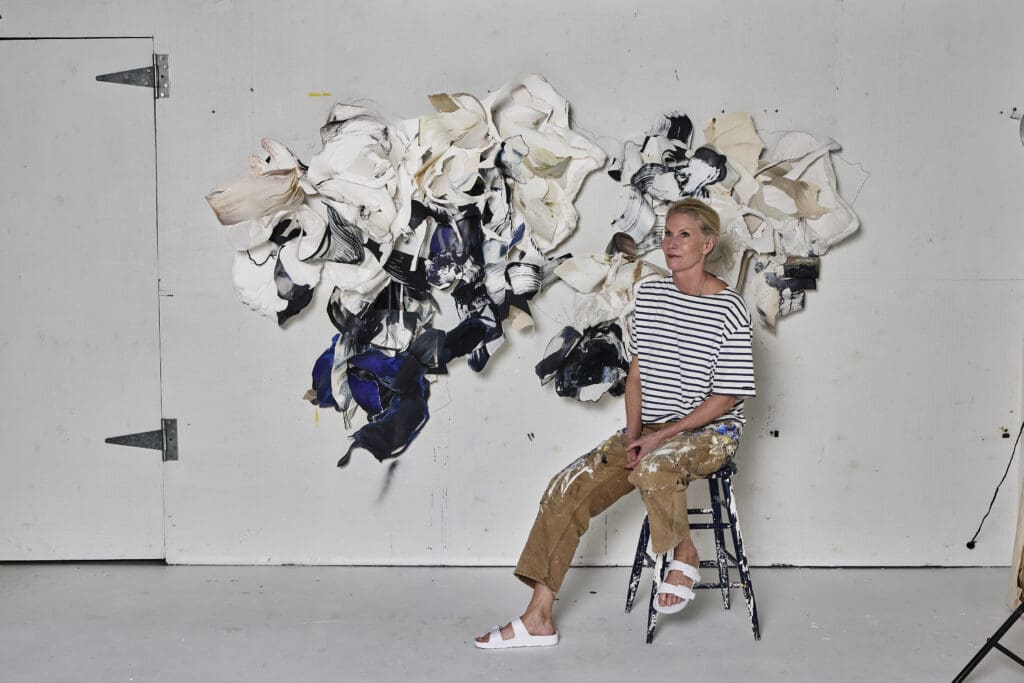
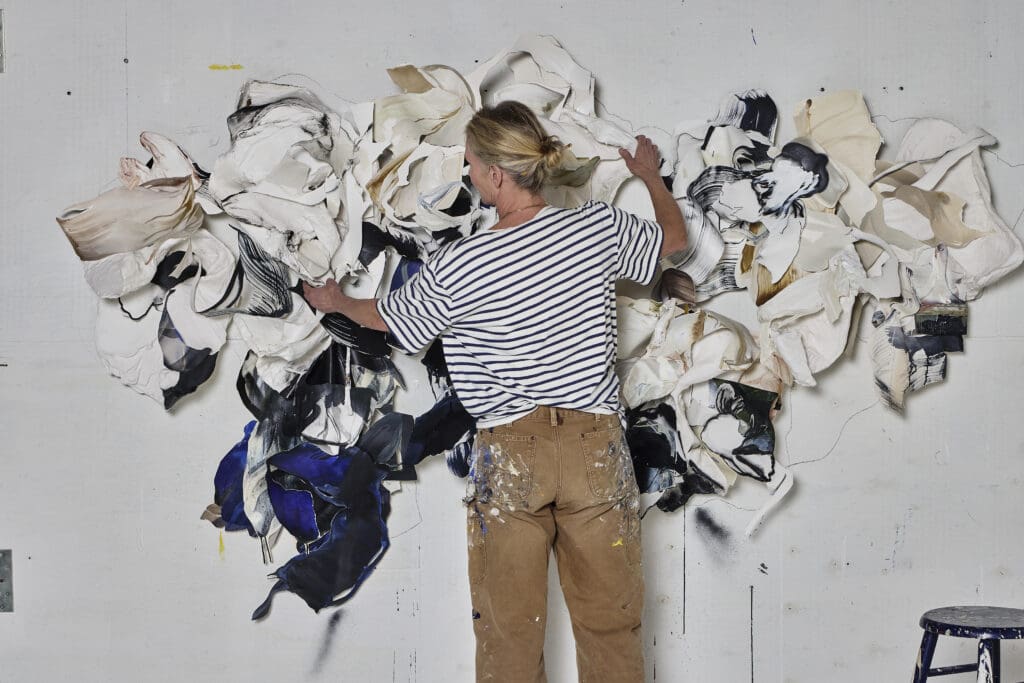
The Artist-Led Ecosystem: The Foundation has spent decades building a rare model where the sale of major original works directly funds student access to the arts; as a participating artist, how does it feel to see your work transition from a gallery piece to a direct “investment” in a young person’s education?
Years ago I decided to focus my donations as much as possible on foundations that supported the arts. The arts are so chronically under-funded, I felt that if artists themselves weren’t giving back to the community, then who would be championing these causes? Without creative opportunities in childhood, these kids might never have been exposed to the myriad of career options that can stem from a creative outlook. By starting at the bottom, with youth education, the influence is magnified. It’s not necessarily about creating artists directly, its about fostering critical and creative thinking.
Inheriting the Legacy: The Artists for Kids program was founded by legends like Gordon A. Smith and Jack Shadbolt; what is it about their original vision that continues to rally today’s “blue-chip” artists to donate significant works to the cause?
They set the highest standard, both in their own work and in their philanthropic endeavours, and they’ve left a blueprint and a vehicle for artists and others to continue their vision. Having known Gordon Smith personally, I found the smallest amount of encouragement, or feedback, would push me to explore further and challenge myself, so through his influence and wisdom, I understand how deeply important it is for successful artists to give back, become mentors and foster community across ages.
Beyond the Canvas: This year’s auction includes curated cultural experiences and private tours alongside the artwork; how does providing these “Priceless” experiences help deepen the community’s connection to Vancouver’s artistic identity?
Donating artwork generates income that the foundation can use directly, while experiences and tours offer another aspect of community building, learning and inspiration–I believe both are important.
The “Micro-Impact” of Mentorship: We often talk about the “mountain” of barriers in education; how does a program like this break those challenges down into manageable opportunities for B.C. students who might otherwise lack access to the arts?
Our public education system unfortunately doesn’t prioritize the arts, and while I deeply respect what our teachers do, since they often have no training or experience in the arts, art projects for kids are reduced to formulaic projects with pre-determined outcomes– not fostering real exploration and creativity. The foundation gives teachers an opportunity to enrich their student’s learning by working directly with professional artists or art educators- in a way that currently isn’t possible in our curriculums. Week-long courses or summer camps that the foundation provides lets students connect with working artists of the highest level, not only creating art, but also visiting exhibitions and developing critical creative thinking. For example, I taught a week-long course for Grade 3 students where we created a large ceramic installation, worked on carving for woodblock printing, and worked on canvas– the availability of artist grade materials or the breadth of media isn’t available in public education.
The “Parisian Girl” of the Auction: Your own work is featured alongside names like Jan Wade and Attila Richard Lukacs; how do you think this diverse spectrum of styles and voices reflects the current state of Vancouver’s contemporary art scene?
Vancouver has always had a very rich and varied arts community, with subjects covering everything from nature to race and political commentary. However its small community and people tend to work in their own silos, its lovely when foundations and events like this can bring out artists to rally alongside each other for our craft.
Sustaining the “Spirit of Place”: Gordon Smith believed in “eternal beauty” through art; how does the Foundation ensure that the “courage to imagine” remains a core part of the B.C. curriculum in 2026?
I think that a fundamental part of society and culture is all of the arts, including culinary, visual, film, design, stage etc. Without it we are soulless– without these things a city is a barren place. However, I believe that creativity is our greatest resource in all things, whether applied to a “creative field” or not. We want to build a generation that is adaptive and can maneuver through all the changes that are happening in our workforce, economy etc. and art education fosters this skill for children, who may bring that thinking into whatever path they choose.
The Urgency of Access: With proceeds going directly to provincial arts education, what do you see as the biggest risk to the Canadian cultural landscape if these “tangible pathways” for young creators aren’t protected?
In an age of AI and deep uncertainty– fakes, copies and stealing of ideas, I believe that human creativity is our only true sign of humanity and life. It’s still one of the only things that separates us from machines, and making real objects and art, with all its texture, materiality, mistakes is more vital than ever. In my own work I intentionally keep it vulnerable, leaving in drips and mistakes to mark the path of a human’s hand and mind. Not only should these “tangible pathways” be protected, they should be prioritized.
A Call to Collectors: For those currently bidding in the online auction, what is the most “enticing” reason to invest in a piece from this collection—is it the prestige of the work, or the enduring legacy of the cause?
Like all charitable auctions, part of the enticement is the feeling of goodwill and philanthropy you get when supporting a worthy cause, however it has to start with strong artwork that people actually want to acquire– so both are true. What’s so nice about the Gordon Smith Foundation is that the artists asked to donate are, as you said, of a “blue chip” quality, so bidders can feel not only like they’ve invested in the future of the arts, but that they’ve acquired something of an investment themselves.
Photos by Kyrani Kanavaros
share:

Be the first to comment