
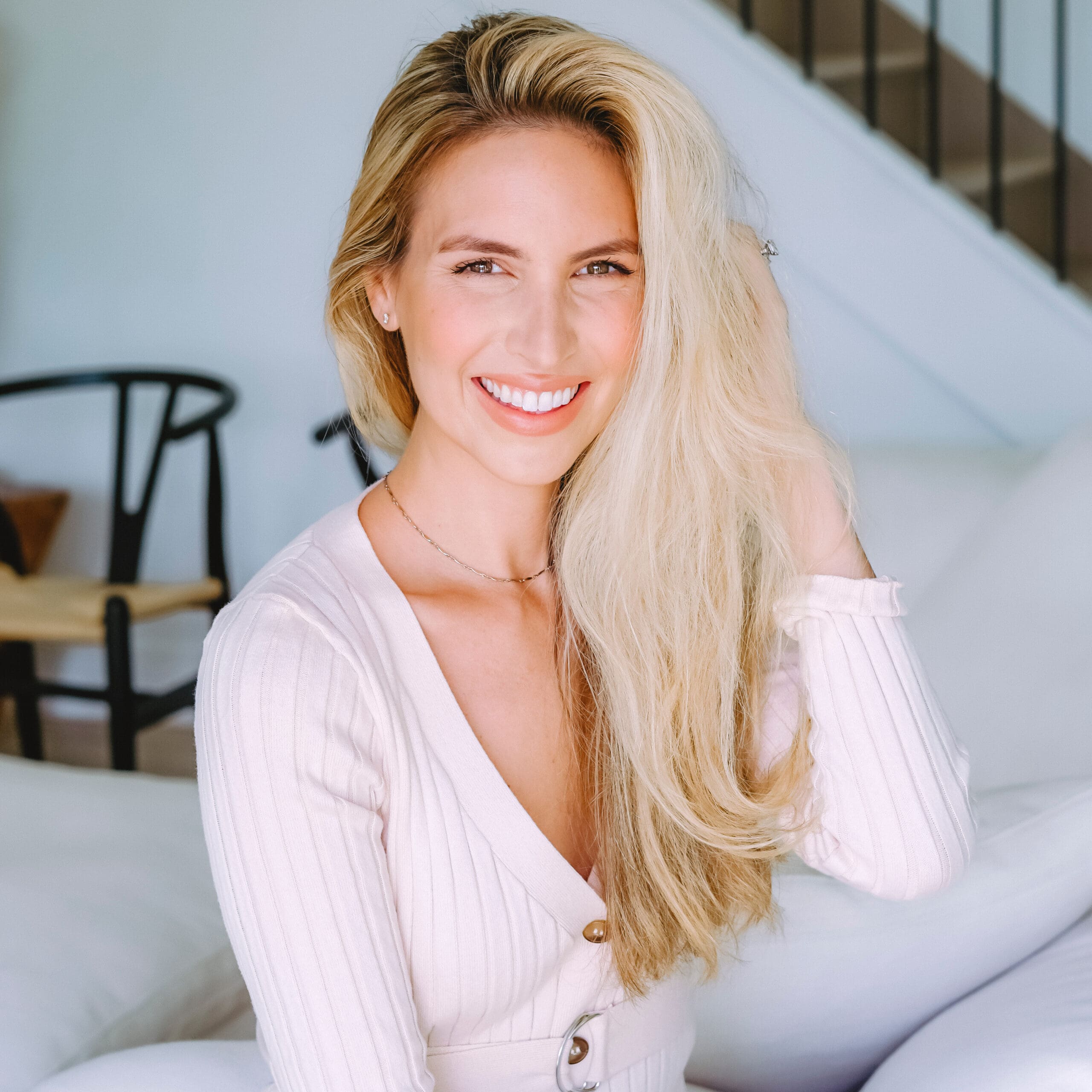
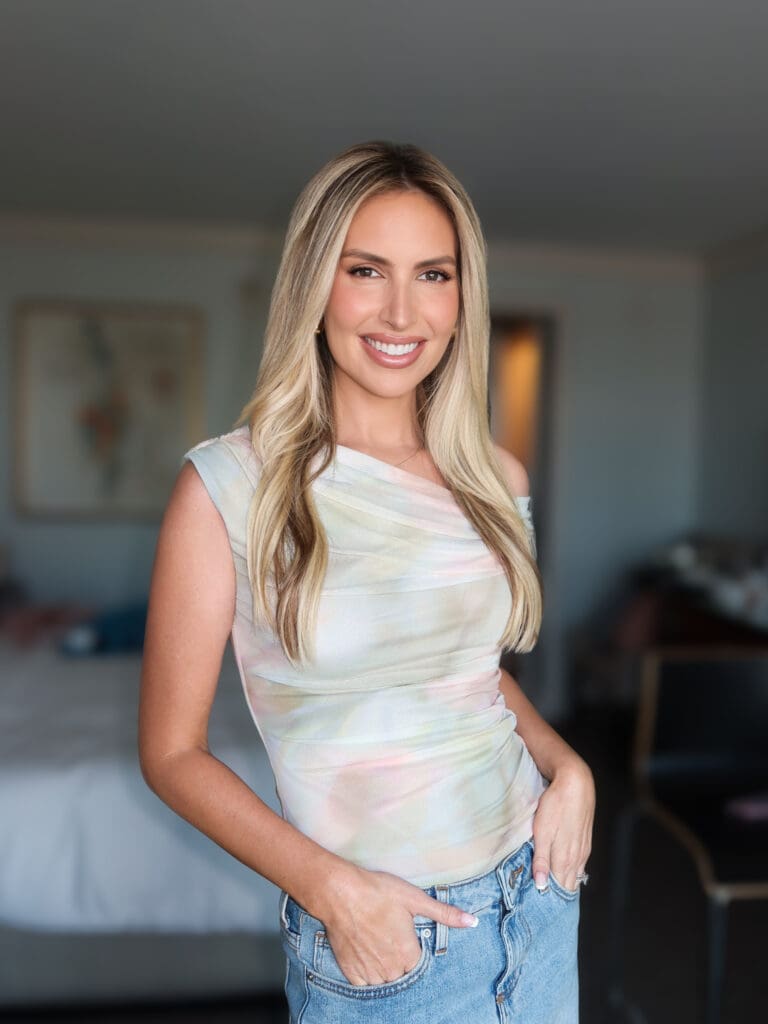
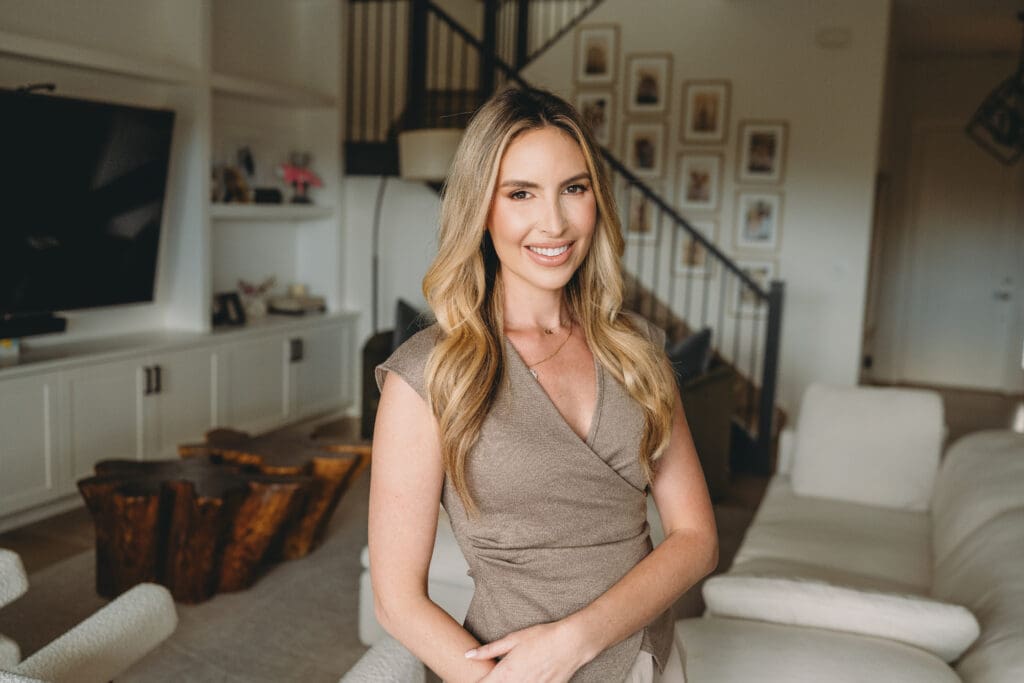
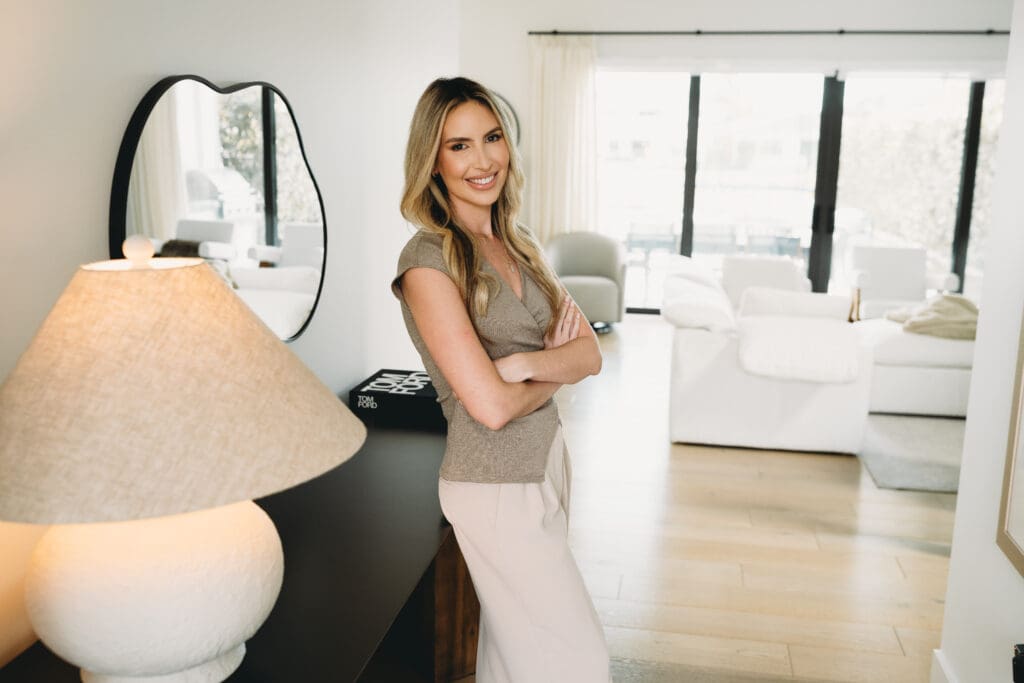
After six years in corporate accounting, Melissa Metrano took a leap of faith that transformed her from a solo strategist into a global digital entrepreneur. Today, with a combined audience of over 13 million followers across TikTok and YouTube, she has successfully redefined the “mom-entrepreneur” label by fusing relatable parenting and DIY content with high-level business architecture. Her journey—from a 2014 trial period in Los Angeles to scaling an 8-million-strong TikTok community—is a masterclass in strategic pivoting and brand longevity.
We sat down with Melissa to pull back the curtain on her private reality as a business architect and brand strategist. She shares her insights on navigating real-life parenting in the digital age, designing empowering DIY projects on a budget, and the exact moment she transitioned from a solo creator to a structured, multi-platform operation. —Noa Nichol
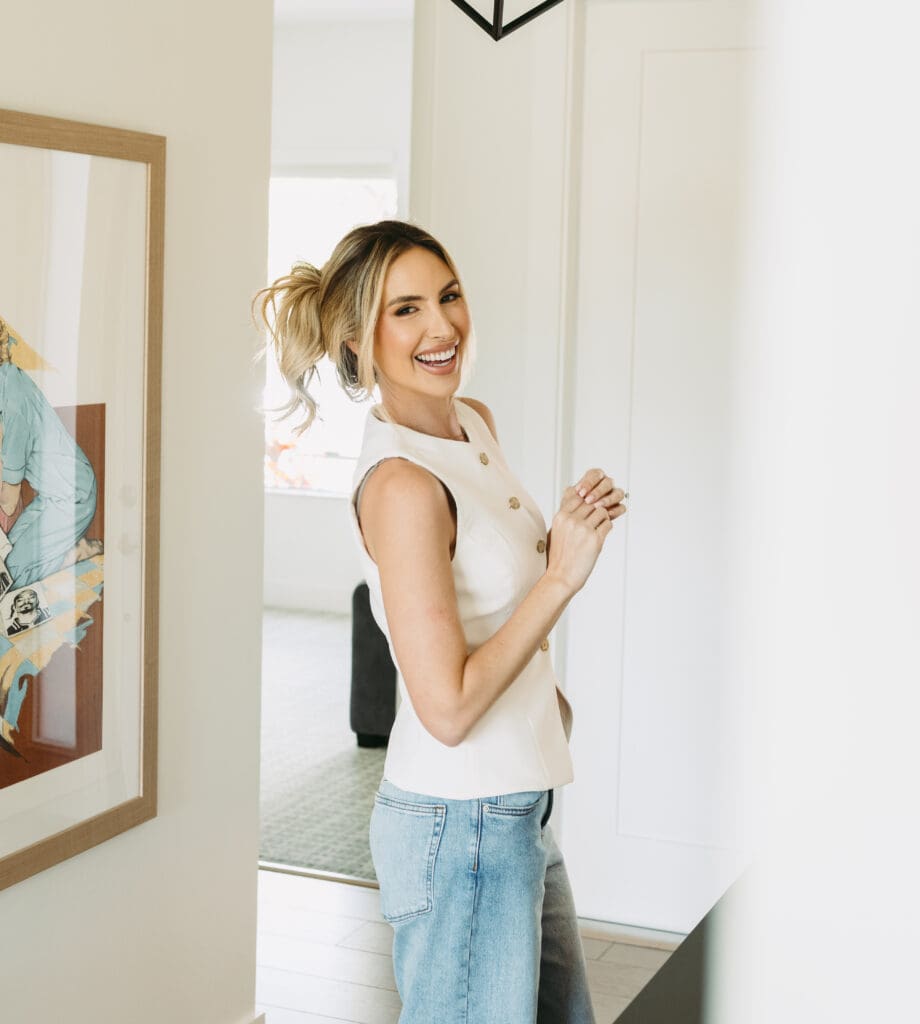
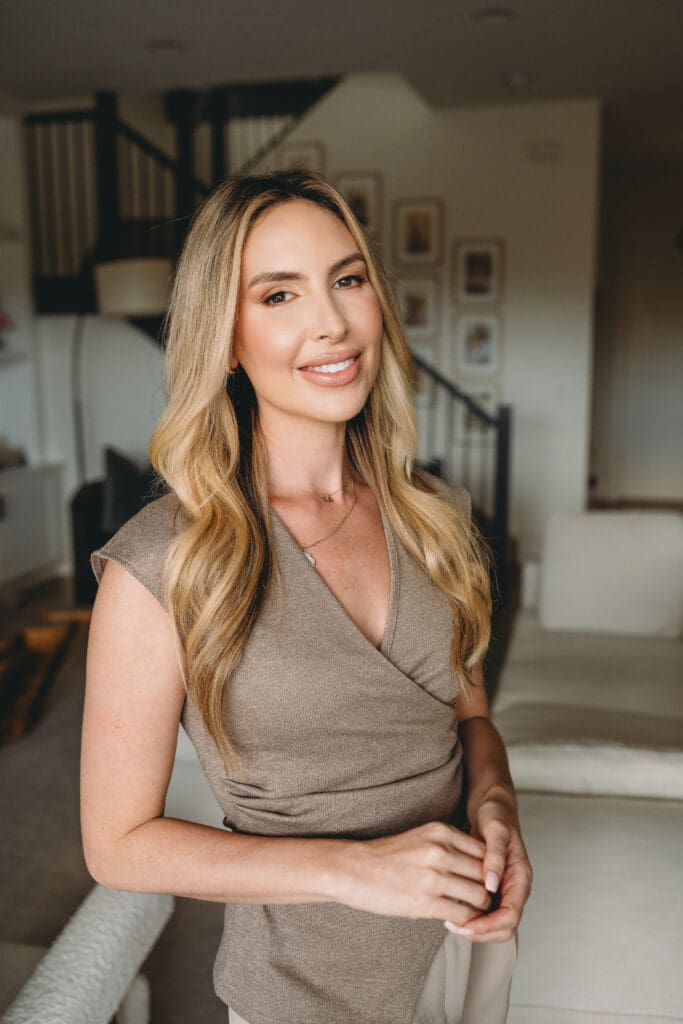
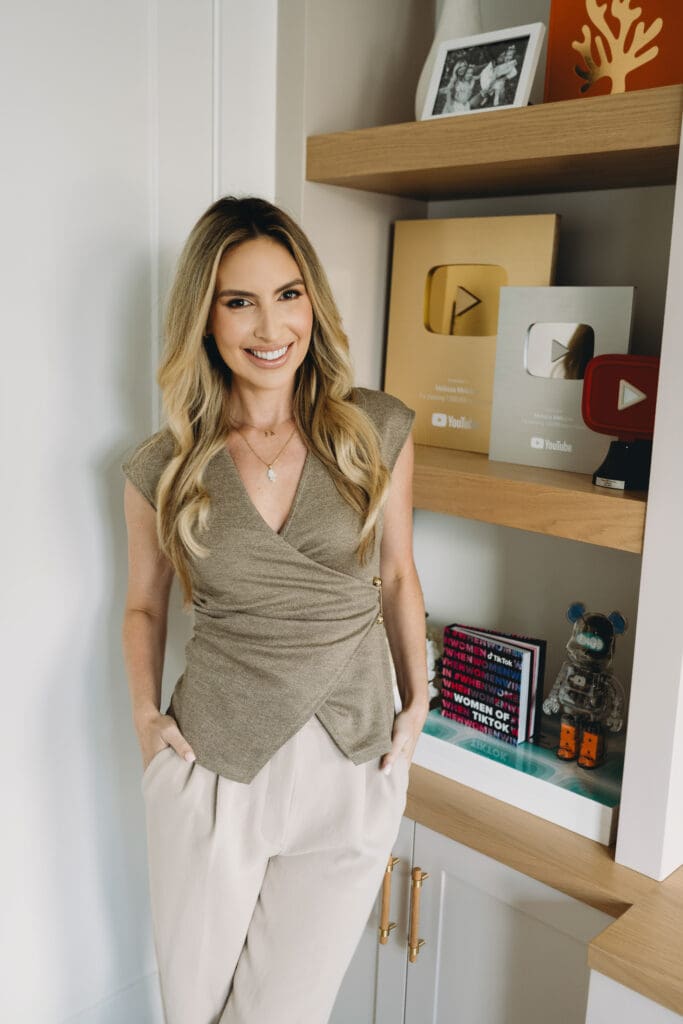
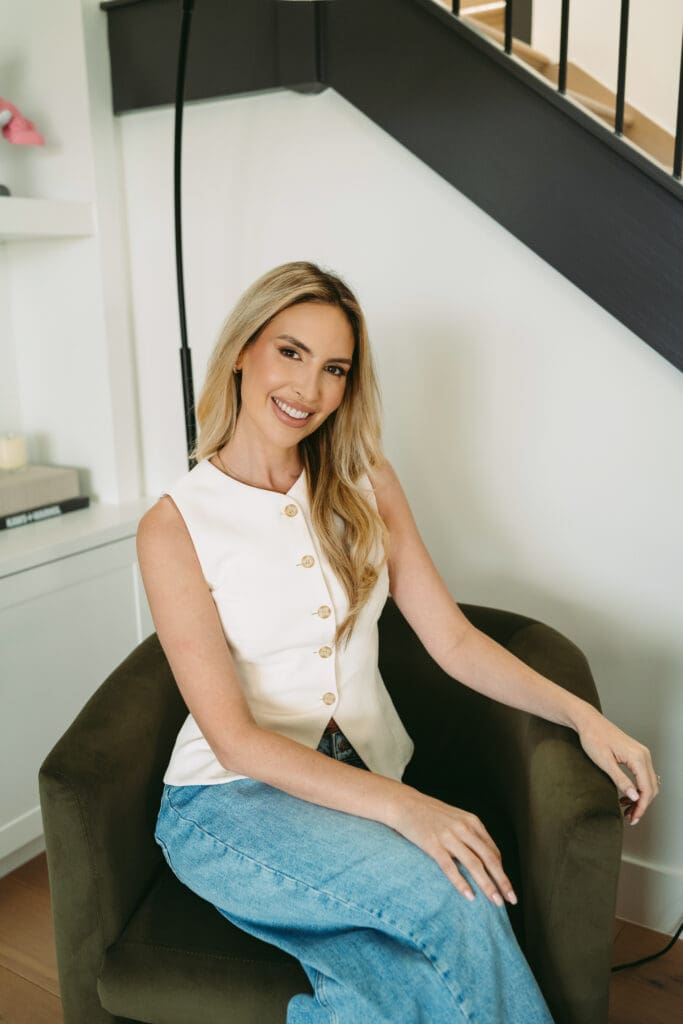
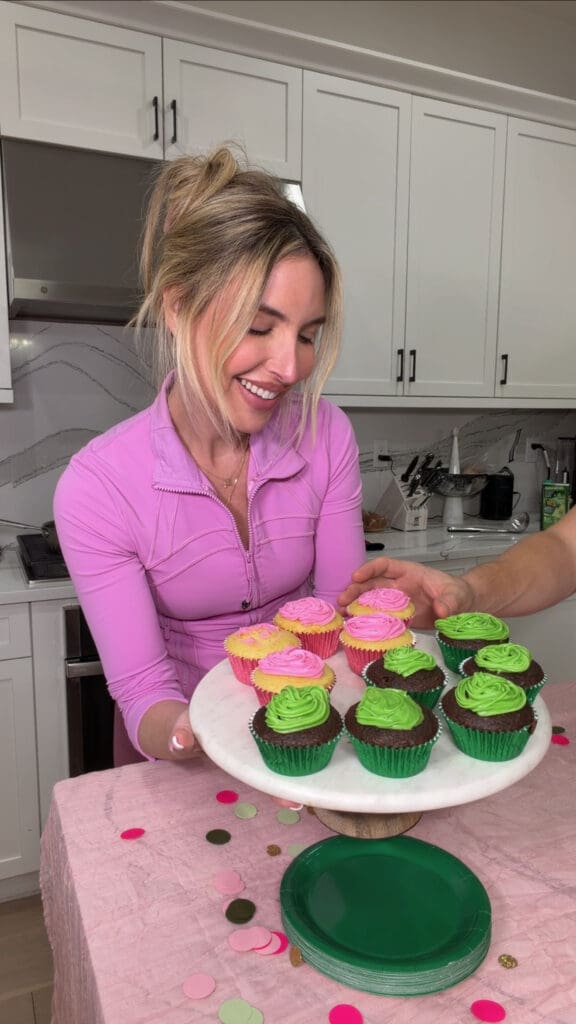
Edited in Tezza with: Cocoa & Crop 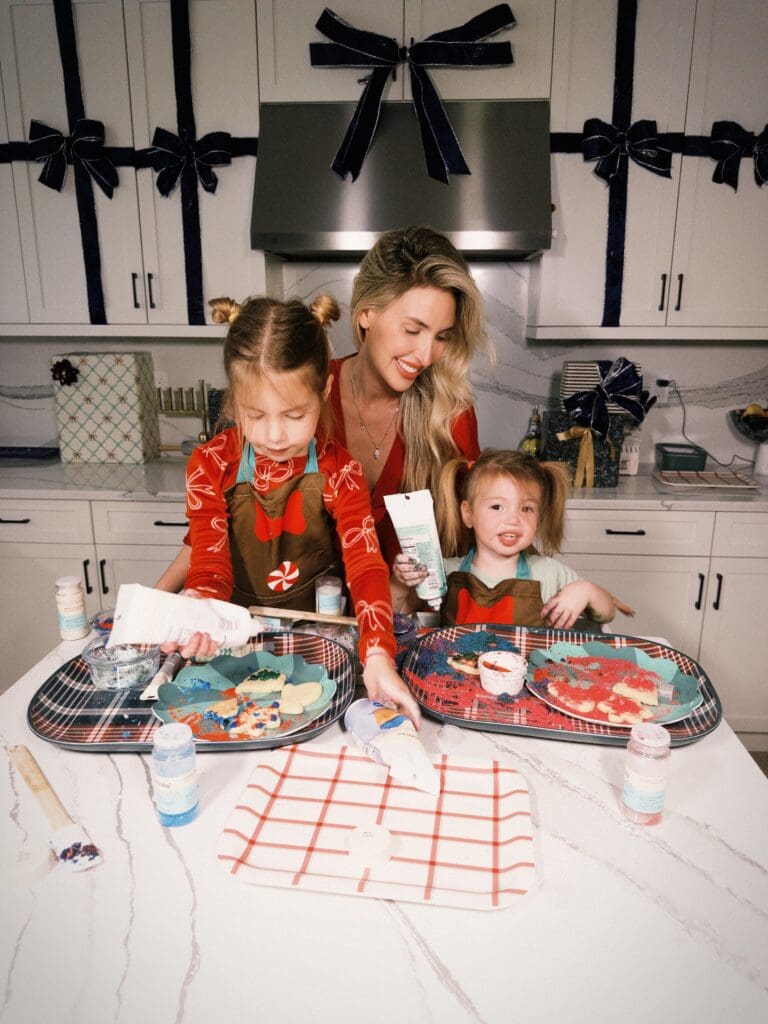
{“source_type”:”hypic”,”XTCamera”:{“labels”:”;0;0″},”data”:{“os”:”ios”,”capability_key”:[“camera_film”],”appversion”:”7.7.0″,”product”:”retouch”,”capability_extra_v2″:{“pictureId”:”345F0528-6E13-4D76-A7BC-EA4CFE874CAA”,”camera_film”:[{“sub_panel”:”light_fill_3d”,”origin”:”heycan”,”resource_id”:”7566900823028976914″,”effect_id”:”7566900823028976914″,”panel”:”camera_light_fill”}]}},”tiktok_developers_3p_anchor_params”:”{“capability_key”:[“camera_film”],”filter_id”:[],”template_id”:””,”client_key”:”awgvo7gzpeas2ho6″,”capability_extra_v2″:{“pictureId”:”345F0528-6E13-4D76-A7BC-EA4CFE874CAA”,”camera_film”:[{“sub_panel”:”light_fill_3d”,”origin”:”heycan”,”resource_id”:”7566900823028976914″,”effect_id”:”7566900823028976914″,”panel”:”camera_light_fill”}]}}”} 
Screenshot 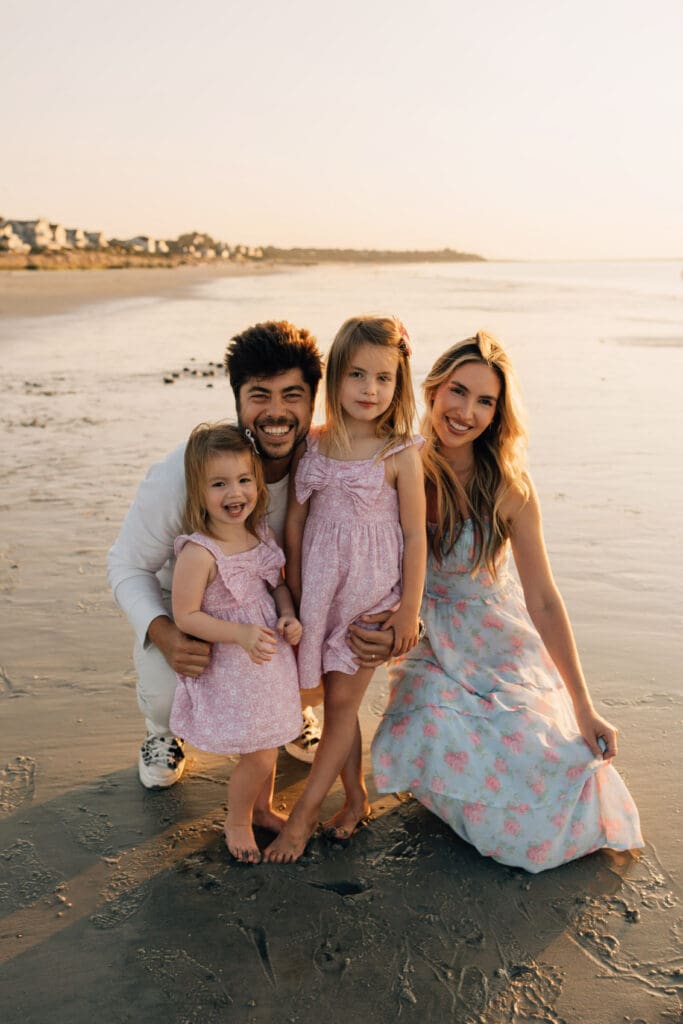
Screenshot
The Six-Month Trial: You famously left your corporate accounting job for a six-month “trial” in LA back in 2016. What was the exact moment or specific video during those first six months when you realized you weren’t going back to a desk?
When I first got to LA, I really hit the ground running. At that time, there wasn’t a clearly defined business model for creators, especially at a smaller scale, so I was exploring every avenue possible.
One moment that really stands out from those first few months was when I connected with a clothing retailer who booked me for an e-commerce photo shoot because of my online presence. It was my first real experience being on set, and then later seeing those images live on their website felt like a full-circle moment.
After spending years working in accounting, it was such a different environment, and it made me realize that the opportunities in this space weren’t limited to just one path. It showed me that if I kept putting myself out there and staying consistent, more doors would continue to open.
CPA to CEO: How does your background in corporate accounting influence your “private reality” as a business strategist? Do you still look at your brand partnerships through the lens of a meticulous auditor?
I don’t think I ever turned that part of my brain off, and I’m so grateful for my foundation in accounting.
Even though my day-to-day looks very different now, the way I think about my business is still very structured. I naturally look at things through a long-term lens—how partnerships fit into the bigger picture, how my revenue streams are evolving, and how to build something that isn’t dependent on just one platform.
When it comes to brand partnerships, I’m not just thinking about the creative or the immediate result. I’m also thinking about alignment, longevity, and whether it makes sense for my audience and the direction I want to grow in.
I think that combination of creativity and structure is what has really allowed me to build something sustainable. The creative side is what people see, but the business side is what supports it behind the scenes and allows it to last.
The Pivot Power: You’ve successfully transitioned from yoga/fitness to DIY and lifestyle. What is your secret for “reading the room” of social media and knowing exactly when it’s time to evolve your content before the trends shift?
I think one of the biggest advantages you can have in this space is staying a student of it and continuing to consume it.
Before I ever pivot, I usually go through a phase where I’m consuming more than I’m creating. I pay attention to what people are responding to, how content is evolving, and what feels natural versus forced. A lot of the time, you can feel a shift happening before it’s obvious.
I also think it’s important to keep trying new things and continue putting yourself out there, even when it doesn’t feel perfect yet.
At the same time, I’ve learned that long-term success really comes down to authenticity. If you want to build something that lasts, you have to genuinely enjoy what you’re creating. For me, a lot of those shifts have come from natural seasons of life. As I’ve changed, my content has changed with me.
I think the key is staying true to yourself while being open to growth. That’s what allows you to evolve in a way that actually feels sustainable.
DIY Empowerment: You’re known for empowering women to pick up a power tool or take on a home renovation. What is the one DIY project every woman should try at least once to boost her “home-owner confidence”?
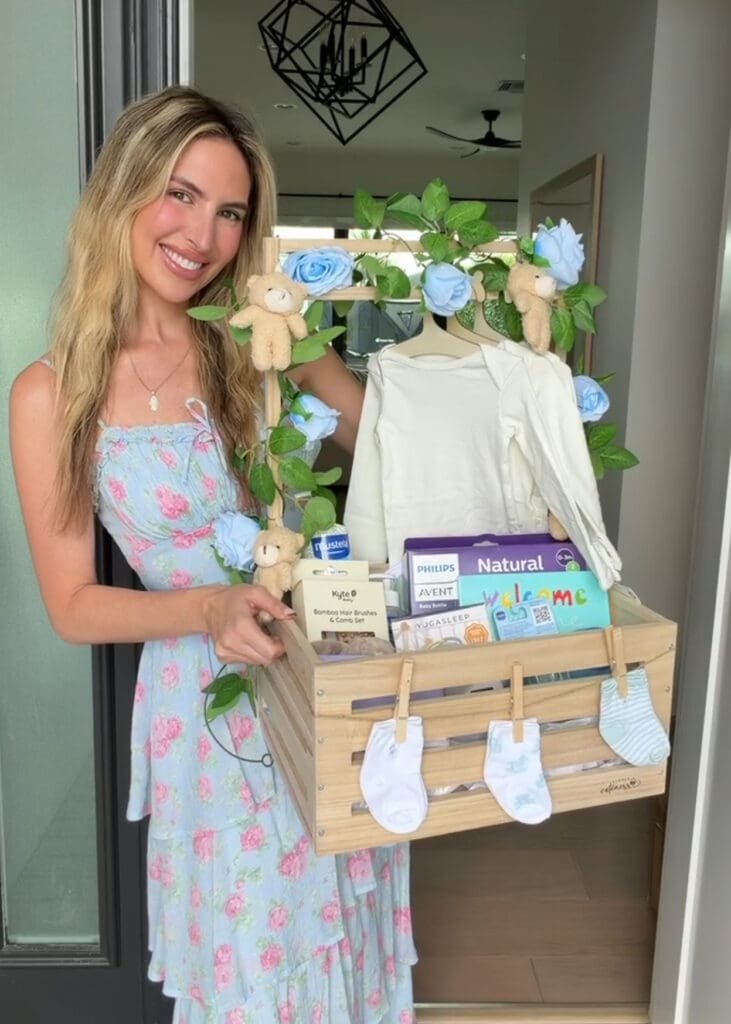
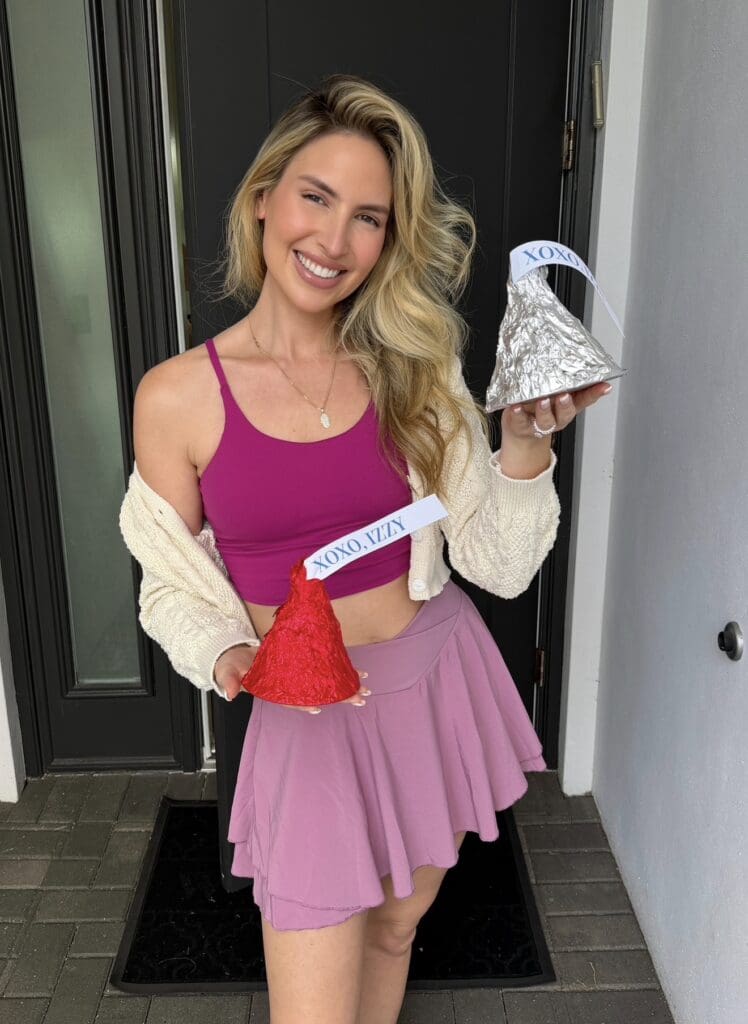
I think the best place to start is with something small and personal, like creating a DIY gift or refreshing a space in your home.
Some of my favorite projects have actually been making simple, thoughtful gifts for friends or putting together something customized. It doesn’t have to be complicated, but there’s something really rewarding about creating something yourself.
What I’ve found is that it’s not really about the project itself, it’s about building confidence. The more you try things, the more comfortable you get, and that’s when it starts to feel fun instead of intimidating.
For me, DIY has always been about making things feel more personal and approachable. It’s those small wins that really empower you to take ownership of your space and your creativity
Scaling the Empire: Moving from a solo creator to a structured team is a massive jump. What was the first task you finally decided to outsource, and how did that change your creative process?
The first real shift for me was realizing I couldn’t do everything myself if I wanted to grow.
On the creative side, I brought someone on to help with production, including filming, setting up shots, and being there in the moment while I was creating. That made a huge difference because it allowed me to stay in the creative flow instead of constantly switching between roles.
At the same time, I started working more closely with a manager to help handle emails, contracts, negotiations, and the business side of partnerships. That part of the job can easily become full time on its own.
Having support in both of those areas allowed me to focus on what I really enjoy and where I’m most effective, which is creating content and connecting with my community.
I think that was the biggest mindset shift. Growth is not about doing more yourself. It is about building the right support so you can do your best work.
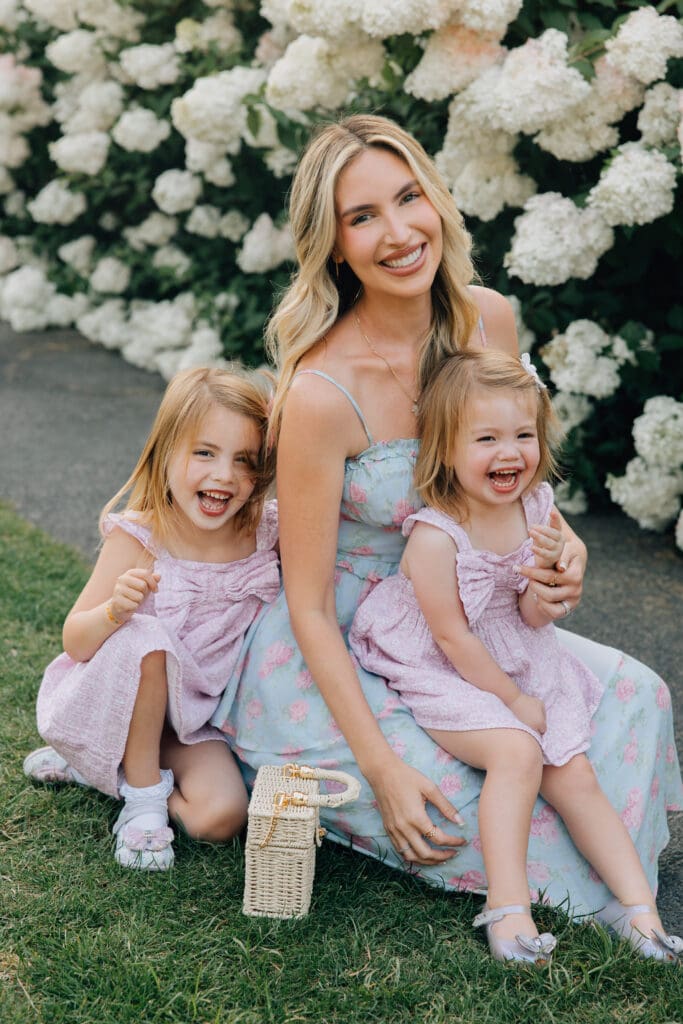
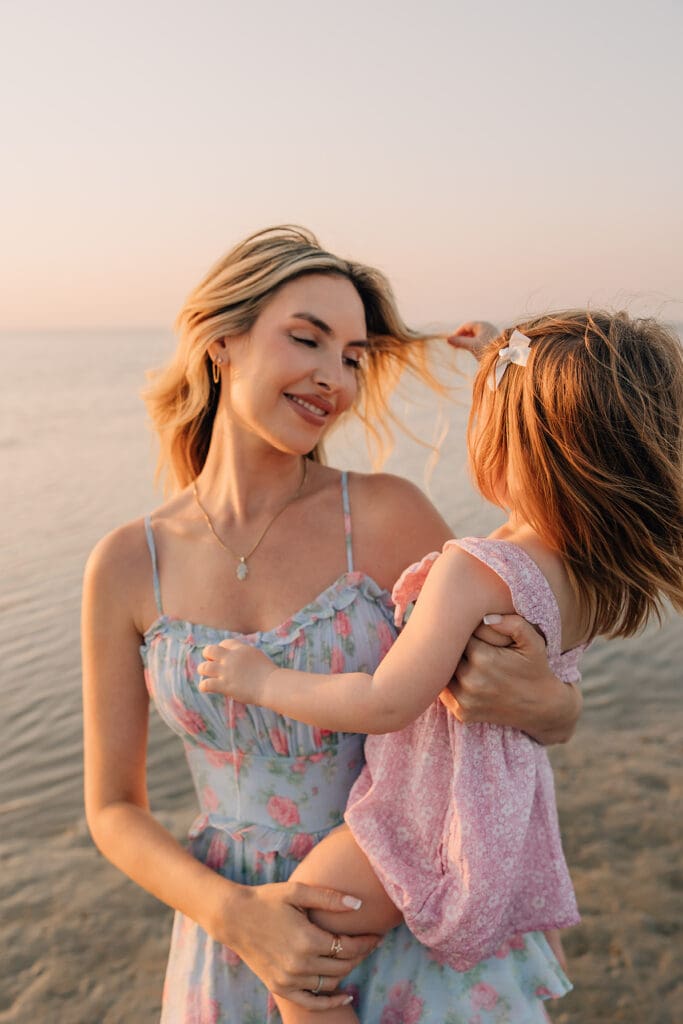
Parenting in the Spotlight: You have over 13 million followers watching your journey as a mom. How do you draw the line between sharing the “beautiful reality” of motherhood and protecting your family’s private moments?
This is something that has definitely evolved for me over the years, and I’ve learned a lot along the way.
What has helped me most is creating clear boundaries around both my work and my personal life. Even before I had kids, I started to become more intentional about how I structured my time, and that foundation has carried into this stage of my life.
The focus of my page has always been my perspective. Of course, if we’re naturally doing something as a family, my husband or my kids might be part of that moment, but I don’t feel pressure to share every aspect of our lives.
Over time, my content has naturally shifted to focus more on things that can inspire or help my audience, whether that’s a DIY idea, a product I love, or something that makes everyday life a little easier, rather than sharing more personal details.
I’ve learned that authenticity doesn’t mean full access. It’s really about sharing in a way that feels true to you while still protecting what matters most.
High-Level Branding: You’ve moved beyond the “DIY Mom” label into a full-scale lifestyle authority. If your brand were a room in a house, how would it be decorated, and what would the “vibe” be for 2026?
If my brand were a room, it would feel bright, warm, and lived in, but still very intentional.
It would be a space that feels organized without being overly perfect, where everything has a purpose but still feels comfortable and welcoming. There would be a mix of elevated pieces and more affordable finds layered together in a way that feels approachable.
The overall vibe for 2026 would be effortless and real. A space that feels inspiring, but still attainable and easy to live in. Somewhere you walk into and think, ‘I could actually live like this.”
Short-Form Savant: You scaled to 8 million TikTok followers in just two years. What is the one “hook” or editing trick you swear by to stop the scroll in under three seconds?
One editing trick I love is putting the most engaging moment of the video right at the beginning.
If the first few seconds don’t work, the video doesn’t work. So instead of building up to the best part, I like to show a glimpse of it right away to give people a reason to stop and keep watching.
I think logically it makes sense to tell a story in order, but leading with the most exciting moment is a great way to stop the scroll, especially if they’re new to your page.
Budget-Friendly Luxury: What is your #1 rule for creating a home that looks like a high-end designer showroom without actually spending the high-end designer budget?
I think my number one rule is that a space feels elevated when it’s intentional, not when it’s expensive.
You don’t need everything to be high-end. I actually think the best spaces come from mixing pieces, investing in a few items you really love, and pairing them with more affordable finds that still feel cohesive.
For me, a big part of that is keeping things simple and organized. When a space feels clean, functional, and thoughtfully put together, it naturally feels more elevated.
I also try to focus on how a space feels rather than just how it looks. If it works well for your everyday life and feels calm and inviting, that’s what really creates that luxury feeling.
The Next Decade: Having been in the game for over 11 years—an eternity in internet time—what is the one “glass ceiling” in the creator economy you are determined to break next?
I think for a long time, being a creator wasn’t always seen as a ‘real’ or sustainable career, but I’ve always viewed it differently.
To me, creators are business owners building something of their own. There’s so much strategy, consistency, and long-term thinking that goes into it behind the scenes.
After being in this space for over a decade, what I’m really excited about next is continuing to bridge the gap between social media and more traditional or mainstream media.
I’ve spent years building a community and understanding what resonates, and I think there’s a lot of opportunity to bring that into other spaces, whether that’s through products, partnerships, or new types of content that live beyond just social platforms.
I’m really excited to keep building on everything I’ve created and continue growing alongside the industry as it evolves.
share:

June 12th, 2026 at 12:22 pm
great , thanks for sharing