
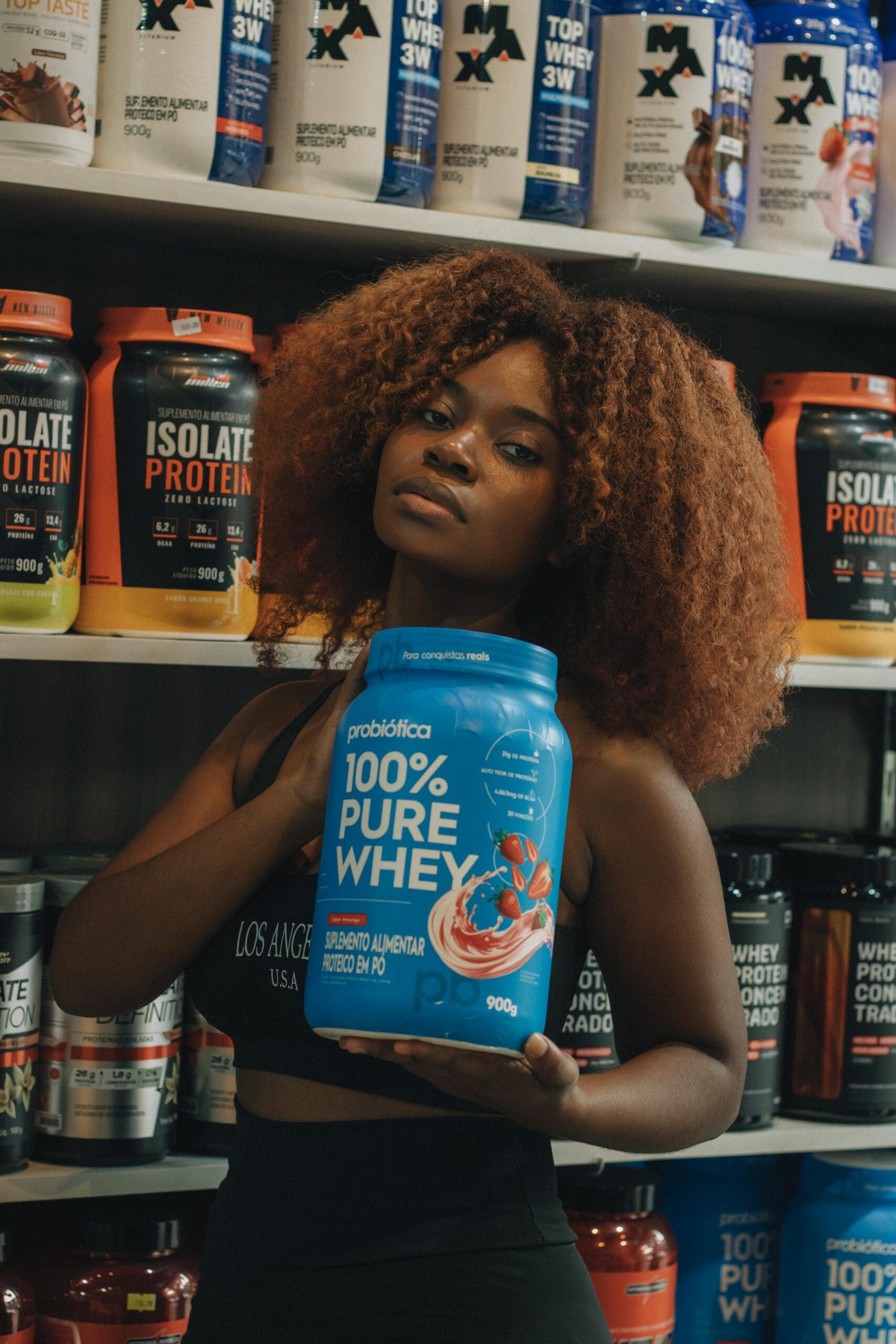
The supplement aisle has become a maze of green packaging and pastoral imagery. Nearly every protein powder now proclaims its natural purity, but these visual cues often obscure more than they reveal. For consumers genuinely committed to organic living, the question isn’t whether a product looks clean—it’s whether independent third parties have verified that claim through rigorous standards.
The protein supplement industry has grown sophisticated in its messaging, but organic certification remains one of the few areas where marketing cannot simply fill the gap between aspiration and reality. Understanding what these certifications actually require helps separate substantiated claims from creative packaging.
Why Organic Certification Matters in Protein Supplements
Most people understand that “organic” suggests something about farming practices, but fewer grasp the specific gulf between certified organic dairy production and conventional methods. Conventional whey protein comes from cows that may receive growth hormones, routine antibiotics, and feed containing pesticides, herbicides, and GMO crops. The production facilities themselves face minimal restrictions on processing aids and additives.
Certified organic processes flip these assumptions. Third-party certifiers conduct unannounced inspections, review purchase records for feed and inputs, and test for prohibited substances. This verification system exists precisely because the financial incentive to claim organic status without meeting its requirements is substantial. Organic products command premium prices, making the temptation to greenwash considerable.
Consumer awareness has improved, but it hasn’t entirely closed the knowledge gap. Many shoppers still conflate terms like “natural,” “clean,” and “pure” with organic certification, even though these words carry no regulatory meaning in the supplement context. The result is a market where genuine certification offers one of the few reliable signals among considerable noise.
Decoding USDA Organic Standards for Dairy-Based Proteins
USDA Organic certification for dairy requires that cows have year-round access to pasture during the grazing season, with specific minimum time requirements outdoors. Their feed must be certified organic, meaning no synthetic pesticides, herbicides, or genetically modified crops. Producers cannot administer growth hormones or routine antibiotics to the herd.
The 95% threshold matters more than it might initially appear. Products labeled “organic” must contain at least 95% organic ingredients by weight, excluding water and salt. The remaining 5% must come from an approved list of non-organic substances—a tightly controlled exception, not a loophole for filler ingredients.
This is where understanding the grass-fed versus organic distinction becomes useful. A product can be grass-fed without being organic if the pasture was treated with prohibited substances. Conversely, organic certification doesn’t automatically mean grass-fed, though pasture access is required. The overlap between these standards varies by producer, which is why whey protein powder from certified sources often highlights both attributes when they genuinely meet both sets of criteria.
Annual inspections involve reviewing extensive documentation: feed purchase receipts, veterinary records, grazing logs, and facility cleaning protocols. Certifiers collect samples and conduct tests for residues. Farms that fail compliance lose certification, though the opacity of enforcement data means consumers rarely hear about revocations unless they specifically search USDA databases.
International Organic Certifications: EU, Canada, and Beyond
EU Organic Regulation operates under similar philosophical principles but with some procedural differences. The EU maintains stricter limits on certain additives and processing aids, though its pasture requirements have historically been less prescriptive than USDA standards, at least until recent updates. Products certified under EU Organic can display the distinctive green leaf logo, which requires that 95% or more of agricultural ingredients meet EU organic standards.
Canada Organic certification mirrors many USDA requirements through deliberate harmonization efforts. The two countries maintain an equivalency agreement, recognizing each other’s standards as comparable. This matters for international trade but also signals to consumers that products meeting either standard have cleared similar hurdles.
Australian Certified Organic (ACO) represents another reputable system, though its standards reflect different agricultural contexts. ACO certification often appears on products exported internationally, and its presence generally indicates serious commitment to organic principles, even if specific requirements differ in detail from North American norms.
Multi-certification tells a particular story. When a product carries both USDA Organic and EU Organic seals, the producer has invested in meeting multiple regulatory frameworks. This costs money and requires additional audits, which suggests either significant export markets or a producer willing to submit to heightened scrutiny as a quality signal.
Additional Quality Certifications That Complement Organic Standards
Non-GMO Project Verified certification tests for genetically modified organisms at thresholds of 0.9% or less, stricter than organic standards alone. While USDA Organic prohibits GMOs, the Non-GMO Project adds an extra verification layer with independent testing of at-risk ingredients. This redundancy frustrates critics who see it as unnecessary, but supporters argue that cross-verification catches errors single systems might miss.
Informed Choice and NSF Certified for Sport address a different concern: banned athletic substances and contamination with unlisted ingredients. These programs test finished products for hundreds of compounds that could trigger positive drug tests or pose health risks. For competitive athletes, these certifications matter as much as organic status, though they measure entirely different attributes.
Gluten-free certification, when genuinely tested to below 20 parts per million, indicates controlled manufacturing that prevents cross-contamination. This matters less for organic purity than for consumers with celiac disease, but it demonstrates operational discipline in production facilities.
Some brands stack certifications deliberately. Companies like Naked Nutrition combine organic, grass-fed, and third-party testing certifications to address multiple consumer priorities simultaneously. Whether this represents genuine commitment or marketing sophistication depends partly on how transparently the brand communicates about what each certification actually verifies.
Beyond Supplements: The Organic Lifestyle Integration
Protein powder sits within broader patterns of consumption and wellness choices. Someone who invests in certified organic protein often makes similar decisions about produce, personal care products, and household items. This consistency reflects a philosophy about cumulative exposure and environmental impact rather than isolated product decisions.
Post-workout recovery provides a practical example. Organic protein supports muscle repair without introducing synthetic hormones or antibiotic residues into a body already stressed by intense exercise. The logic extends to other recovery practices: if you’re particular about what enters your body through food, similar scrutiny might apply to other wellness investments.
The organic living framework often includes practices aimed at reducing toxic burden. Complementary choices might include organic cotton clothing, chemical-free cleaning products, or filtered water systems. Some practitioners incorporate heat exposure through practices like outdoor saunas for natural detoxification, viewing sweating as another avenue for eliminating compounds the body doesn’t need.
This holistic perspective doesn’t require perfection. Most people maintain organic standards in high-impact areas while accepting compromises elsewhere. The supplement category often receives priority because daily consumption means repeated exposure to whatever the product contains.
How to Verify Organic Claims Before You Buy
Reading labels requires distinguishing between certification seals and decorative graphics. The USDA Organic seal is circular, green and white, with specific design elements that cannot be legally reproduced without authorization. EU Organic uses a green rectangle with stars forming a leaf shape. These official marks differ dramatically from the pastoral farm scenes and green color schemes that merely suggest organic status.
The USDA Organic Integrity Database provides searchable records of certified operations. Entering a brand name or certifying agent reveals whether current certification exists and which specific certifier oversees it. This public database eliminates the need to simply trust label claims, though surprisingly few consumers actually use it.
Red flags include vague language like “made with organic ingredients” on principal display panels without specifics about percentages, or certifications from organizations that don’t appear in USDA or international equivalency lists. Claims about ingredients being “naturally sourced” or “from organic farms” without actual certification seals suggest marketing language rather than verified standards.
Questions worth asking brands include: Who is your certifying agent? Can you provide your organic certificate? What percentage of ingredients are certified organic? Are there any non-organic ingredients, and if so, what are they? Reputable companies answer these questions readily, often posting certificates online. Evasiveness or generic responses suggest something worth hiding.
Transparency in sourcing extends beyond certification status to questions like: Which farms supply your whey? What region are they located in? How often do you test finished products for purity? These details separate brands genuinely invested in quality from those treating organic certification as a checkbox exercise.
The organic certification landscape reflects genuine differences in production methods, not just marketing preferences. For consumers committed to reducing synthetic chemical exposure and supporting regenerative agriculture, understanding what various certifications actually verify makes the difference between informed choices and expensive assumptions. The labels mean something specific when you know how to read them.
share:

March 27th, 2026 at 11:10 am
Organic standards help ensure cleaner sourcing and fewer synthetic inputs, but consumers can also benefit from looking at what else is in their supplements. For example, ingredients like beta‑glucan – a soluble fiber found in yeast and other sources – have been shown to support gut health, steady digestion, and even immune and metabolic balance by feeding beneficial microbes and slowing carbohydrate absorption. This means that when you’re choosing protein powders or meal additions, something like beta‑glucan benefits on Avaia Nutrition’s can complement the benefits of organic whey by supporting overall wellness – not just muscle recovery https://avaianutrition.com/pages/beta-glucan