
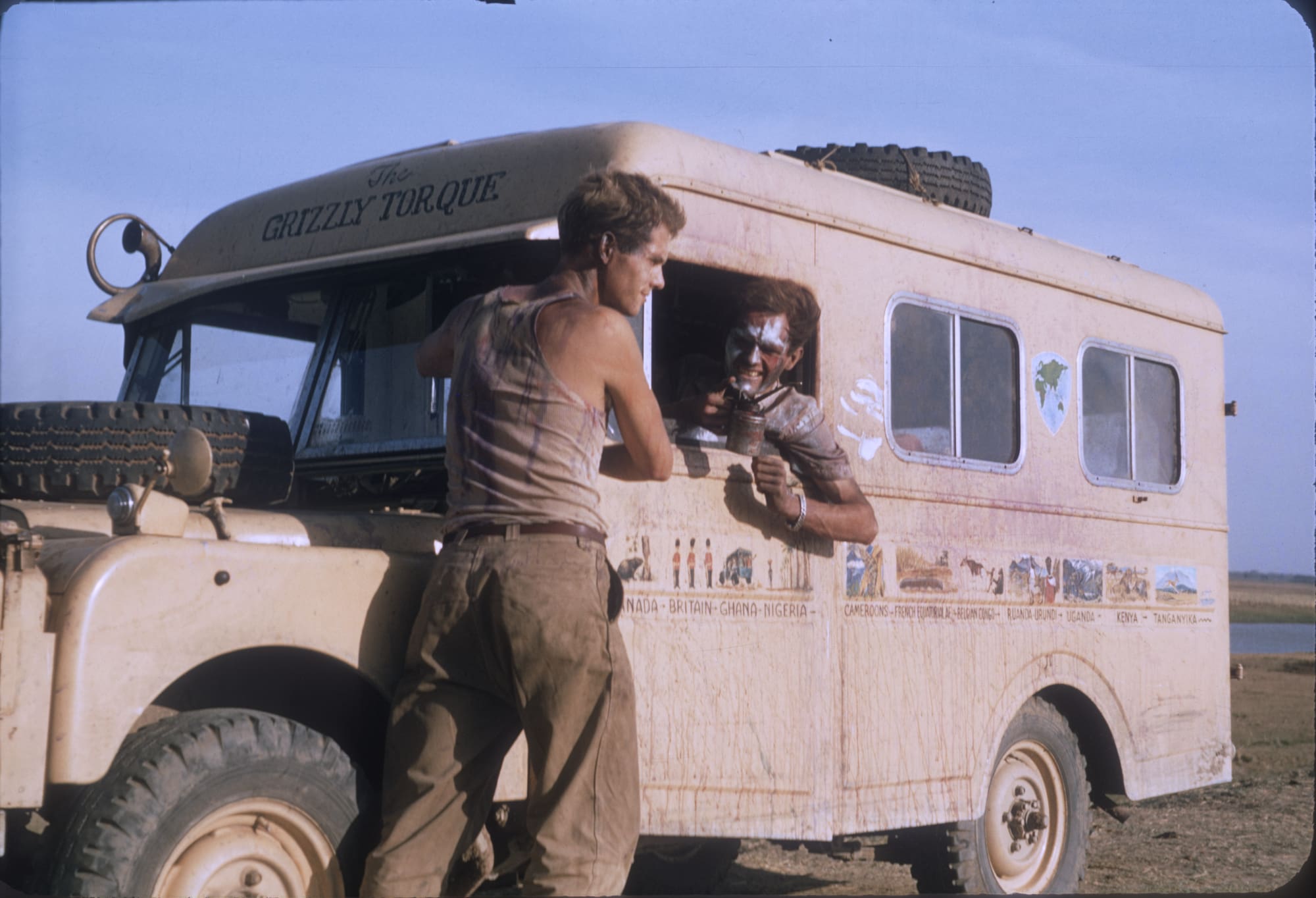
This April, just in time for Earth Month, award-winning director Alison Reid (known for The Woman Who Loves Giraffes) returns to Canadian theatres with her latest feature documentary, THE ART OF ADVENTURE. The film offers a deeply human look at the extraordinary, lifelong friendship between world-renowned wildlife artist Robert Bateman and fearless biologist Bristol Foster. Through the lens of their epic 1957 journey around the globe, Reid captures a vivid window into a planet once wild and unscarred, exploring how these two legends fought to protect the natural world—one through the stroke of a brush and the other through the rigor of science.
We sat down with Alison to discuss the film’s upcoming national release, which kicks off April 10, 2026, with screenings in cities like Vancouver, Victoria, Toronto, and Edmonton. From weaving archival 16mm footage to documenting the wisdom of Bateman and Foster as they find sanctuary in nature in their 90s, Alison shares the inspiration behind this moving reflection on legacy, mortality, and our inseparable connection to the earth. —Noa Nichol
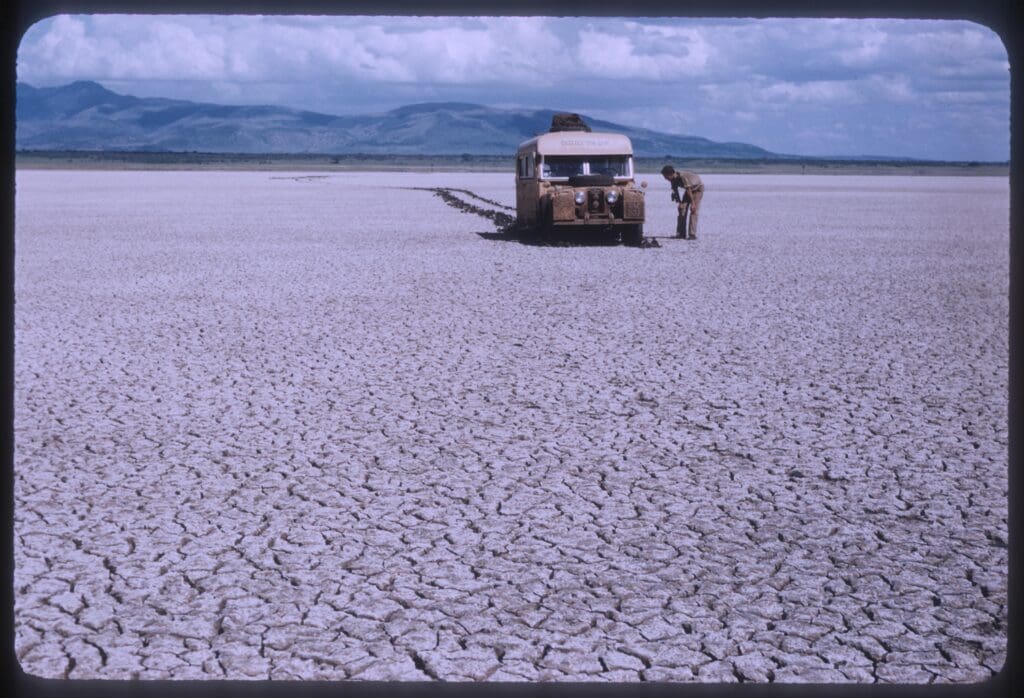
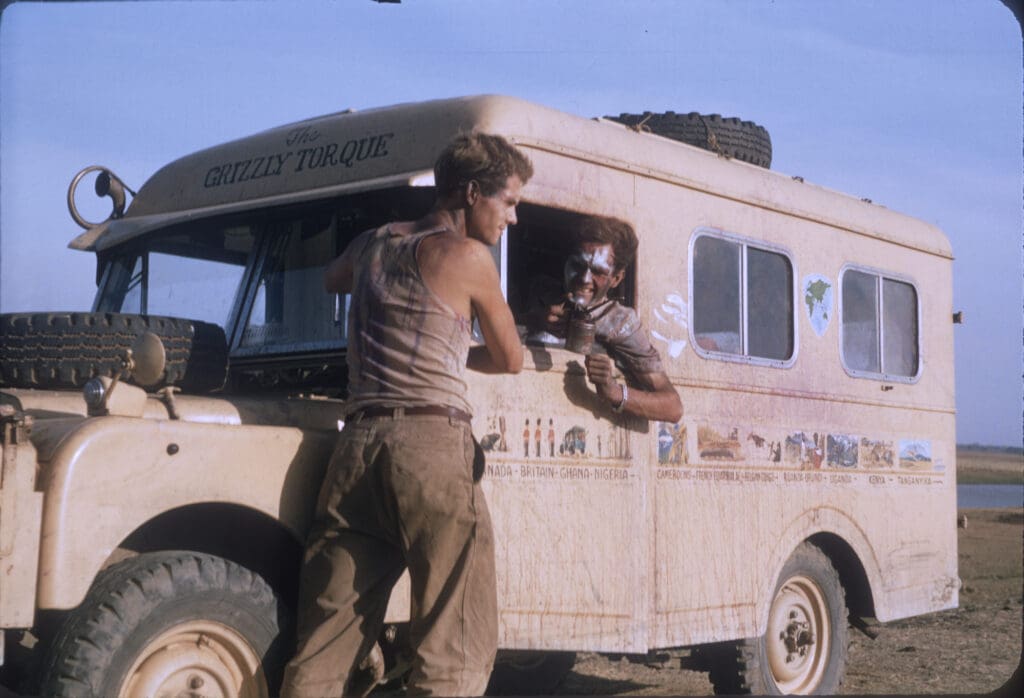
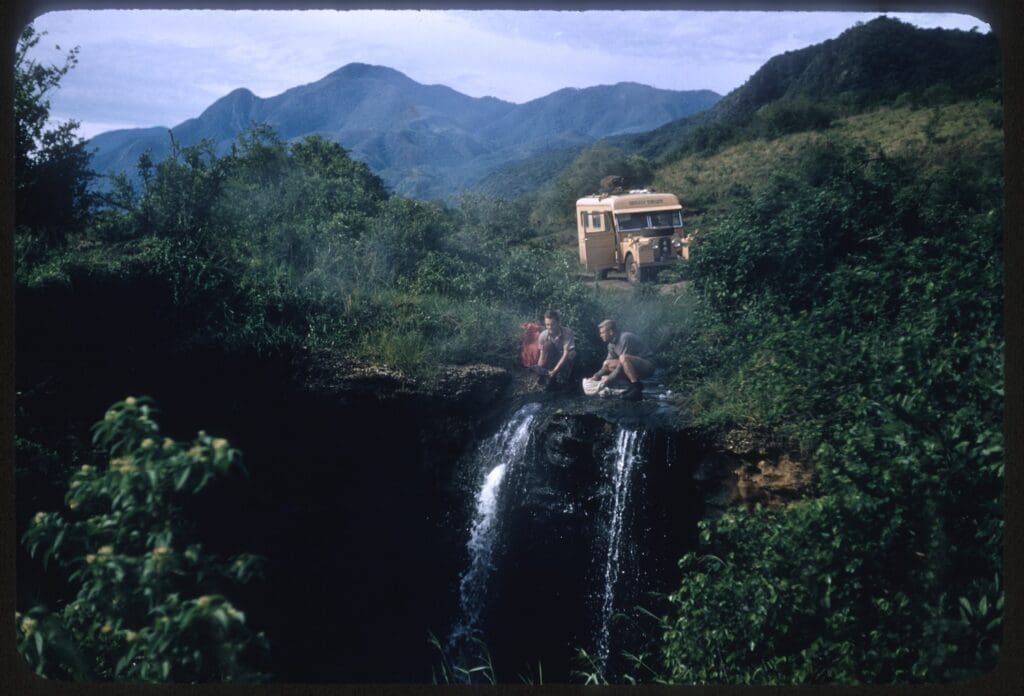
The 16mm Time Capsule: You utilized a vivid window into a once “unscarred” planet by incorporating Bristol Foster and Robert Bateman’s original 16mm footage from their 1957 world journey. From a directorial standpoint, how did you weave this vintage, raw texture with modern-day cinematography to create a seamless reflection on the natural world’s evolution?
There was an abundance of riches with which to tell this story and the footage Bristol shot on his Bolex camera in 1957 is the foundation of it all. This film wouldn’t have been possibly without it. It’s an incredible record of the way the world was almost 70 years ago. The art that Robert created on the journey is also a beautiful record – not only of the people and places they encountered, but of his progression as an artist. As well as recording their encounters in his sketchbooks, Robert also used “The Grizzly Torque” Landrover (their home for 18 months) as a canvas – painting an image for each of the 19 countries they visited along the side. Their diaries, letters home, the Telegram articles all contribute to building a vivid picture of the world as it was when Bristol and Robert were in their 20’s. Modern day footage of them in their 90’s is interwoven in a way that brings poignancy. Bristol flipping through his scrapbook, looking through binoculars at todays changed world, Robert defacing his painting of Orcas with black paint. Themes of mortality play throughout on both on personal level and a global one. Yet – this is ultimately an uplifting story. I don’t want to give away the ending, but it demonstrates how good things happen when people band together – and that our individual choices do matter.
The Alchemy of Friendship: At its heart, this documentary explores the lifelong bond between a world-renowned artist and a fearless biologist. How did you use the camera to capture the “quiet strength” and sanctuary these two men, now in their 90s, still find in nature and in each other?
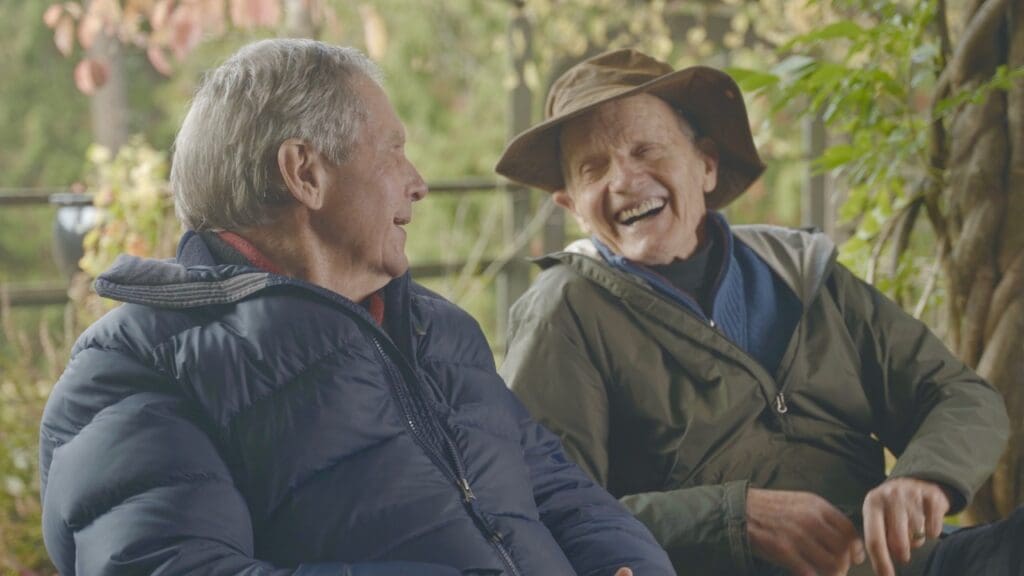
I made a conscious decision to film Bristol and Robert connected to nature and it’s extraordinary how in-tune in they are – often stopping mid-story to say ‘do you hear that tree frog?’ ‘do you hear that such and such a bird?’. In one scene when we are talking about the state of the planet and climate change, a raven can be heard cawing overhead. Bristol stops and says “the Raven’s giving us advice right now”. Whenever Bristol and Robert are together the warmth between them shines through – especially in candid moments. The humour and the banter between them is endearing and I often kept the cameras rolling after the interview ended to capture that.
Art vs. Science in Activism: The film illustrates how nature can be protected through two very different lenses—the artist’s brush and the scientist’s data. How did you visually represent these contrasting yet inseparable approaches to environmentalism throughout the documentary?
Bristol is not only a scientist, but also an accomplished filmmaker who made over 30 nature documentaries. This gave me a unique opportunity to move seamlessly between his work – seeing the beauty of the natural world as well as its destruction – alongside Robert’s artistic reflections of both. Robert’s environmental pieces are equally as striking as the ones he’s best known for. A polar bear perched on a melting iceberg, surrounded by the cold blue sea is haunting, and deeply moving.
A National Geographic Tapestry: You filmed across diverse Canadian landscapes, including Haida Gwaii, Salt Spring Island, and Quebec. How did these specific locations serve as “characters” in the film to help tell the story of Bateman and Foster’s enduring legacy?
In Robert’s paintings, wildlife is never isolated – the animals are always connected to, and interacting with their environment. That same sensibility runs through The Art of Adventure, where Bristol and Robert’s environment gives great insight into their characters. The two have travelled extensively within Canada and around the world and the fact they each chose Salt Spring Island as their home speaks volumes. Drone shots near the beginning of our film show each of their homes nestled in the incredibly greenery of lush, mossy rainforest. The iconic red bench sequence high up on a hill over looking the island is the perfect setting to bring resonance to the layers and themes we explore throughout.
Haida Gwaii, is an equally special place. It’s where Guujaaw (Haida leader and friend of Bristol’s) lives, where Bristol did his PhD research, and where Guujaaw and Bristol fought together against industrial logging.
The Earth Month Message: With the film launching across Canada in celebration of Earth Month, what is the one cinematic “moment” or piece of elder wisdom you hope resonates most with audiences as they reflect on humanity’s inseparable connection to nature?
In the opening of the film Bristol says, “We’re part of nature, whether we admit it or not. And we depend on nature”. That sums it up perfectly. Protecting nature and our survival are inseparable – and for Bristol and Robert, that protection begins with something simple but powerful – getting outside and forming a real connection with nature. In the film we see them each inspiring young people to do just that. As Robert puts it, “All through my life, I’ve been dropping pebbles in the pond and hoping there are some ripples.” Ever-upbeat Bristol advises “If you want to do something – just don’t hesitate – do it!
share:

May 5th, 2026 at 9:53 am
If you are creating your own pink PFP, then tools like editing apps and design platforms can help you customize colors, add filters, and improve overall appearance. Adding small details like sparkles, glow effects, or soft shadows can make your Pink pfp more unique and eye-catching. It is also important to choose a style that matches your content and personality so that your profile looks consistent.