

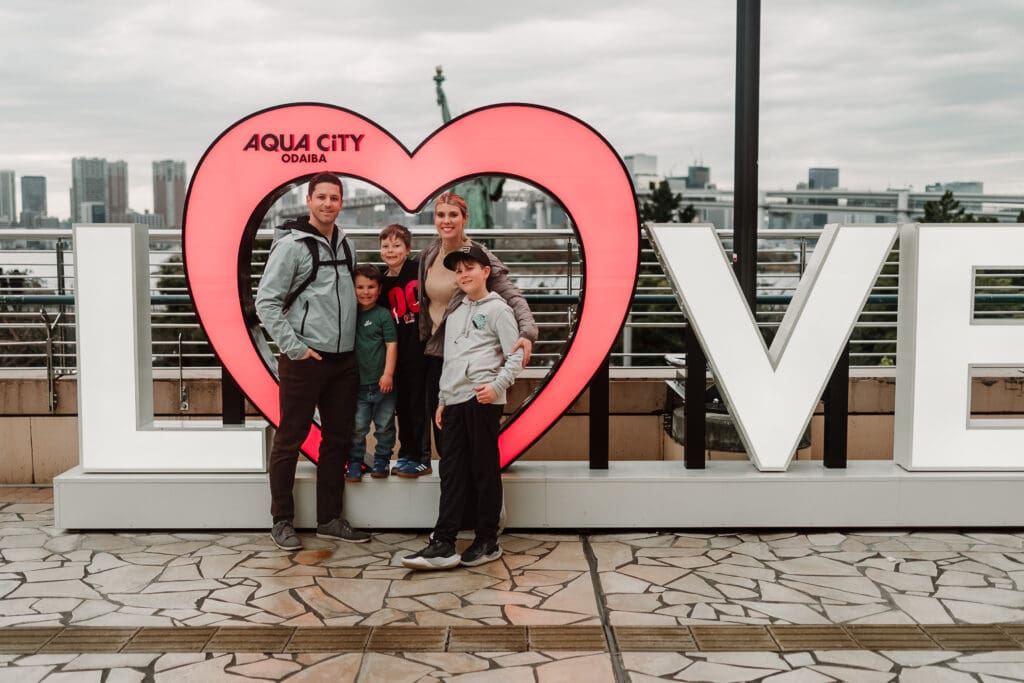
The Japanese National Tourism Organization (JNTO) announced that Japan received nearly 50 million visitors in 2025 and has every reason to suspect that 2026 will follow suit. With over 600,000 of those visitors being Canadians, it feels like everyone I talk to lately has either just got back or is planning their next trip to a country a third of the size of B.C. Drawn in by my own curiosities surrounding the hype, but also the culture behind it, we too followed the wave, boarded the 10.5 hour flight with three children in tow, destined for Tokyo, to discover what truly makes Japan worthy of our obsession.

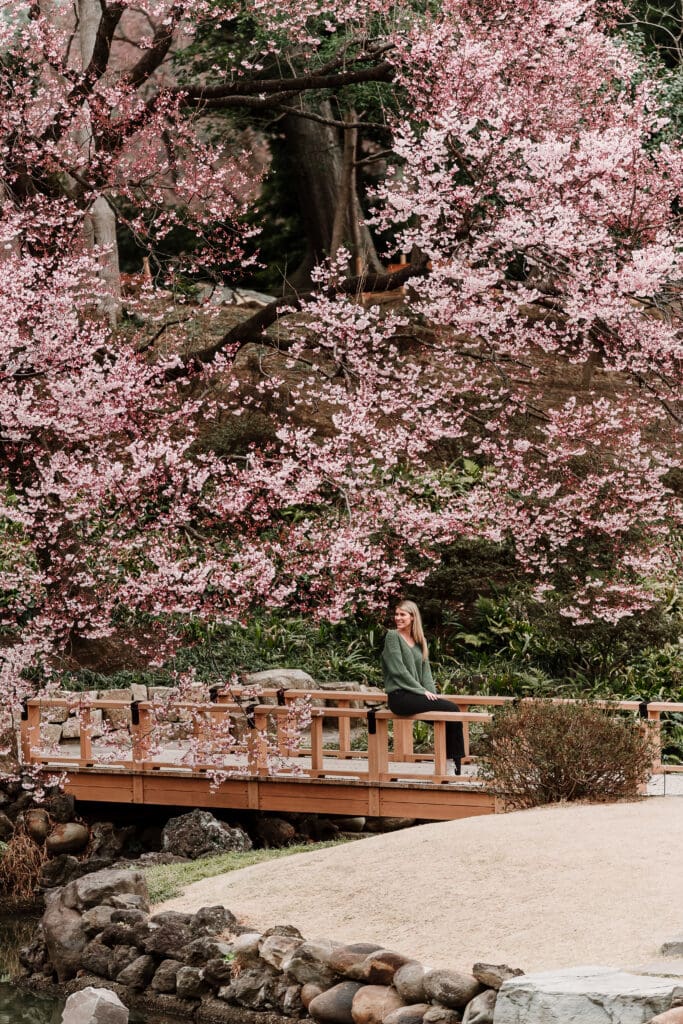
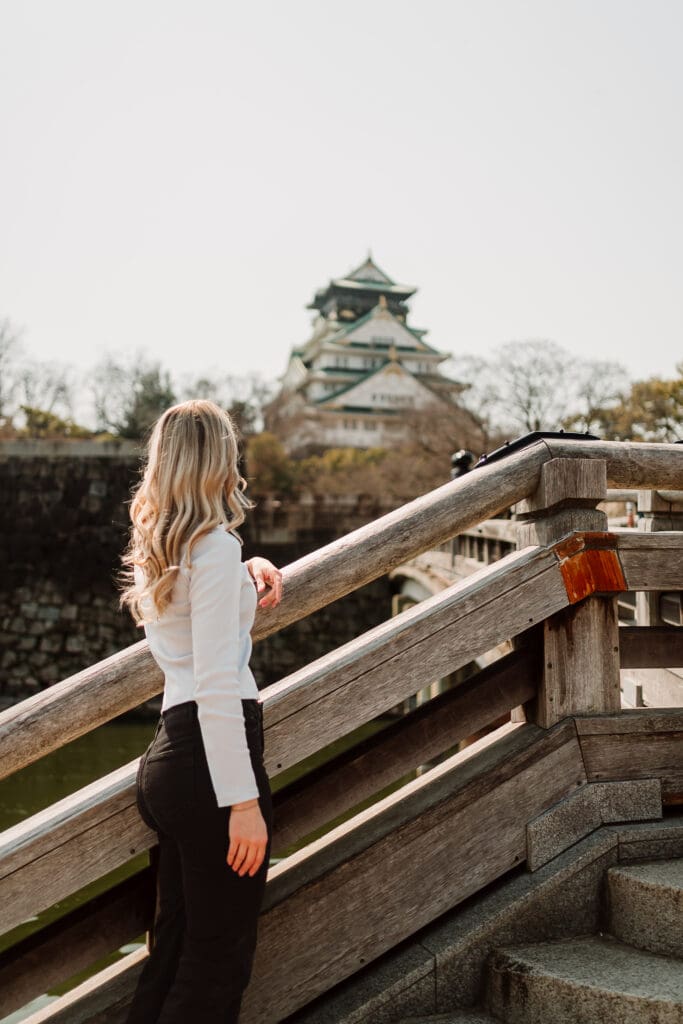
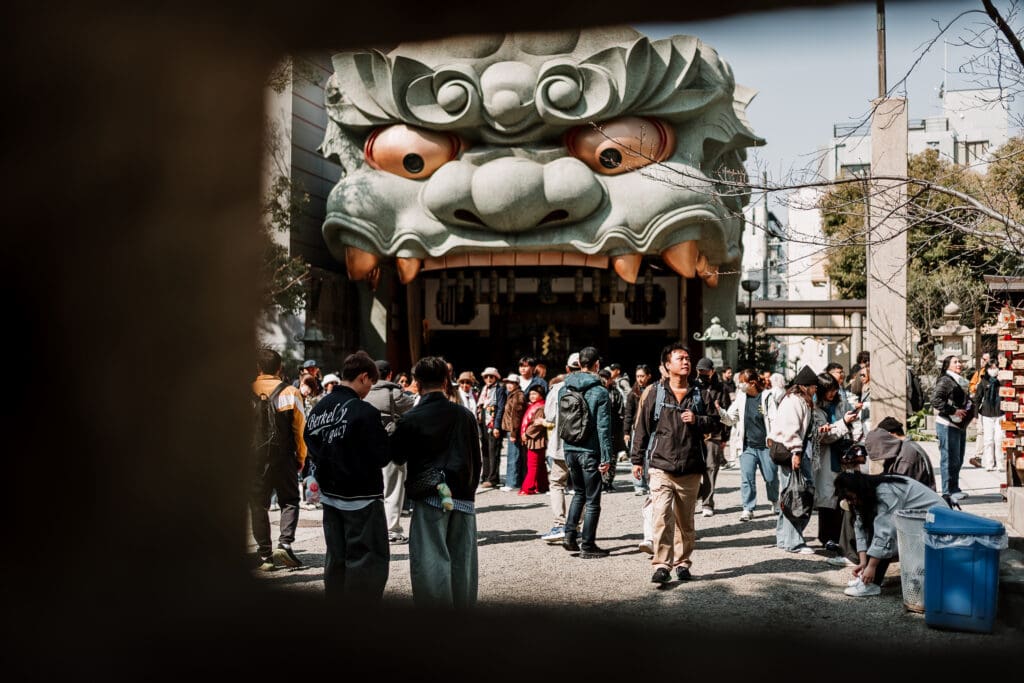

I’ve been to places around the world considered some of the most beautiful on earth. I’ve sailed down the Seine, gazing at the twinkling Eiffel Tower, dove through the crystalline waters of the Maldives, and marvelled at the white sand beaches in Panama. I’ve snapped panoramas of La Familia Sagrada in Barcelona and caressed the stone railing of the St. Charles Bridge in Prague-I could go on, but you get the point.
All of these vistas share something unexpected in common: although they are spectacular, they are dirty. Time and again, I’ve arrived at a popular city, landmark, or natural attraction only to find that though it is stunning to behold, just beyond the frame, it’s littered with garbage or other remnants of human presence.
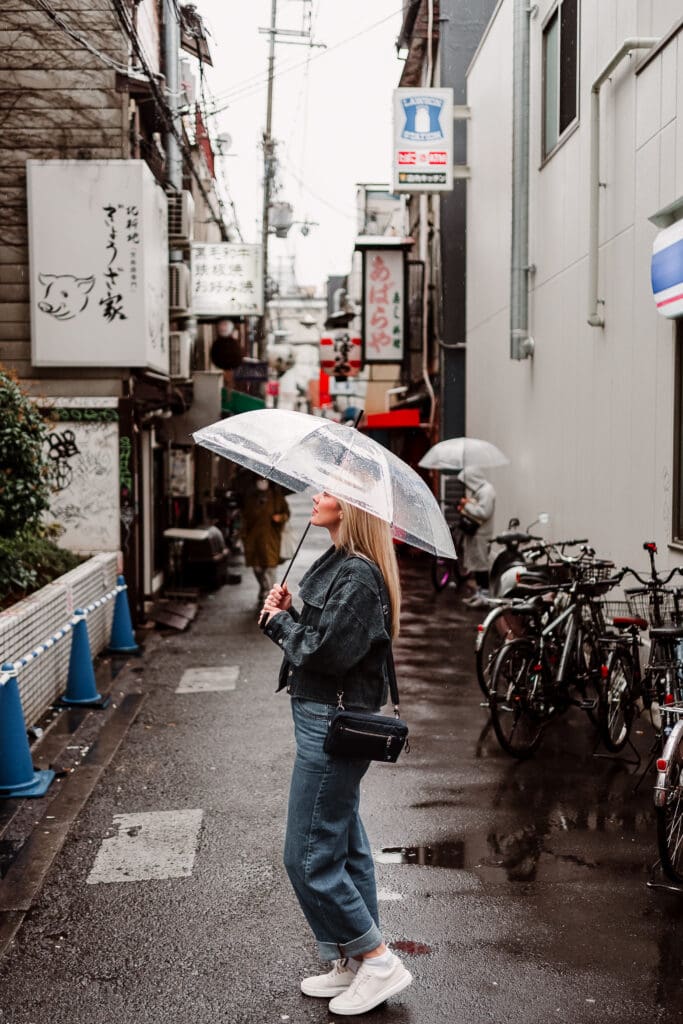
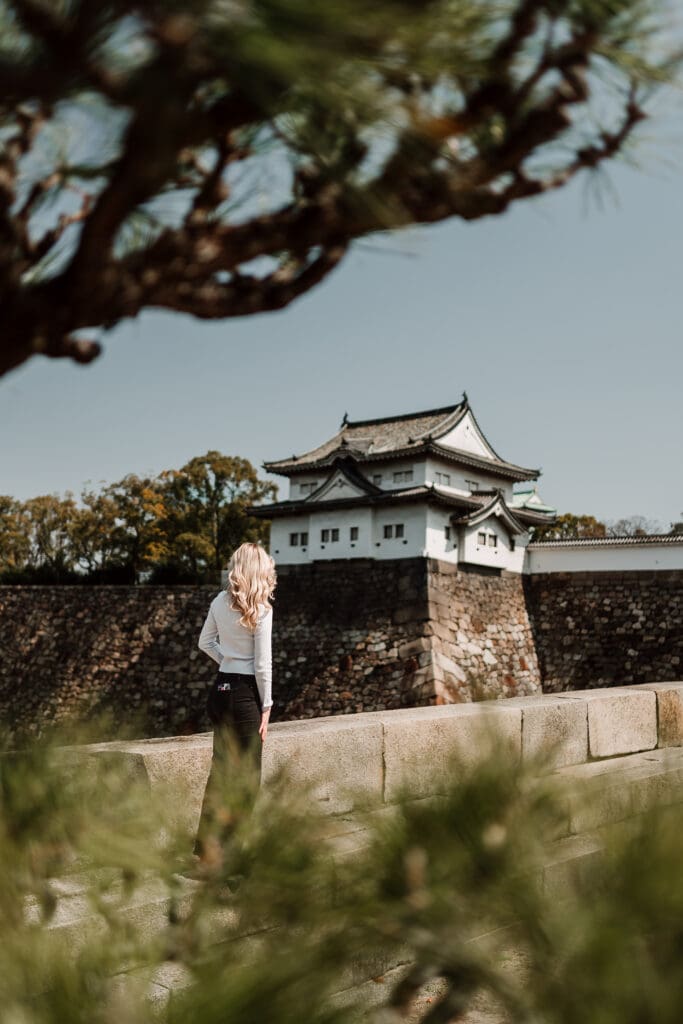
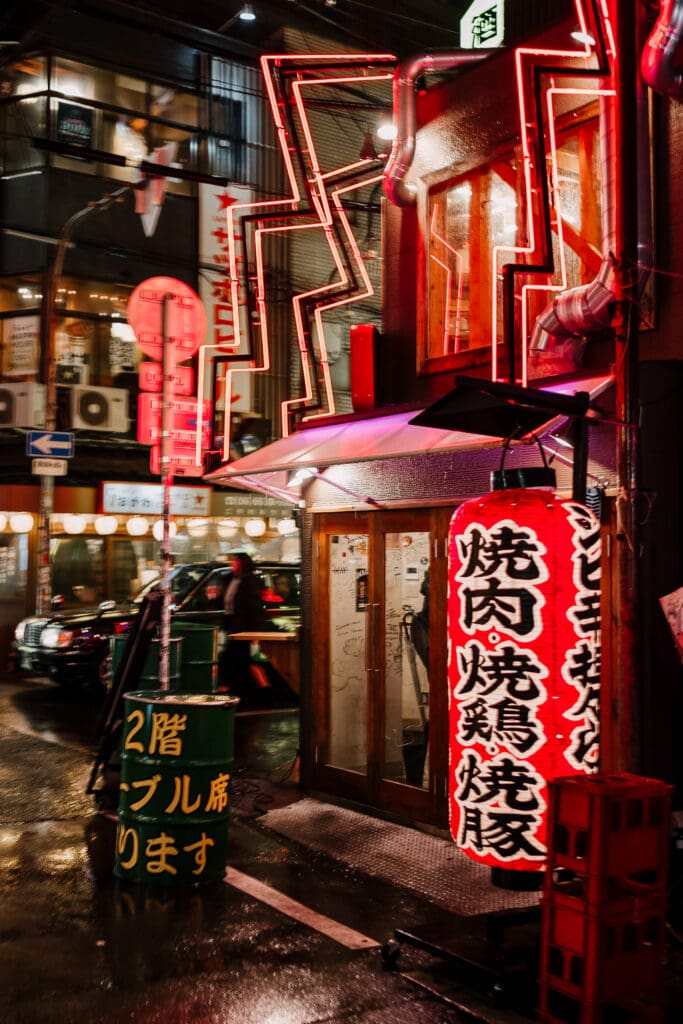
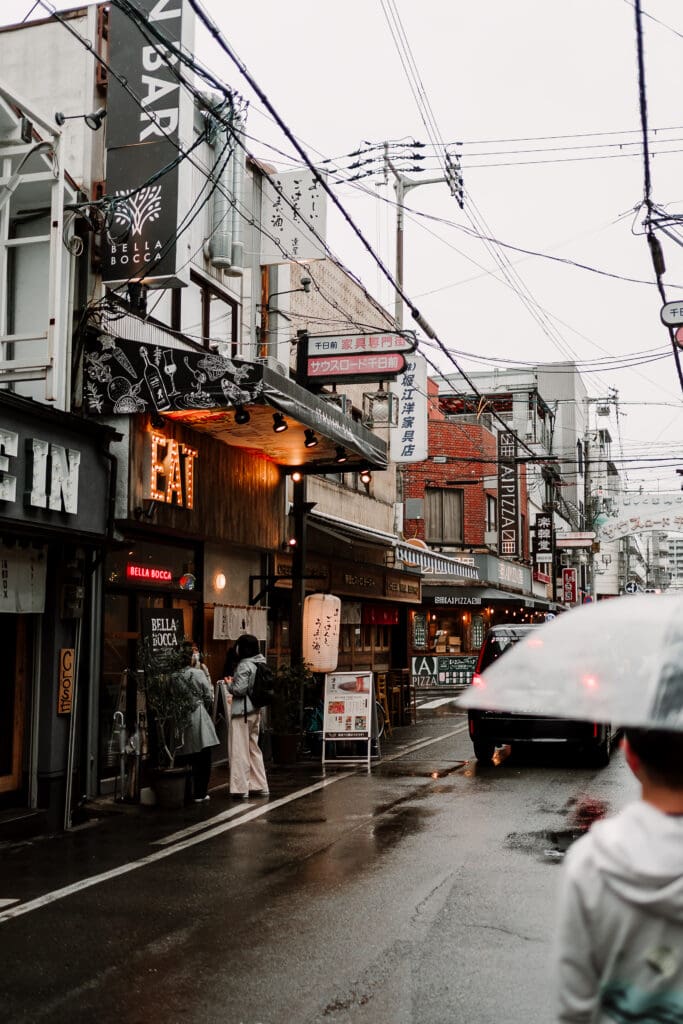
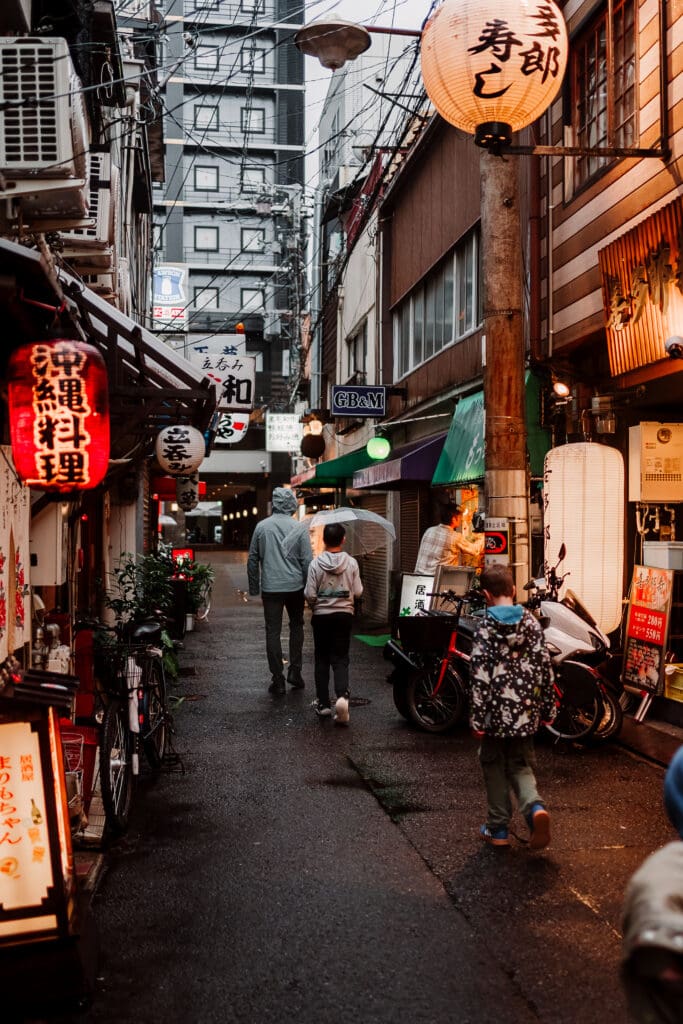
You may have heard about Japan’s meticulous dedication to cleanliness. I was aware that there are no public garbage cans in Japan and had heard that Japan is very clean but I didn’t realize just how much that would elevate the experience. To be standing on the Dotonburi in Osaka or stroll Chuo-dori in Ginza, or wait in a park for an obligatory photo with a sakura tree and there isn’t so much as a gum wrapper to be seen. How absolutely incredible to feel that though you are surrounded by people, every one of those individuals respects the space enough to leave no trace.
How often have you been somewhere that could have been so amazing had it not been tainted by the visible evidence of human disrespect or lazy disregard for the sanctity of public or natural spaces? I was surprised by how profoundly this affected me as a traveler and made me consider my footprint as a guest around the world. At times we bemoaned the lack of a public garbage can with three littles and their steady stream of snack wrappers, however, I was impressed that even through weathering 42.7 million tourists and their garbage, Japan has not bent to convenience, they remain completed devoted to their belief that respect for public spaces must be upheld, end of story.
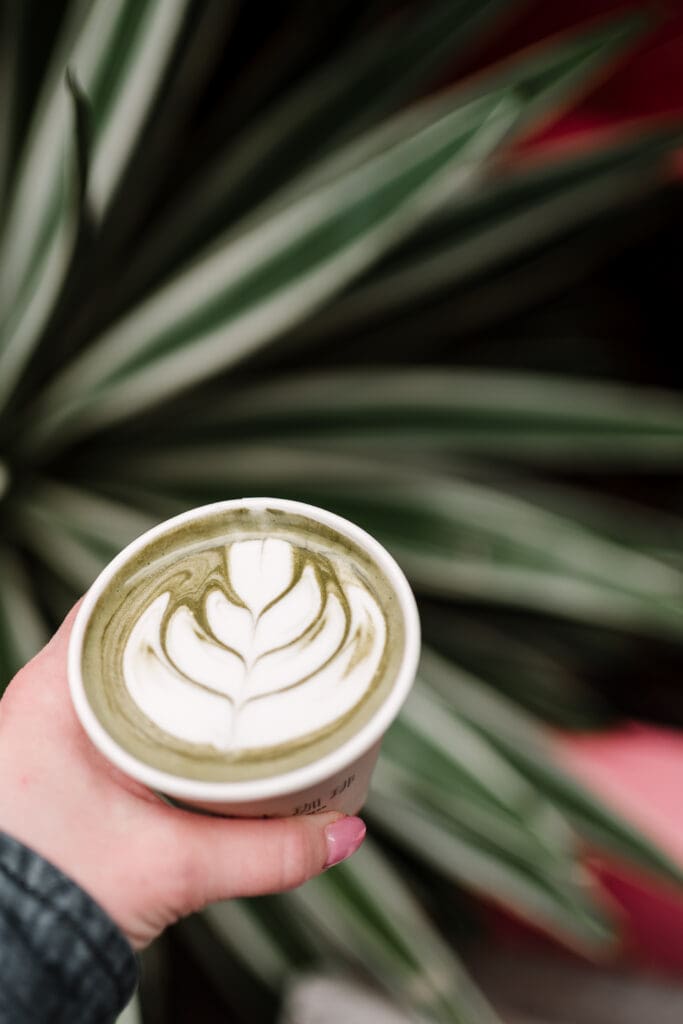
As a content creator, I inevitably spent hours planning our trip by swiping through a myriad of reels on viral treats like the famous crispy milk bread cream-filled sandwiches, unique places to visit like the Art Aquarium Museum, and iconic photo ops that beg the question: if you didn’t take a photo here did you even go to Japan? I was eager to discover how these Insta-famous moments translated beyond the screen and into real life and here’s what I found. Nearly every viral food or drink you see on your feed will be as cute in real life as it is on social media. The Japanese are nothing if not perfectionists of aesthetic, art, and detail. Bonus: They’ll taste as good as they look, or in the case of the jiggly pancake, even better than they look. However, you will wait. I mean like you will wait a looong time. You’ll get in line and after 20 minutes start questioning your choices, after 45 minutes it’ll feel like your clothes will go out of style before you ever get to sip the 3D foam off a latte shaped like a fluffy Shiba Inu. By the one-hour mark, you’ll realize you simply won’t have time to try every viral bite in Tokyo, and you’ll have to decide what matters more: waiting in line for Cheese Coins or actually seeing the city.
Facing the reality of millions of tourists with the audacity to be touristing at the same time as me, I didn’t anticipate having any moments of communion with nature on this visit. Coming from the Okanagan, a place I can easily slip into the woods and streak naked through the ponderosa pines if I so chose (and with a lake view to boot) with no one the wiser, I deeply value solitude in nature when I travel.
So when I stepped into Tokyo Station gripping my 4- and 6-year old’s hands for dear life as rushing streams of people made me understand what it must feel like to be a spawning salmon, I doubted forest bathing was in my near future.
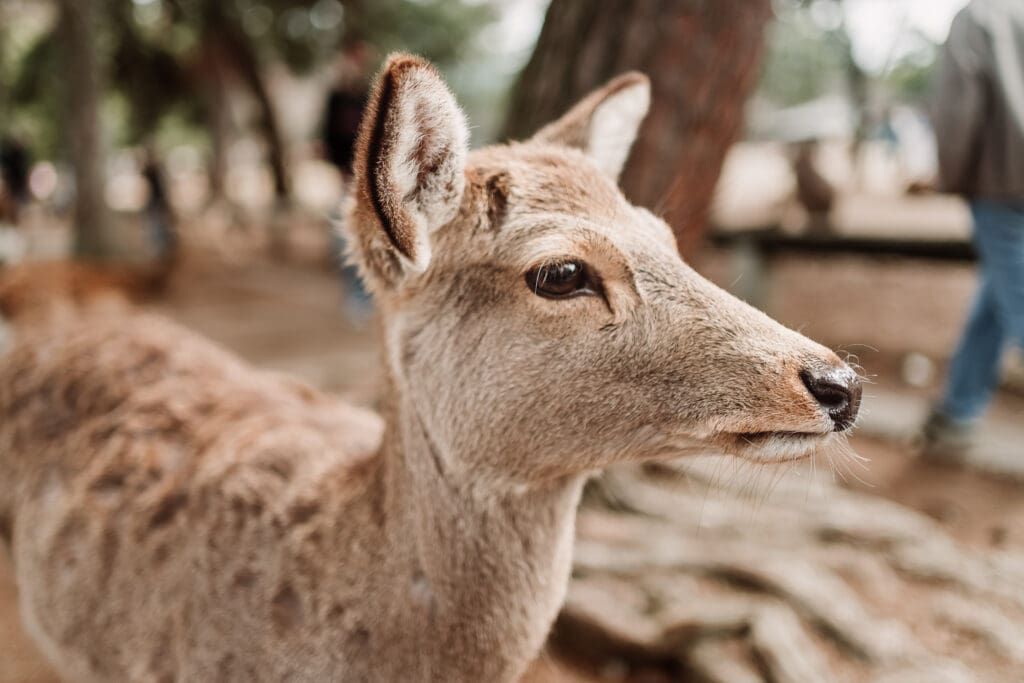
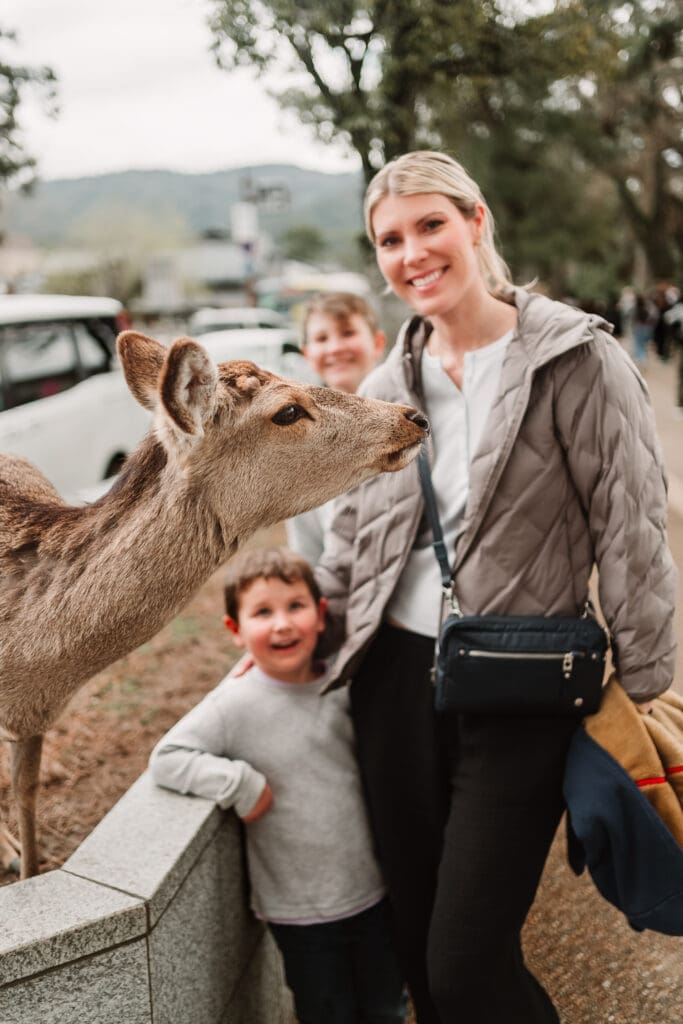
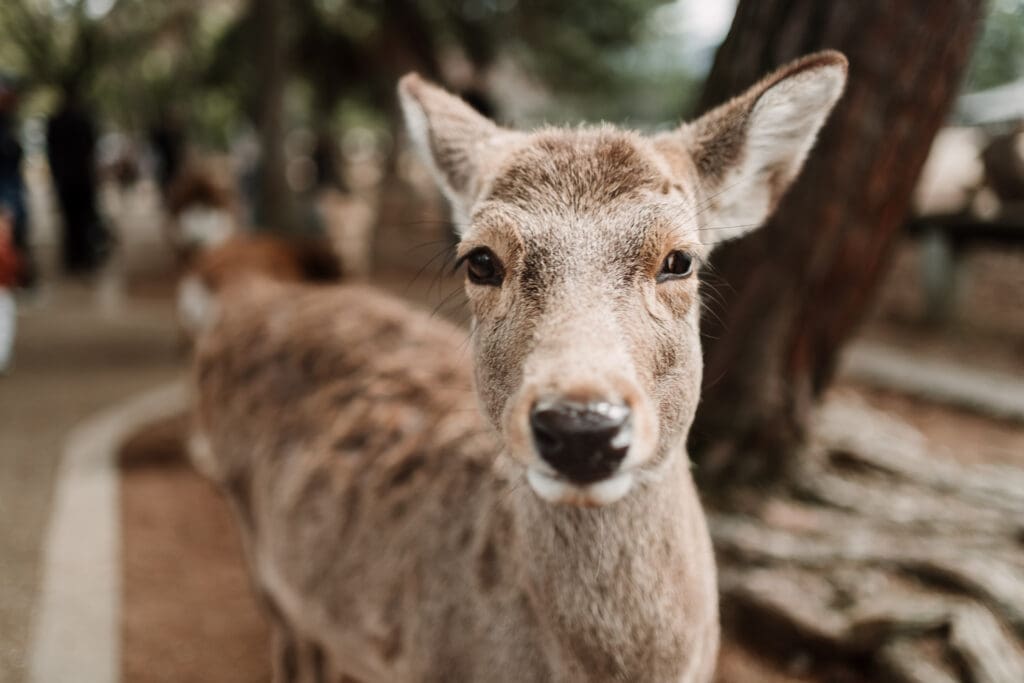
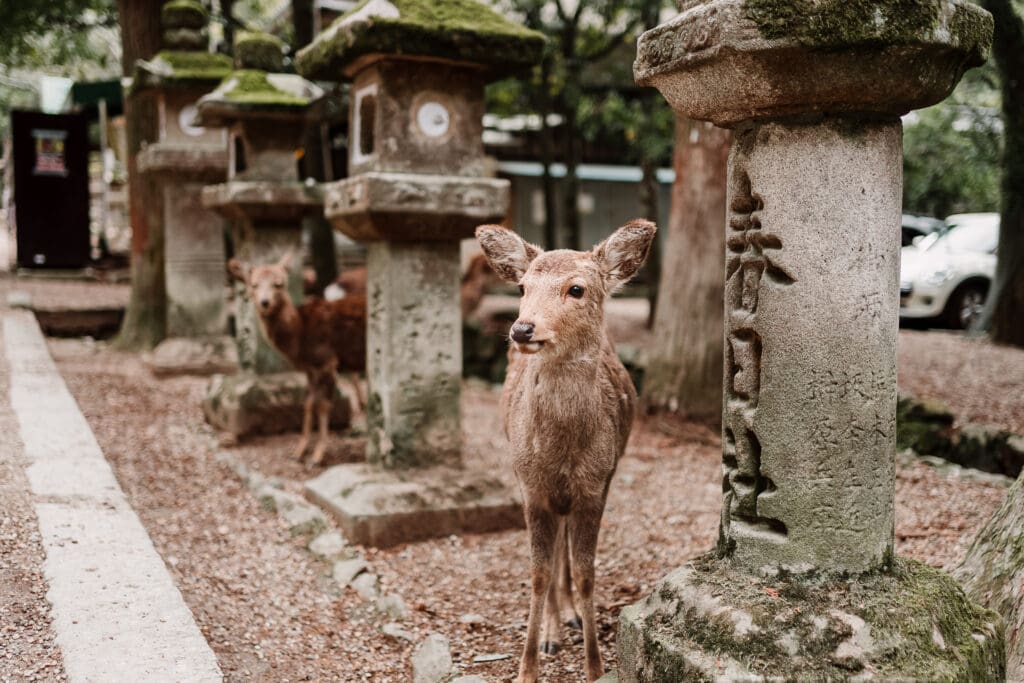
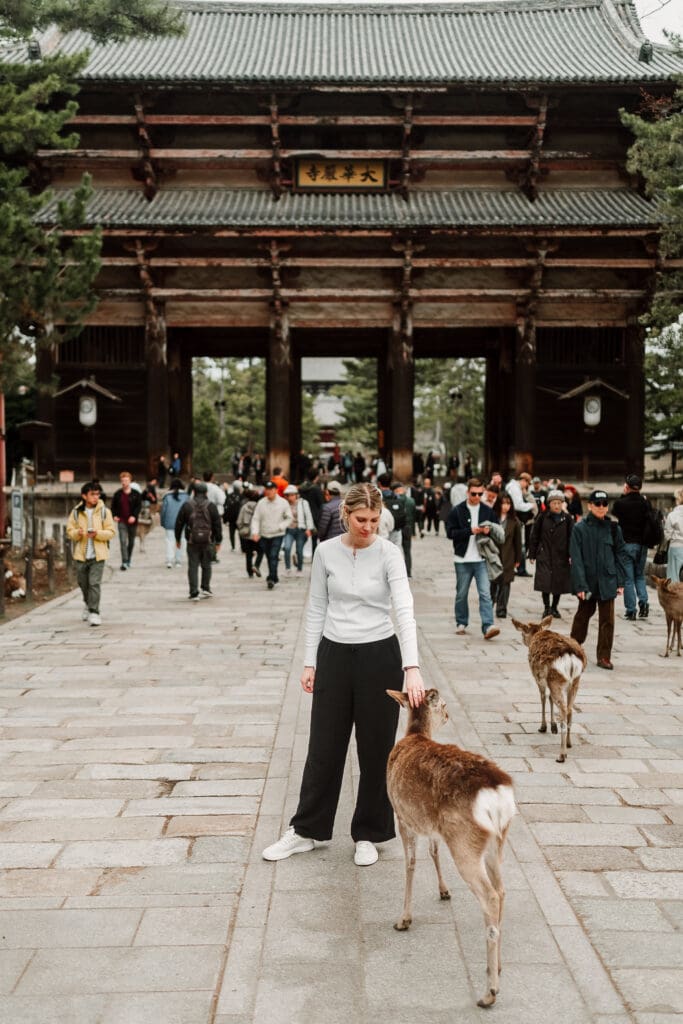
And then there was Nara. You likely know it as the city famous for the thousands of protected deer that roam the city, bowing politely for crackers. Tourists arrive with the expectation of having a Snow White moment, serene and magical. We burst into fits of laughter watching beautifully dressed girls shriek at their boyfriends to take the picture faster as the deer swarmed and nipped in aggressive impatience for their treat. We walked through the parks of people interacting with these protected and spoiled deer. Yes you could pet them, yes it was super cool to have a deer bow to you, and yes there were more of them than I ever expected (It’s also objectively hilarious to watch them use the crosswalks), but the Nara deer are also cantankerous little opportunists who will absolutely take a bite of your bum.
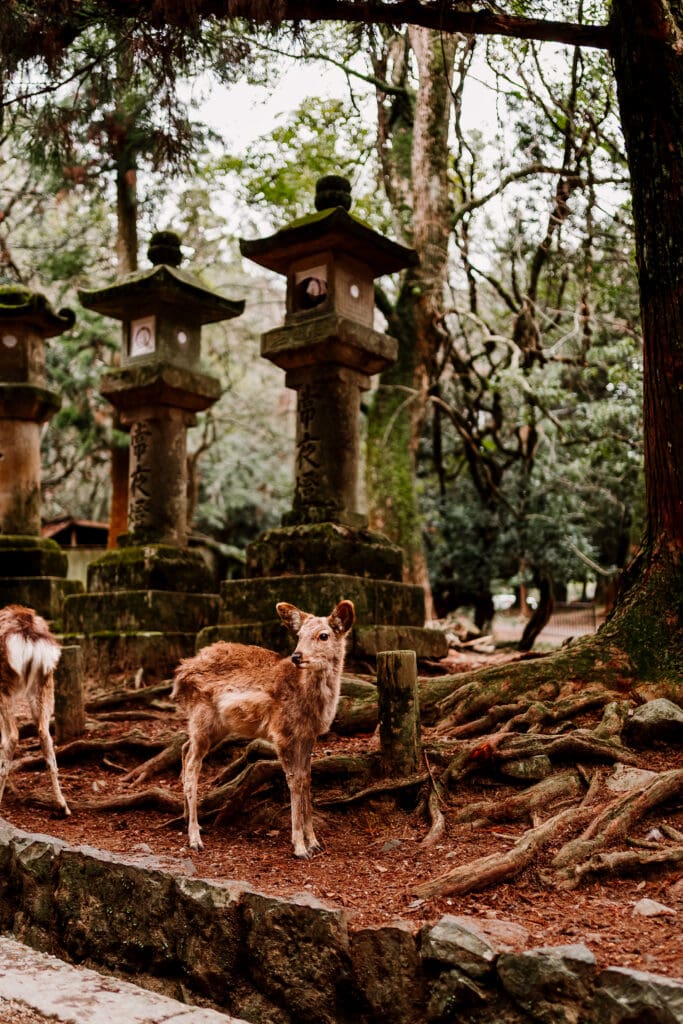
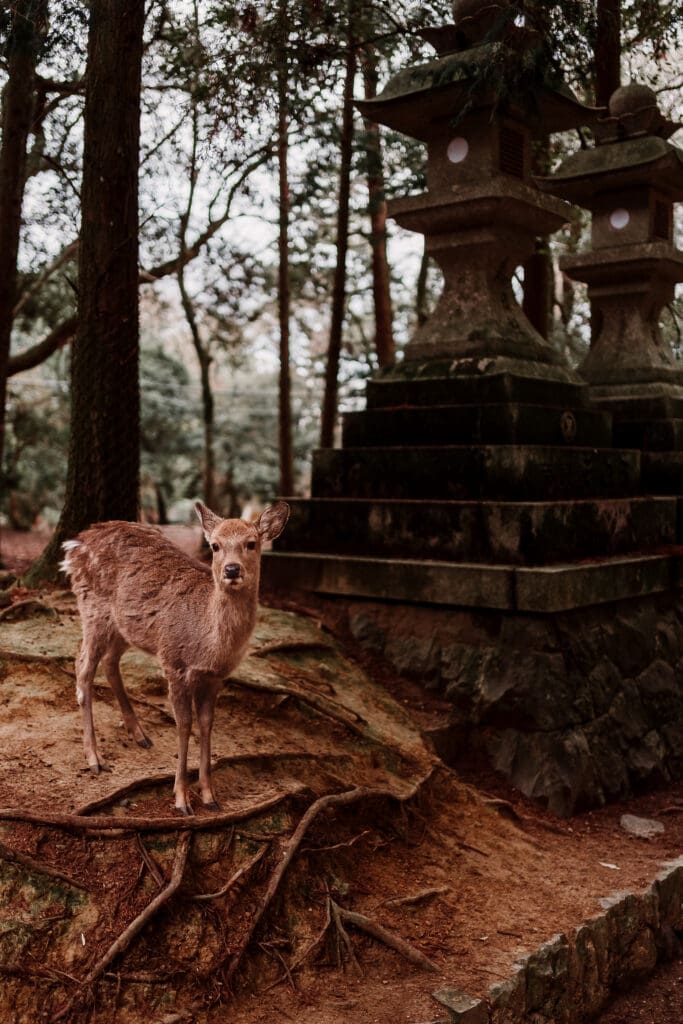
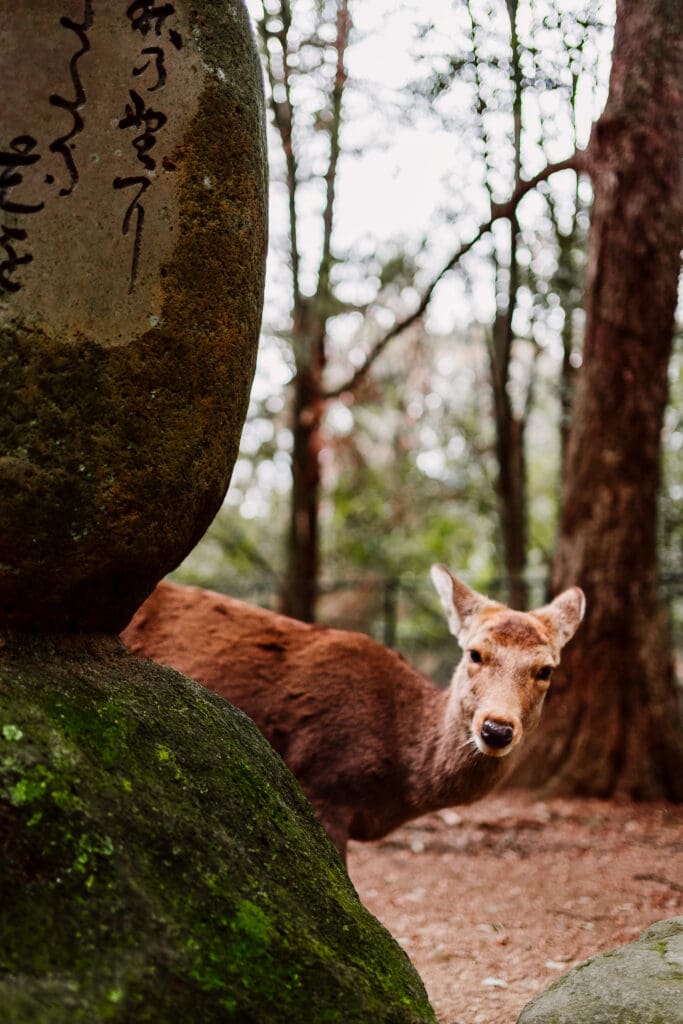
But my holy moment was yet to come. There is an atmospheric path lined with over 3000 lanterns in Nara that leads to the popular, Kasuga Taisha or Kasuga Grand Shrine. Woven between the stone lanterns, the protected deer of Nara continue their vigilant snack begging, although less aggressively than the deer in the parks. The way they peek around the ancient lettering gives them the appearance that they truly are ‘messengers of the gods’ as was the original reason for their protection. Here they feel less like pests and more like part of something sacred. These deer project more humility than their brazen brethren chasing screaming tourists in the parks.
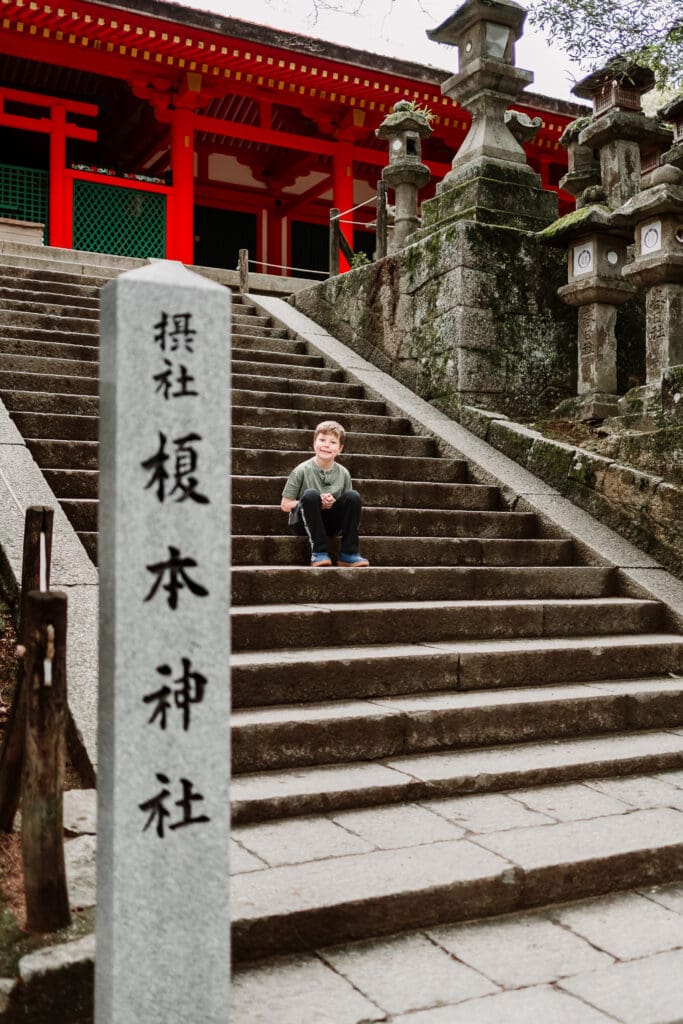
This is where I felt the quiet grounding recognition permeate through my soul, that I was standing somewhere deeply meaningful. This is a place that long ago, someone thought worthy and beautiful enough to preserve since 841 CE. And though there were other visitors along the path and many at the main sanctuary to wonder at the one thousand hanging bronze lanterns, we continued on the path past the sanctuary and found ourselves alone in the forest.
Though I’m not a Buddhist, in that moment of breathing in the rich dampness of an ancient forest, I understood why you feel connected to a higher power in a place like this. Knowing you’re standing on sacred land with thousands of years of history seeps into the marrow, making you feel the true value of your mortality. In a country of 123 million people, welcoming nearly 50 million visitors a year, I found myself unexpectedly, profoundly alone.
Transcendent dear reader, transcendent.
The hype surrounding Japan surged in the wake of the pandemic and has only intensified since. Travellers now line up for 90 minutes for a perfectly whisked matcha, embracing a culture that values mindfulness, discourages eating on the go, and functions seamlessly without public garbage bins. In many ways, Japan offers a glimpse into a way of living that feels increasingly rare, one defined by order, safety, and an unwavering sense of respect. —Juliana Loewen
share:

Be the first to comment