
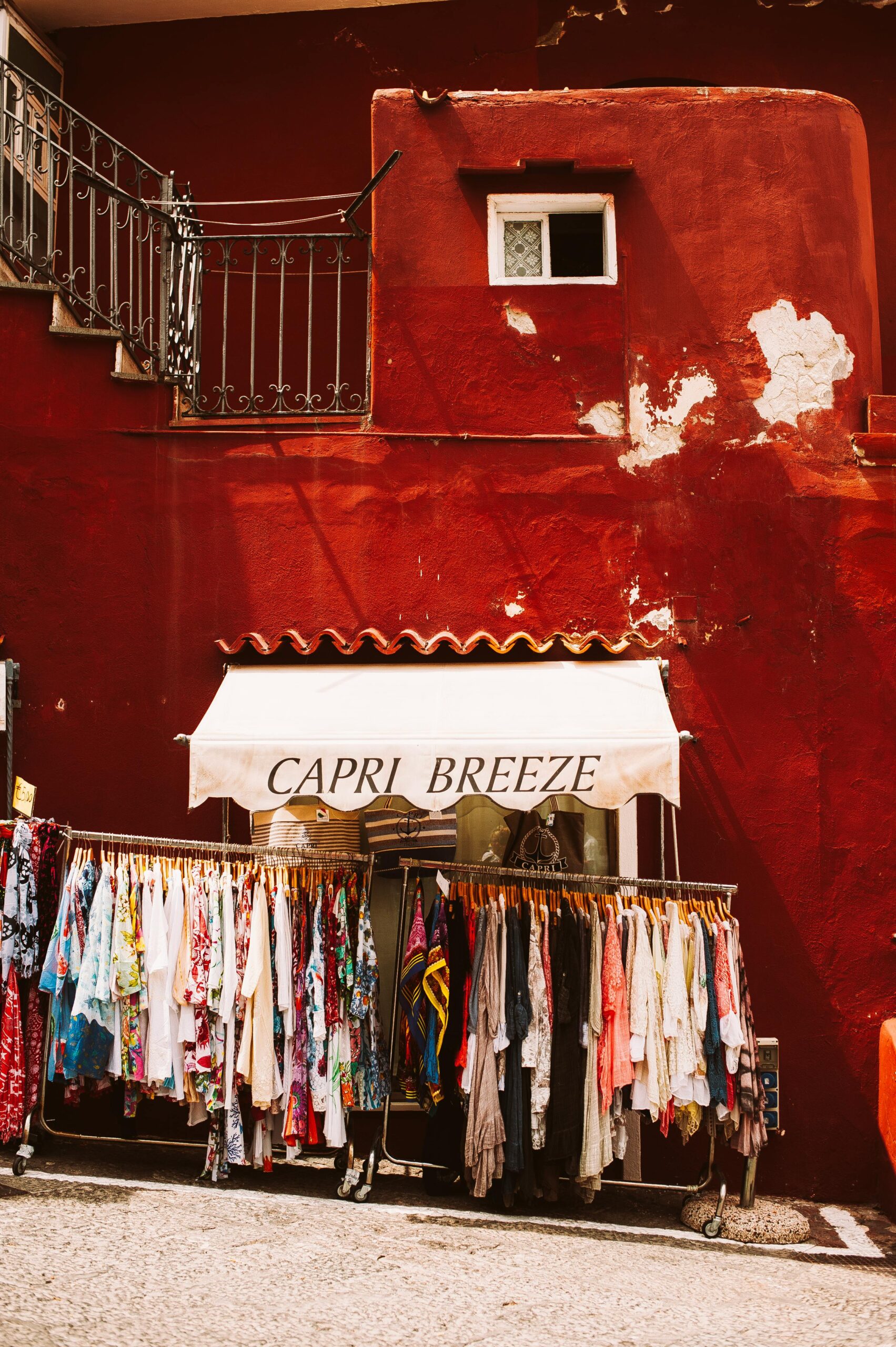
Italy’s allure extends far beyond its rich history, exquisite cuisine, and breathtaking landscapes. The country is also home to a treasure trove of shopping districts that offer everything from luxury goods to artisanal crafts. These vibrant areas encapsulate Italy’s diverse culture and craftsmanship, making them must-visit destinations for travellers seeking unique finds. Whether you’re a fashion enthusiast, a collector of antiques, or simply looking for souvenirs, Italy’s shopping treasures promise unforgettable experiences.
A Journey Through Italy’s Shopping Capitals
Exploring the country’s finest shopping districts can be an adventure in itself, often seamlessly blending into broader cultural experiences. Many Italy tours include stops in renowned shopping districts, providing an excellent opportunity to immerse yourself in the local lifestyle. Milan, widely recognised as the fashion capital of the world, is a prime destination for luxury shopping. The Quadrilatero della Moda, or Fashion Quadrilateral, boasts flagship stores of iconic brands like Gucci, Prada, and Versace.
For those who prefer a more relaxed and eclectic shopping experience, the streets of Florence offer a wealth of options. The city’s markets, such as San Lorenzo Market, feature handcrafted leather goods, jewellery, and textiles. Florence’s dedication to preserving its artisanal heritage is evident in every item, making it a haven for shoppers with an appreciation for quality and tradition.
The Charm of Regional Markets
Venturing beyond the major cities, you’ll discover countless local markets and districts that reflect the character of their regions. In Naples, the vibrant Via San Gregorio Armeno is famous for its handcrafted nativity figurines. Meanwhile, the coastal town of Positano is celebrated for its boutique stores offering handmade sandals and breezy linen clothing.
Travelling by train is one of the most convenient ways to explore Italy’s diverse shopping destinations. For instance, taking the Rome to Florence train allows you to seamlessly transition between the bustling capital and the charming Tuscan city. This journey not only offers spectacular views of the Italian countryside but also places you at the doorstep of some of the country’s most iconic shopping districts.
Venice: A Shopper’s Dream
No exploration of Italy’s shopping treasures would be complete without a visit to Venice. The city’s labyrinthine streets and canals are lined with shops selling Murano glass, Burano lace, and other locally made crafts. Rialto Market is a must-visit for food lovers, offering fresh produce, seafood, and spices that capture the flavours of Venetian cuisine.
For a more luxurious experience, the boutiques around Piazza San Marco feature high-end fashion and jewellery. Whether you’re searching for a bespoke item or simply enjoying the ambiance, Venice offers a shopping experience unlike any other.
Cultural Connections Through Shopping
Shopping in Italy is more than just a transaction; it’s a cultural exchange. Many stores are family-run, with owners eager to share the stories behind their products. This personal touch enhances the experience, allowing you to forge meaningful connections with the artisans and vendors who carry on Italy’s rich traditions.
In addition to physical goods, shopping districts often host events and festivals that celebrate local culture. For example, the markets in Palermo frequently feature live music and traditional Sicilian dishes, offering a sensory feast that goes beyond retail.
Sustainable Shopping in Italy
In recent years, sustainability has become a significant focus in Italian shopping culture. Many districts now promote eco-friendly practices, from using recycled materials to supporting ethical production methods. Milan’s Isola neighbourhood is a shining example, with its emphasis on sustainable fashion and independent designers. Similarly, Florence’s Oltrarno district is home to workshops that prioritise environmentally conscious craftsmanship.
By choosing to shop sustainably, visitors can support local artisans and contribute to preserving Italy’s cultural and environmental heritage. This mindful approach adds depth to the shopping experience, transforming it into an act of appreciation and responsibility.
Tips for a Memorable Shopping Adventure
To make the most of your Italian shopping journey, consider these tips:
- Research Local Markets: Many markets operate on specific days, so planning ahead ensures you won’t miss out.
- Learn Basic Italian Phrases: While many vendors speak English, knowing a few words in Italian can enhance your interactions and show respect for the local culture.
- Travel by Train: Italy’s extensive rail network makes it easy to explore multiple shopping destinations. Booking in advance can also help you save on travel costs.
- Embrace Haggling: In markets, bargaining is often part of the experience. Approach it with a friendly attitude and enjoy the process.
- Pack Light: Leave space in your luggage for the treasures you’ll undoubtedly want to bring home.
Conclusion
Italy’s shopping districts are a testament to the country’s creativity, diversity, and enduring commitment to quality. Whether you’re strolling through Milan’s Fashion Quadrilateral, exploring Florence’s artisanal markets, or taking a train to discover hidden gems, each destination offers a unique blend of history, culture, and craftsmanship.
By immersing yourself in these vibrant shopping hubs, you’ll not only acquire beautiful items but also gain a deeper appreciation for the traditions and stories that define Italy. So pack your bags, plan your itinerary, and prepare for a shopping adventure that promises memories to last a lifetime.
share:

June 3rd, 2026 at 7:04 am
Great article. What stands out is how shopping in Italy is presented as a cultural experience rather than just a way to buy things. The mention of family-run shops, artisan markets, and local craftsmanship is especially valuable because those personal connections are often what make a trip memorable. It’s interesting how the same principle applies in business as well—long-term success usually comes from relationships, not one-time transactions. The best brands focus on customer retention strategies, just as the best local merchants focus on creating experiences that bring people back again and again. Enjoyed the practical travel tips too.