
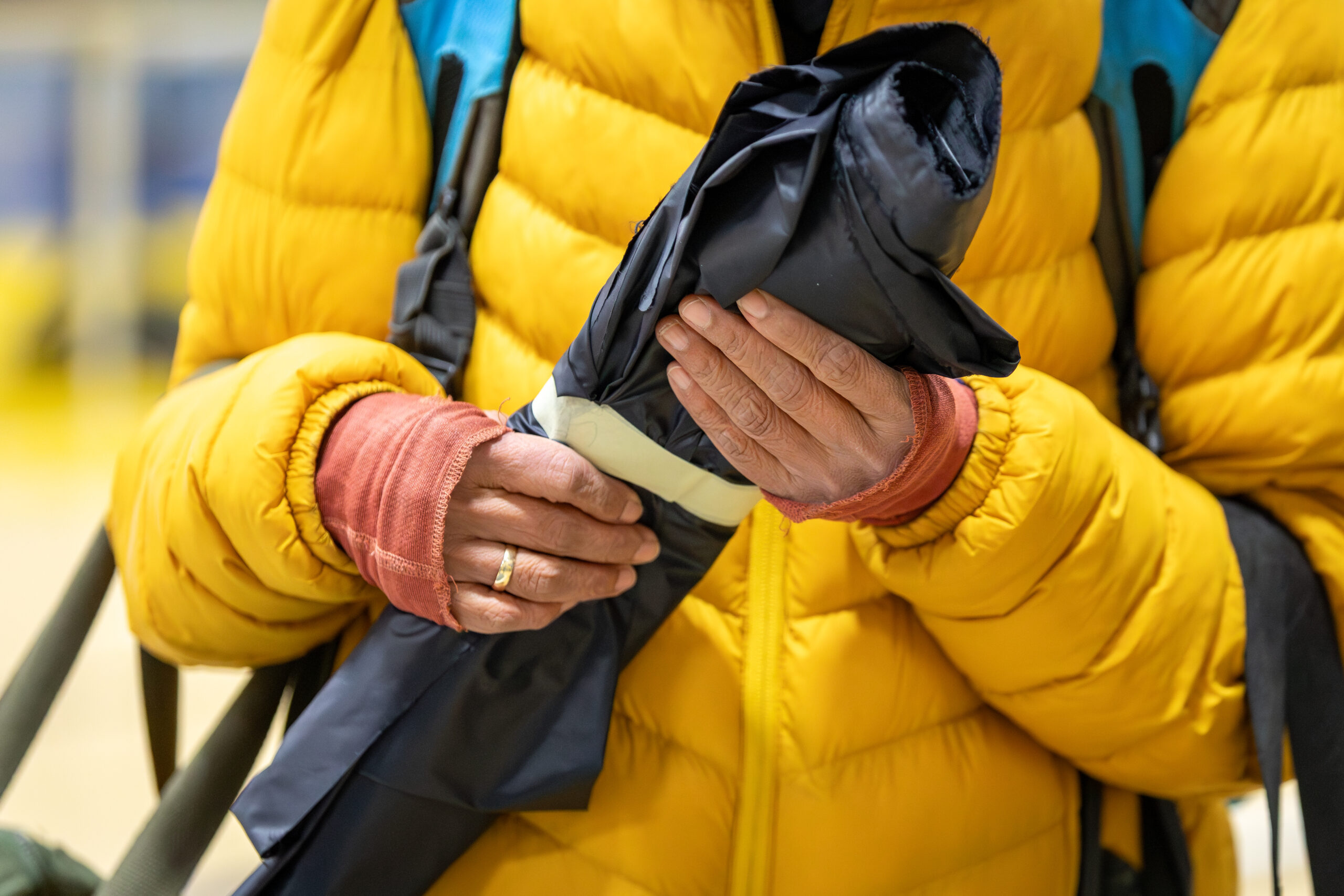
In fashion, sustainability has become one of the industry’s favourite buzzwords. Brands talk endlessly about circularity, resale, recycling, deadstock, and reducing waste—but often, those conversations still feel strangely disconnected from the people most impacted by clothing, craftsmanship, and material access itself.
Which is why Canada Goose’s long-running Resource Centre Program stands apart.
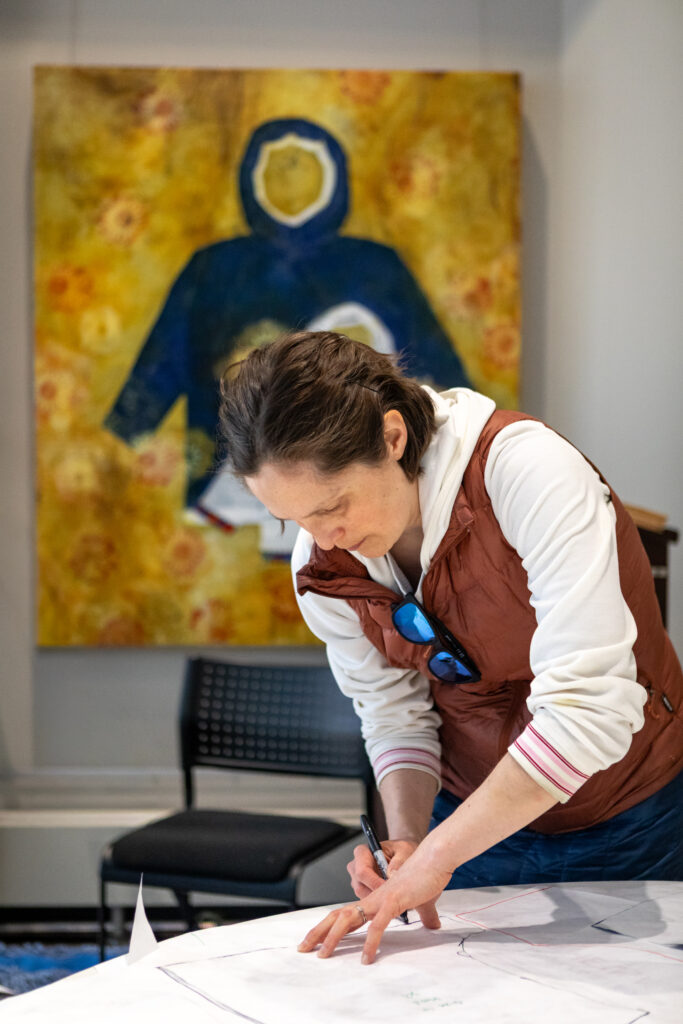

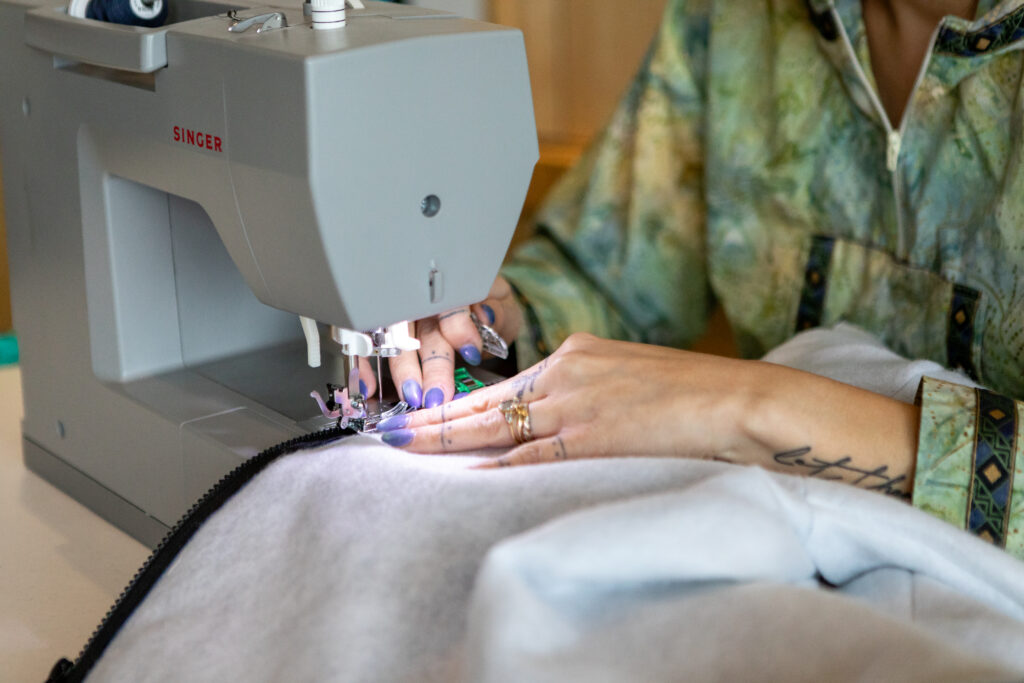
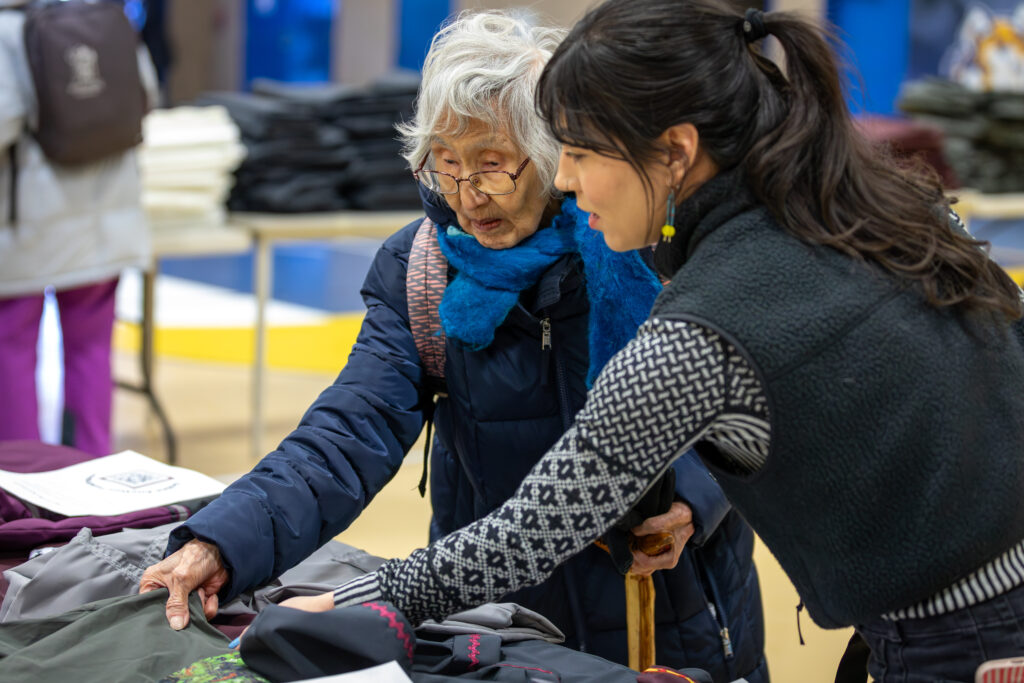

The initiative, which quietly began back in 2009 after two Inuit seamstresses visiting the brand’s Toronto factory asked whether they could bring unused fabric back home to Nunavut, has since evolved into one of the more thoughtful examples of circular fashion currently happening in Canada.
What started as a simple request rooted in practicality has grown into a community-led program that has redistributed more than two million metres of surplus fabric, trims, zippers, and materials to Northern and Indigenous communities across Canada.
Now, for the first time, the program has expanded into Alaska.
In partnership with Ryan Air, Canada Goose recently launched a multi-day activation across Kotzebue and Nome, distributing more than 14,000 pounds of fabric and materials through community events, sewing demonstrations, and parka-making workshops.
And notably, this isn’t framed as charity.
Instead, the program positions material access as a way to support cultural preservation, craftsmanship, repair culture, and intergenerational learning—something increasingly rare in today’s hyper-disposable fashion landscape.
“The program is rooted in listening first,” a Canada Goose spokesperson explained in an interview with VITA. “While it began as a request from two Inuit seamstresses for access to surplus fabric, it has evolved into a long-standing initiative built around responding to community needs in a way that drives real impact.”
That distinction matters.
At a time when major brands are frequently criticized for performative sustainability initiatives or surface-level partnerships with Indigenous communities, the Resource Centre Program appears to have deliberately evolved more slowly, through long-term relationship building and ongoing collaboration with local leaders, educators, seamstresses, and cultural organizations.
“No two Resource Centre Program events have looked exactly the same,” the spokesperson noted. “Every community event takes its own shape based on what the community wants, needs, and can support.”
In Alaska, that meant sewing demonstrations led by Inupiaq seamstress Precious Gray, community distribution events, and children’s parka-making workshops at the Katirvik Cultural Centre that taught everything from pattern cutting to garment assembly.
“It’s truly meaningful to create opportunities for our community members to craft something beautiful with their own hands,” said Katirvik Cultural Center Director Marjorie Tahbone. “This donation of materials is more than just supplies—it’s a chance to inspire creativity, strengthen traditions, and support families in making their own parkas and garments.”
The emotional centre of the initiative seems to lie not simply in the materials themselves, but in what those materials make possible.
Through workshops and community events, organizers witnessed sewing functioning not only as craftsmanship, but as cultural continuity—a way of preserving identity, storytelling, and connection across generations.
And in many ways, that’s where the program feels most radical.
Because while fashion often focuses on what’s new, fast, seasonal, or trend-driven, programs like this quietly argue for something else entirely: longevity, knowledge-sharing, repair, heritage, and care.
“This partnership is making a meaningful difference for our students, our schools, and our communities,” said Terri Walker, Superintendent of the Northwest Arctic Borough School District. “Initiatives like this show our students that they are valued and that their culture matters.”
Importantly, Canada Goose also acknowledges that this kind of work requires accountability and long-term commitment—not just one-off campaigns.
“We understand that accountability is built through actions over time, as is trust,” the spokesperson shared. “There will always be more for us to learn.”
In an industry still struggling to define what meaningful sustainability actually looks like, that willingness to keep listening may ultimately be the most important part. —Noa Nichol
share:

Be the first to comment