
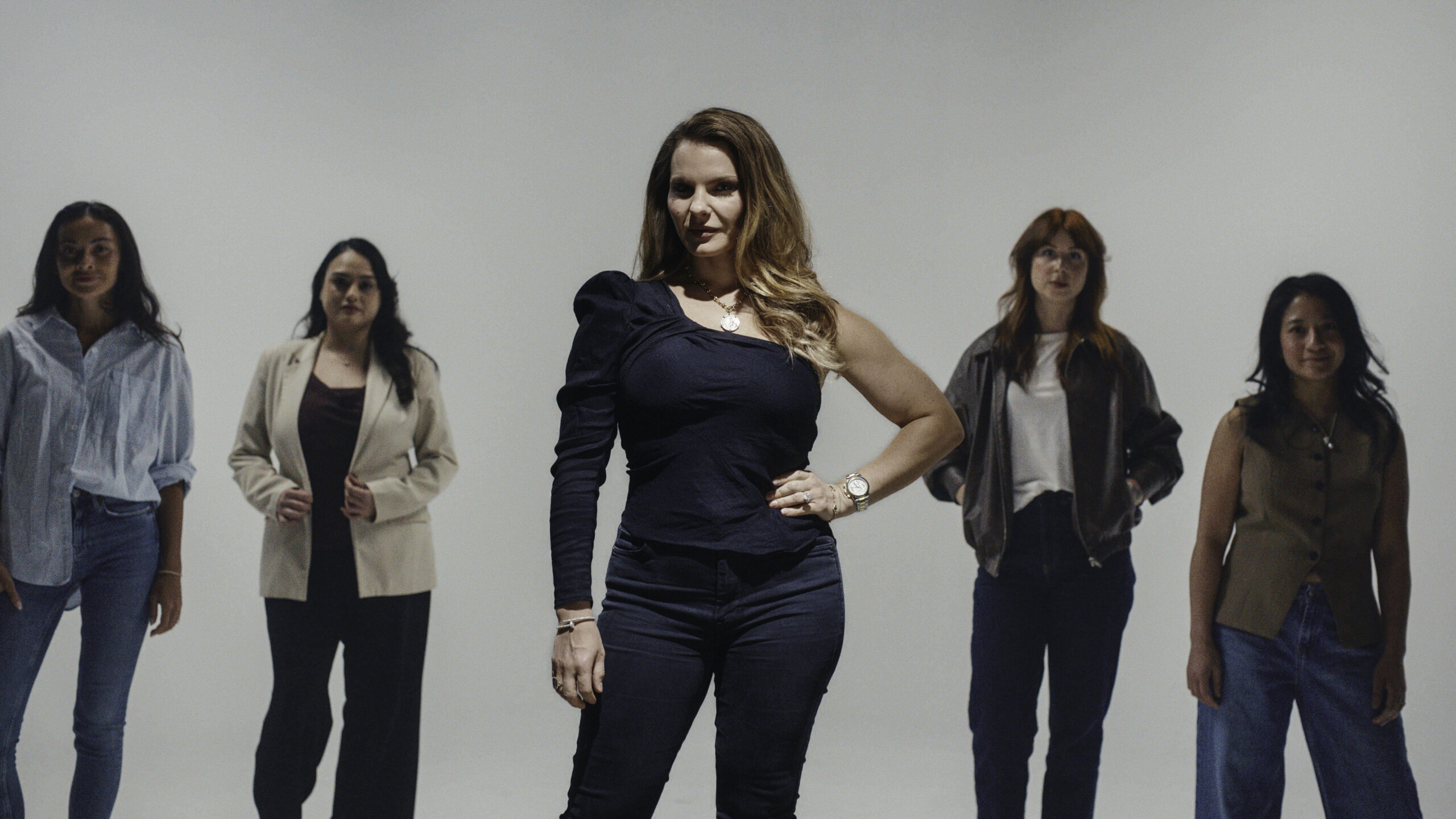
Hot flashes and mood swings may be the symptoms we hear about most, but for many women, hormonal changes can affect something much deeper: their sense of self. A new Canadian survey commissioned by Science&Humans found that nearly 60 percent of women say hormonal shifts have impacted their identity, confidence and overall wellbeing. We sat down with Dr. Kristy Prouse, OB/GYN and Chief Women’s Health Advisor at Science&Humans, to discuss why hormone health remains so misunderstood, the emotional toll of feeling dismissed, and what women need to know to better advocate for themselves at every stage of life. —Noa Nichol
The campaign is called Who Am I?, which feels incredibly emotional and personal. Why do you think hormonal health conversations so often get reduced to physical symptoms, when for many women the experience feels much deeper—almost existential?
Hormones influence far more than physical health. They affect mood, cognition, sleep, confidence, energy, emotional wellbeing, and ultimately how someone experiences themselves day to day. The conversation often gets reduced to physical symptoms because those are the easiest things to identify, measure, and treat. We focus on hot flashes, hair loss, irregular cycles, weight changes, or sleep disruption because they feel tangible. But for many women, the experience goes much deeper than that.
Women will often say, “I don’t recognize myself anymore,” and that experience can affect confidence, relationships, emotional wellbeing, and how someone moves through their life day to day. Hormonal health is more than symptom management. It can profoundly shape quality of life and sense of identity.
Nearly 6 in 10 women said hormonal changes impacted their sense of identity. What do you think society still misunderstands about the emotional and psychological toll hormones can have on women throughout different life stages?
There’s still a tendency to view hormonal health through a purely physical lens, when in reality its impact is deeply neurobiological, emotional, and personal. Oestrogen, progesterone, testosterone, and cortisol all act directly on the brain, modulating mood, cognition, sleep architecture, and stress resilience through receptors in regions that govern memory, emotion, and self-perception. So when women describe feeling unlike themselves during adolescence, postpartum, perimenopause, or menopause, that experience isn’t imagined or purely psychological. It reflects real shifts in brain chemistry driven by hormonal change.
What is often misunderstood is how isolating that can feel. Many women internalise these experiences or feel pressure to simply manage quietly, rather than recognising them as legitimate health concerns deserving of investigation, support, and care. These experiences are not only common. They are biologically grounded and profoundly impactful on identity.
One of the most striking findings is how many women feel dismissed or unheard within the healthcare system. Why do you think women’s hormone-related concerns have historically been minimized or normalized rather than properly investigated?
The survey findings reflect what many women describe in clinical practice. Too often, symptoms are dismissed as “normal aging” or simply something women are expected to tolerate. When women repeatedly feel unheard, many stop seeking help altogether.
Part of the challenge is that hormonal symptoms rarely exist in isolation. Hormones influence multiple systems in the body, including metabolic, neurological, cardiovascular, and mental health. When care is fragmented, those connections can easily be missed.
What Science&Humans was built to do is close that gap, to offer an integrative, evidence-based approach that actually investigates what’s driving a woman’s symptom. Women deserve care that takes the full picture into account and properly investigates what may actually be driving their symptoms, getting to the core of the issues.
Michele Romanow is such an interesting face for this campaign because she represents ambition, leadership, motherhood, and visibility. Why was it important to show that hormone health challenges can affect even the most outwardly successful, high-functioning women?
As one of Canada’s most recognized entrepreneurs known for backing disruptive companies, Michele represents the future of healthcare: informed, ambitious, and unwilling to accept outdated standards. Her involvement reinforces that hormone health challenges don’t bypass women at the top of their field, and it encourages others to speak openly about their own experiences rather than pushing through in silence.
Michele brings real visibility to that experience. She reflects the reality of so many modern women balancing demanding careers, leadership, family, and personal wellbeing, often all at once. Her involvement sends a clear message that prioritizing hormonal health is not a sign of weakness. It is a fundamental part of long-term health and longevity.
The survey found that many women first felt disconnected from themselves during adolescence. How important is it to start talking about hormone health earlier, before women reach perimenopause or menopause?
It is incredibly important to have these conversations early, because hormonal health does not begin in midlife. Adolescence is itself a period of profound hormonal change as the reproductive axis matures, and many young women are already navigating effects on confidence, mood, body image, sleep, and sense of self long before they have the language to describe what is happening.
Adolescence is also when several important conditions first present. PMOS (previously known as PCOS), endometriosis, and thyroid dysfunction often begin in the teenage years, yet are commonly dismissed as normal adolescent variation. The result is diagnostic delays that can stretch on for years.
One of the most telling findings from our survey is that women consistently identify the stage of life closest to where they are right now as the point where they have felt most unsure of their identity due to hormonal changes. This isn’t a retrospective experience. It’s happening in real time, at every stage, which is why the conversation cannot wait until midlife.
The earlier we normalise these conversations, the better equipped women are to recognise when something feels off, advocate for themselves, and make informed decisions throughout their lives.
Hormonal changes can affect confidence, relationships, energy, mental health, and even how women see themselves in the mirror. In your experience, what happens emotionally when women finally feel seen, validated, and properly supported?
There’s often an incredible sense of relief. Many women have spent years questioning themselves after being told their symptoms are normal, or simply part of aging. Over time, that kind of dismissal can erode confidence and make women stop trusting their own instincts about their bodies.
At Science&Humans, we see how powerful it can be when women finally feel genuinely heard and supported with care that is personalized to what they are experiencing. That self-doubt often starts to lift. You see women reconnect with their confidence, energy, and overall sense of wellbeing in ways they had stopped expecting were possible.
There’s often shame or silence around topics like menopause, PCOS, mood changes, libido, or hormonal aging. Why do you think women still feel pressure to quietly “push through” these experiences instead of openly discussing them?
Women have historically been conditioned to tolerate discomfort and continue functioning despite what they are experiencing. Many topics tied to hormonal health, including menopause, libido, fertility, aging, and mood changes, have also carried stigma or been treated as too personal to openly discuss.
When those cultural pressures exist alongside healthcare experiences where women feel dismissed or minimized, many begin to internalize the belief that nothing can really be done or that they simply need to endure it quietly.
The survey reinforces that these experiences are common and can have a significant impact on quality of life, which is why at Science&Humans we aim to combine clinical expertise with personalized care to help shift the culture of silence toward one where women feel informed, validated, and confident in advocating for their health.
The campaign seems to challenge the idea that suffering through hormonal symptoms is simply part of being a woman. What conversations do you hope this starts—not just between women and doctors, but between partners, workplaces, families, and society as a whole?
This campaign reflects the goal of encouraging more open and informed conversations about hormonal health and the very real impact this can have on daily life.
We hope the campaign sparks more honest conversations not just between patients and doctors, but within families, workplaces, relationships, and society as a whole. At Science&Humans, we believe real change happens when evidence-based care is paired with empathy, education, and truly listening to women.
Science&Humans approaches hormone care through technology, data, and personalized treatment. How do you balance clinical science with the very human, emotional reality of what women are actually going through day to day?
What makes the Science&Humans model different is the integrative approach. Our clinicians look at endocrine, metabolic, cardiovascular, and neurological systems together, not as separate concerns, while also incorporating personalized coaching on nutrition, movement, and lifestyle. Technology allows us to make that level of care accessible and continuous, but it’s the human connection, the listening, the validation, that makes it meaningful.
Women don’t just need a prescription. They need someone who understands the full picture of what they’re going through.
When women say “I don’t feel like myself anymore,” what do you think they’re really trying to express—and what would you want them to know they deserve in terms of care, answers, and support?
Often, women are describing a sense of disconnection from themselves. They may not feel as emotionally resilient, confident, or mentally clear as they once did, and that can be difficult to put into words.
Science&Humans wants every woman to know that what they are experiencing is real, it is recognized, and it is addressable. We believe people deserve evidence-based care that takes their concerns seriously and supports them with compassion, personalized guidance, and a fuller understanding of their health.
share:

Be the first to comment